
Creative Kids Room Ideas for Every Age

Designing a children’s room shouldn’t feel like choosing between cute and practical. With the right kids room ideas, you can create a space that sparks imagination, supports routines, and still looks pulled together at the end of the day.
In this list, you’ll find versatile color palettes, renter-friendly wall updates, clever storage, and hardworking furniture—from bunk beds and lofts to study nooks and reading corners. We’ll cover small-space solutions, shared room layouts, Montessori-inspired zones, and budget-friendly DIY touches that grow with your child.
Every idea balances style, safety, and function, so the room feels calm at bedtime and creative by morning. Whether you’re refreshing a nursery or rethinking a tween room, these tips make it easy to plan, shop, and style with confidence.
Space-Saving Kids Room Ideas for Small Bedrooms
Designing small kids rooms demands smart space planning. Begin by mapping traffic paths, doorway swing, and window placement to position beds and storage without blocking light. Choose multifunctional furniture—loft beds, trundles, and storage ottomans—to compress sleep, study, and play into compact footprints. Prioritize vertical solutions like wall-mounted shelves, pegboards, and over-door organizers to keep floors clear for play. Measure twice and leave at least 24–30 inches around key pieces to prevent cramped movement. Use light-reflective finishes and low-profile hardware to reduce visual bulk while keeping daily essentials reachable.
- Loft Bed with Study Nook: Raises the mattress to free precious floor area, fitting a compact desk and shelves underneath; add task lighting, cord clips, and rail guards for safe, focused study time.
- Underbed Storage Drawers: Deep, smooth-glide drawers corral bulky toys, bedding, and off-season clothes, eliminating tall dressers; choose labeled inserts and soft-close hardware to keep cleanup quick, quiet, and kid-friendly.
- Wall-Mounted Folding Desk: A slim, drop-leaf surface hinges down for homework and crafts, then folds flush to the wall; mount at correct height, and add a narrow rail to hold supplies.
- Corner Reading Nook: Transform an unused corner with an L-shaped bench, hidden storage, and wall sconces; layer washable cushions and a canopy to signal calm, cozy downtime away from play zones.
Color can also enlarge perception in tight spaces without feeling sterile. Paint walls and ceilings the same soft hue to blur edges, then introduce contrast through rugs, art, and bedding. Mirrored wardrobe doors and glossy trims bounce daylight, while sheer curtains keep windows feeling generous. Modular cube systems adapt as collections grow, and labeled bins empower kids to return items independently. Always anchor tall furniture into studs and choose rounded corners to minimize bumps during energetic play. Set weekly five-minute resets with a visible donate bin to keep clutter cycling out before it overwhelms the room.
Color-Blocked Walls That Grow With Them
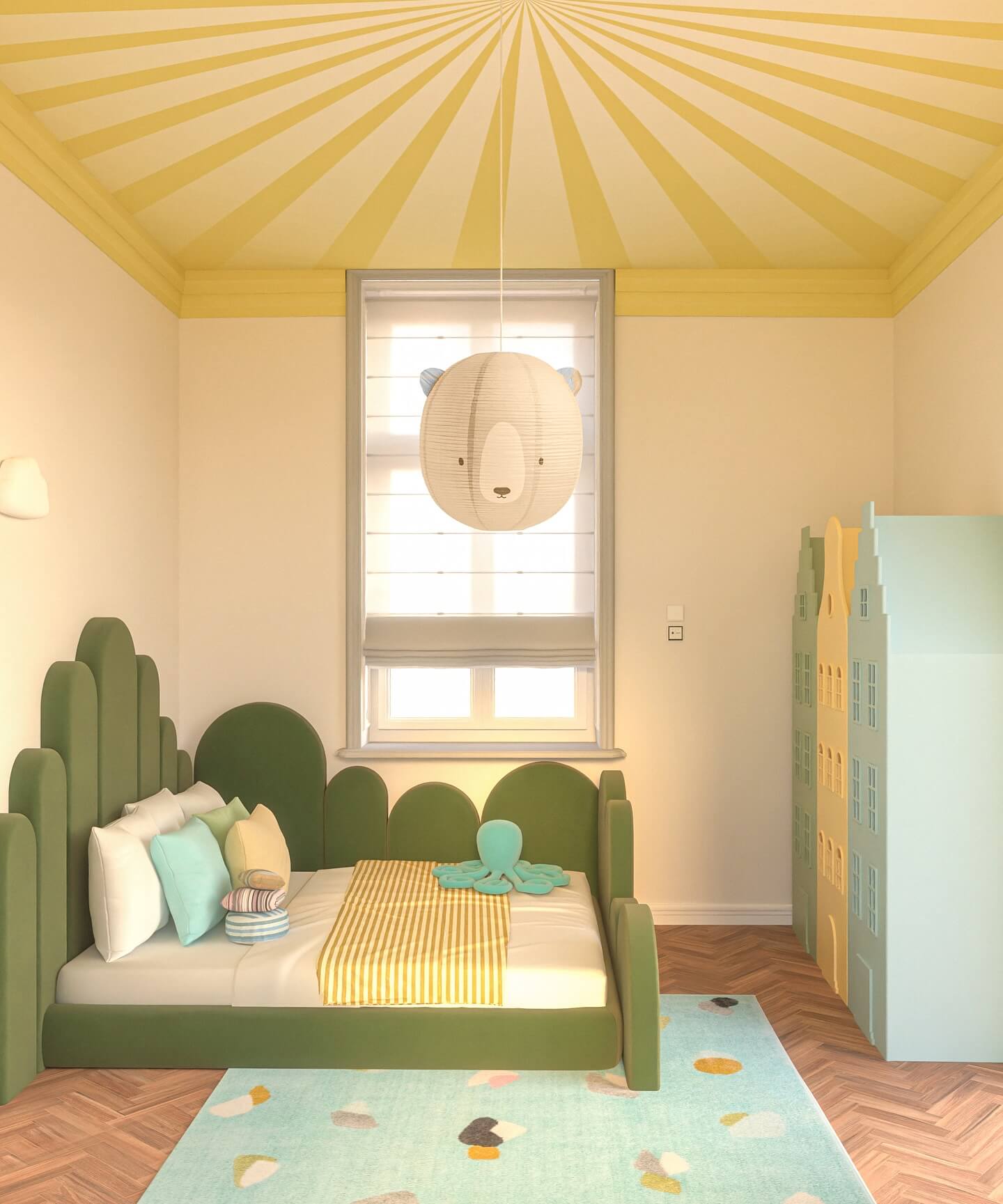
The fastest way to make a kids’ bedroom feel designed (without committing to a theme you’ll regret) is a smart, two-tone wall. A color block or soft arch behind the bed frames the sleep zone, adds visual height, and hides scuffs better than all-white paint. Choose a calming mid-tone for the lower half—dusty sage, denim blue, or muted clay—paired with a warm white above. This palette feels playful for toddlers and still fresh for tweens. Keep the line at or just below picture-rail height to visually widen the room and leave space for floating shelves or art rails. Use scrubbable, low-VOC paint so sticky fingers aren’t a stressor. To tie the scheme together, echo the lower wall color in a rug or storage bins and repeat the upper color in bedding or curtains. If you’re renting, you can achieve the look with peel-and-stick paintable panels or oversized decals to “fake” an arch. The result is a backdrop that supports everything else—bunk beds, book ledges, or a desk—while quietly establishing balance and order, a cornerstone of any child-friendly, easy-to-tidy design.
Peel-and-Stick Mural Magic (High Impact, Low Commitment)
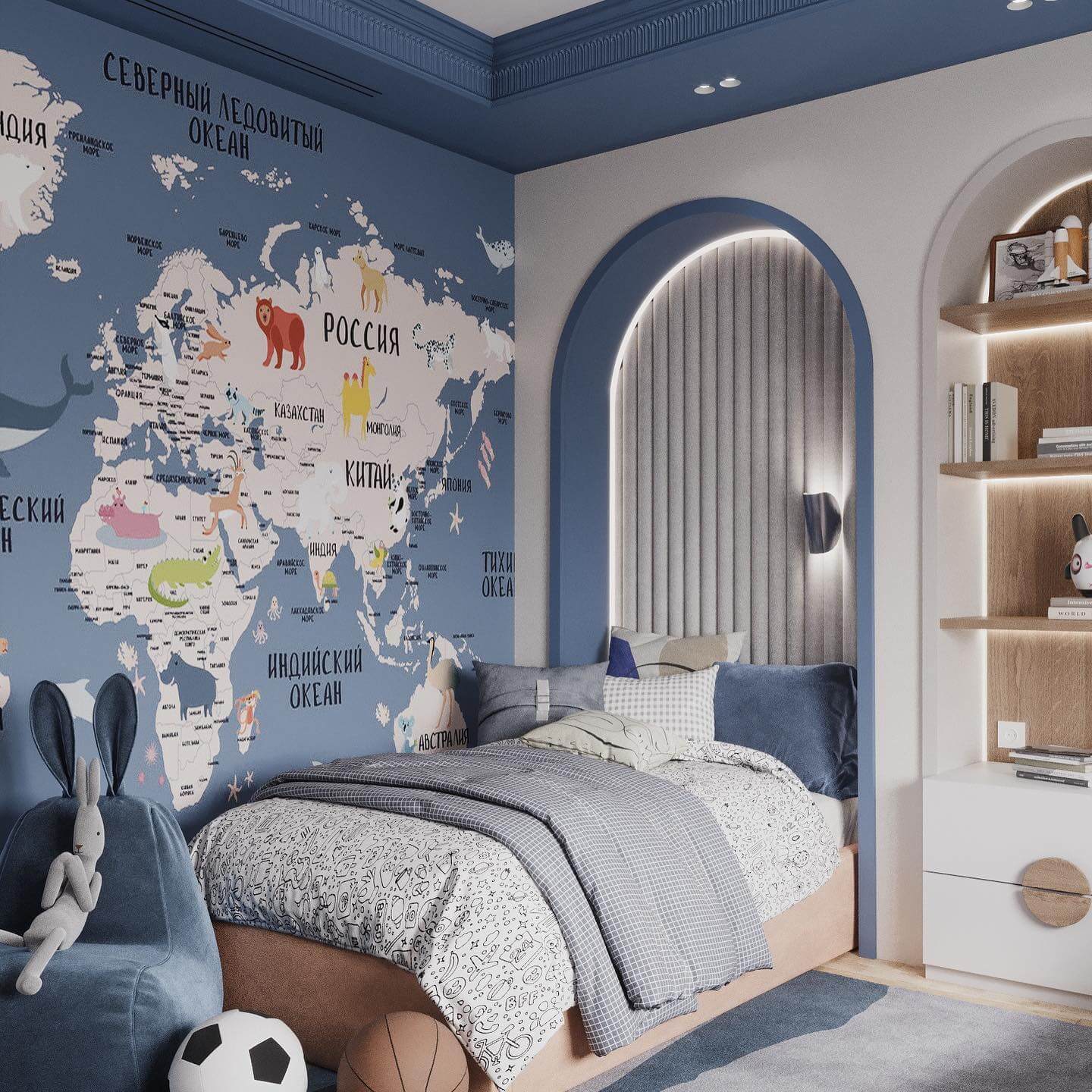
When you want big personality without a long-term promise, a removable mural is the MVP of kids room ideas. Botanical forests, sky gradients, soft geometrics, or hand-drawn maps instantly turn a blank wall into a story starter and make the bed or play table feel intentionally placed. Choose palettes that harmonize with your textiles so the room reads cohesive, not cluttered: two dominant colors, one accent, plenty of neutrals. Install the mural on the wall you see first when entering; it doubles as a visual tidy trick because attention goes to the art, not the stray toy. For small rooms, pick murals with soft depth (clouds, hills) to visually expand the space. For renters, look for repositionable vinyl and keep the paper roll ends for future patching. Anchor with natural materials—wood shelves, woven baskets—for warmth, and keep furniture lines clean so the mural can breathe. As your child’s interests evolve, swap bedding and accessories; the mural remains a stylish backdrop rather than a theme you have to work around.
Lofted Bed, Double the Floor Space
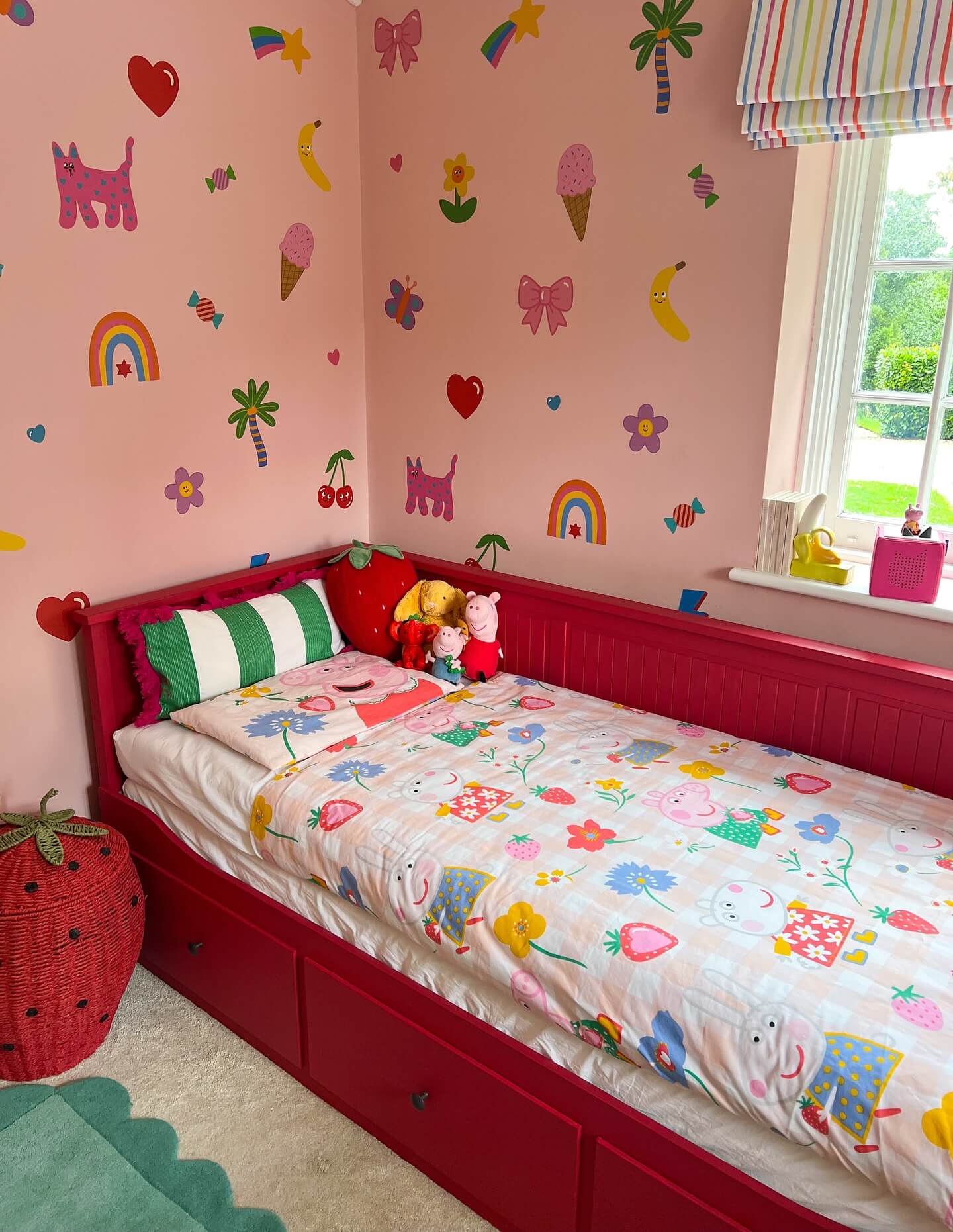
If you’re working with a compact children’s bedroom, lofting the bed is like giving the room an addition. Elevating sleep frees a full zone underneath for a play kitchen, Lego table, dress-up rail, or reading fort—whatever your child’s current season needs. Prioritize a full-height safety rail, grippy ladder steps, and a clip-on sconce for bedtime reading. Below, add foam tiles or a washable rug for comfort and noise control; flank the area with cube storage so toys have clear “homes.” Curtain panels on a tension rod transform the space into a hideaway for independent play (and make cleanups feel like closing a stage curtain). Keep the color palette calm up top and more saturated below to pull the eye down and encourage use of the play zone. As they grow, the lower area can shift into a desk with a pegboard and a roll-out filing cart—proof that a loft is a long-haul investment in flexibility and floor space.
A Cozy Reading Nook Kids Actually Use
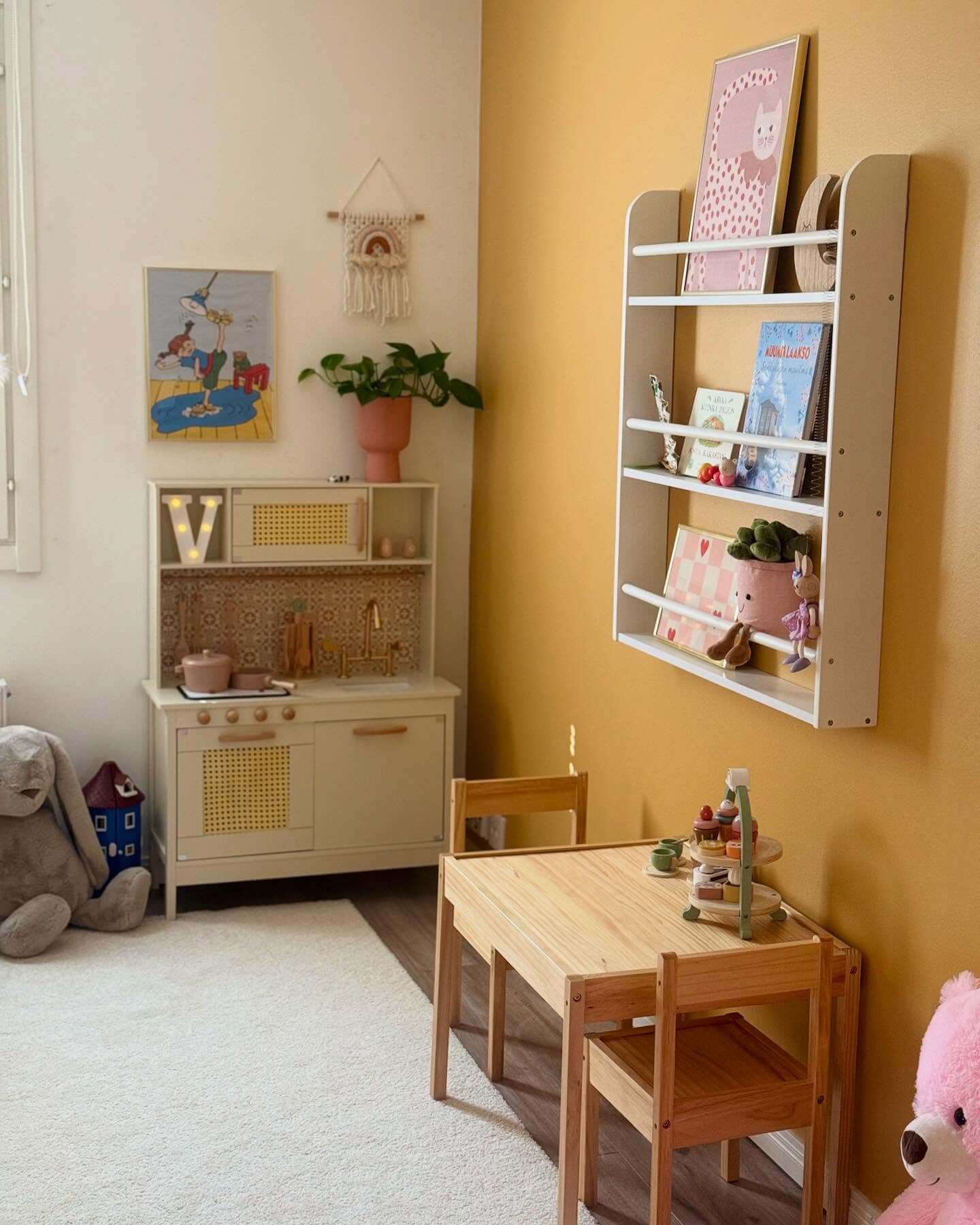
A dedicated reading corner builds routine and calms the room’s energy. Start with a low, cushy base—floor cushion, mini daybed, or beanbag—and layer a small washable rug to define the spot. Install narrow picture ledges at child height so covers face out; this boosts book choice and keeps spines from toppling. Add a warm-tone sconce or clip light (2700K bulbs) and a basket for library returns. To prevent visual clutter, limit shelves to a dozen books and rotate weekly; stash extras in a closet bin. Choose textiles in tactile, durable fabrics—bouclé, canvas, quilted cotton—that invite lingering but wash easily after snack time. If space is tight, tuck the nook behind a curtain under a loft, or float a canopy to create a sense of enclosure without closing off light. This little sanctuary does more than look cute—it supports wind-down routines, quiet play, and focused time, which makes the entire kids’ room feel more functional and balanced.
Toy Rotation Cubbies with Picture Labels
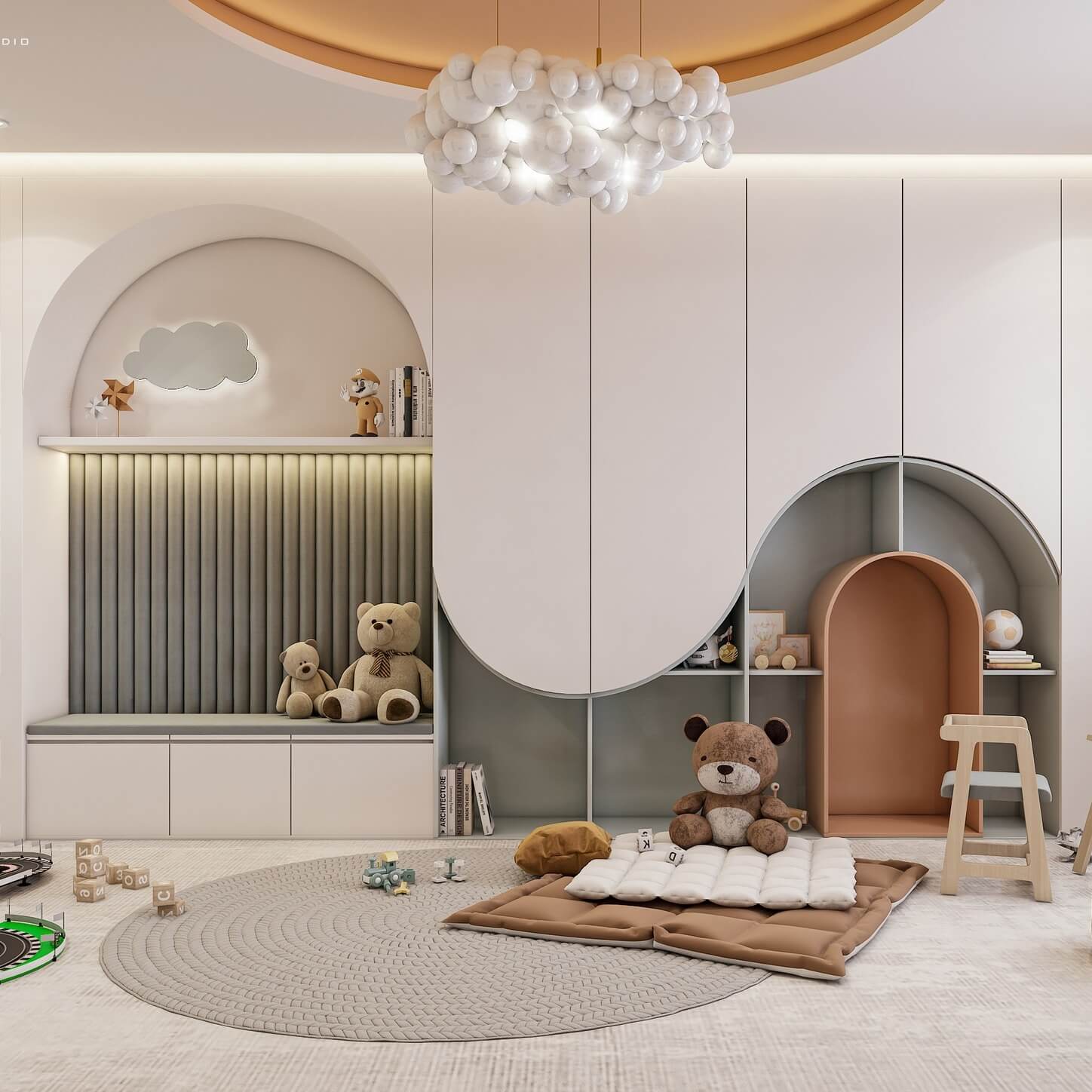
Clutter is a design problem disguised as a parenting problem. Solve it with an easy-to-reset storage system: cube shelves plus labeled bins. Use clear or fabric bins with large photo labels so even pre-readers can tidy independently. Group by activity—blocks, pretend food, animals, art—to support purposeful play. Only fill what fits; overflow becomes a rotation stash in the closet. Keep the bottom row for daily toys and reserve higher cubes for supervised sets or puzzles. A top shelf with a few styled pieces (a plant, framed art, a favorite toy) keeps the unit from feeling like a wall of stuff. Add a tray for in-progress builds to save your sanity between sessions. The magic is in the routine: a five-minute “bin sweep” before dinner, a weekly rotation to refresh interest, and a monthly edit to donate or store outgrown items. With clear homes and fewer choices, kids play longer, clean faster, and the room looks intentionally designed, not perpetually messy.
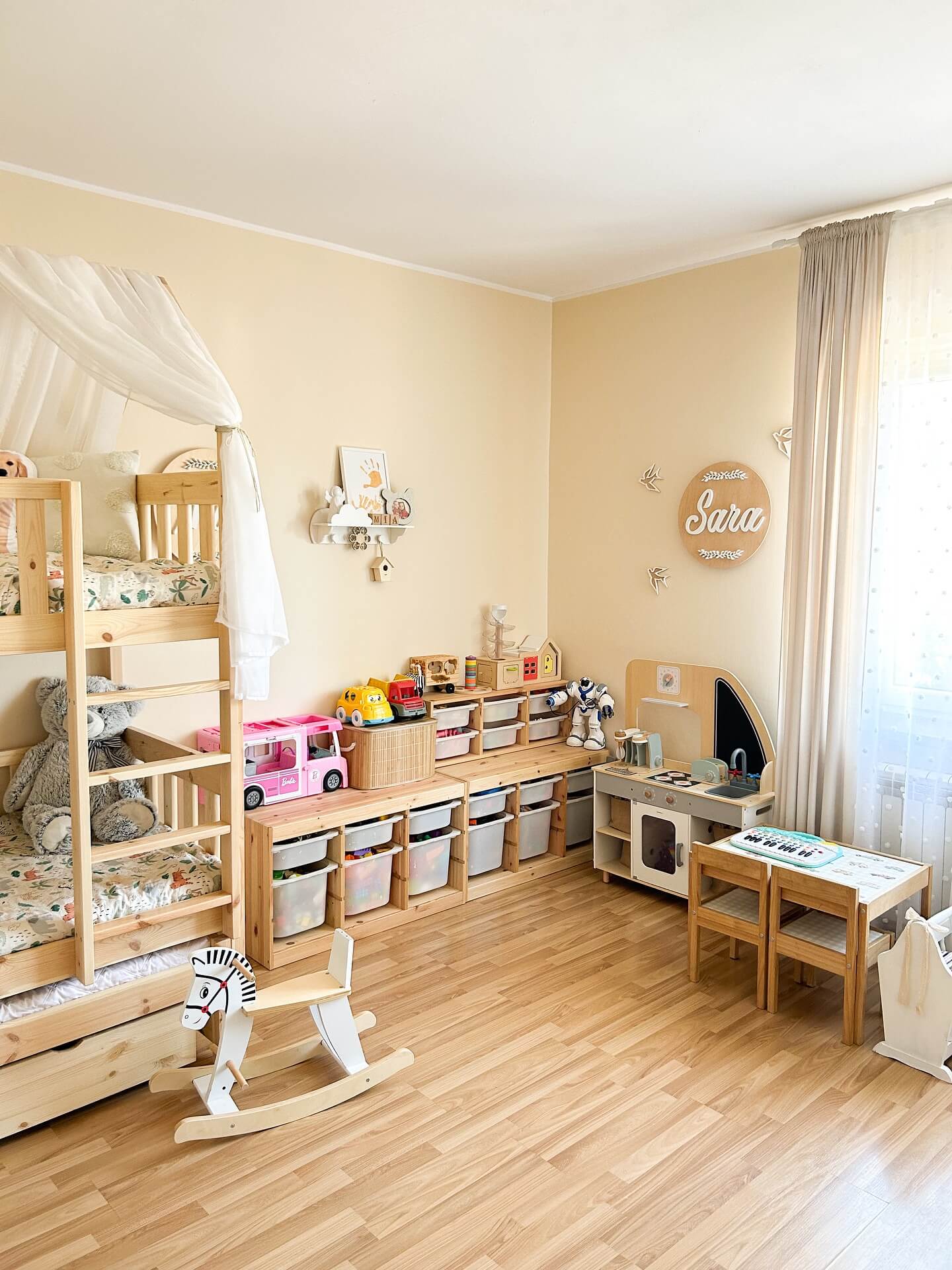
Designing for siblings is about boundaries that feel friendly. Start by defining zones: a sleep wall (bunk or twins), a shared play rug in the center, and individual storage on each side. Color-coding is your best friend—matching bedding in different hues, personalized hooks, and labeled drawers maintain peace and reduce morning chaos. If using a bunk, consider a combo unit with a desk or wardrobe to consolidate furniture and open floor space. Add clip lights and small shelves by each bed so every child has a mini “nightstand.” Use curtains or an arched headboard to carve subtle privacy without blocking airflow. White noise and a dim nightlight help staggered bedtimes. For clothes, a single dresser with divider organizers can work if each child’s section is color-tagged; otherwise, two narrow wardrobes keep everything straight. The result is a room that supports different ages and routines while still feeling cohesive—and tidying happens faster because every zone has a clear purpose.
Montessori Floor Bed and Independence Corner
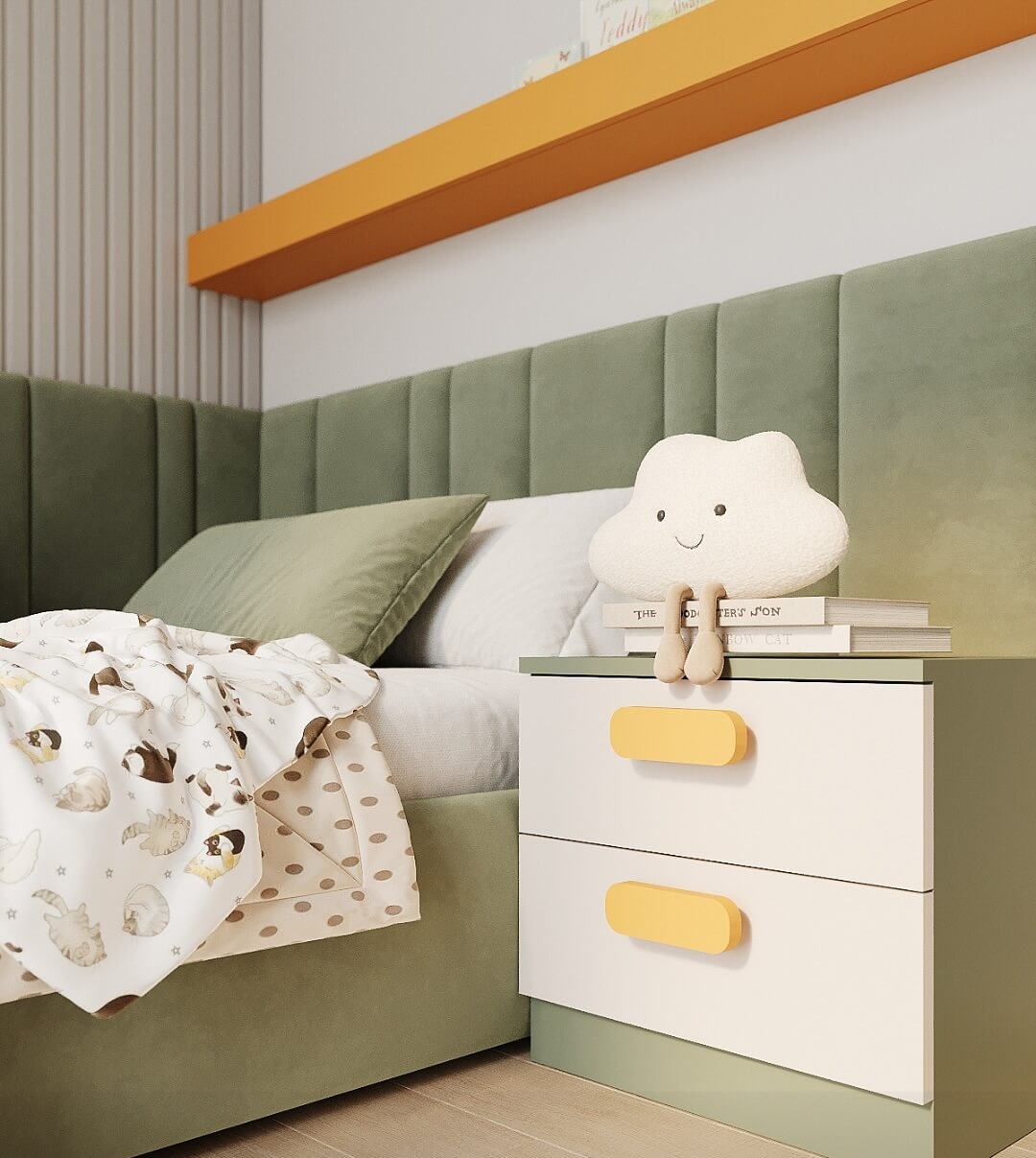
For little ones, a floor bed paired with low storage encourages safe freedom of movement and self-led routines. Place the mattress on a breathable slat base or low frame to prevent drafts and improve airflow. Nearby, include a child-height shelf with a few curated activities and a front-facing book ledge to invite calm choices. Add a low mirror and a dressing station—hooks for tomorrow’s outfit, a small hamper, and a stool by the closet—to build independence. Keep decor simple and soothing: natural wood, soft textiles, and a gentle color palette that doesn’t overstimulate before sleep. Safety matters: secure furniture to studs, use outlet covers, and choose a rug with a non-slip pad. The beauty of this setup is that it adapts—swap toys for art supplies over time, raise the mirror, and slide in a toddler table later. It’s a minimalist, developmentally friendly approach that also keeps the room easy to reset at the end of the day.
Under-Bed Storage That Actually Gets Used
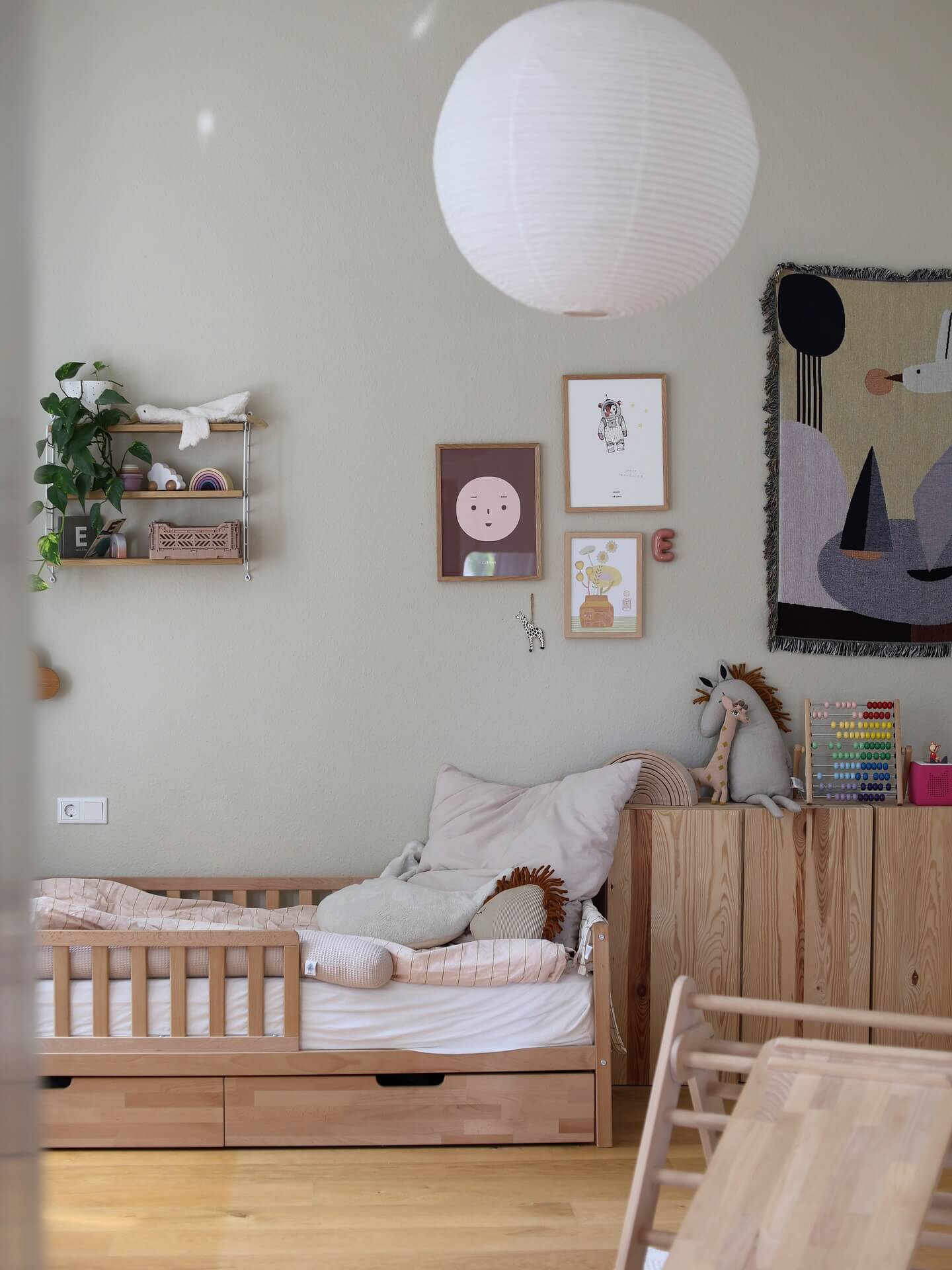
A kids’ room works best when every inch pulls weight, and the biggest opportunity is under the bed. Opt for a captain’s bed with built-in drawers or add low rolling bins that fully extend. Assign each drawer a job—off-season clothes, costumes, bulky bedding, or board games—and label with icons so kids can help. Use vacuum bags for seldom-used items, but keep daily-access drawers frictionless. If you’re in a small space, pair under-bed storage with a slim wardrobe and over-door hooks to replace a dresser entirely. Add bed risers only if they’re sturdy and don’t create an awkward climb; a neat bed skirt or fitted valance keeps it looking tailored. Measure the clearance before buying bins, and choose felt sliders to prevent floor scratches. The payoff is huge: fewer bulky furniture pieces, a bigger play footprint, and faster cleanups because “shove it under the bed” becomes an organized system, not a black hole.
A Work-Play Desk That Grows with Your Child
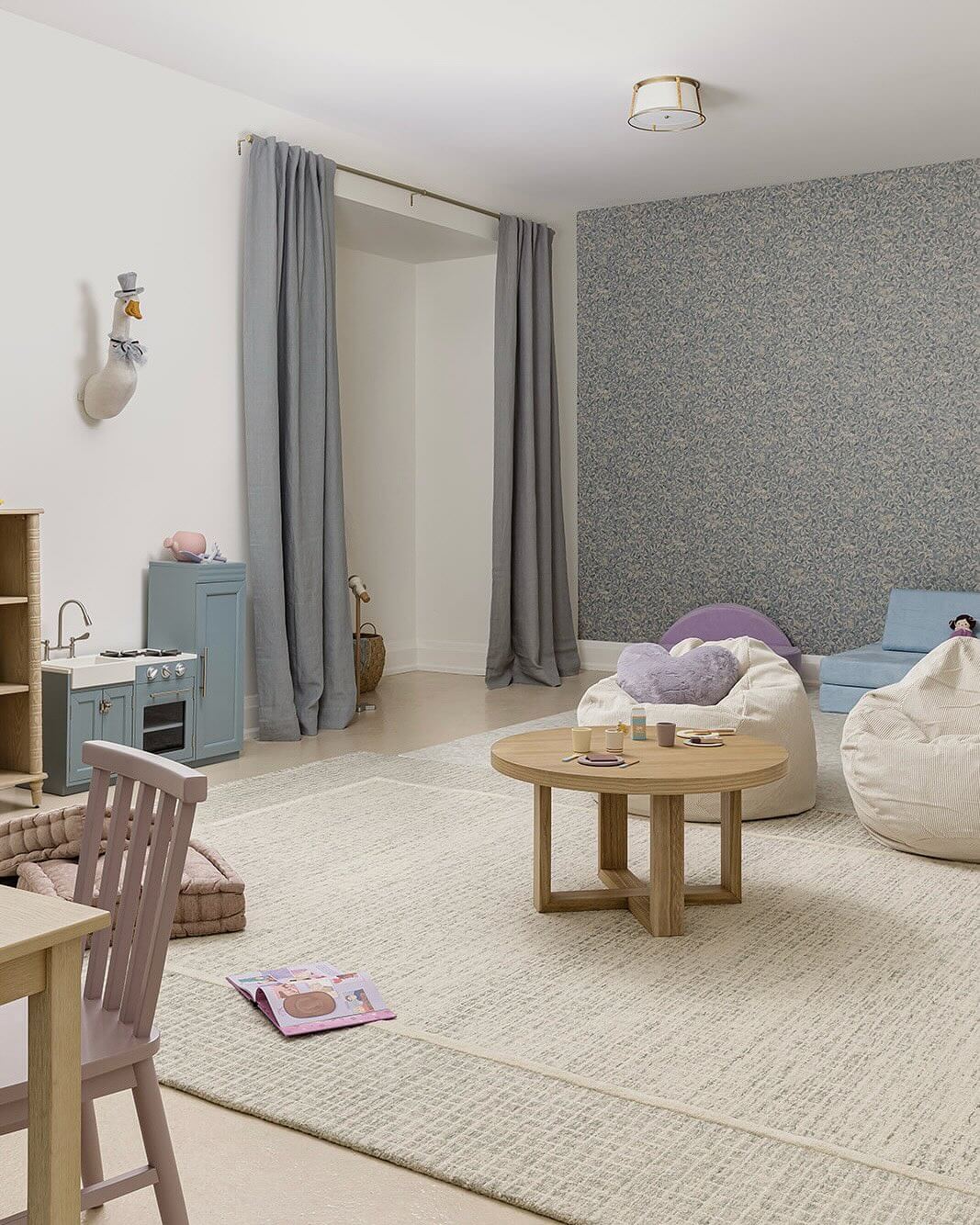
From finger paints to algebra, a well-planned desk zone adapts as interests change. Start with a compact, sturdy desk and a height-adjustable chair; add a pegboard or rail system above for cups, scissors, and headphones. Use a flip-top or drawer unit for quick clear-downs between crafts and homework. Corral paper in a magazine file and keep supplies minimal but high-quality—washable markers, stackable trays, and a caddy that can move to the dining table. Cable-manage a task lamp with a warm bulb and add a small surge-protected power strip for a tablet or lamp. Mount a cork strip or wire for art display so masterpieces can rotate without taping the walls. If siblings share, assign each a color-coded bin and time slots to reduce friction. The desk faces a wall for focus, but a bright print or growth chart ahead keeps it cheerful. This zone signals “purpose” within the bedroom, helping kids transition smoothly between play and study.
Better Sleep by Design: Layered Lighting and Shades
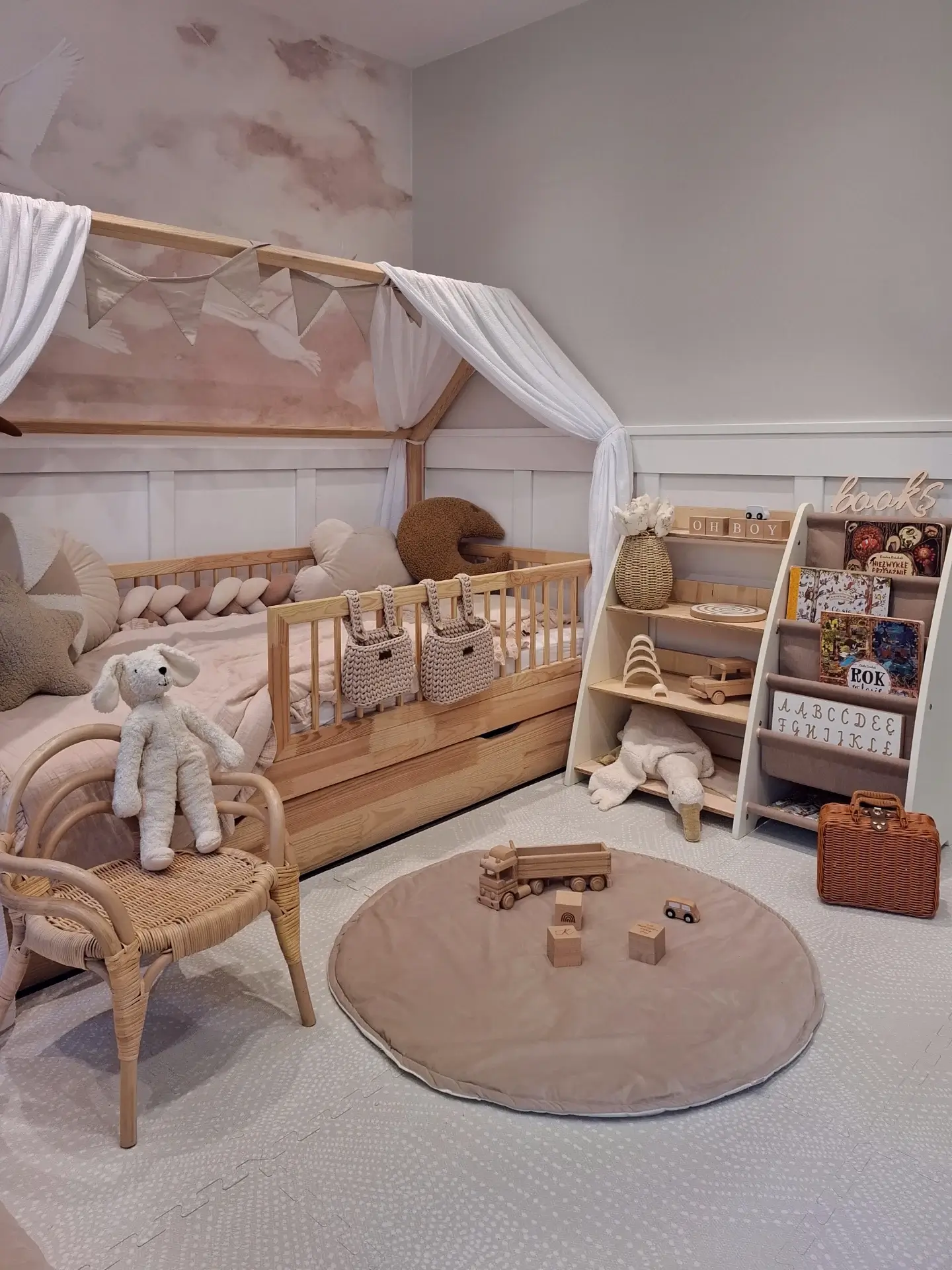
Great kids room ideas end with sleep. Layer lighting so the room can shift from energetic play to wind-down mode: overhead ambient light on a dimmer, a warm task lamp at the desk, and a low-glow nightlight for comfort. Choose 2700K bulbs in the evening; avoid bright blue-white light after dinner. Blackout roller shades paired with soft curtains block early sun and street lights while adding softness to the scheme. If bedtime battles are common, try a timer plug for the lamp and a sunrise alarm for gentle wake-ups. Keep switches and pull cords accessible to kids so they can control their environment safely. Consider motion-activated toe-kick lights for night trips without fully waking the room. The right lighting and window treatments make a tangible difference in sleep quality, which in turn keeps the space tidier and the routines smoother—because a well-rested child is your best design accessory.
Face-Out Library Wall Kids Can Self-Serve
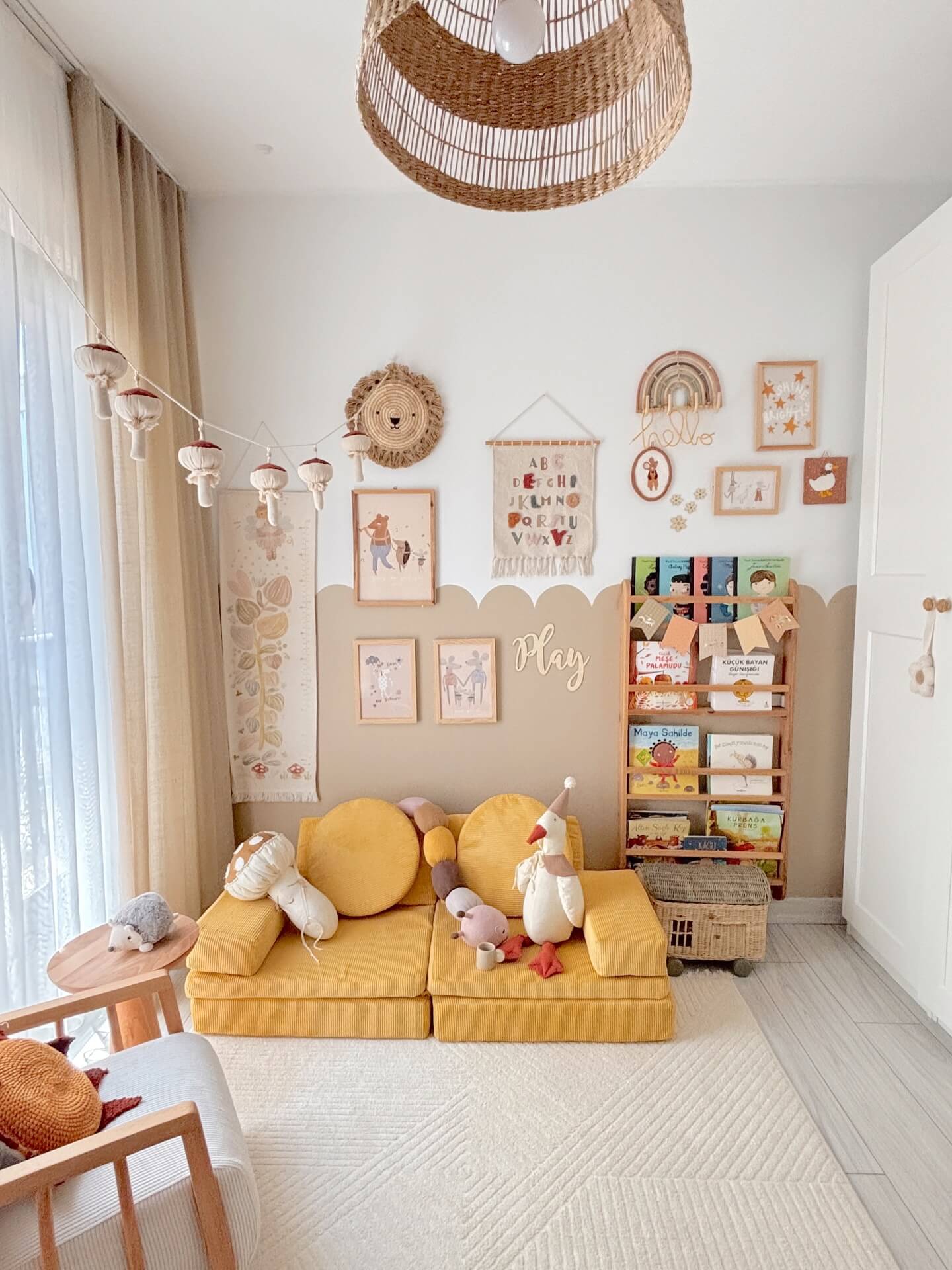
Turn book clutter into an irresistible invitation to read with a face-out library wall. Picture ledges or shallow shelves (3–4” deep) make covers the hero, so kids can spot favorites fast and reshelve without help. Mount the first ledge at toddler height, then stack additional rows 14–18” apart to “grow up” the wall as your child gets taller. Curate by theme—seasonal stories, nature, feelings—to support bedtime routines and school topics, and rotate monthly to keep interest high without buying more. For small spaces, run a single, continuous ledge around the room like a gallery rail; it visually lightens the wall while doubling as décor. Anchor into studs, add end caps to prevent slides, and keep a low basket for current reads near the floor bed or reading nook. This simple storage upgrade pairs beautifully with color-blocked walls or a peel-and-stick mural, and it’s one of those kids room ideas that pays you back daily: more independent reading, fewer piles, and a calmer-looking space.
A Canopy Play Corner That Calms and Inspires
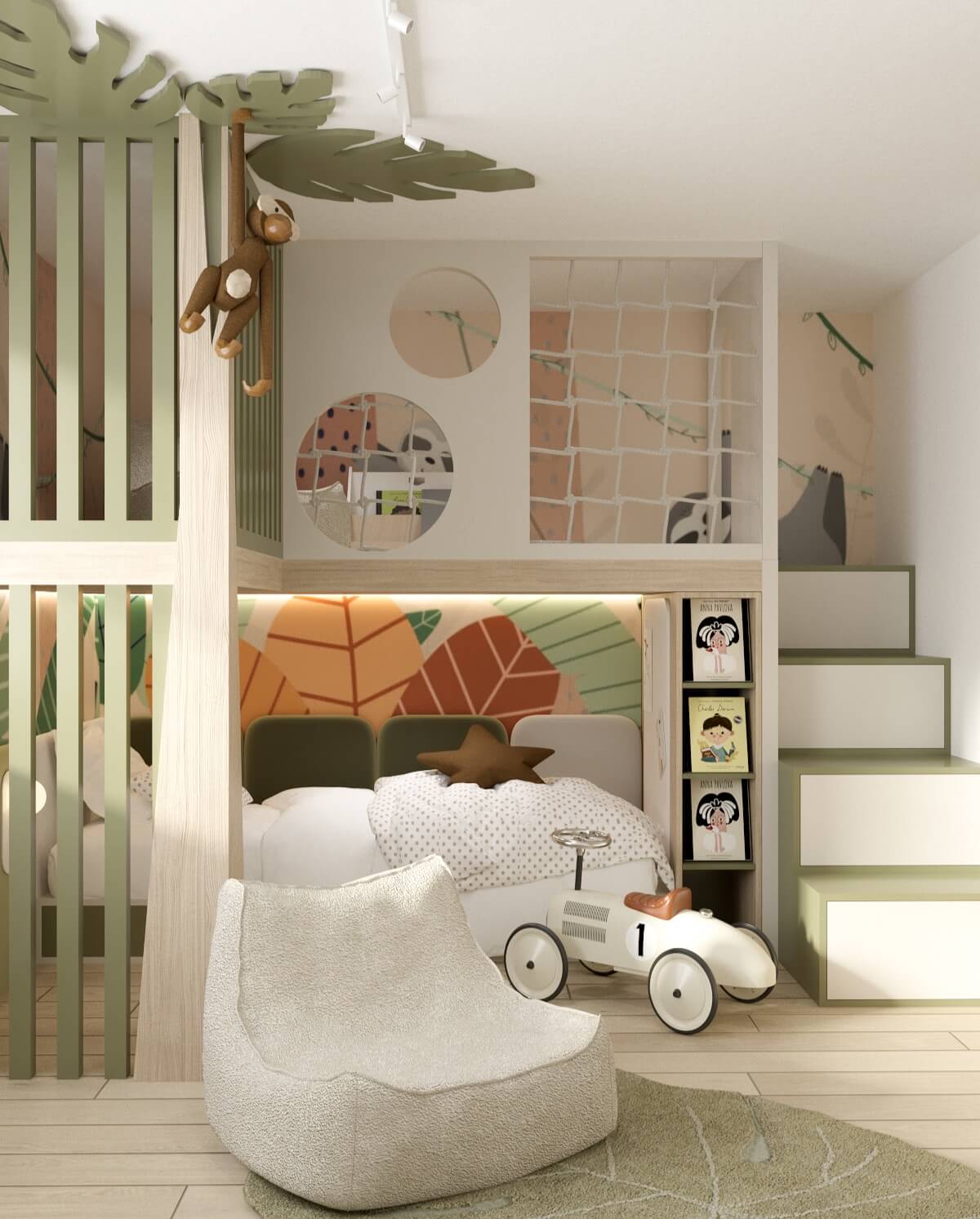
A canopy instantly turns an overlooked corner into the most-loved spot in the room—part fort, part quiet zone. Choose a breathable, washable fabric in a solid or subtle pattern that plays nicely with your existing palette. Layer in a floor cushion, a few toss pillows, and a low basket for puppets or soft toys to keep stimulation gentle. Add a battery-operated lantern or fairy lights on a timer for cozy, bedtime-friendly glow—great alongside layered lighting and blackout shades. To keep it renter-friendly, hang the canopy from a heavy-duty adhesive hook or a tension pole; just confirm ceiling clearances and avoid fans. Sensory-sensitive kids benefit from the “contained” feel, while imaginative play thrives with simple props (a play silks set, a felt crown). Edit weekly so the nook stays special, not stuffed. When your child outgrows pretend play, swap the canopy for a sheer drape and a teen-friendly lounge cushion; the bones of the corner still work, proving décor that grows is a smart investment.
Kid-Height Wardrobe Stations for Effortless Mornings
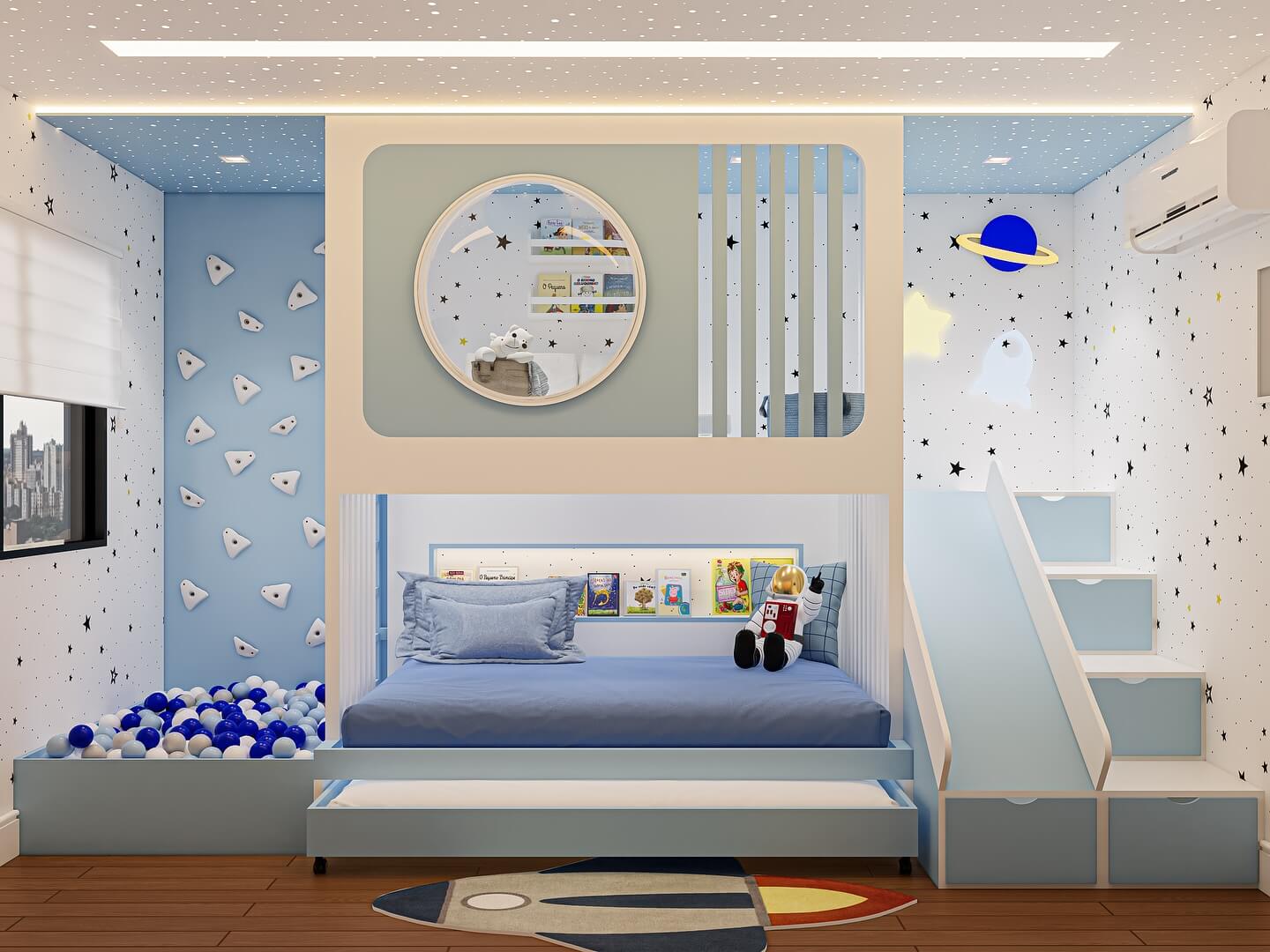
Turn the closet into an independence zone by lowering access. Install a second rod at 36–42 inches so kids can reach outfits; reserve the upper rod for next sizes and off-season clothes. Use days-of-the-week bins or dividers to pre-plan outfits on Sundays, and add a mirror at child height to cut down on “Does this fit?” moments. Hooks at 34–44 inches handle PJs, backpacks, and tomorrow’s clothes, while shallow drawer organizers corral socks and undies. A small hamper inside the closet simplifies cleanup, and motion-sensor puck lights make everything visible. Keep only what fits the current season—capsule-style—to reduce decision fatigue and laundry overflow. Safety first: secure dressers with anti-tip kits and choose soft-close hardware to protect little fingers. This is one of the easiest kids room ideas to pair with toy rotation—you’re building the habit of “a place for everything” across zones, which makes shared rooms smoother and tidying fast.
Indoor Climbing Wall + Crash Mat for Big-Motor Play
Bring playground energy indoors—safely. A mini climbing wall, Swedish ladder, or combo of wall bars and rings channels wiggles into healthy movement, especially during rainy seasons. Mount 3/4” plywood into studs, then add kids’ holds in varied shapes and colors. Keep the start low, add clear fall zones, and place a 2–4” thick crash mat beneath. Set rules (one climber at a time, bare feet) and position the wall away from windows or doors. For renters, freestanding frames or doorway bars with removable hardware deliver similar benefits without major holes. Balance the “active” zone with a calming counterpoint—a reading nook or canopy corner—so kids learn to regulate energy. Rotate holds every few months to match skill growth, just as you rotate toys. Beyond fun, this setup supports sensory needs and core strength, making bedtime easier and desk time more focused. Style-wise, natural wood bars blend with a nature-neutral palette, while colorful holds echo playful textiles for cohesive design.
Nature-Neutral Palette That Grows From Nursery to Tween
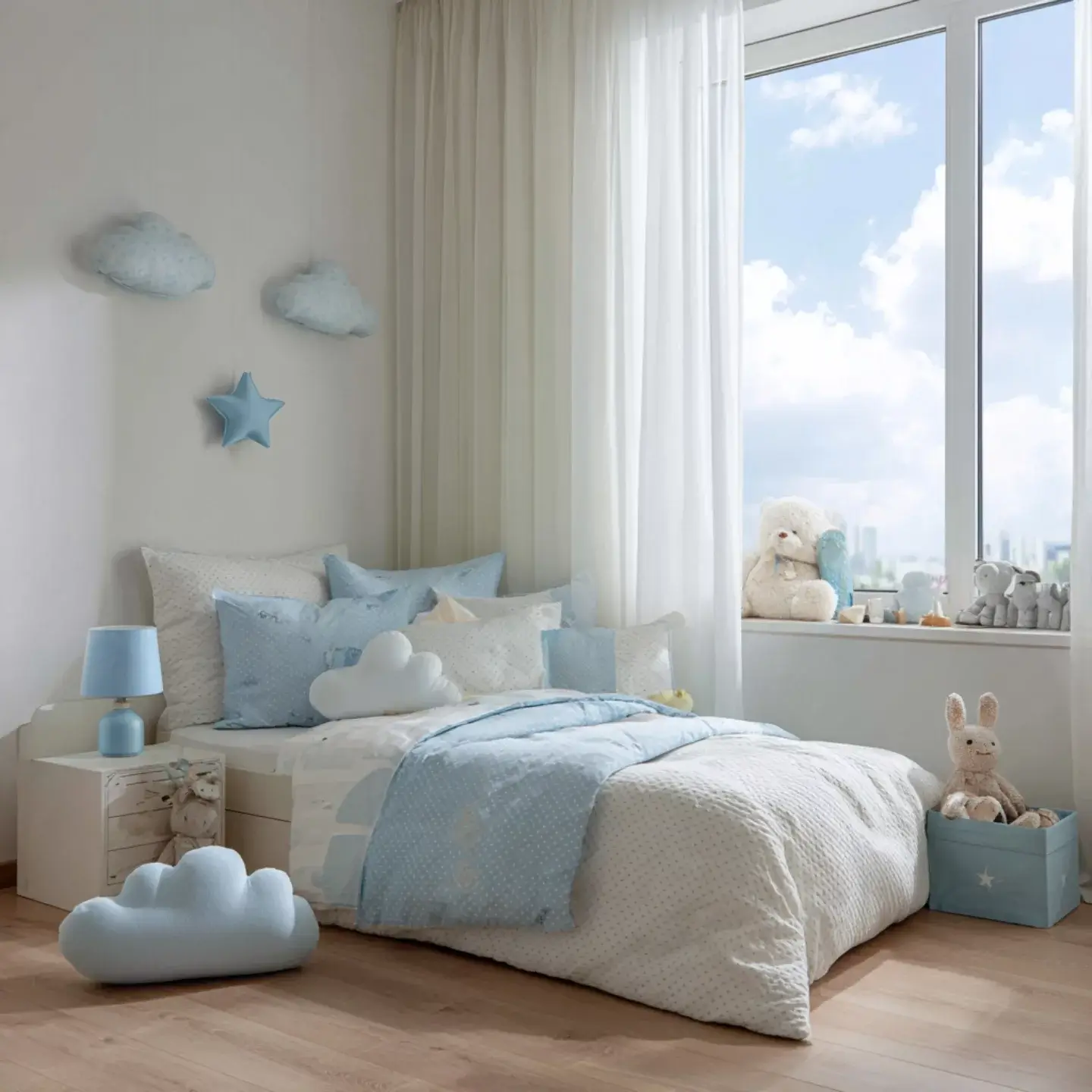
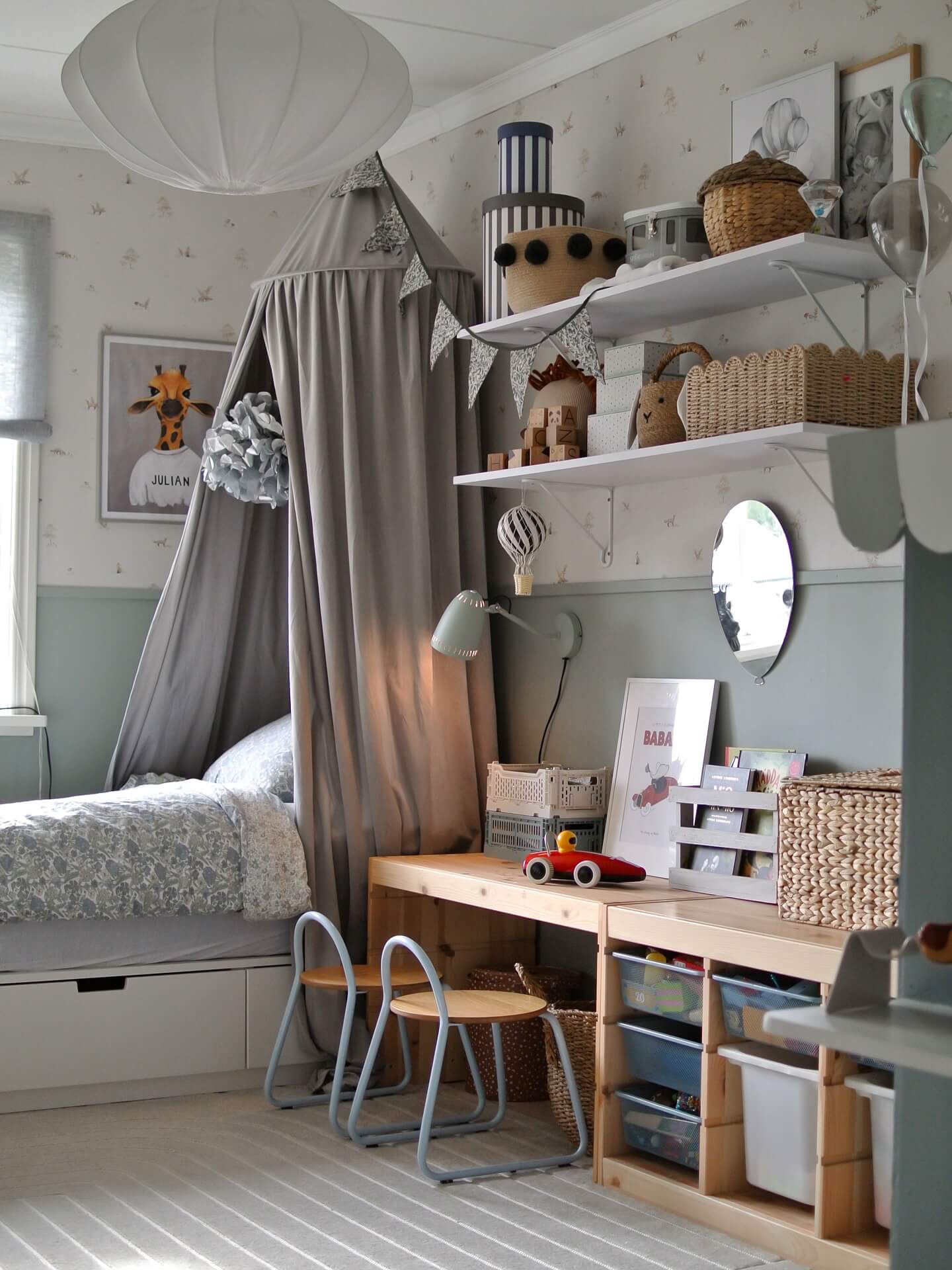
When you anchor a kids’ room in nature neutrals—think mossy green, oat, clay, and warm wood—you get a space that feels calm now and still works years from now. Start with mineral-inspired paint on the lower wall, keep the upper wall light, and let texture do the talking: woven shades, a jute or wool-look washable rug, linen bedding, and rattan baskets. Add life with botanical prints, animal sketches, or a peel-and-stick mural that nods to the outdoors without locking you into a theme. Color is easy to swap in with quilts, pillows, and art; when interests change from dinosaurs to space, a couple of textiles refresh the whole room. This palette also photographs beautifully—handy for memory books and resales—and it pairs naturally with Montessori elements like a floor bed and low shelves. The result is a grounded, sensory-friendly environment that supports sleep, focus, and play while keeping your future redesigns simple and budget-friendly.
Art Wall + Rolling Craft Cart (Create, Display, Repeat)
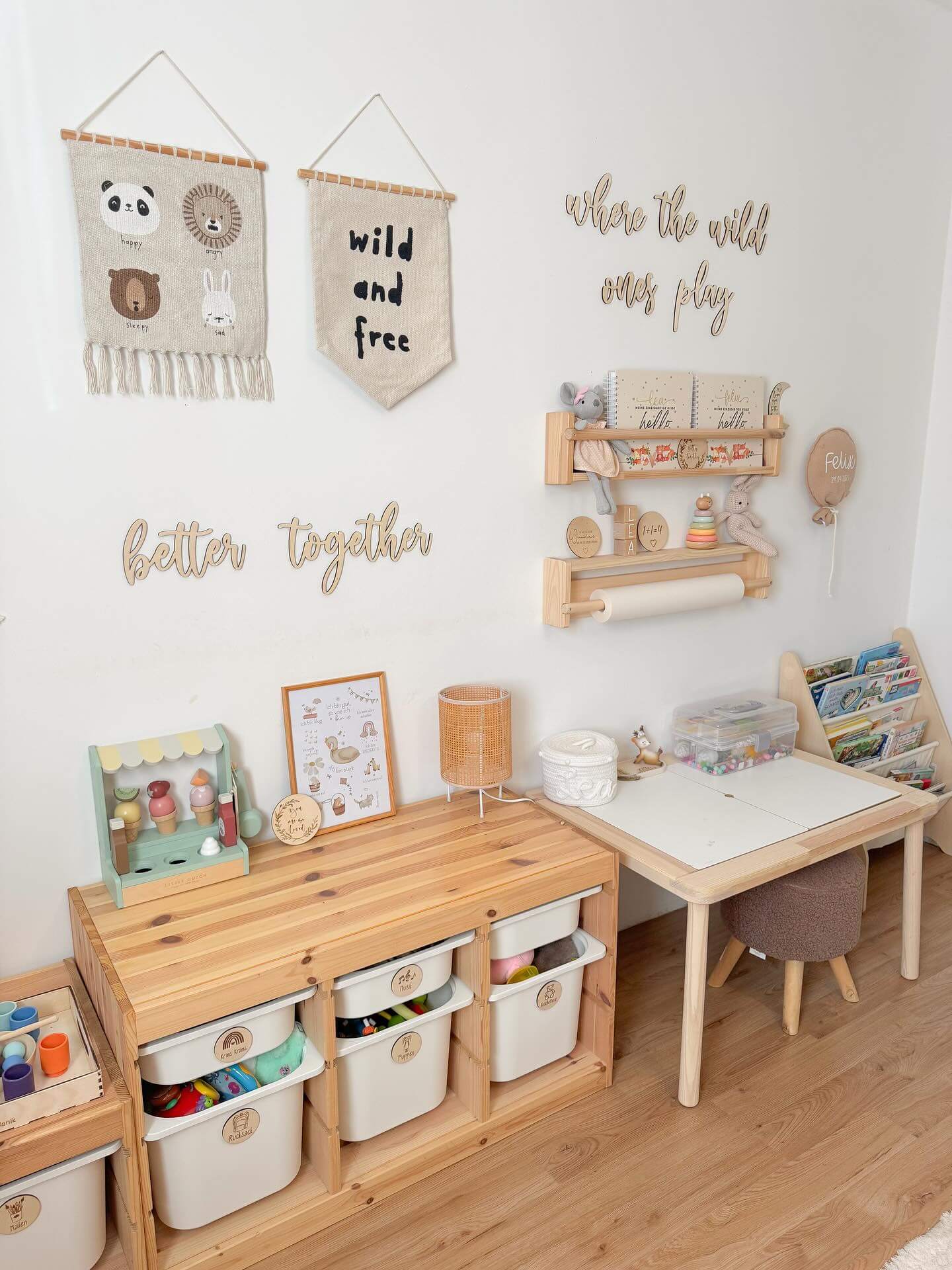
Build a creativity loop: make art, display it proudly, then store supplies where kids can reach. A magnetic rail, wire with clips, or slim front-opening frames turns the wall into a rotating gallery—no tape, no torn paper. Place it above a small table or fold-down desk to save floor space. Park a three-tier rolling cart beside it and zone by shelf: drawing tools on top, paints and glue middle, paper and stickers bottom. Clear bins and picture labels keep cleanup kid-led. Protect floors with a wipeable mat, and choose washable, water-based supplies. When crafting time ends, roll the cart into a closet or under a loft bed to reset the room fast. Bonus: this setup supports school projects and birthday card making without taking over the dining table. It complements your work-play desk and toy rotation strategy, proving that the right kids room ideas can nurture creativity and still look tidy by bedtime.
Window Seat Storage That Doubles as a Homework Perch
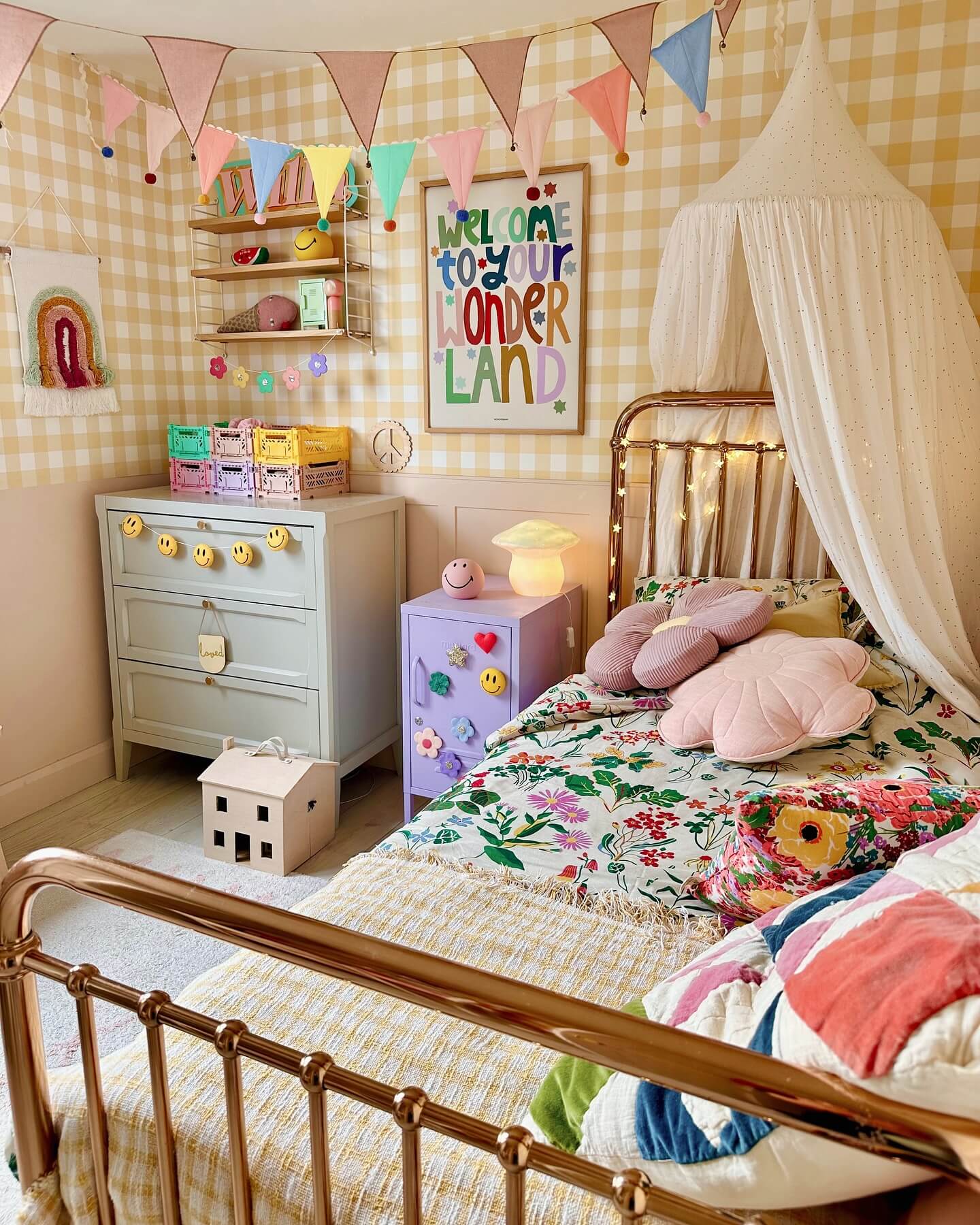
A built-in-looking window seat adds seating, storage, and a sunny study spot in one footprint. Use two or three base cabinets or drawer units, top with a plywood slab and foam cushion, and you’ve created deep storage for LEGO, blocks, or dress-up while carving out a cozy perch. Aim for an 18–20” seat height and 18–22” depth for comfy lounging. If the room is small, drawers are easier for kids to access than hinged lids; add soft-close slides and finger pulls. Overhead, layer cordless shades or Roman blinds with blackout liners to support better sleep and screen-time glare control. A plug-in sconce or gooseneck lamp makes reading effortless, and a slim lap desk transforms the nook into a homework station. Keep a small caddy with pencils and headphones nearby for grab-and-go focus. This upgrade plays nicely with color-blocked walls and a neutral palette, giving you designer impact without custom millwork pricing.
Zone the Room with Washable Rugs and Play Mats
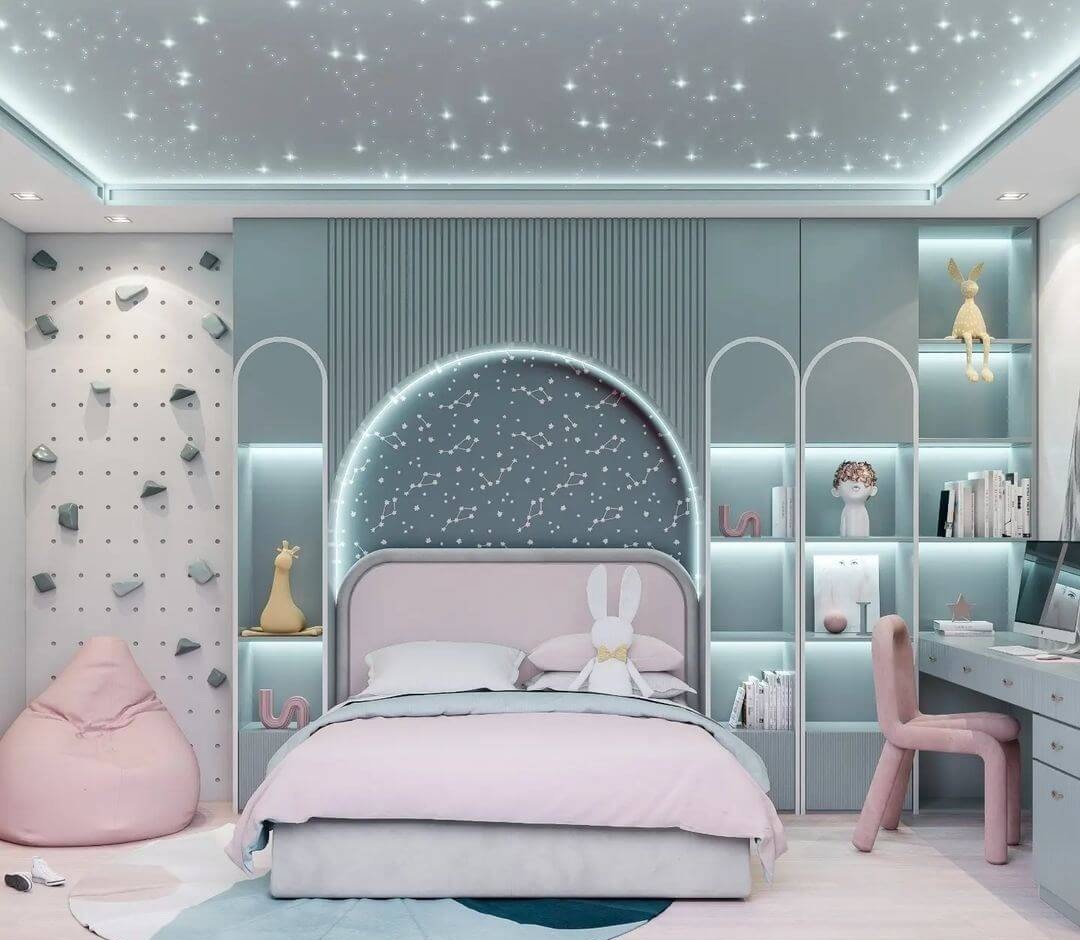
Rugs do more than warm up a floor—they organize the day. A low-pile, washable rug defines the play zone (think blocks and pretend), while a smaller woven mat anchors the reading nook or floor bed. Choose patterns that disguise crumbs and glitter, and size up so toys don’t spill onto pathways. For shared rooms, twin runners at each bedside make mornings warmer underfoot and subtly claim personal space. Layer a foam play mat under a table for crafts that go rogue with paint, then stash it behind a bookcase when not in use. Rug pads are a must for safety and sound dampening in apartments. Color-wise, echo your palette—nature neutrals with a pop—to pull the room together visually. When messes happen (they will), toss washable rugs into the machine and line-dry to extend life. This simple zoning strategy supports independent play, easier tidying, and a calmer-looking kids’ room without adding furniture.
Sleepover-Ready Trundle Bed Without Sacrificing Space
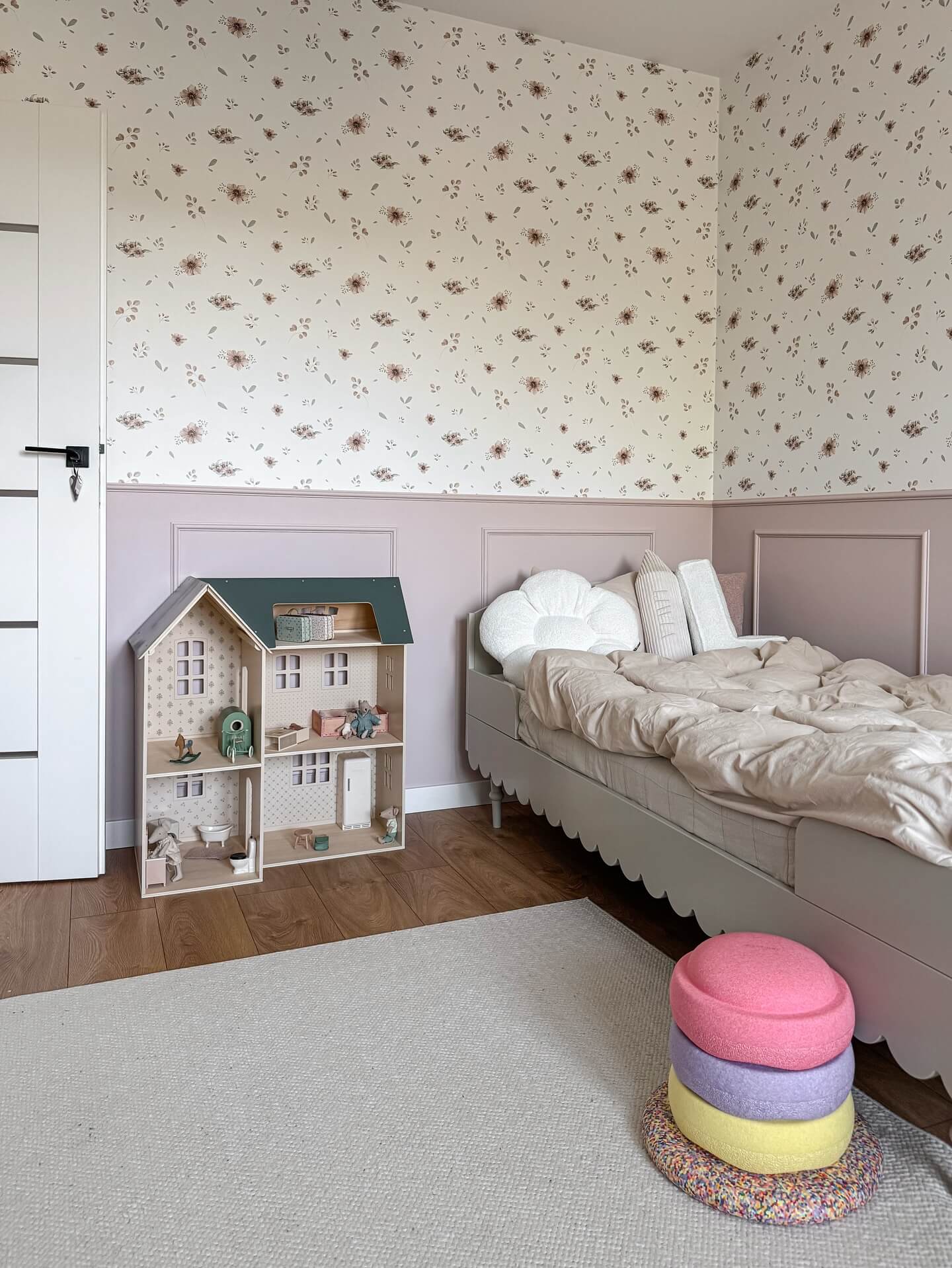
If your child loves sleepovers—or you need a flexible guest solution—a trundle bed is the space-savvy answer. Choose a platform bed with a pull-out trundle on casters; it parks neatly under the main bed by day, then rolls out for night. In small rooms, a pop-up trundle that rises to the same height creates a king-size surface for snuggly reading or sick days. No guests? Use the trundle cavity for under-bed bins that actually get used: sheets, costumes, or bulky toys. Keep clearance around the foot of the bed so the trundle opens fully, and opt for breathable, low-profile mattresses (6–8”) to ensure a smooth glide. Add a slim wall sconce and a shared book basket so both sleepers have light and reach storage. In a shared kids’ room, trundles prevent the feeling of “wall-to-wall beds,” preserving play space while future-proofing for cousins and friends.
Pegboard Wall: Modular Storage for Small Toys and Dress-Up
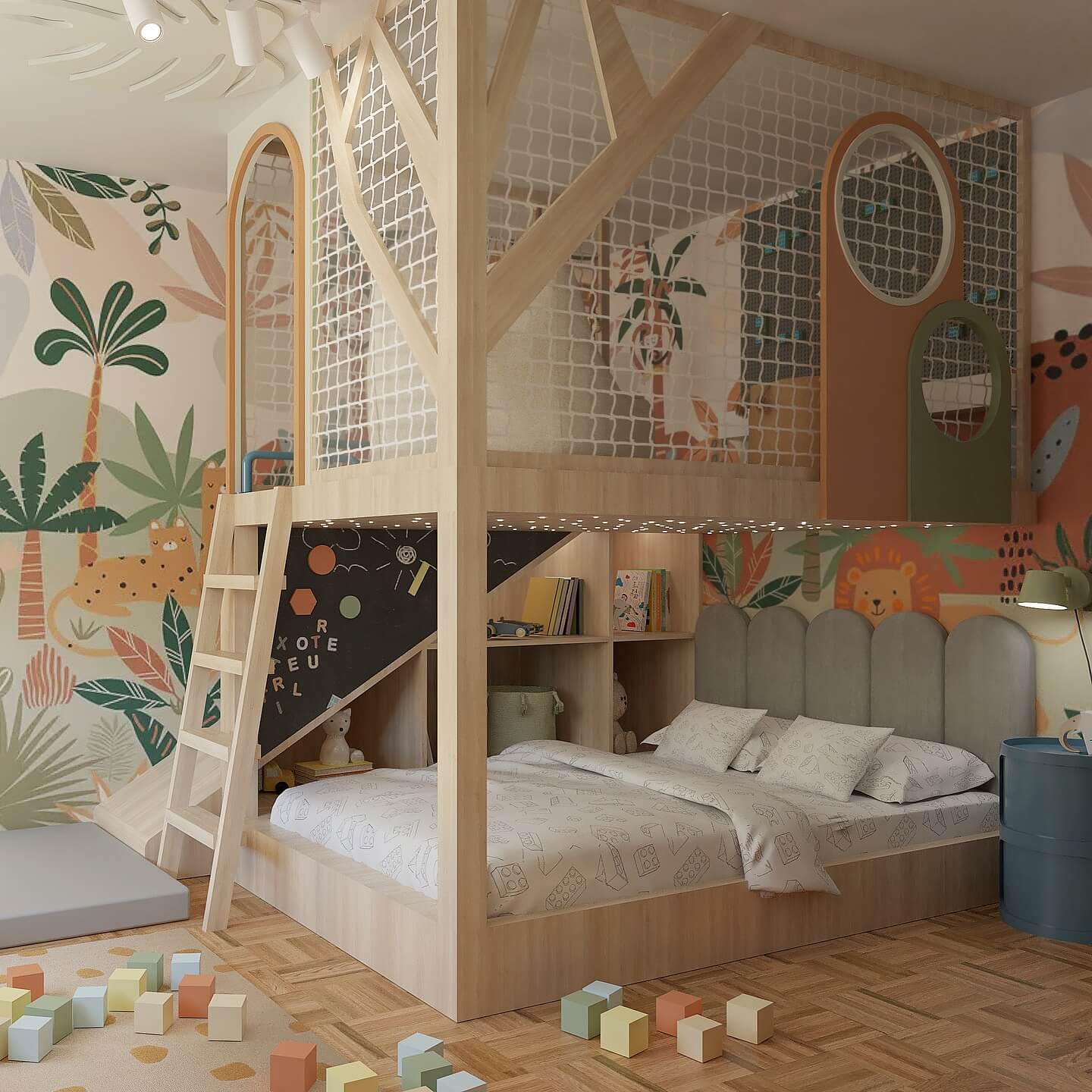
A pegboard turns vertical space into a flexible command center. Mount a painted plywood panel with 3/4” spacers so hooks can lock in, then mix shallow shelves, baskets, and pegs to hold everything from doll accessories to car collections, headphones, and costumes. Place baskets at kid height, reserve higher spots for glue or bead kits, and use wide hooks for hats and capes to encourage dress-up independence. The beauty is modularity: as interests change, you rearrange—no new furniture needed. Label baskets with icons, and color-coordinate bins with your room palette for visual calm. For renters, mount smaller pegboards in a grid to spread weight into multiple anchors. Pair this wall with a craft cart or desk to keep projects off the floor, and let the display double as décor. It’s one of the most hardworking kids room ideas for tiny rooms, making tidying intuitive and keeping little treasures in plain sight (and out from underfoot).
Removable Wallpaper + Decals for Instant Personality (No-Commitment Style)
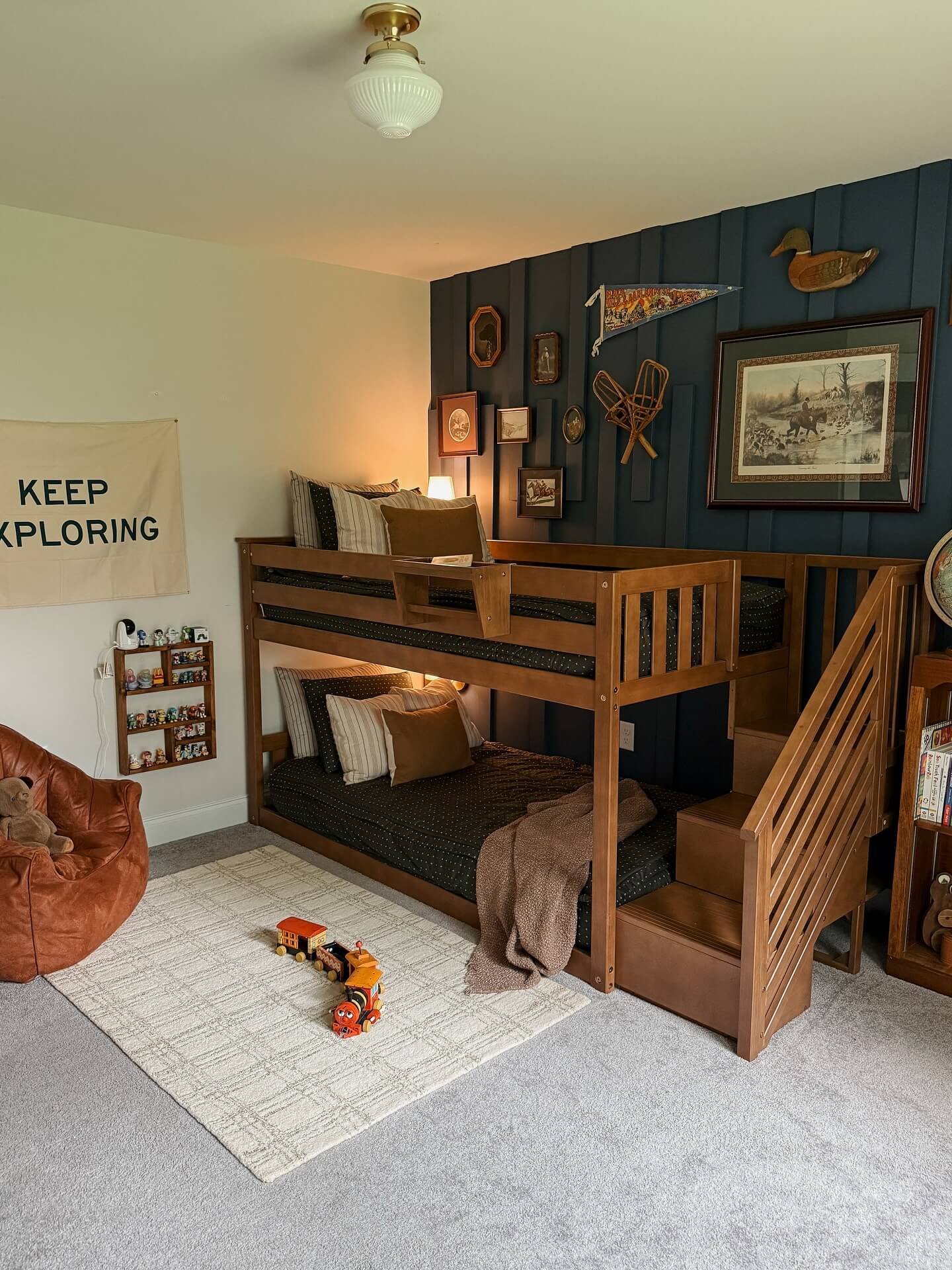
If you want big impact without paint cans or permanence, removable wallpaper and wall decals are a game-changing kids room idea. Use peel-and-stick patterns to define zones—stars above a reading nook, stripes behind a study desk, or a gentle mural framing the bed—so the room feels intentional and easy to navigate. In small spaces, keep the accent to one wall or half-height to avoid visual clutter and leave room for art rails, book ledges, or a pegboard.
Think scale and color: large motifs energize a play corner, while micro prints calm a sleep zone. Choose wipeable, non-toxic materials and coordinate the palette with baskets, bedding, and rugs so storage looks styled, not random. For renters, decals double as “headboards,” closet door makeovers, or ceiling surprises that draw the eye up to make the room feel bigger. Installation is weekend-simple: order samples first, prep smooth walls, and run patterns vertically to visually raise the ceiling.
Best of all, this approach grows with your child. Swap dinosaurs for geometrics, or rainbows for neutrals, without redoing the entire room. Pair with layered lighting and labeled bins to keep the space both magical and manageable.
Themed Kids Room Ideas with Color Palettes, Decor, and Storage
Nature Adventure Theme: Earthy greens, sky blues, and warm wood create a biophilic base; add a tree decal, rope shelf, and leaf-pattern bedding, then store nature kits in labeled stackable totes.
Stellar Space Explorer Theme: Deep navy walls, constellation decals, and a galaxy rug ground the look; integrate glow-in-the-dark stars, a rocket bookshelf, and underbed bins for telescopes, craft supplies, and models.
Creative Art Studio Theme: Washable paint, magnetic boards, and a roll of kraft paper invite creativity; categorize materials in clear caddies, mount a drying wire, and protect floors with low-pile, stain-resistant tiles.
Team Sports Fan Theme: Keep permanence low with pennants, removable decals, and bedding in team colors; hide balls in mesh hampers, display trophies on floating shelves, and park scooters under a bench.
Themed rooms should feel cohesive yet flexible as interests evolve. Start with a neutral base for walls and larger furniture, then layer themed textiles, art, and small decor that can swap easily. Select a two- or three-color palette to avoid overstimulation while preserving energy and fun. Materials matter: prioritize washable duvet covers, removable wallpaper, and shatter-resistant frames to withstand daily use. Tie storage to the theme by matching bin labels and colors so cleanup feels like part of the story. Keep focal points at kid height to encourage engagement and independent maintenance.
Lighting completes the theme and improves function across activities. Use a dimmable ceiling fixture for ambient glow, warm bedside lamps for reading, and directional task lights over desks or craft zones. Anchor the narrative with a signature rug that defines play areas and muffles sound. Rotate wall art seasonally using clip rails to keep the room fresh without repainting. Safety stays paramount: secure heavy decor, conceal cords, and pick flame-retardant textiles where appropriate. As interests shift, swap accessories first, then repaint an accent wall if needed to refresh the whole space economically.
Smart Answers for Real-Life Kids Room Plans
How do I choose the right bed size for a small kids room?
Measure the footprint and door swing, then map clear walkways before choosing. Twin or loft beds typically maximize usable space, while trundles add sleepover flexibility without permanent bulk.
What paint finishes work best in kids rooms?
Choose washable matte or eggshell for walls to hide imperfections and allow easy scrubbing. Semi-gloss on trim and doors resists scuffs and reflects light, keeping the room brighter and cleaner.
How can I design a space that grows from toddler to tween?
Invest in neutral, durable furniture and anchor storage that adapts, then change textiles, decals, and art as interests evolve. Keep themes in accessories, not permanent fixtures, for affordable refreshes.
What are budget-friendly ways to refresh without a full makeover?
Swap bedding, curtains, and rug to reset color and mood instantly. Add removable wallpaper to one wall, update hardware, and re-label bins to improve organization and perceived spaciousness.
Final Verdict: Bringing Style, Storage, and Play into One Kid-Friendly Plan
The most successful kids room ideas weave imagination, function, and routine into one cohesive space. Zone the room with color-blocked paint and washable rugs, then layer lighting for wind-down and play. Choose renter-friendly personality—peel-and-stick murals, decals, and canopy corners—so you can refresh as they grow. Prioritize modular storage that kids can manage themselves: under-bed drawers, a pegboard wall, toy cubbies with picture labels, and a face-out library next to a cozy reading nook. Keep safety at the core with anchored furniture, soft landings under climbing features, and cordless window treatments.
Turn inspiration into action with a simple plan: map the floor, mark sleep/study/play zones, and invest in two or three anchor pieces like a lofted bed, a work-play desk, or a trundle for sleepovers. Layer in flexible organizers, rotate toys monthly, and edit displays so the room stays calm yet creative. Lean on neutrals with a few joyful color pops, add texture for warmth, and invite your child to co-create small choices. Start small—tackle one upgrade this weekend—and let the room evolve, beautifully and practically, from nursery days to the tween years.
