
Luxury Kitchen Ideas for a High-End Look

Luxury isn’t just about marble and a price tag—it’s about craftsmanship, proportion, and a kitchen that feels as good as it functions. From showstopping slab backsplashes to whisper-quiet, panel‑ready appliances, the most elevated spaces blend form and function with ease.
In this guide, we’ll explore designer-approved ideas that instantly upscale your cookspace: natural stone and fine woods, layered lighting, bespoke cabinetry, mixed metals, and couture details like fluting, reeded glass, and waterfall islands. You’ll also find smart integrations—from steam ovens to invisible sockets—that keep the look clean and considered.
Whether you’re planning a full gut renovation or a strategic refresh, these luxury kitchen ideas will help you create a timeless, high-performance hub. Expect practical tips, on-trend palettes, and layout moves that maximize flow—so your kitchen looks editorial, cooks beautifully, and ages gracefully.
Luxury Kitchen Ideas for High-End Materials and Bespoke Cabinetry
Elevate every surface with high-end materials that combine visual drama and lasting performance. Calacatta marble, quartzite, and large-format porcelain slabs create seamless expanses with fewer grout lines and luxurious movement. Specify thin, mitered edges for waterfall islands to achieve sculptural lines that feel bespoke. Pair stone with rift-sawn oak or walnut cabinetry to balance warmth against polished or honed finishes. Finish with hand-applied stains or lacquer for depth, then coordinate hardware in brushed brass, burnished nickel, or matte-black for tailored cohesion.
Premium Materials That Elevate Every Surface
- Calacatta Marble: Veined slabs deliver timeless drama, withstand high heat with proper sealing, and reflect light beautifully, amplifying space while pairing effortlessly with brass, nickel, or matte-black fixtures.
- Quartzite Countertops: Harder than marble, quartzite resists etching, offers tactile movement, and pairs with dark-stained oak or walnut to create sophisticated contrast without sacrificing everyday durability.
- Bespoke Cabinet Finishes: Hand-rubbed oak, rift-sawn walnut, or lacquered paint deliver depth, grain clarity, and luster, elevating millwork while complementing stone veining and premium metal hardware.
Bespoke Cabinetry and Storage Innovations
- Appliance Garages: Conceal espresso machines, toasters, and mixers behind lift-up doors, preserving pristine lines while providing quick access, integrated outlets, and ventilation to keep surfaces clear.
- Pull-Out Pantries: Full-height pull-outs with adjustable shelves, spice racks, and soft-close runners maximize vertical storage, improve sightlines, and ensure staples are reachable without rummaging through deep cabinets.
- Custom Drawer Systems: Knife blocks, peg organizers, and tiered inserts fit cookware precisely, reducing clutter and noise while accelerating prep, protecting edges, and preserving luxury finishes over time.
Attention to detail determines whether a kitchen looks expensive or truly lives like one. Choose full-height door styles with minimal reveals, continuous grain-matching across panels, and integrated toe kicks that make cabinets feel furniture-grade. Consider protective treatments such as antimicrobial sealers and ceramic coatings to reduce staining and simplify care. Balance reflective and matte textures so lighting reads soft, not clinical, especially across stone, metal, and lacquer. Keep color palettes disciplined—creamy whites, earthy taupes, and inky charcoals—allowing natural materials and craftsmanship to take center stage.
Bookmatched Slab Backsplash With a Slim Ledge
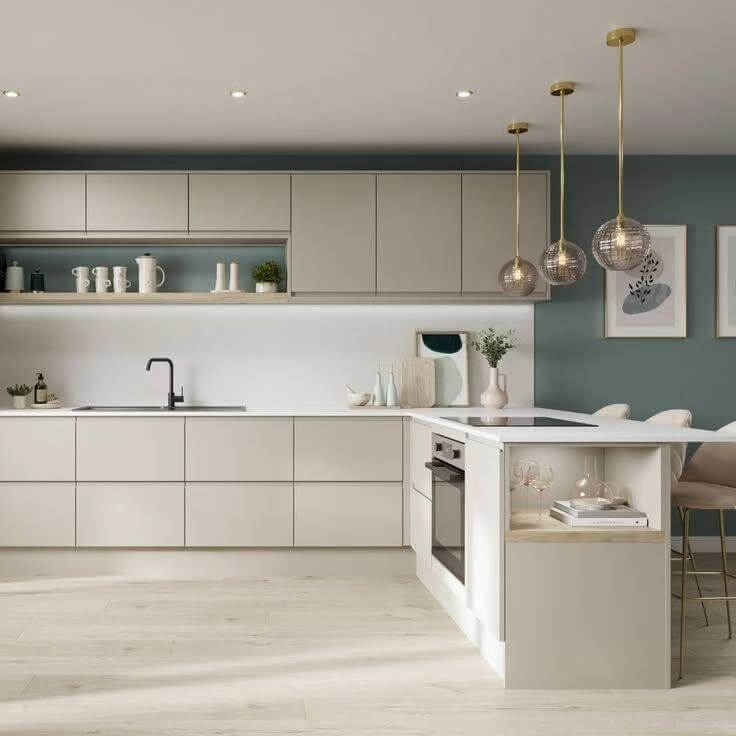
Nothing telegraphs luxury faster than a sweeping, vein-matched slab climbing the wall behind your range or sink. A bookmatched marble or quartzite backsplash eliminates grout lines, creates visual calm, and turns natural stone into art. Add a 2–3 inch integrated stone ledge and you gain elegant utility: a perch for salt cellars, oil decanters, and a discreet linear LED to graze the veining at night. Keep uppers minimal to let the slab breathe, and route power under the ledge or in a hidden strip so outlets don’t interrupt the pattern. For a couture finish, align the stone’s veining with your island waterfall and choose a low-sheen honed or leathered finish that’s soft under light. Budget-savvy? Consider a porcelain large-format lookalike with mitered corners; you’ll still get the gallery effect with easier maintenance. Pair this move with panel‑ready refrigeration and streamlined hardware to keep the focus on the stone’s drama—an editorial backdrop that also wipes clean in seconds.
Seamless, Panel‑Ready Appliances and Concealed Larders
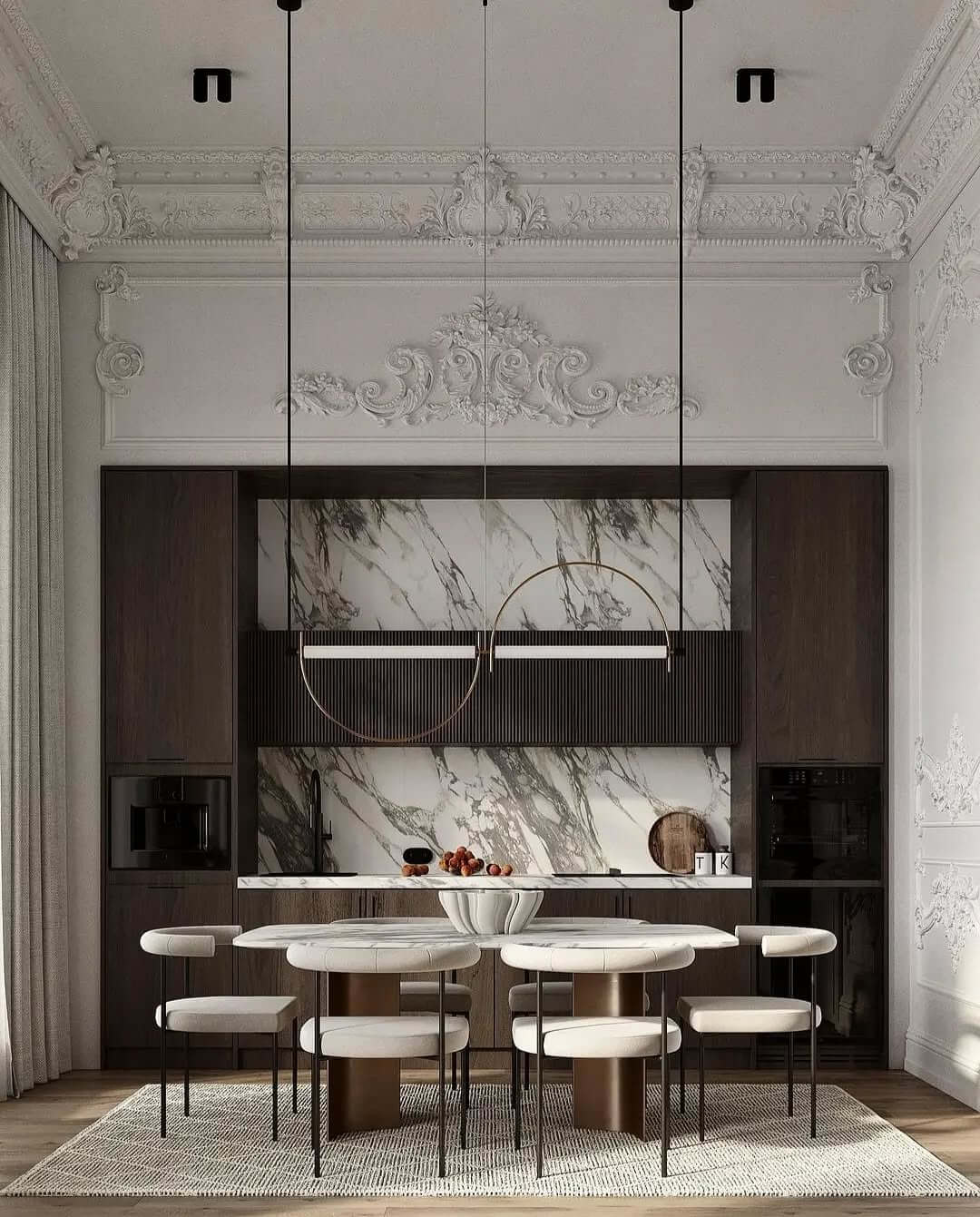
A high-end kitchen looks quiet because the workhorses disappear. Panel‑ready refrigeration, dishwashers, and even icemakers vanish behind custom millwork so your eye reads warm wood and refined lines, not logos. Balance the composition with a tall larder zone: full-height cabinets with pocket or bifold doors hide countertop “appliance garages” for mixers, toasters, and espresso gear. Specify outlets and task lighting inside, plus ventilation cutouts to keep heat in check. Opt for touch‑latch or integrated pulls and consistent reveal lines for couture precision. Inside drawers, add dividers for cutlery, spices, and knife blocks to reduce countertop clutter. The result is luxury that feels effortless—storage at your fingertips, with a calm, gallery-like façade. For flow, anchor the tall run on the wall opposite your island; it creates a functional backdrop while the island takes center stage. Bonus: symmetry on the outside, serious capacity on the inside.
A Waterfall Island as Working Sculpture
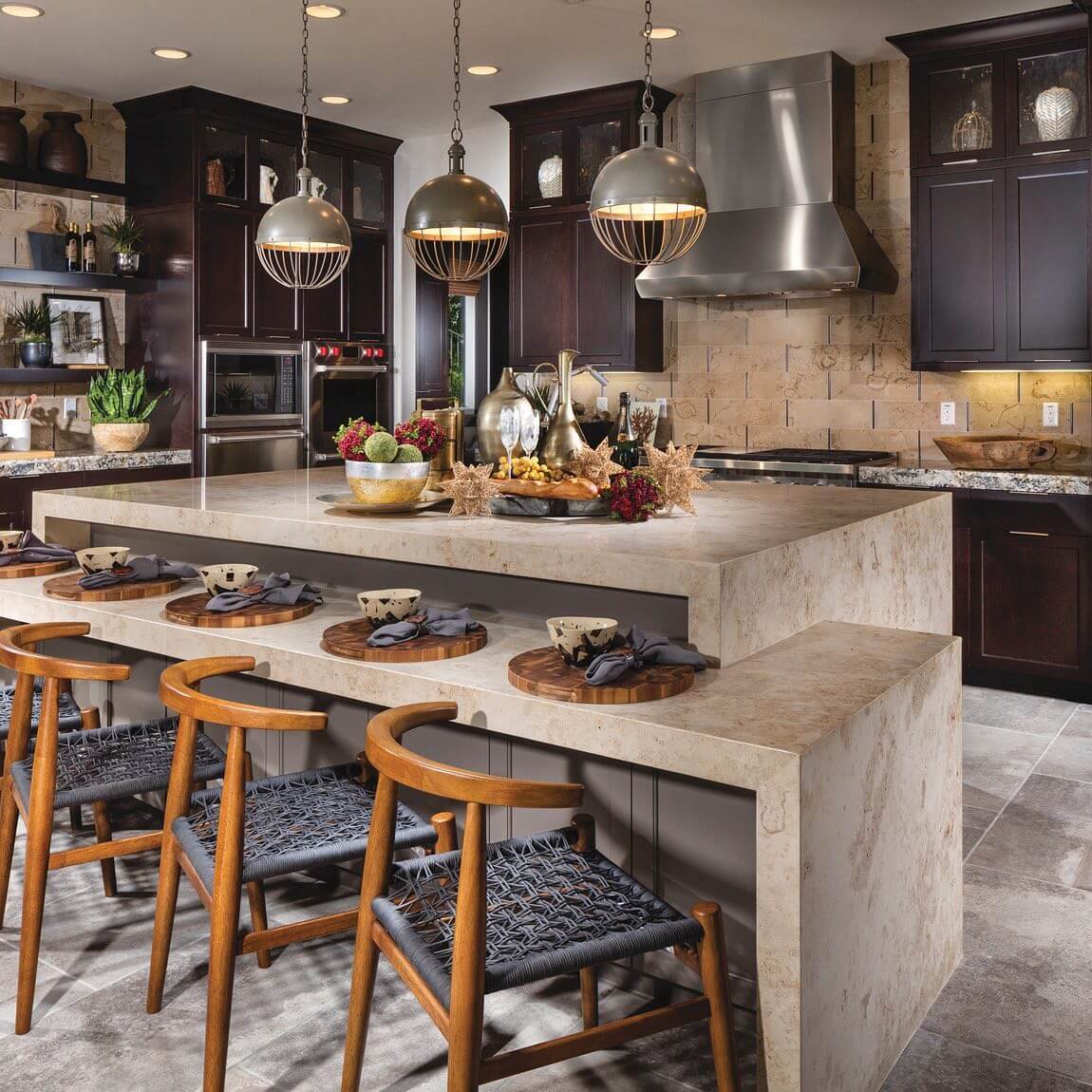
Treat the island like a piece of furniture—beautiful, but built to hustle. A mitered waterfall edge in marble, quartzite, or sintered stone turns the volume into a sculptural monolith while protecting end panels from chair scuffs. Aim for a 2–2.5 inch “table-thick” look and a 10–12 inch overhang for comfortable seating. Under the surface, design for performance: deep drawers on both the cook and guest sides, an undercounter beverage fridge at the traffic edge, and a slim pop-up outlet or color-matched flush grommet for mixers and laptops. If space allows, a prep sink on the short end keeps the main sink pristine during parties. Layer a linear pendant or a pair of statement fixtures overhead and add toe-kick LEDs below for a floating effect at night. Maintain 42–48 inch aisles around the island for graceful circulation—luxury is as much about the way a kitchen moves as how it looks.
Layered Lighting That Flatters and Performs
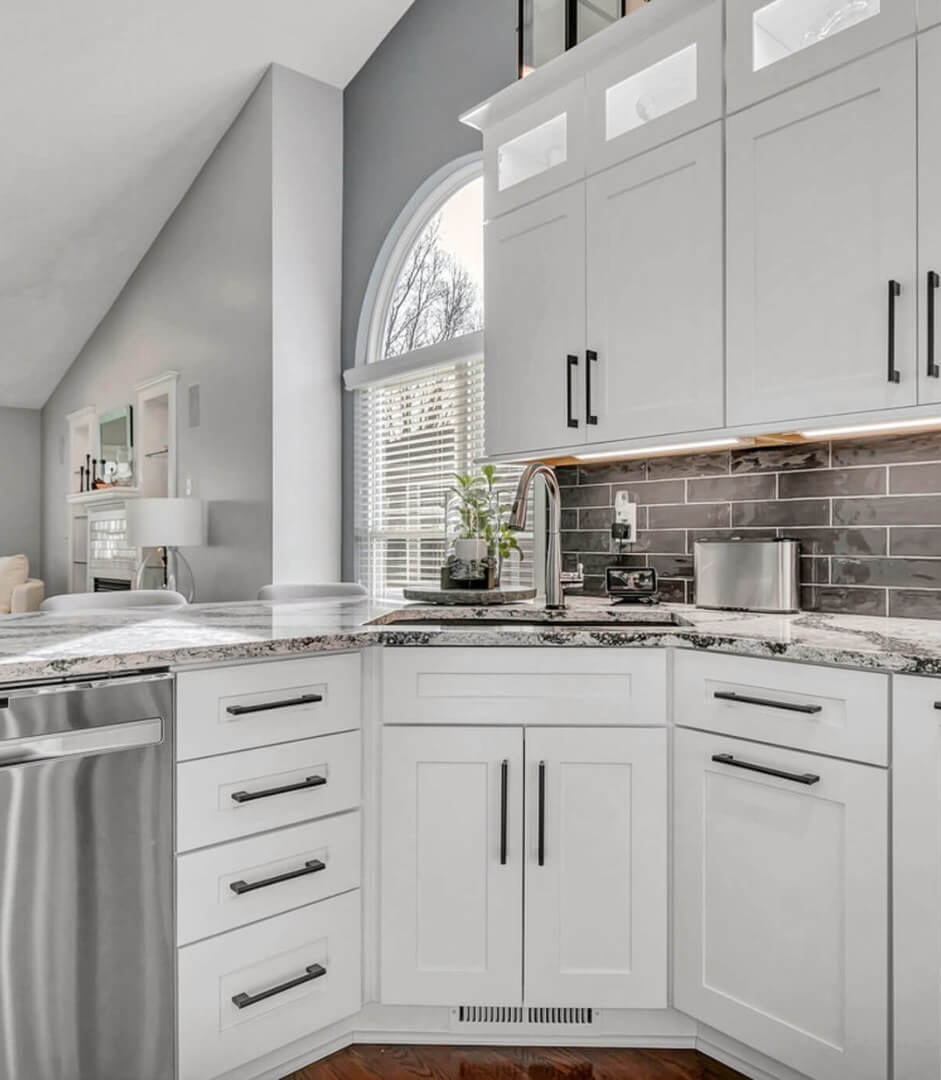
The most luxurious kitchens are lit like boutiques. Build a three-layer plan: ambient (ceiling cans or coves), task (under-cabinet channels and island pendants), and accent (in-cabinet, toe-kick, and shelf LEDs). Choose warm-dim modules (approx. 3000K shifting to 2200K) with 90+ CRI so stone and wood read rich at night. Space recessed fixtures on a 5–6 foot grid and pull them off the backsplash to avoid glare on polished stone. Under-cabinet channels should be continuous, not dotty, and tied to a dedicated switch. Pendants should scale to roughly one-third the island length or use two to three smaller fixtures to keep sightlines airy. Program scenes—Prep, Entertain, Night—so the room mood shifts with a tap. The payoff: flattering skin tones, glints on brass, and crisp task light where you slice and sear. With great lighting, every other luxury choice in your kitchen looks and functions better.
Mix Metals With Intention
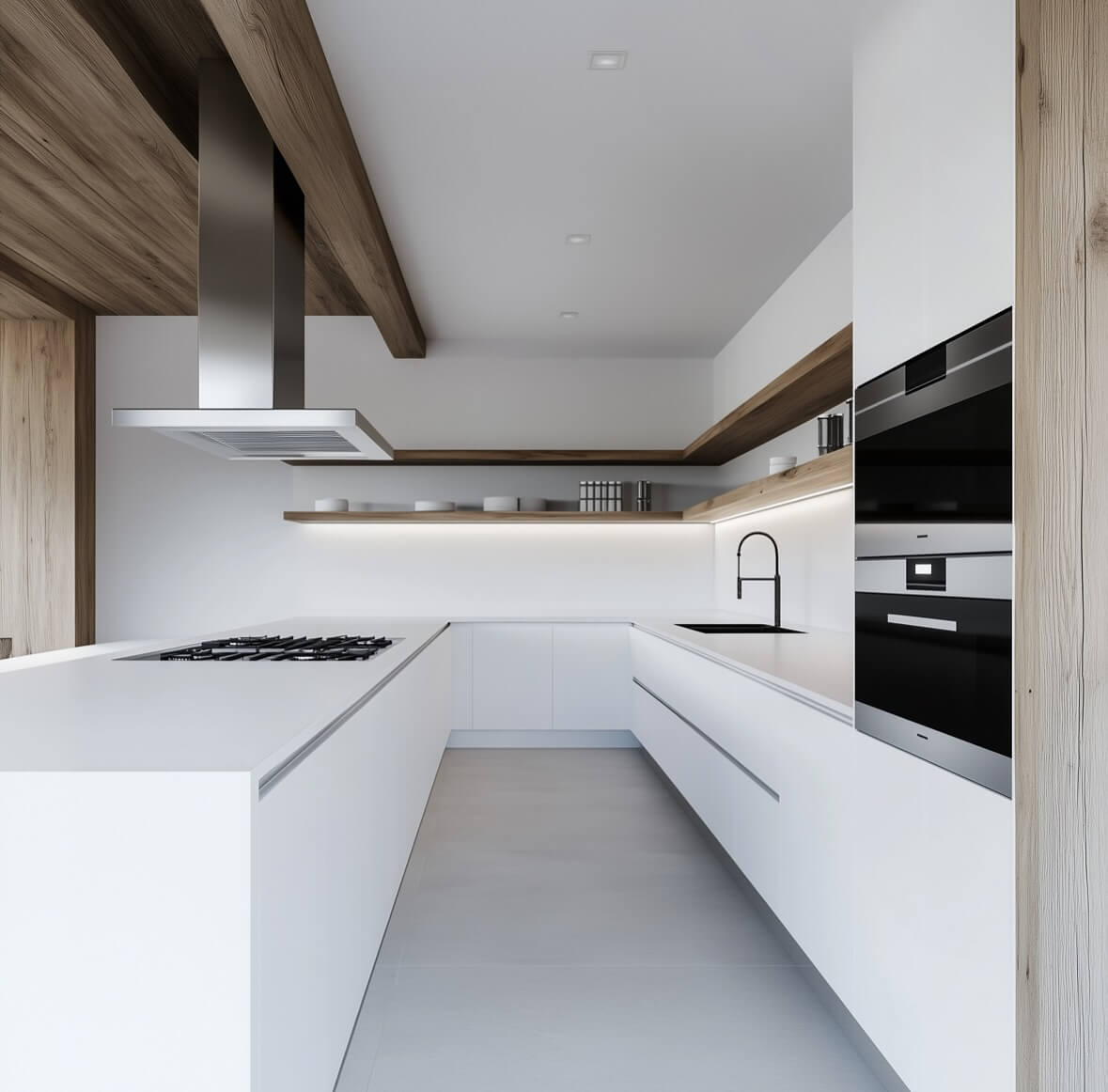
A designer trick for instant sophistication: mix metals, but do it on purpose. Pick a primary finish (often warm brass or brushed nickel) for faucets and hardware, then introduce a secondary finish in smaller doses—think blackened steel on the hood banding or polished nickel on pendant stems. Repeat each finish at least three times in the room so it feels deliberate, not random. Pair warm metals with warmly toned stones and woods; cool metals flatter grays and deep charcoals. Consider living finishes (unlacquered brass, bronze) for character that patinas, and durable PVD options at the sink to resist water spots. Tie the palette to your appliances: stainless can be the “neutral” you bridge with brass knobs or bronze mesh panels. The result is layered and luxe, with subtle sparkle that catches the light. Keep lines clean, profiles slim, and let the metal accents read like jewelry on a finely tailored suit.
Elevated Millwork: Rift‑Sawn Woods and Couture Details
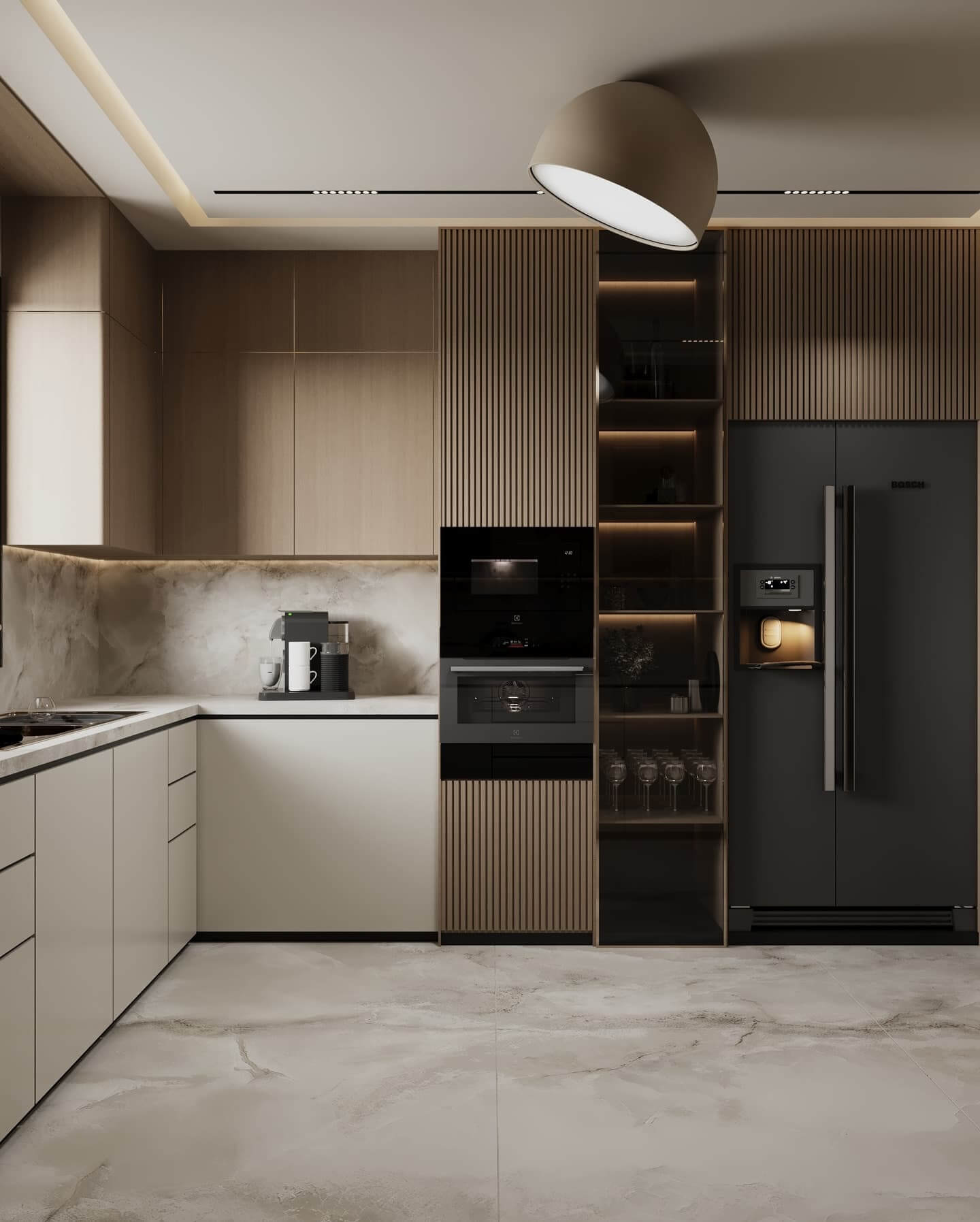
Luxury shows up in the joinery. Specify rift‑sawn oak or walnut for a tight, linear grain that feels architectural and timeless. Then add couture details: fluted panels on an island leg, reeded glass on a tall cabinet, inset doors with crisp reveals, and furniture-style plinths that lift the cabinetry. Align rails and stiles across drawers for a seamless “stripe” effect, and continue end-panel details around corners for a wrapped, bespoke look. Inside, think precision: solid-wood dividers, concealed cutlery tiers, and soft-close hardware from Blum or Grass. Color-wise, balance wood with a painted perimeter in a desaturated neutral to keep the room light. If durability is key, pair wood with matte lacquer or FENIX NTM on high-touch zones to resist fingerprints. The goal is quiet richness—craftsmanship you feel each time a drawer glides or a pocket door disappears. This is the difference between merely expensive and truly luxurious.
A Range Wall With Architectural Presence
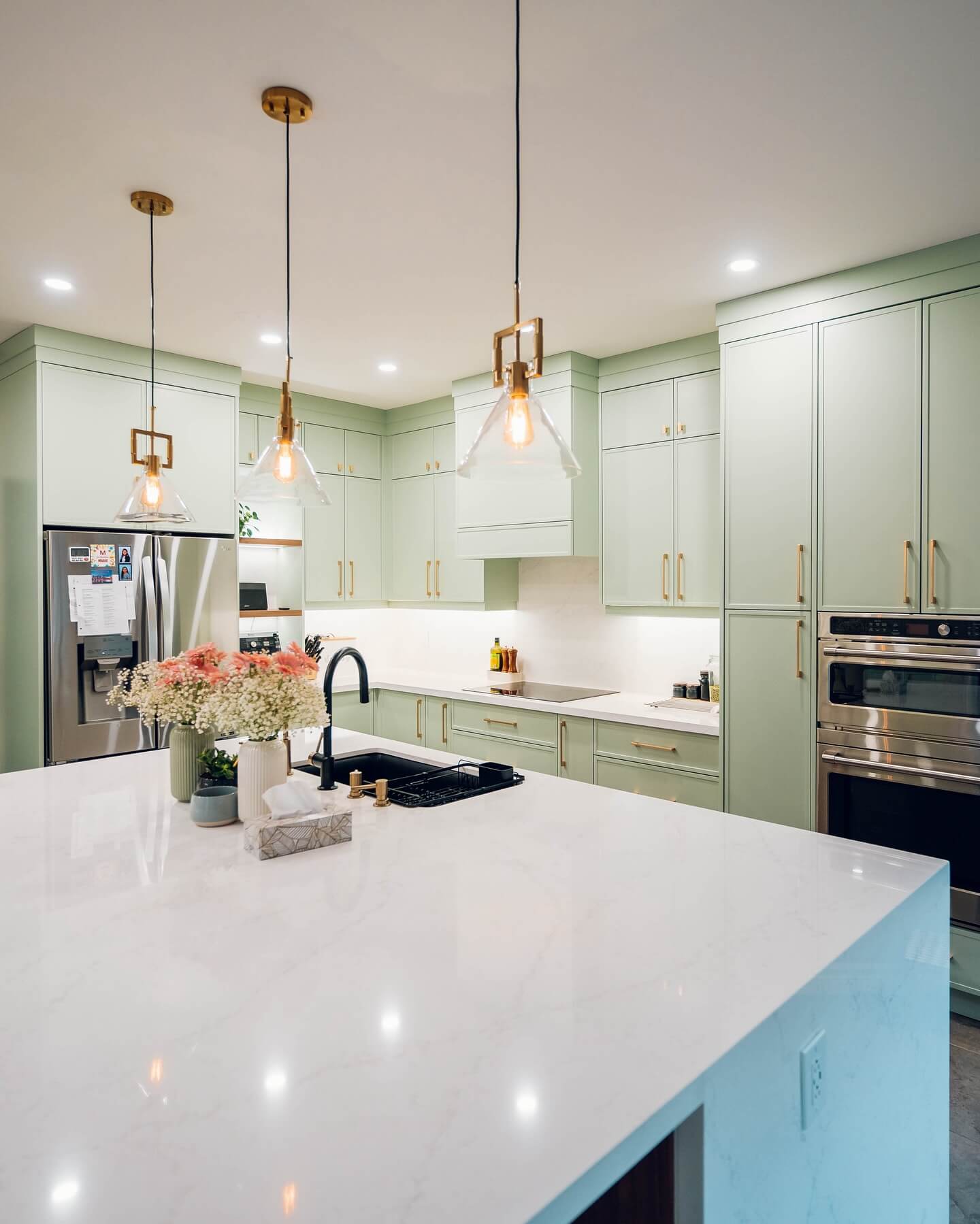
Make the cooking wall a moment. Start with a chef‑grade range—36 to 48 inches depending on household—and a generous landing zone on both sides. Cap it with a custom hood in plaster, stone, or metal with banding that echoes your hardware finishes. Proportion matters: size the hood 3–6 inches wider than the range for a tailored silhouette. Select a quiet, powerful insert (600–1200 CFM) and plan for make‑up air to preserve indoor comfort. Behind the range, a slab backsplash continues the luxury language; flanking spice pullouts and shallow utensil drawers keep tools handy without clutter. If you entertain often, add a pot filler and a shallow ledge for sauces and spoons. Underfoot, consider a resilient runner to soften long prep sessions. This composition grounds the kitchen, reads editorial in photos, and performs under pressure—a high-end centerpiece that cooks as well as it looks.
Back Kitchen/Scullery for Effortless Entertaining
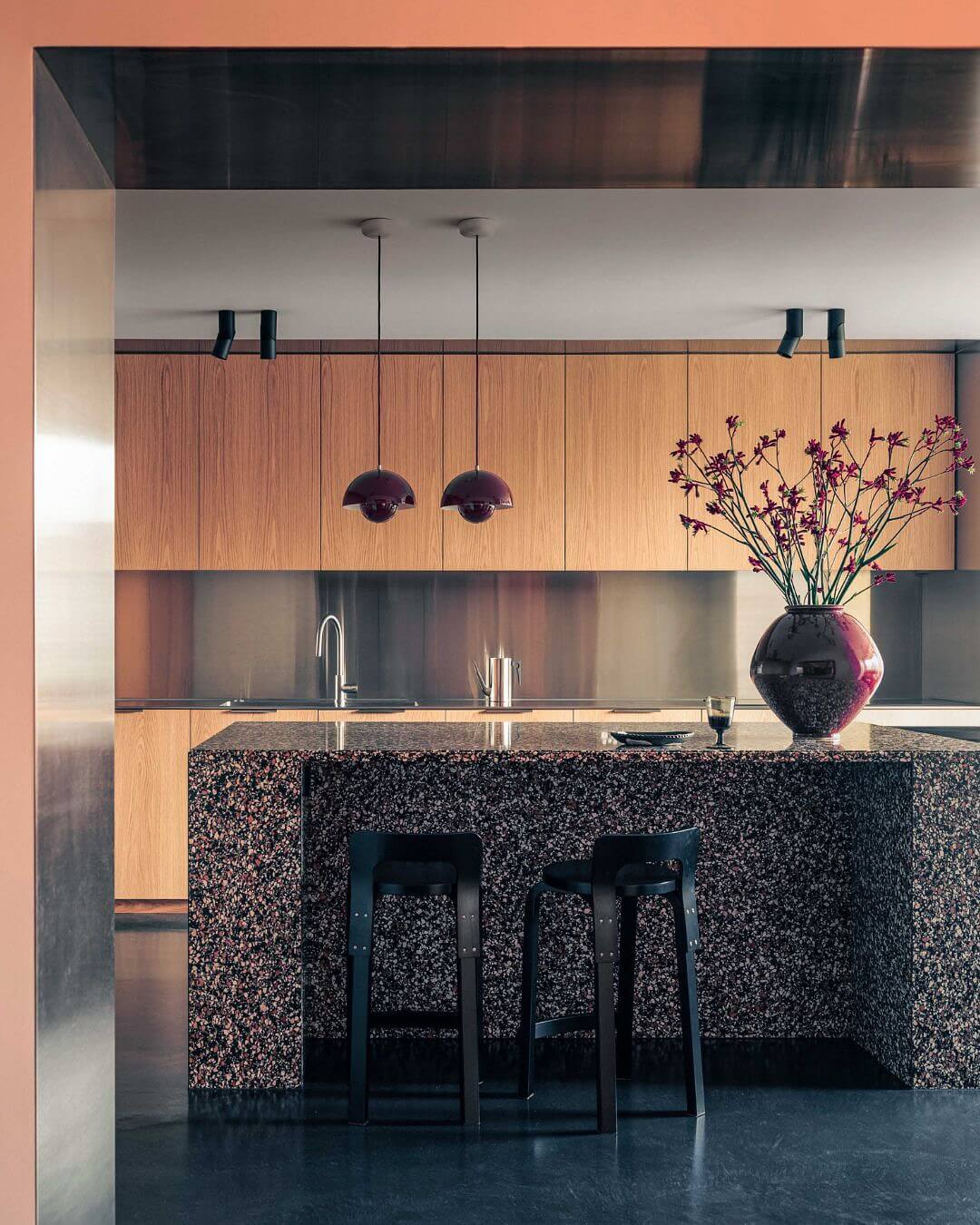
A discreet scullery is the ultimate luxury hack. Tucked behind a panel door or flanking the main kitchen, it absorbs the mess—prep, dishes, bar service—so the show kitchen stays serene. Equip it with a second sink, dishwasher, icemaker, and tall pantry storage. Open shelving or shallow uppers keep everything visible for speed, while durable counters (quartz, Dekton) shrug off stains. Add a warming drawer and steam oven if you entertain; food can hold here while the range wall shines out front. Lighting should be bright and functional; task LEDs under simple shelves are perfect. Sound-dampening doors and a floor drain beneath the sink add real-world practicality. The payoff is flow: guests enjoy an uncluttered island and beautiful finishes, while you work invisibly in back. In small homes, a tall larder with pocket doors can deliver the same effect in a single, hard-working cabinet bay.
Stone Strategy: Marble Romance, Quartzite Resilience
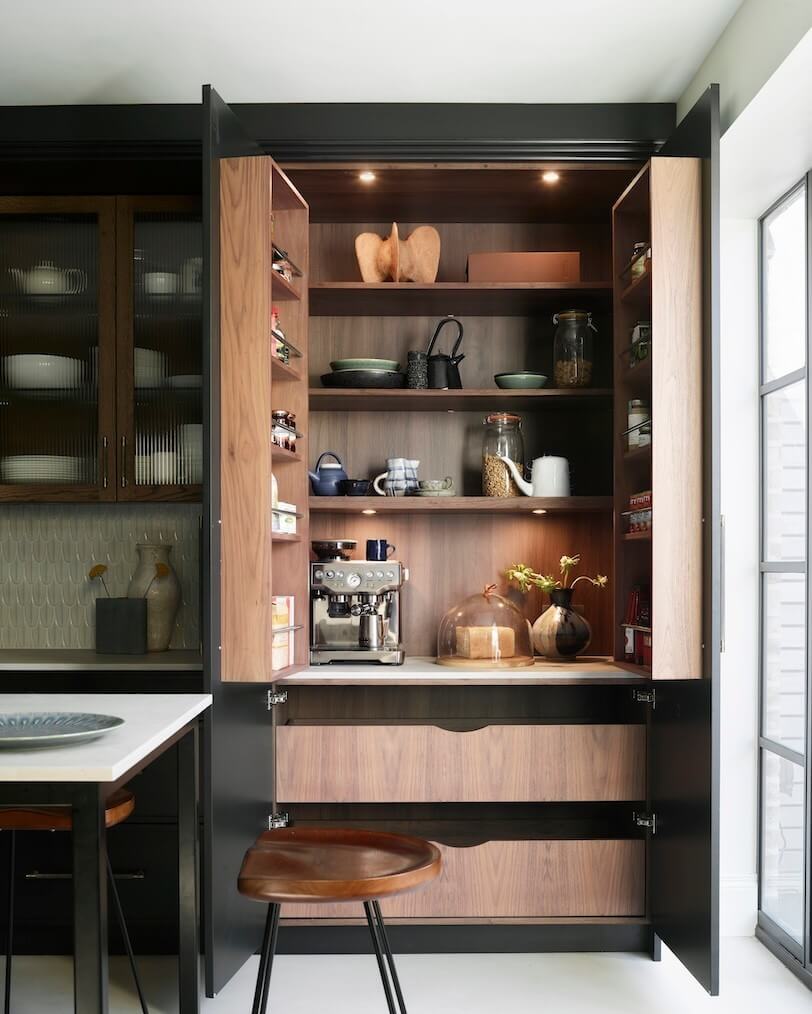
Choosing the right surface is a luxury decision as much as a maintenance one. Calacatta and Arabescato marbles bring couture veining and unmatched depth; honed or leathered finishes disguise etching and feel velvety. For high-traffic cooks, quartzite offers the real-stone look with far greater durability, while sintered slabs (Dekton, Neolith) resist heat, UV, and stains with minimal care. Elevate details: mitered waterfall ends, negative-reveal sink cutouts, integrated drainboard grooves, and coved backsplashes at the range. Ask your fabricator for vein mapping to align island, splash, and side panels, and specify eased or half-bullnose edges where kids sit. Seal natural stone on install and annually thereafter; keep a poultice kit on hand for life’s spills. With a thoughtful stone strategy, your kitchen reads bespoke and ages gracefully—exactly the balance of beauty and performance that defines a high-end space.
Smart Integrations That Stay Invisible
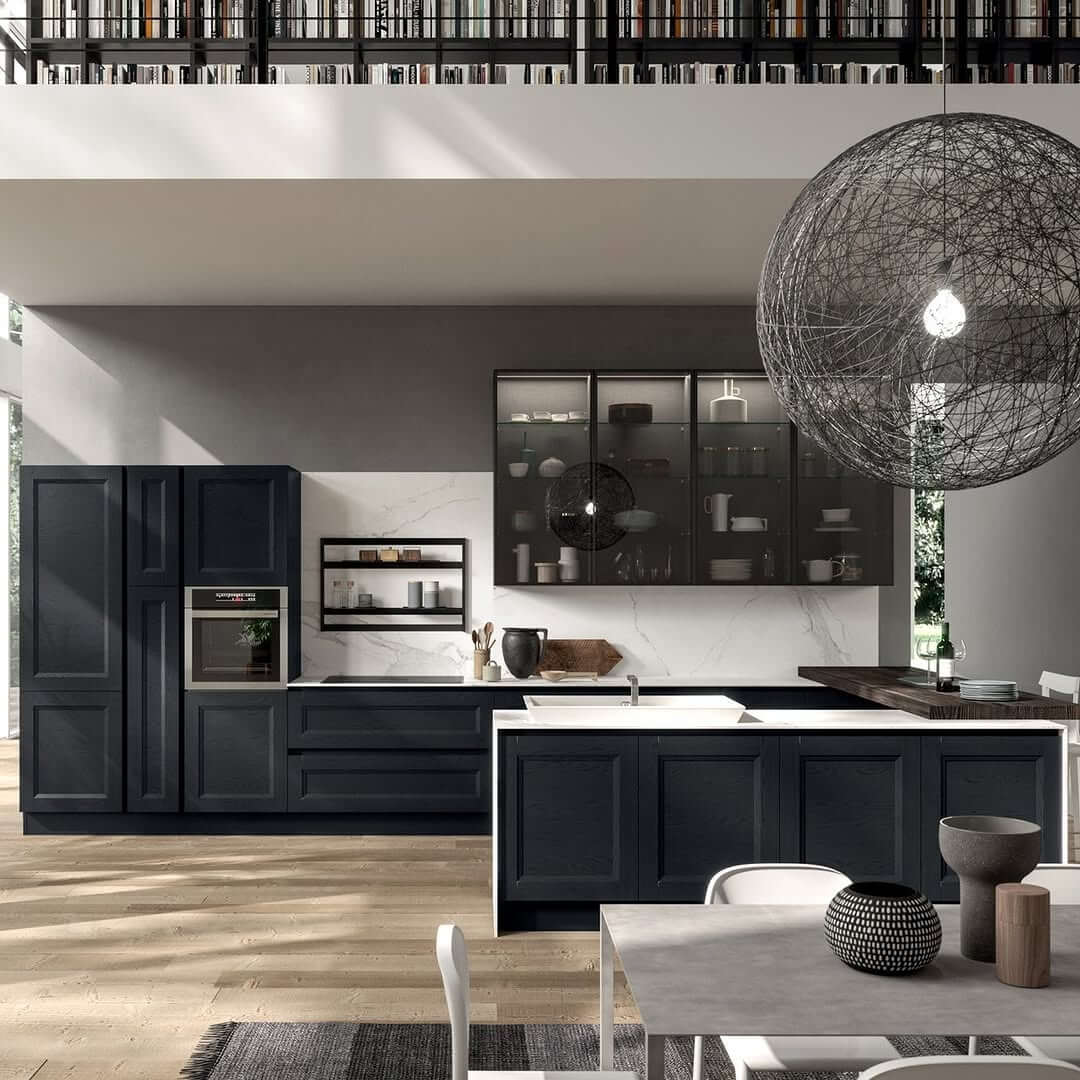
True luxury hides the tech. Build charging into a docking drawer, route pop-up or flush outlets through the island in stone-matched finishes, and add invisible sockets beneath uppers to keep backsplashes pristine. Specify a boiling/filtered water tap, instant-chill chiller, and a built-in coffee system to streamline mornings. A steam oven and warming drawer handle healthy cooking and effortless hosting, while sensor-lit toe-kick vacuums and soft-close, servo-driven trash pullouts make cleanup feel seamless. Program smart dimmers into lighting scenes and tie ventilation to range use, then monitor via an app for energy savings. Keep noise low with quiet dishwashers and remote blower fans. The guiding principle: integrate convenience without visual clutter. When the kitchen looks like architecture but behaves like a well-run restaurant, you’ve hit the high-end sweet spot—beautiful, hardworking, and blissfully under the radar.
Gallery-Style Vitrines for Curated Display
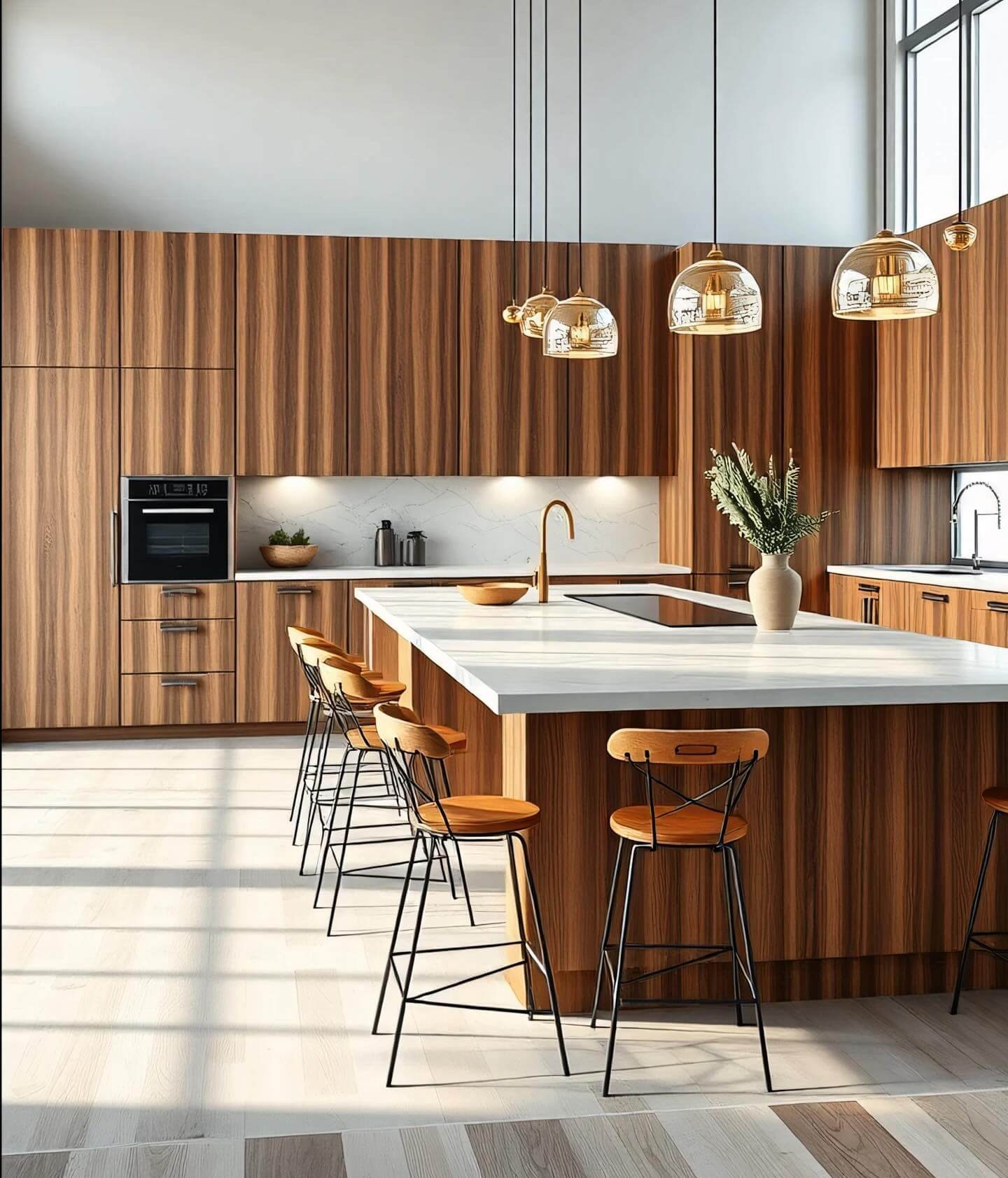
Luxury kitchens aren’t only about storage; they’re about storytelling. Add gallery-style vitrines—bronze- or black-framed glass cabinets with dimmable interior lighting—to showcase heirloom ceramics, crystal stemware, or a restrained palette of everyday whites. Keep shelves thin and adjustable, specify dotless LED strips on the sides for even illumination, and align mullions with the kitchen’s overall grid so the composition feels architectural rather than busy. For a refined backdrop, use stone, limewash, or reeded panels inside the cabinet to echo adjacent finishes. The key is curation: leave negative space, group by color or material, and edit seasonally. This “curated display” adds lightness to banks of solid millwork, complements mixed-metal moments elsewhere, and creates a visual pause between hardworking runs of cabinetry. It also amplifies layered lighting—pendants and under-cabinet glow read richer when vitrines throw a soft, ambient wash across the room. Done right, these vitrines deliver high-end kitchen design energy without adding visual weight, elevating function and atmosphere in equal measure.
Butler’s Bar: Integrated Coffee, Wine, and Spirits
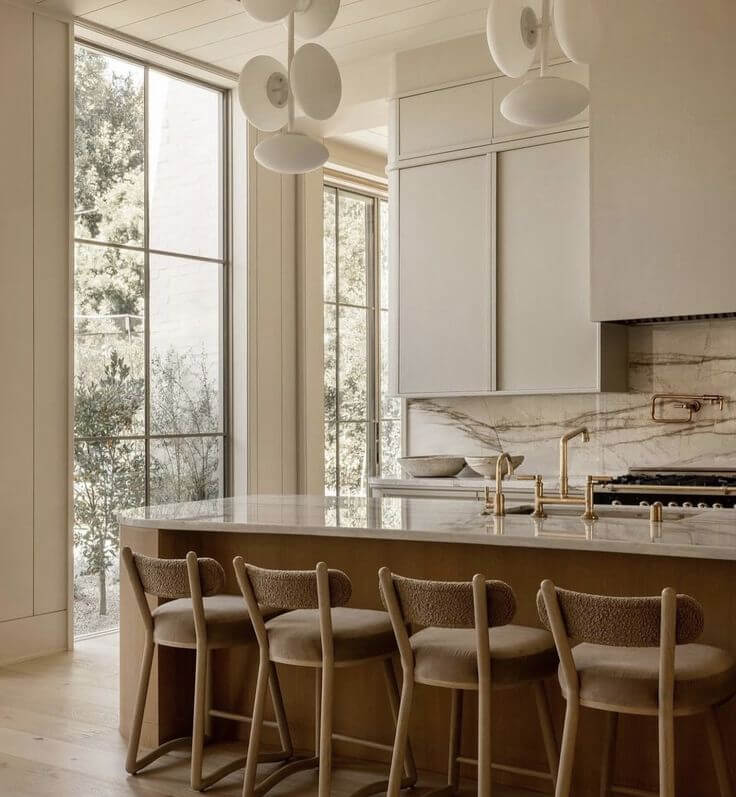
For effortless entertaining, carve out a butler’s bar that can disappear when not in use. Pocket or bifold doors conceal a stone-lined niche outfitted with a built-in espresso system, undercounter ice, and a quiet wine fridge or column. Add a shallow prep sink with filtered and chilled water, plus a narrow ledge for syrups and bitters—mirroring the slim shelf on your slab backsplash for cohesion. Interior task lighting keeps labels legible; a mirrored or stainless back panel multiplies light and depth. Keep finishes related to the main kitchen—same hardware family, complementary stone—so the bar reads as part of the whole, not an afterthought. Strategically position it between the kitchen and dining spaces to siphon traffic from the cook zone. By centralizing morning rituals and evening cocktails away from the primary prep run, this luxe station declutters countertops, protects your workflow, and signals hospitality. It’s a compact, couture upgrade that makes a high-end kitchen feel resort-level, every day.
Galley Workstation Sink That Doubles Your Prep Zone
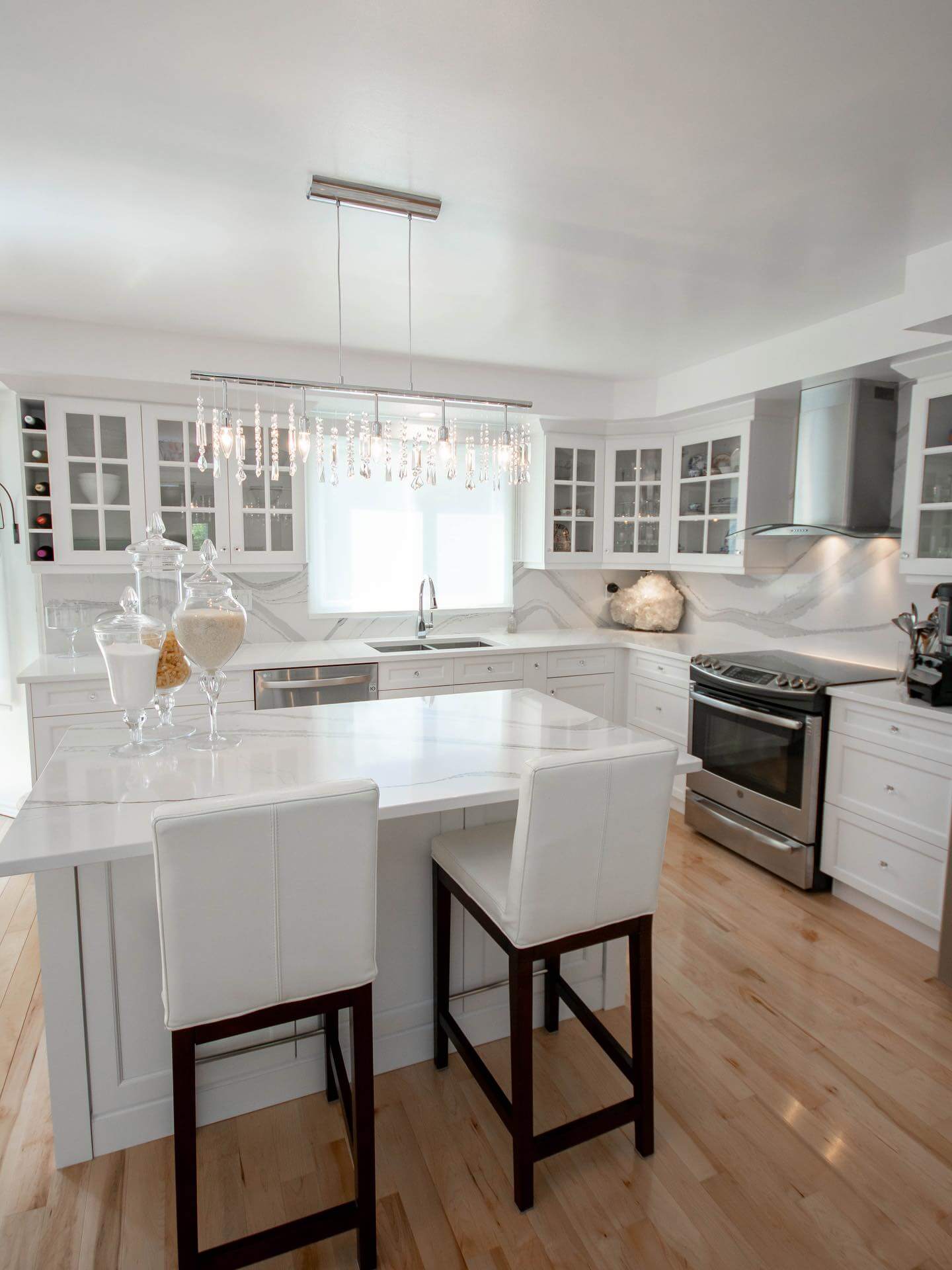
A professional-grade workstation sink is a luxury that pays for itself in daily efficiency. Specify a wide, deep basin with tiered ledges for boards, colanders, and drying racks that slide as you work—turning one footprint into a multi-tool. Pair with a pull-down faucet and filtered hot/cold tap; add a disposal air switch and an integrated soap dispenser to keep the deck minimal. Locate the workstation on the island for social prep, or opposite the range for a chef’s triangle that reduces steps. Consider a secondary prep sink if you often cook with company. For a seamless look, run your countertop material into the sink accessories (think stone cutting boards with drip edges) and maintain your toe-kick lighting beneath for nighttime tasks. This move aligns with the guide’s “hardworking, high-end” mandate: you gain restaurant-level functionality without compromising the clean, panel-ready aesthetic. The result is a kitchen that stages mise en place beautifully and cleans up even better.
Ceiling Moments: Coffers, Beams, and Sculpted Plaster
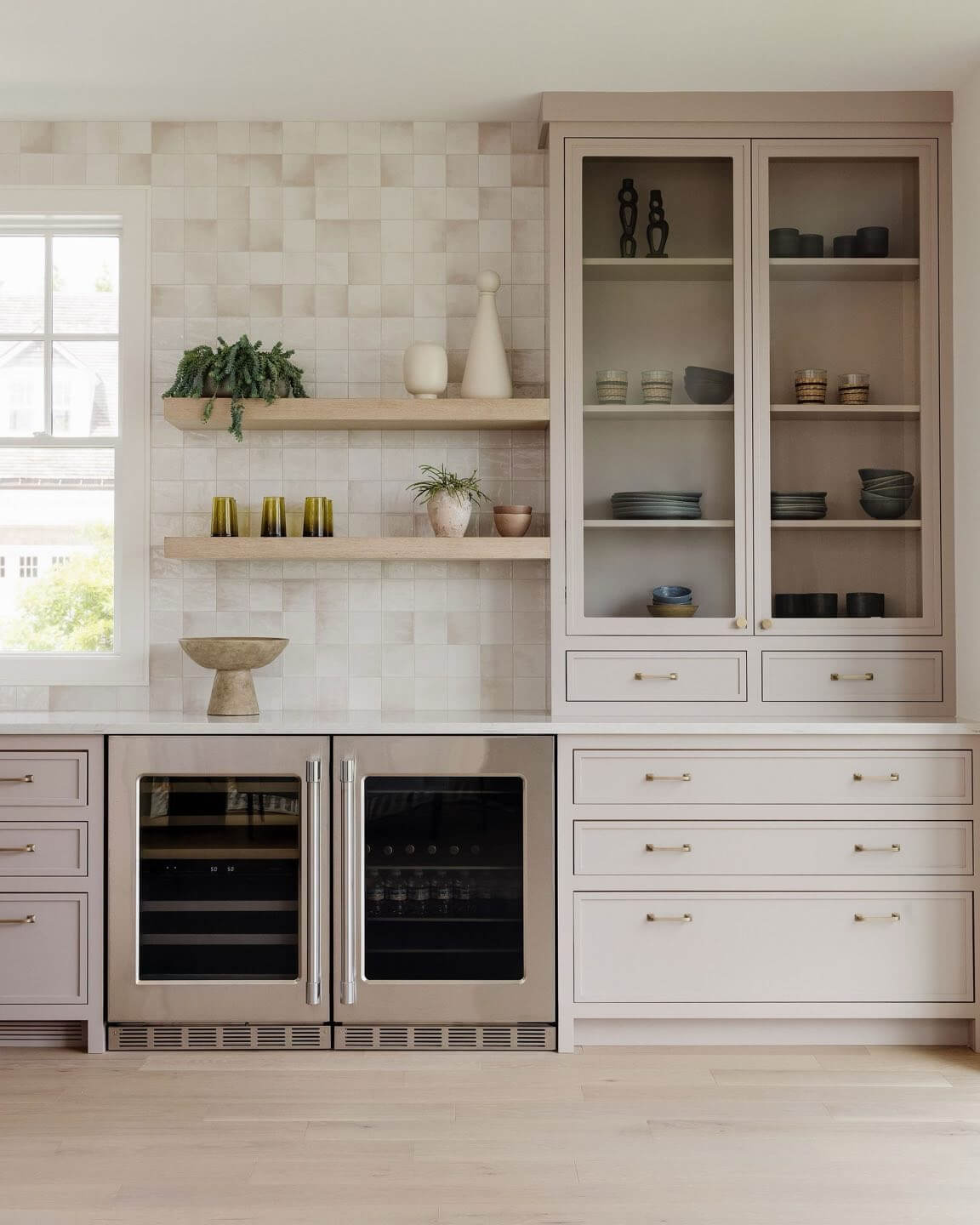
In elevated kitchens, the ceiling is a fifth wall—and a design opportunity. Use shallow coffers or minimalist beams to organize the plan, aligning them with the island, range wall, and tall cabinets below. Integrate linear LEDs within coffers for soft, bounce lighting, and conceal ventilation in a plaster soffit for a quiet profile. A subtle shadow gap at the perimeter adds a gallery-like finish and lets stone-clad or fluted millwork breathe. In spaces with generous height, a sculpted plaster canopy over the range creates architectural presence without relying solely on metal. Conversely, in lower rooms, tone-on-tone paint and microtexture visually lift the lid. Acoustic gains are real too: wood slats, limewash, or micro-perforated panels tame clatter in hard-surface kitchens. These ceiling moves tie together layered lighting, streamline sightlines to the waterfall island, and reinforce the home’s architectural language—proof that a luxury kitchen’s polish is as much above eye level as at the countertop.
Floor as Foundation: Large-Format Stone and Herringbone Wood
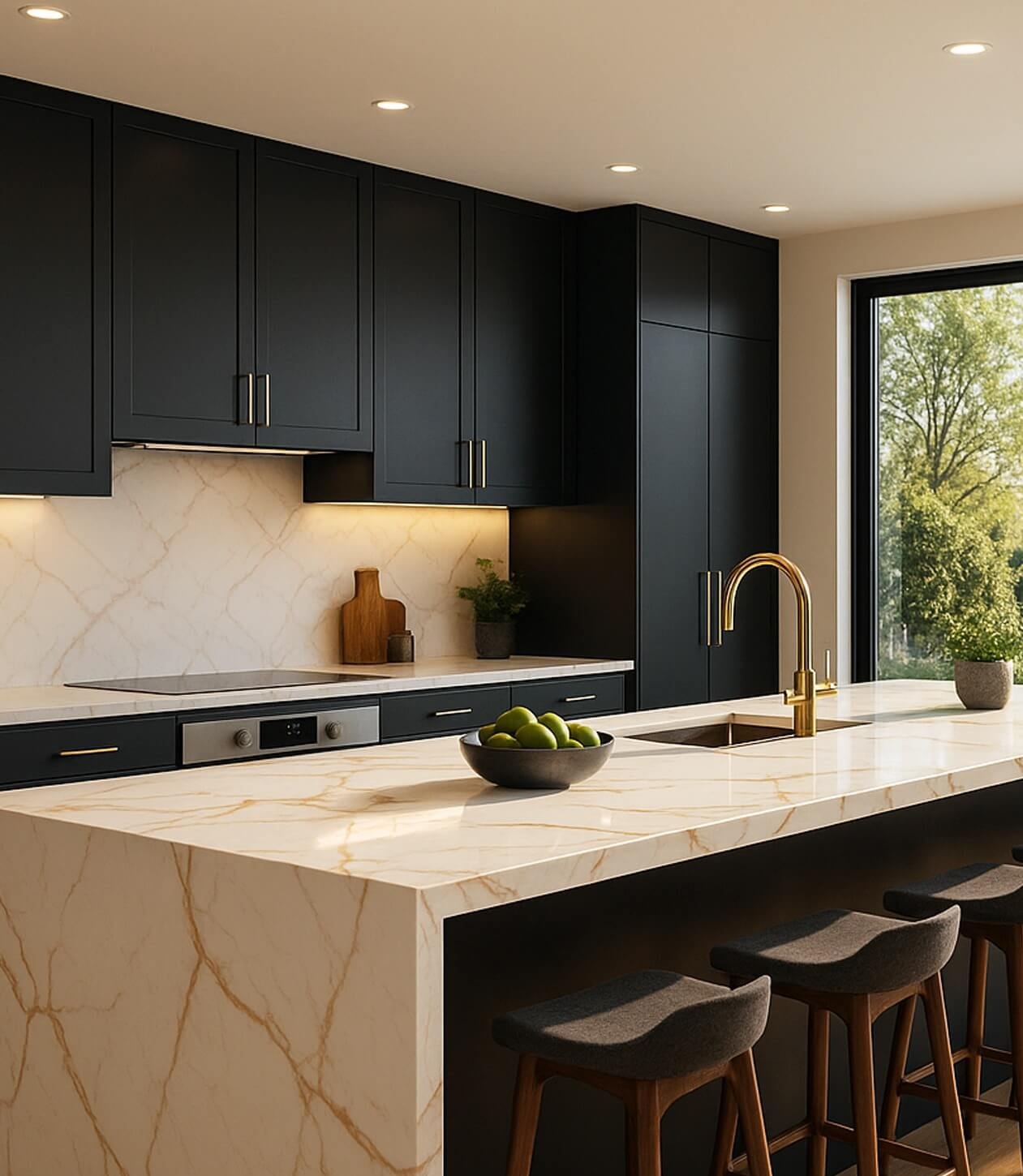
The most luxurious kitchens start from the ground up. Large-format stone or porcelain slabs minimize grout lines for a gallery-clean base, while engineered herringbone or chevron oak brings warmth and rhythm. Consider a stone “runner” inset through the work aisle for durability beneath the range and sink, bordered by wood to soften adjacent zones. Underfloor heating adds barefoot comfort and dries spills quickly—especially useful near a back kitchen or terrace door. Keep thresholds flush so the island and tall cabinets feel grounded, and explore metal inlays to align with cabinet seams or pendant centers for a bespoke, tailored effect. Color matters: choose wood tones that harmonize with rift-sawn cabinetry and stone veining for a cohesive palette. With the right finish (hardwax oil for wood; honed or leathered for stone), the floor wears beautifully and photographs even better—supporting the article’s theme of spaces that look editorial yet work hard every day.
Curves and Soft Geometry to Ease the Plan
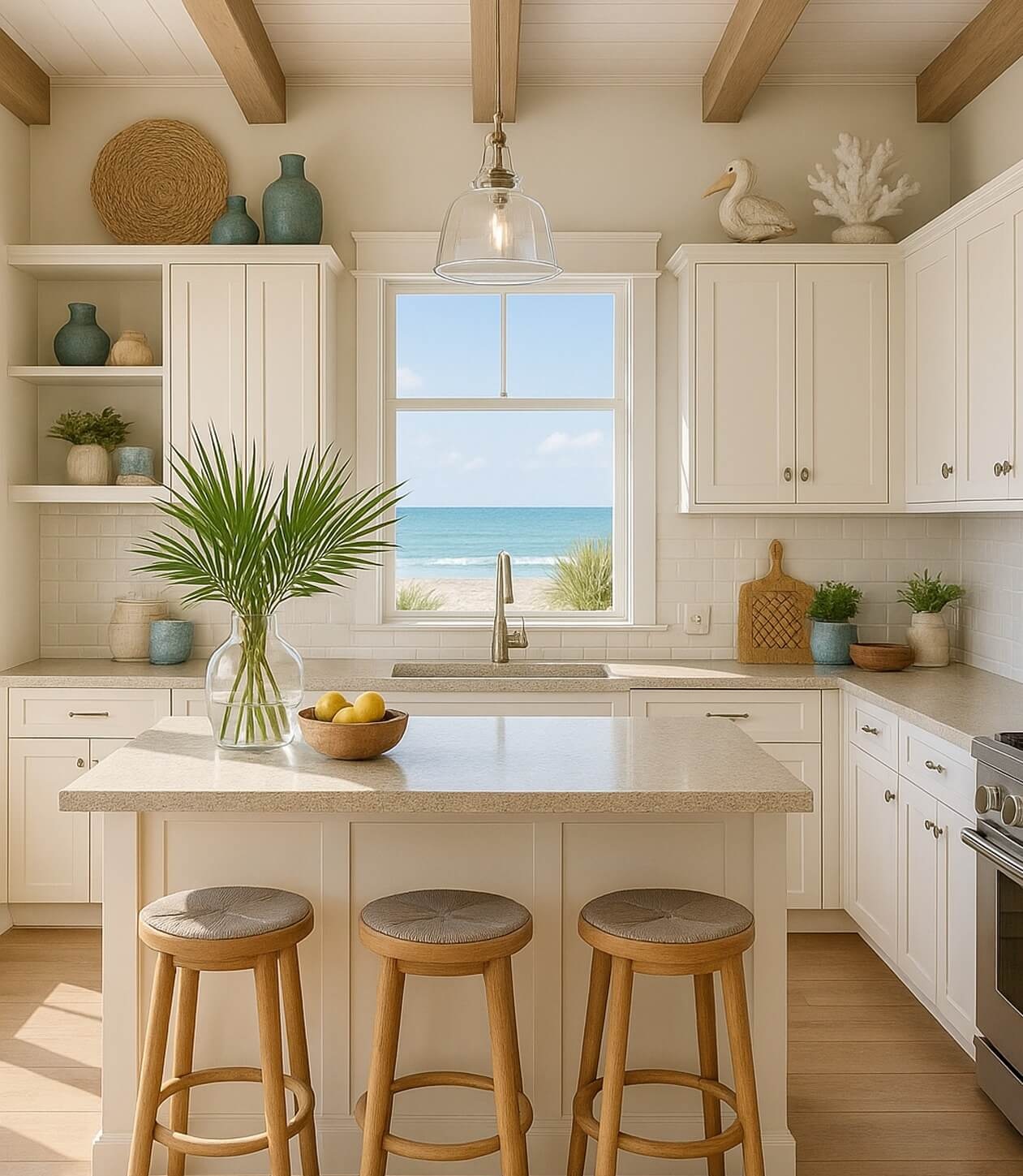
Introduce curves to make a luxury kitchen feel bespoke and inviting. A pill-shaped or radiused island improves circulation, softens sightlines, and reduces “hip-check” corners in busy households. Echo the geometry with a bullnose or demi-bullnose stone edge, a curved banquette at the breakfast nook, or a gentle arch framing the scullery entry. Fluted or tambour panels wrap beautifully around rounded ends, adding tactile depth without visual heaviness. Curves also help resolve tricky transitions—between window walls, range alcoves, and tall cabinet runs—where a hard angle might feel abrupt. Keep hardware and lighting similarly soft: globe pendants, rounded pulls, and arc faucets reinforce the theme while staying timeless. When combined with bookmatched stone and panel-ready appliances, these shapes deliver a custom, couture quality that reads expensive yet calm. The payoff is more than pretty lines; it’s better flow, safer edges, and a kitchen that feels considered from every angle.
Hardware as Jewelry: Sculptural Pulls, Integrated Rails, and Edge Details
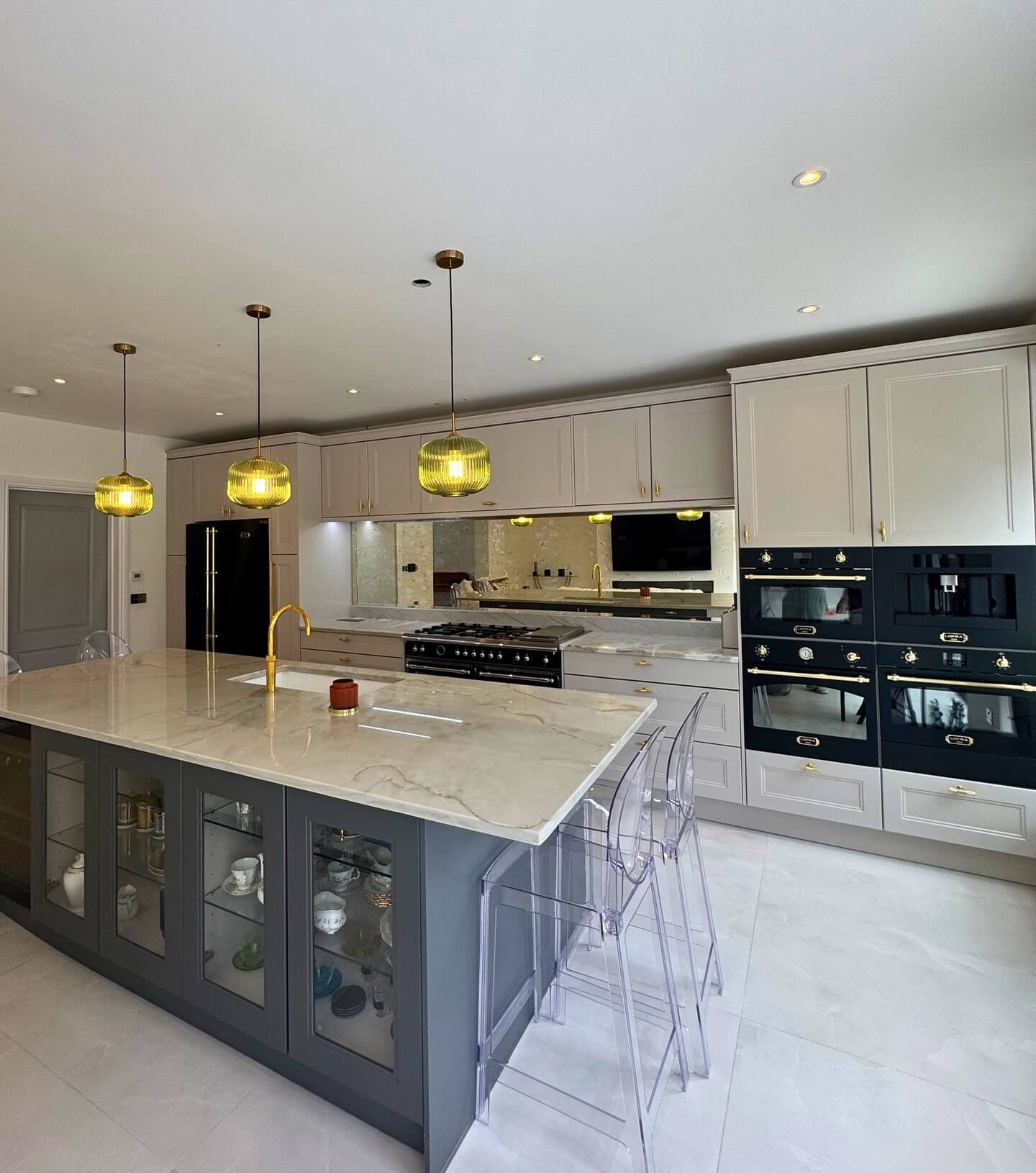
Think of hardware as the kitchen’s jewelry—small pieces with outsized impact. For contemporary luxury, mix integrated finger rails on slab fronts with sculptural pulls on pantries and appliances to create hierarchy and touchable moments. Knurled, hammered, or gently patinated finishes add tactility that contrasts beautifully with satin stone and rift-sawn oak. Align pulls precisely, match their scale to door proportions, and carry a single profile across drawers for visual calm. Edge detailing matters too: a slim reveal between drawer fronts, a shadowline under the countertop, or a discreet towel rail at the island can make the joinery read couture. Keep metals in conversation with your lighting and faucet selections—complement rather than copy—to support the article’s “mix with intention” guidance. Beyond beauty, choose ergonomic shapes, soft-close systems, and anti-fingerprint coatings so the hardware performs as well as it photographs. In a high-end kitchen, every touchpoint should feel deliberate, substantial, and quietly luxurious.
Bespoke Organization: Knife Galleries, Spice Drawers, and Lift-Ups
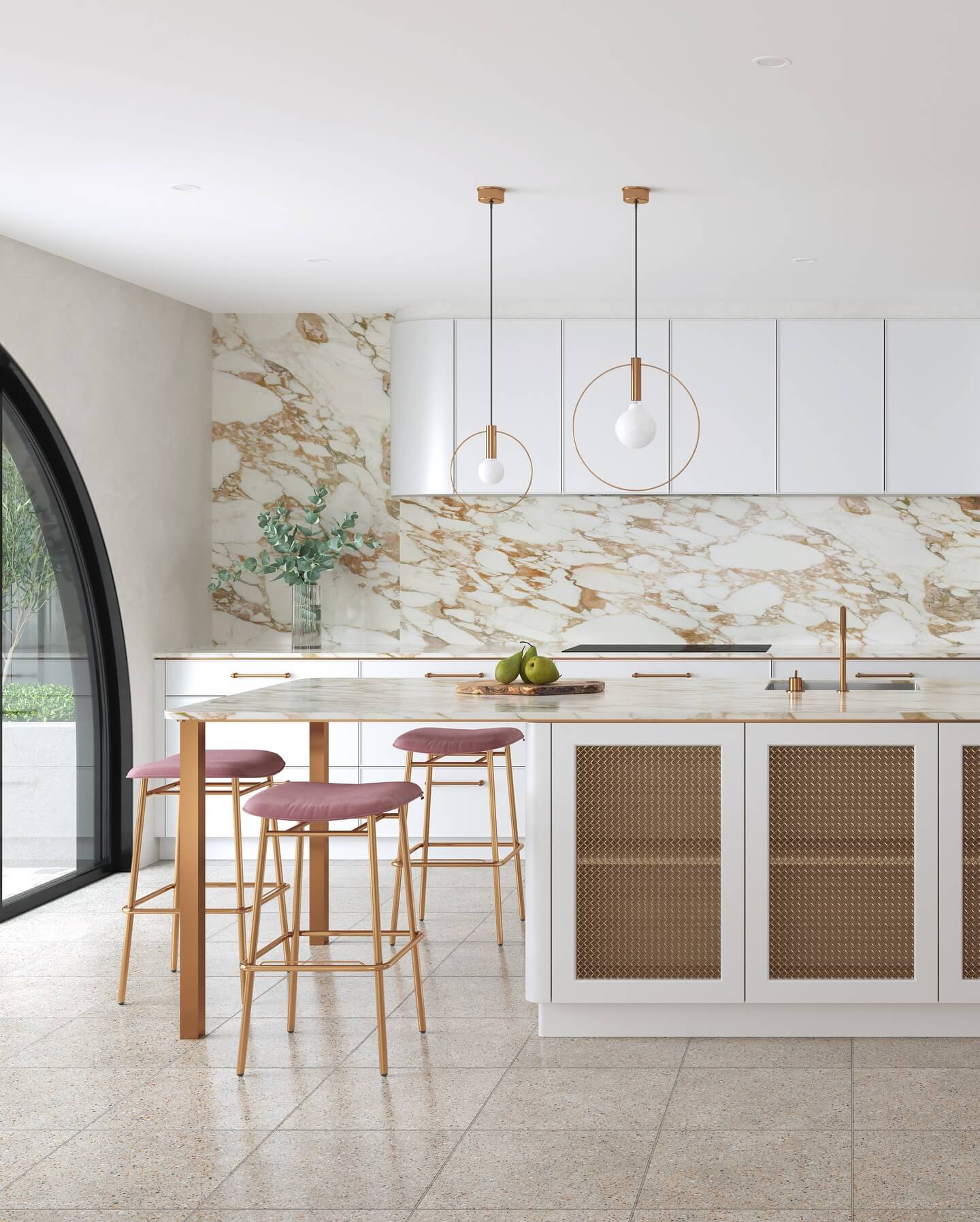
True luxury is never rummaging. Plan bespoke interiors that make every task intuitive: tiered spice drawers near the cooktop, a knife gallery with a removable insert, vertical tray slots by the ovens, and deep pans-on-drawers below the range. Consider a concealed paper towel drawer, integrated compost, and a docking drawer with outlets for mixers and blenders. For heavier kit, add lift-up mechanisms that raise a stand mixer to counter height and vanish when not needed. In tall cabinets, pocket doors reveal a breakfast pantry with pull-out shelves for cereal, toaster, and mugs—keeping morning chaos off the island. Use the same wood species inside for a tailored feel, add low-glare lighting under each shelf, and label discreetly for long-term order. These micro-decisions harmonize with panel-ready appliances and invisible tech, delivering a kitchen that functions at a professional level while maintaining a serene, minimalist facade—exactly what modern luxury kitchen ideas aspire to achieve.
Indoor–Outdoor Luxury: A Kitchen That Extends to the Terrace
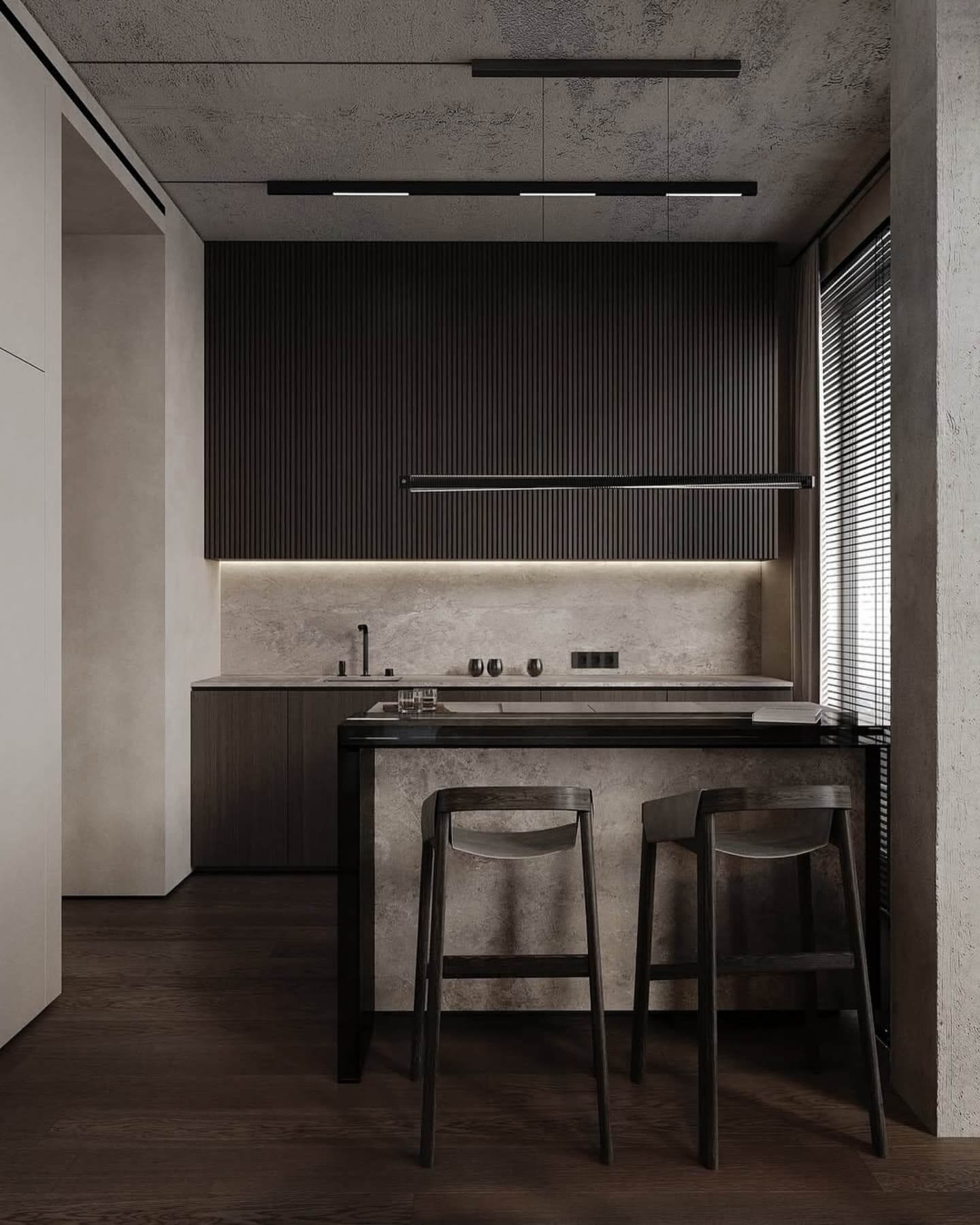
Blurring boundaries elevates every gathering. Align your island with a wide pocket door or pass-through window to create a straight shot to the terrace, then mirror materials—exterior stone, indoor flooring, metal finishes—for a seamless read. A serving ledge or outdoor back bar keeps traffic out of the work zone while doubling capacity for drinks and plating. Specify weather-resilient countertops outside (granite, porcelain) that complement your marble or quartzite inside, and continue toe-kick lighting to visually connect the two zones at night. Consider a secondary sink or teppan/grill outdoors, with refrigeration for beverages to reduce trips. Shade and airflow matter: pair operable screens with quiet ceiling fans to maintain comfort without overpowering conversation. When done thoughtfully, indoor–outdoor integration makes the kitchen feel larger, brighter, and more livable year-round—an undeniably high-end move that supports entertaining, weeknight dinners, and everything in between.
Moody Palettes Done Right: Warm Neutrals and High-Contrast Moments
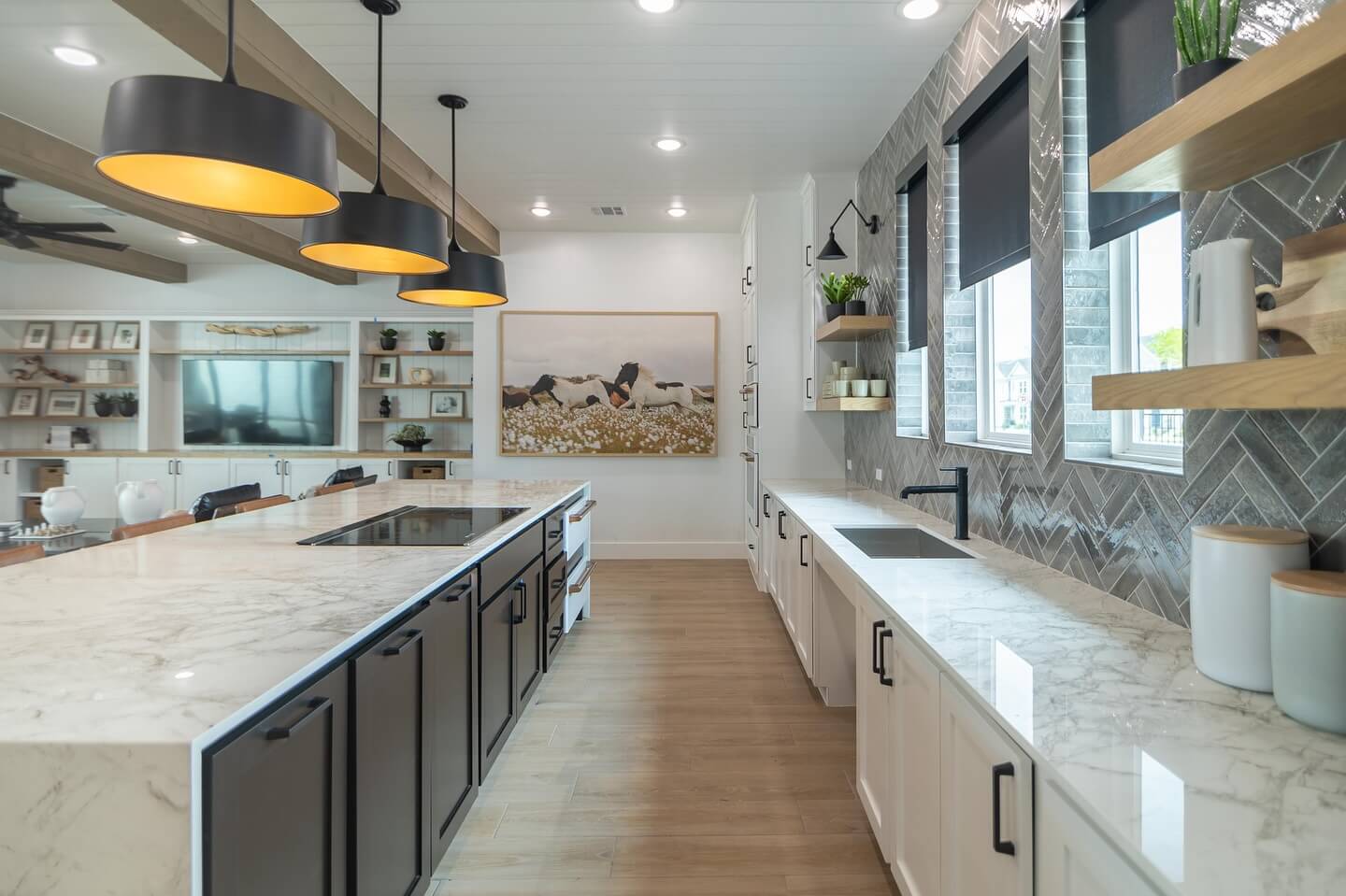
A luxury palette doesn’t have to be light to feel expansive. Try warm neutrals—ivory, mushroom, putty, and smoked oak—layered with a statement stone that carries bold veining across counters, backsplash, and an island waterfall. Then introduce controlled contrast: matte black accents at the faucet and lighting, anthracite frames on vitrines, or a deep espresso range alcove that grounds the room. Balance is everything—let floors and ceilings stay quiet so the stone and millwork sing. Use low-sheen finishes to reduce glare and enhance texture, and calibrate color temperature in lighting (2700–3000K, warm-dim) so evenings feel cocooning, not cave-like. This approach photographs richly, hides wear gracefully, and won’t date as quickly as pure gray or stark white schemes. It complements the article’s emphasis on craftsmanship and proportion, proving that a moody, modern palette can be both timeless and on-trend in a high-end kitchen.
Lighting Layers That Make Luxury Feel Effortless
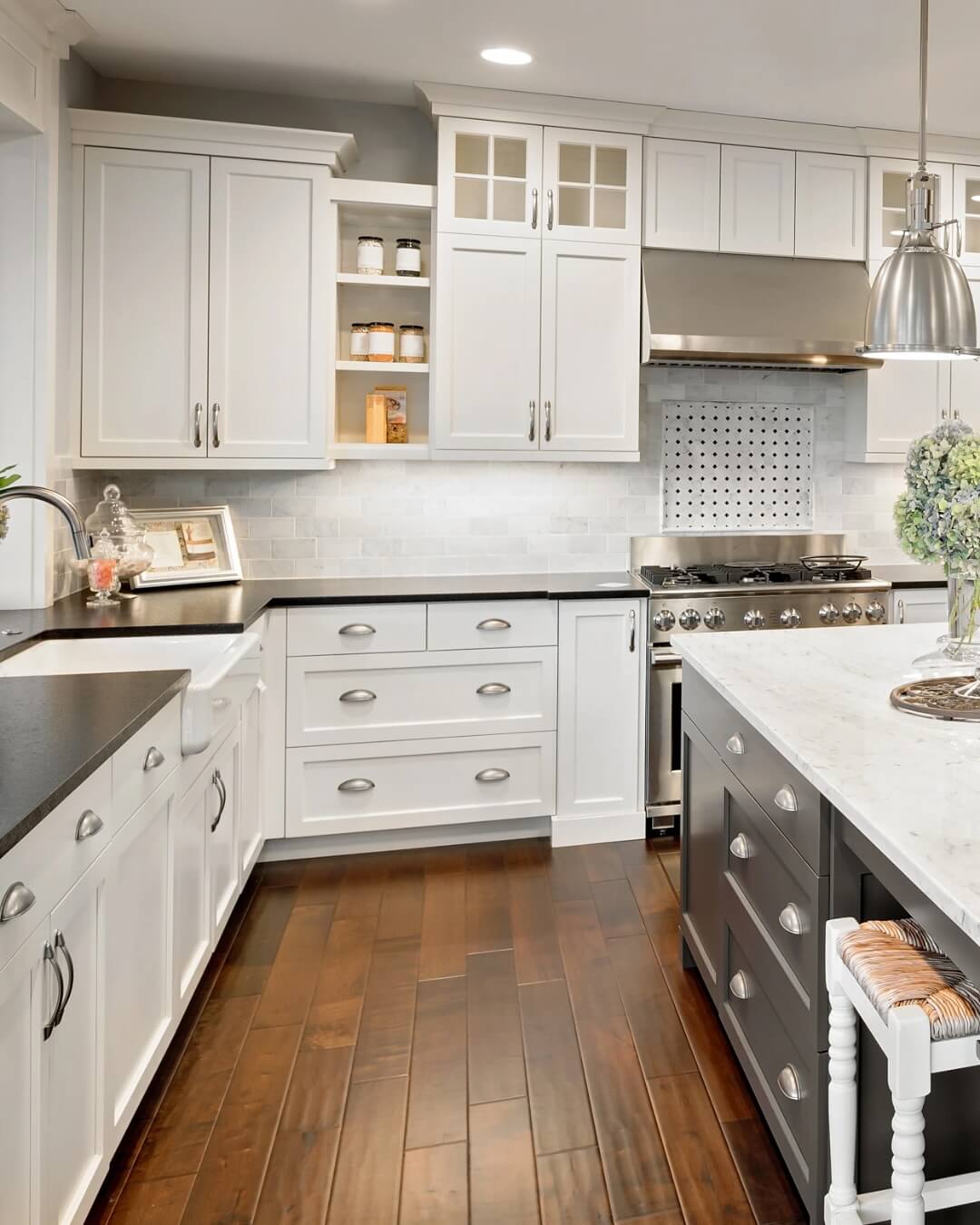
True luxury kitchens glow, they don’t glare. Build a layered lighting plan that flatters materials and supports real cooking: task, ambient, and accent. Start with high-CRI (90+) under-cabinet LEDs at 2700–3000K for crisp prep without harshness; specify continuous, diffused strips so veined stone reads evenly. Add a soft perimeter wash—cove or plaster-in channels—to graze coffered ceilings and paneling, echoing your “Ceiling Moments” while eliminating scallops and hotspots. Over the island, choose sculptural pendants or an alabaster chandelier scaled to the slab; focus on dimmable optics and a warm color temperature so brass, walnut, and marble feel rich, not cold.
Layer in toe-kick lighting to float millwork and provide a night-path glow. Inside vitrines, integrate micro-LEDs on verticals to spotlight glassware—no distracting dots. At the range or sink, slim picture lights or articulated sconces add jewelry-level detail and focused task light without visual clutter. Tie everything to smart, scene-based controls—“Prep,” “Dinner Party,” “Cleanup,” and “After Hours”—with smooth 1% dimming for instant mood shifts. The result is a room that photographs beautifully at noon and feels intimate at midnight, proving that impeccable lighting is the ultimate luxury finish.
Luxury Kitchen Ideas for Smart Appliances, Lighting Design, and Modern Layouts
Technology should disappear into the architecture while enhancing daily rituals and entertaining. Panel-ready refrigeration, quiet dishwashers, and connected ovens streamline routines without cluttering the visual field with competing logos and finishes. Organize the plan into zones—prep, cook, clean, and serve—so traffic flows naturally and appliances land exactly where needed. Favor induction for speed and safety, and pair it with professional ventilation sized to the cooktop’s output. Add a dedicated beverage center to offload morning coffee and evening cocktails from the primary work triangle.
Smart Tech and Lighting Priorities:
- Choose panel-ready column refrigeration with dual compressors, precise humidity control, Wi-Fi diagnostics, and seamless millwork integration to preserve sightlines and achieve a minimalist, gallery-like aesthetic.
- Adopt induction cooktops with bridging zones and integrated ventilation for rapid response, safer surfaces, easy cleanup, and energy efficiency without visual bulk from oversized grates or exposed burners.
- Incorporate steam-convection ovens and warming drawers to diversify cooking methods, retain nutrients, and stage courses elegantly while keeping countertops calm and uncluttered during entertaining.
- Layer ambient, task, and accent lighting with dimmable drivers and 2700K–3000K temperature for warmth, including under-cabinet, toe-kick, and inside-glass-cabinet strips controlled by scenes.
- Use human-centric lighting that shifts color temperature through the day, boosting morning focus and evening relaxation, and sync it with motorized shades to manage glare on glossy finishes.
- Plan dedicated beverage centers with plumbed coffee systems, nugget ice, and backlit glass shelving, diverting traffic from the cook zone and elevating hospitality with bar-quality presentation.
Synchronize devices through a single ecosystem so scenes for cooking, dining, and cleanup adjust lighting, music, and temperature automatically. Hide outlets within drawer boxes, at countertop pop-ups, and under island overhangs to keep backsplashes uninterrupted. Choose near-silent hoods with effective capture and make-up air, preserving conversation while controlling odor and grease. Plan acoustics using soft furnishings, wood ceilings, and paneled walls to absorb clatter from hard surfaces. Ensure clearances—42 inches for work aisles, 48 for multiple cooks—so luxury feels effortless in motion.
Your Luxury Kitchen Questions, Answered
Is marble practical for a luxury kitchen that gets daily use?
Yes, with the right finish and maintenance. Honed marble with a quality sealer resists everyday wear, and adding cutting boards, trays, and trivets protects high-traffic prep zones.
Are smart appliances worth the investment?
They can streamline routines and provide diagnostics that prevent costly repairs. Look for open ecosystem compatibility, remote monitoring, and meaningful features like sous-vide modes or temperature probes that improve results.
How many lighting layers should a luxury kitchen include?
Plan at least three: ambient, task, and accent. Use dimmable drivers and warm color temperatures, then program scenes for cooking, dining, and late-night cleanup to adapt instantly.
What aisle clearances feel truly luxurious?
Aim for 42 inches for single-cook aisles and 48 inches for multi-cook layouts. Wider paths reduce collisions, improve accessibility, and make islands and seating areas more comfortable.
Final Verdict: Luxury Kitchen Ideas That Balance Beauty and Performance
A truly luxurious kitchen isn’t defined by price tags—it’s defined by intention. When craftsmanship, materials, and planning work in concert, you get a space that’s as quiet and composed as it is capable. Prioritize the architectural moves first: a bookmatched stone backsplash with a slim utility ledge, a sculptural waterfall island, and a range wall with real presence. Then dial in the essentials that keep the canvas calm—panel‑ready appliances, concealed larders, and smart, invisible integrations—so the joinery, stone, and light can take center stage.
From there, refine with layers that read as custom: rift‑sawn oak or walnut millwork, fluting or reeded glass for depth, and a considered metal mix across fixtures and hardware. Build a lighting strategy that flatters and functions, and choose a stone story that suits your lifestyle—marble for romance, quartzite for durability. Support the daily rhythm with a scullery or back kitchen, a galley workstation sink to double your prep, and bespoke organization that puts knives, spices, and small appliances exactly where you need them.
Round it out with an envelope that sets the tone—coffered or plaster-detailed ceilings, large‑format stone or herringbone wood underfoot—and a palette of warm neutrals punctuated by high‑contrast moments. Curated vitrines, a discreet butler’s bar, and an easy indoor–outdoor connection elevate both everyday living and entertaining. The result is a timeless, high‑performance hub that looks collected, cooks beautifully, and stays resilient as trends ebb and flow.
