
Transform Your Outdoor Space: Innovative Repurposed Garden Ideas

Gardening has always been a cherished pastime, cultivating a deeper connection with nature and providing serene sanctuary amidst the daily hustle. Yet, in today’s era of sustainability, gardeners are increasingly turning to creative repurposing. Whether you’re a seasoned green thumb or just starting your journey, breathing new life into forgotten objects can ignite imagination and contribute to environmental conservation.
Repurposed garden ideas not only provide an opportunity for eco-friendly gardening but also amplify your garden’s aesthetic uniqueness. Imagine turning an old ladder into a vertical garden or converting a vintage teapot into a charming new planter. These inventive ideas don’t just reduce waste but also add character to your outdoor spaces, making every garden visit a delightful experience for family and visitors alike.
Embarking on this journey opens up a world of possibilities. As you repurpose everyday leftovers into conversations pieces, you’re not just building a garden but crafting a story—one that dwells on creativity, frugality, and sustainability. So, let’s explore how you can transform your garden, and in turn, transform the way you view sustainability and beauty in your environment.
Transforming Old Furniture into Garden Decor
Repurposing old furniture into garden decor is an innovative way to add personality and functionality to your outdoor space. By transforming items like chairs, dressers, and tables, you can create unique focal points that are not only visually appealing but also environmentally friendly. For example, an old wooden ladder can be used as a vertical plant stand, perfect for displaying colorful pots of flowers or herbs. This approach not only saves money but also reduces waste by giving new life to items that might otherwise end up in a landfill. By cleverly using paint or sealant, you can ensure these pieces withstand the elements and continue to serve your garden beautifully for years.
Ideas for Repurposing Furniture
- Old Chair Planters: Remove the seat and replace it with a large pot or a soil sack, and you’ve got an instant, charming planter.
- Dresser Plant Stations: Use an old dresser by removing drawers partially and planting shade-tolerant plants in each drawer for a tiered effect.
- Tabletop Herb Garden: Take a worn-out table, add some rustic charm, and a few pots of herbs for a lovely and practical addition.
These transformations are all about creativity and envisioning potential in objects that might seem past their prime. Using old furniture adds character and charm that mass-produced decorations often lack. Experimenting with colors, textures, and plant arrangements further personalizes these pieces, making them exclusive to your garden. It’s crucial to prepare the furniture adequately, ensuring it’s well-coated to resist moisture and prevent decay. This makes your DIY projects not only aesthetically pleasing but also durable against changing weather conditions. By investing time in repurposed garden ideas, you’re cultivating a more sustainable environment reflecting your unique style.
Upcycled Wheelbarrow Wonders
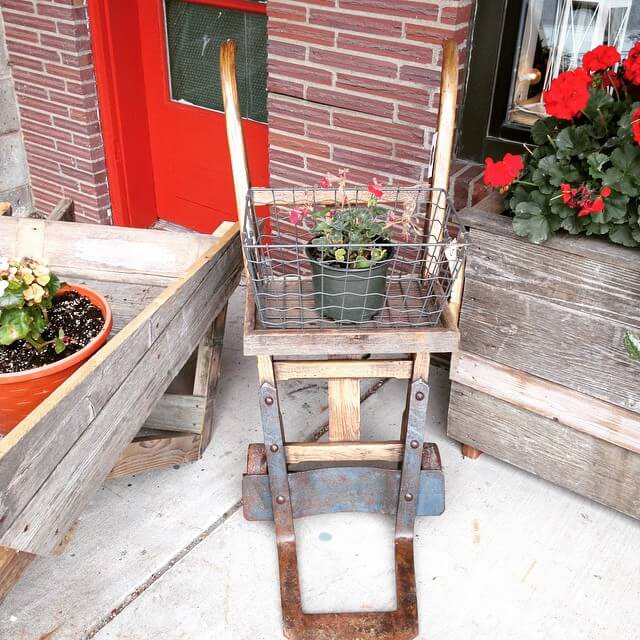
Transforming an old wheelbarrow into a vibrant garden centerpiece is a perfect example of functional repurposing. This method is ideal for those who love combining rustic charm with practicality. An upturned wheelbarrow provides ample space and drainage for plants, making it a versatile planter. Consider filling it with a mix of colorful annuals or cascading perennials that can thrive in varied soil conditions. This style not only reduces the clutter in your garden but also showcases your creativity in upcycling forgotten objects. Position the wheelbarrow strategically to draw attention, perhaps near a seating area or as a focal point in a flower bed, turning it into an ever-changing seasonal display.
Thriving Flora in Unlikely Places
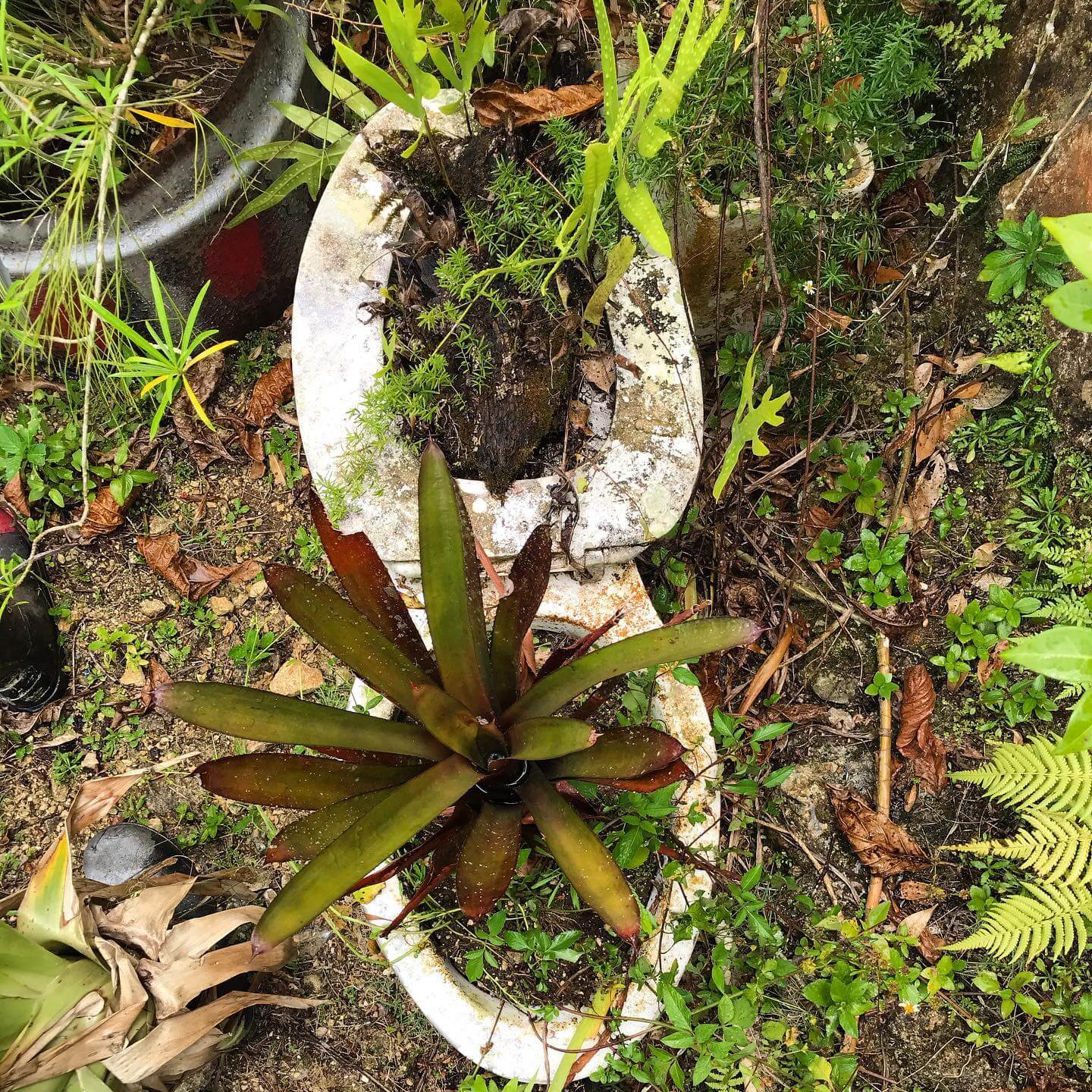
Elevate your garden’s uniqueness by using a repurposed toilet as an unexpected planter. While unconventional, this quirky addition can become a conversational piece in your garden. It’s an excellent choice for moisture-loving plants due to the drainage system inherent in toilet design. Fill it with a mix of native ferns and lush greenery to contrast its stark white porcelain, blending seamlessly with the natural environment. Such repurposing not only showcases imaginative thinking but also further cultivates an eco-friendly gardening ethos by giving new life to discarded items.
Breathing Life into Vintage Kitchenware
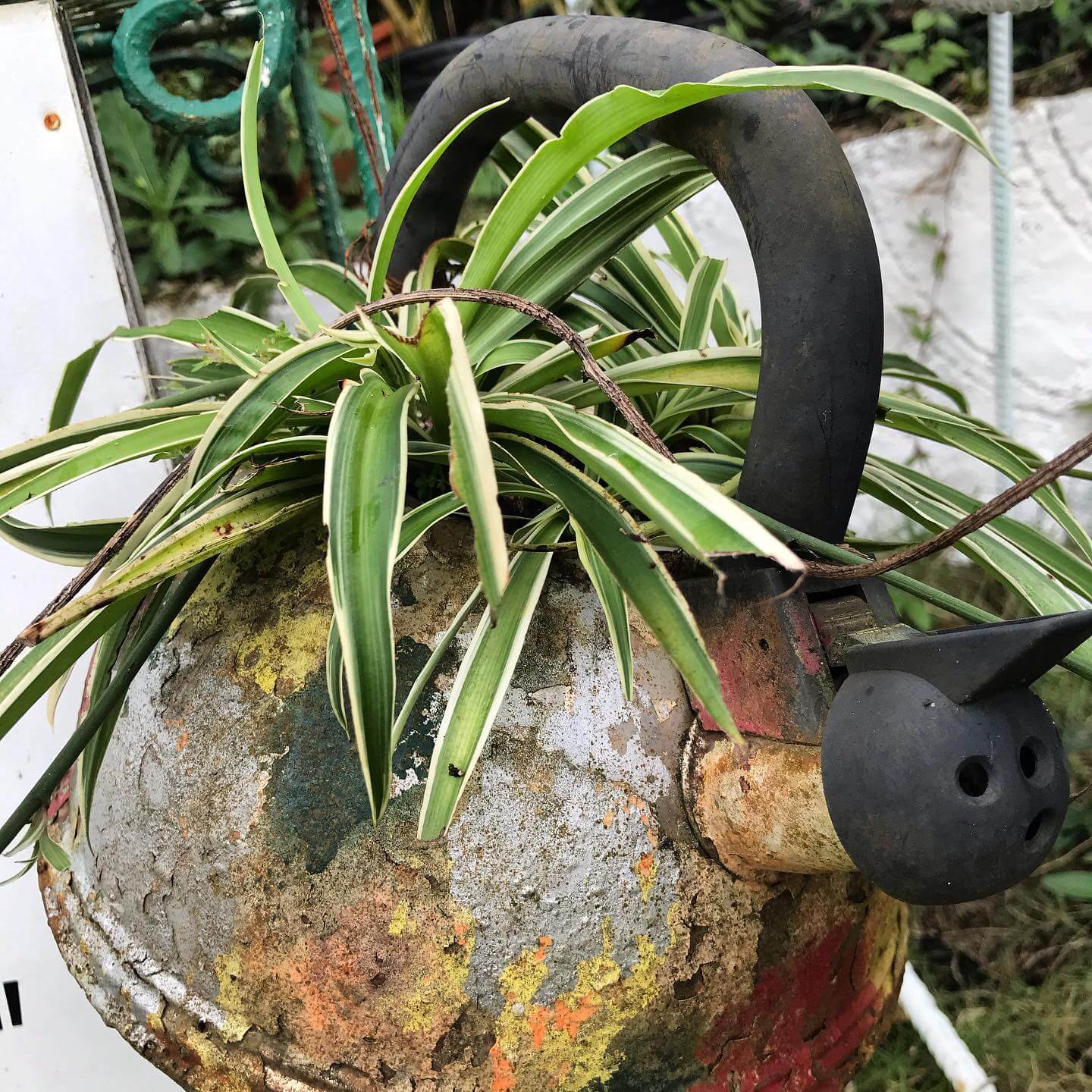
A vintage kettle lends itself beautifully as a unique planter, adding rustic charm and whimsy to your garden scene. The compact size of a kettle makes it ideal for smaller plants like spider plants or succulents, which can thrive in constrained spaces. The handle serves as a practical feature, allowing you to hang it or place it on a window sill. This transformation turns a simple, everyday item into a powerful decor piece, marrying functionality with aesthetic appeal. Re-imagining such objects allows you to infuse your personal style into every corner of your garden, promoting sustainability through creative expression.
The Charm of Teapot Gardens
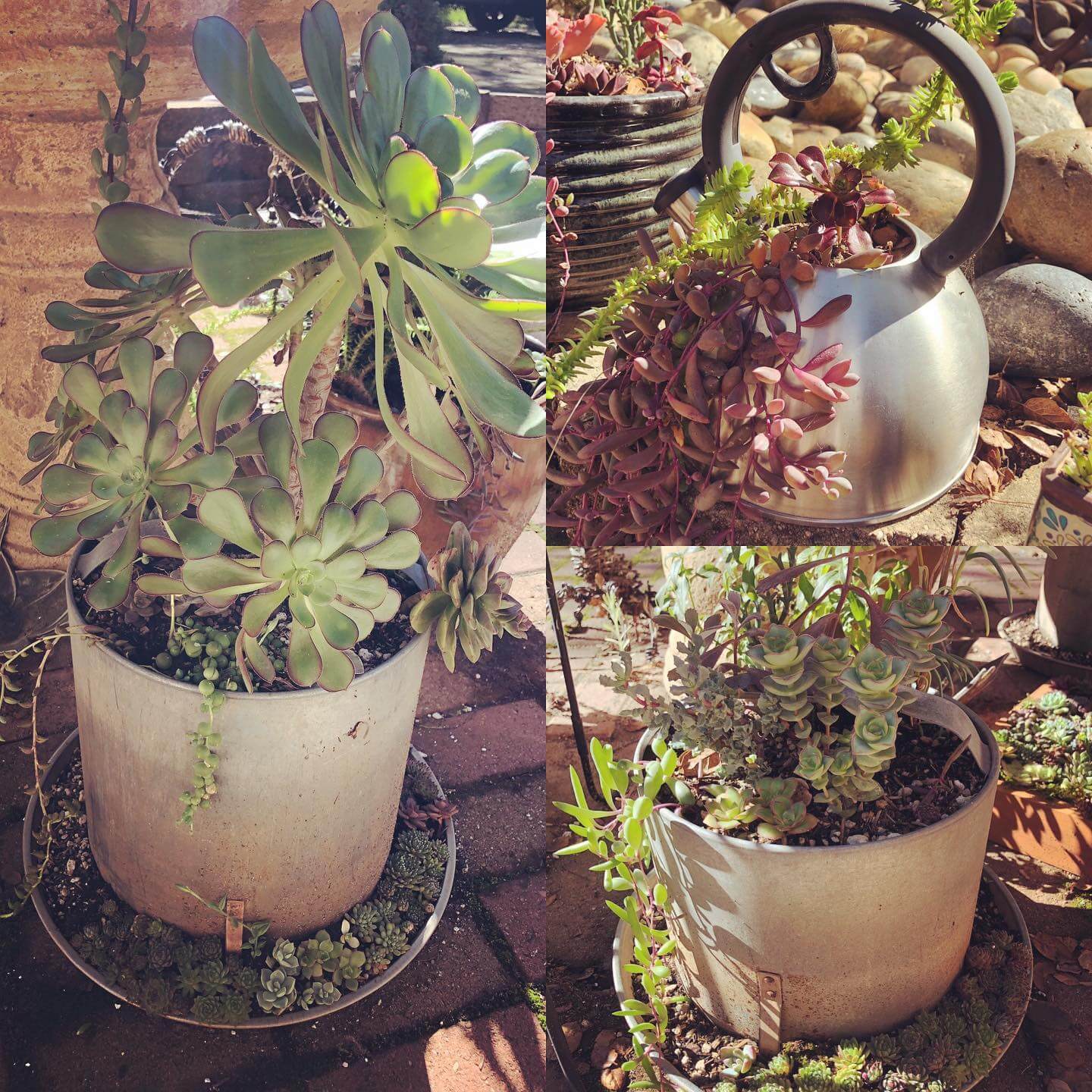
Repurposing teapots as planters can contribute significantly to the cottagecore aesthetic of your garden. These quaint vessels are perfect for housing succulents and small herbs, providing an enchanting look. Arrange multiple teapot planters on garden shelves, or use them to line pathways to subtly reinforce the garden’s theme. The juxtaposition of delicate plant life sprouting from elegant ceramic designs can transform an ordinary garden space into a magical retreat. This practice of reusing common kitchenware underlines the symbiotic relationship between functionality and art in sustainable gardening practices.
Boots with Blooms
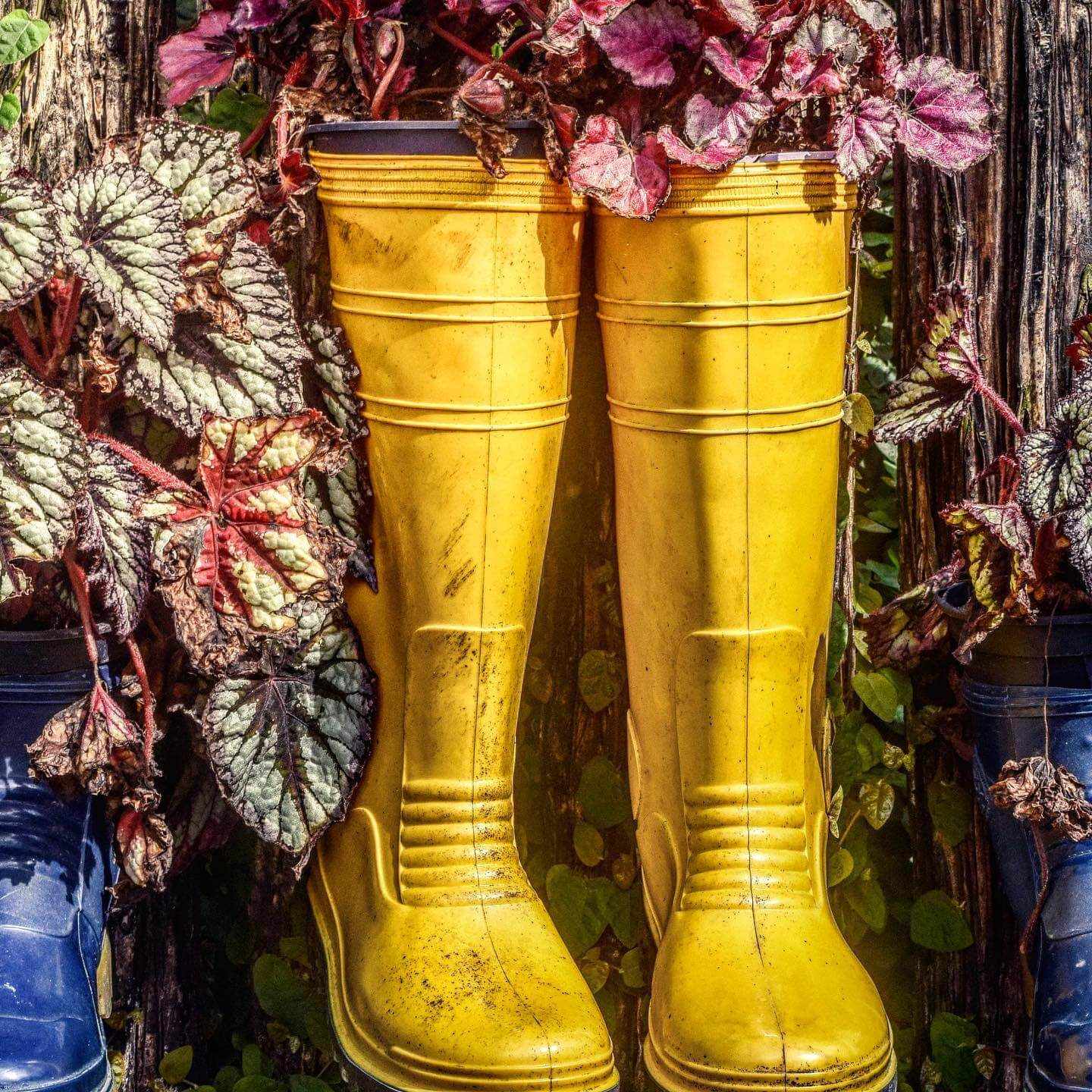
Transform old rain boots into vibrant flower planters to add a pop of color to your garden. The tall, narrow structure of boots works well for plants with deeper root systems. Line a fence or garden bed with these upcycled boots, filled with begonias or petunias to create an eye-catching vertical display. This innovative idea not only contributes to a sustainable gardening approach by minimizing waste but also elevates the garden’s playful character. By experimenting with colors and patterns, you can craft a personal oasis where creativity and nature flourish side by side.
The Reimagined Garden Cart
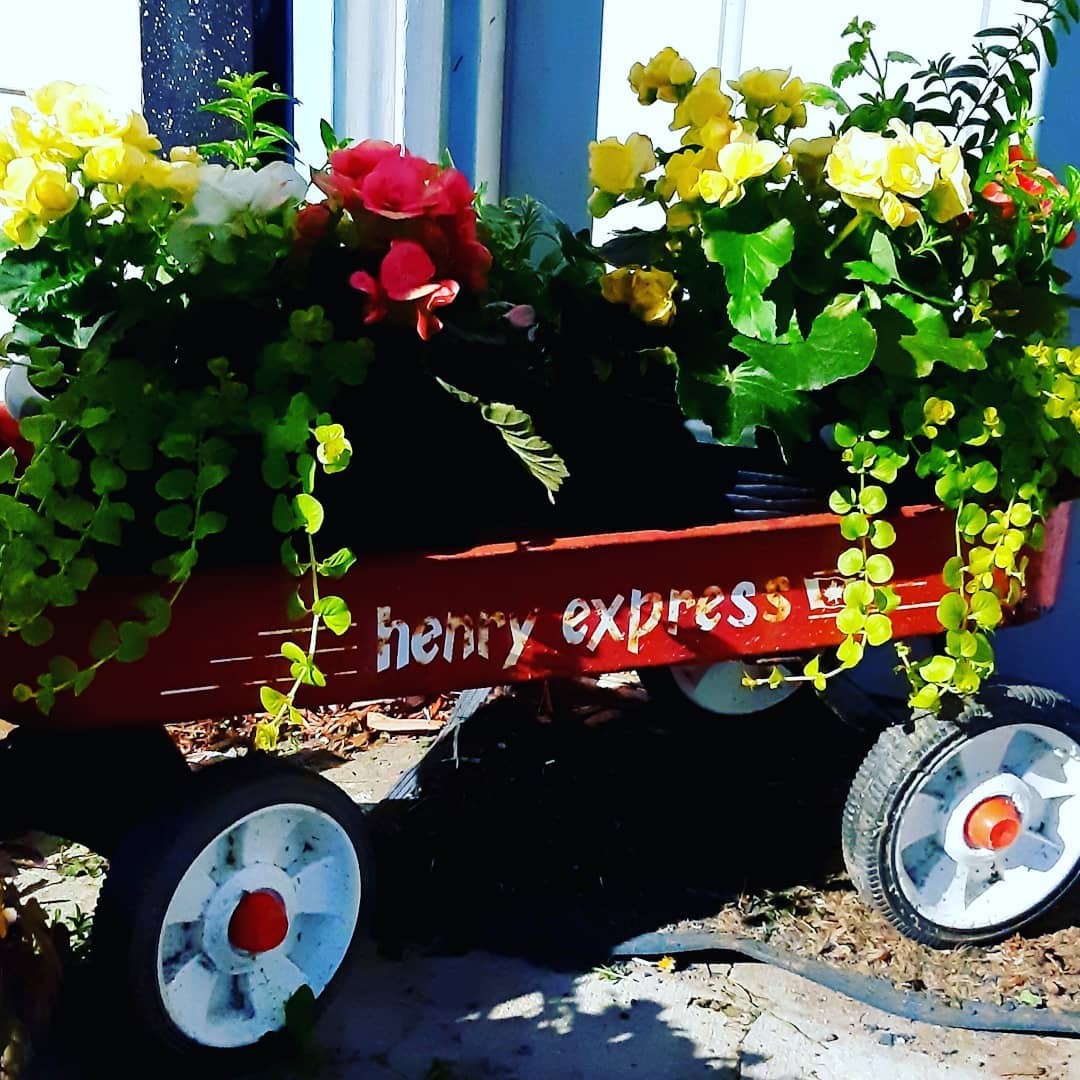
Turning an old wagon or cart into a portable garden is an exciting way to change your outdoor aesthetic. The mobility of a cart allows you to alter your garden’s layout easily, accommodating seasonal plants or quickly adapting to sun and shade shifts. Fill it with cascading vines or colorful blooms to create an ever-evolving garden feature. This dynamic gardening method is not only a testament to creative reuse but also an expression of adaptability and versatility in garden design, encouraging ongoing interaction with your environment.
From Laundry to Lush
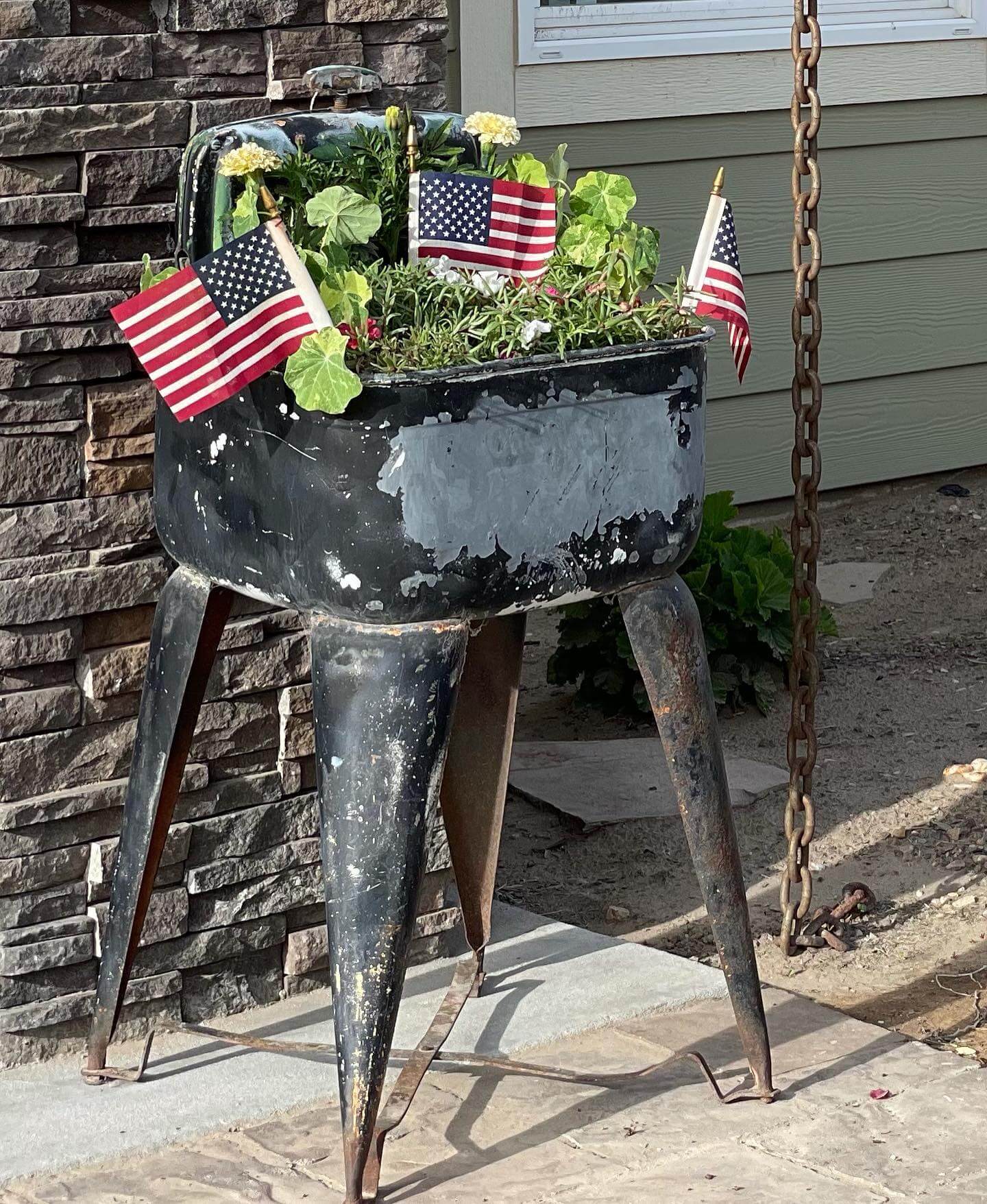
Repurpose an old laundry tub as a sturdy planter, introducing a vintage twist to your garden. Its depth and durability make it ideal for more extensive plantings or even a compact vegetable garden. The elevated design of the tub can help protect plants from pests and create a striking visual element. Planting a mix of trailing perennials and vibrant annuals will add lushness and color to any setting. This innovative use of household items emphasizes the charm of combining functionality with nature, while underscoring sustainable practices in garden embellishment.
Succulent Planters in a Broken Barrel
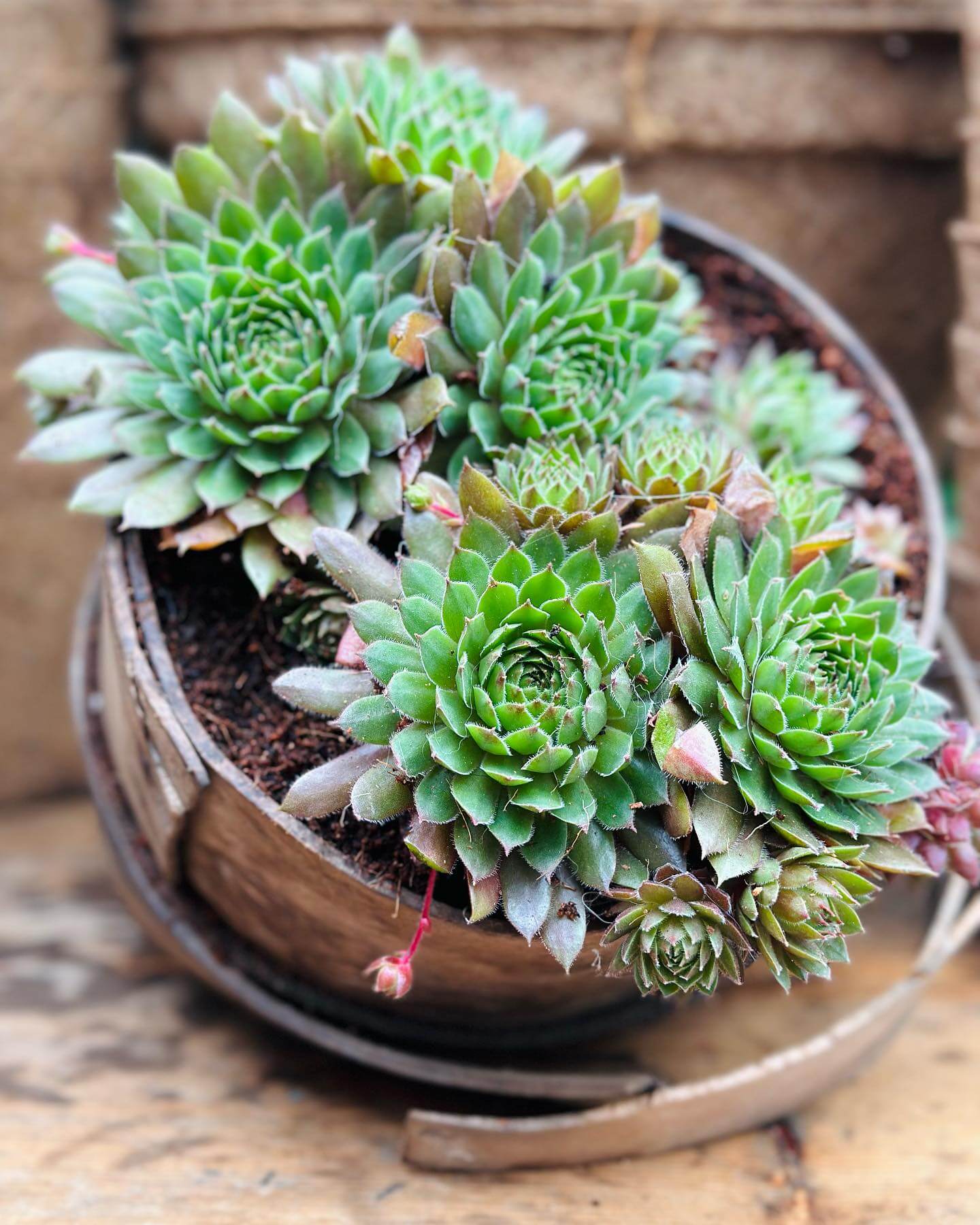
Breathe new life into a broken barrel by repurposing it as a succulent planter. The rustic appeal of a weathered barrel complements the resilient beauty of succulents. This setup requires minimal maintenance while providing structure and stability for your plants. Fill the basin with gravel and a specialized soil mix to encourage drainage, and arrange succulents in a harmonized pattern to enhance visual interest. The imperfect lines of the broken barrel juxtapose beautifully against the geometric perfection of succulents, creating an outdoor centerpiece that harmonizes natural beauty and sustainable design.
Crate Creators: Stackable Garden Shelves
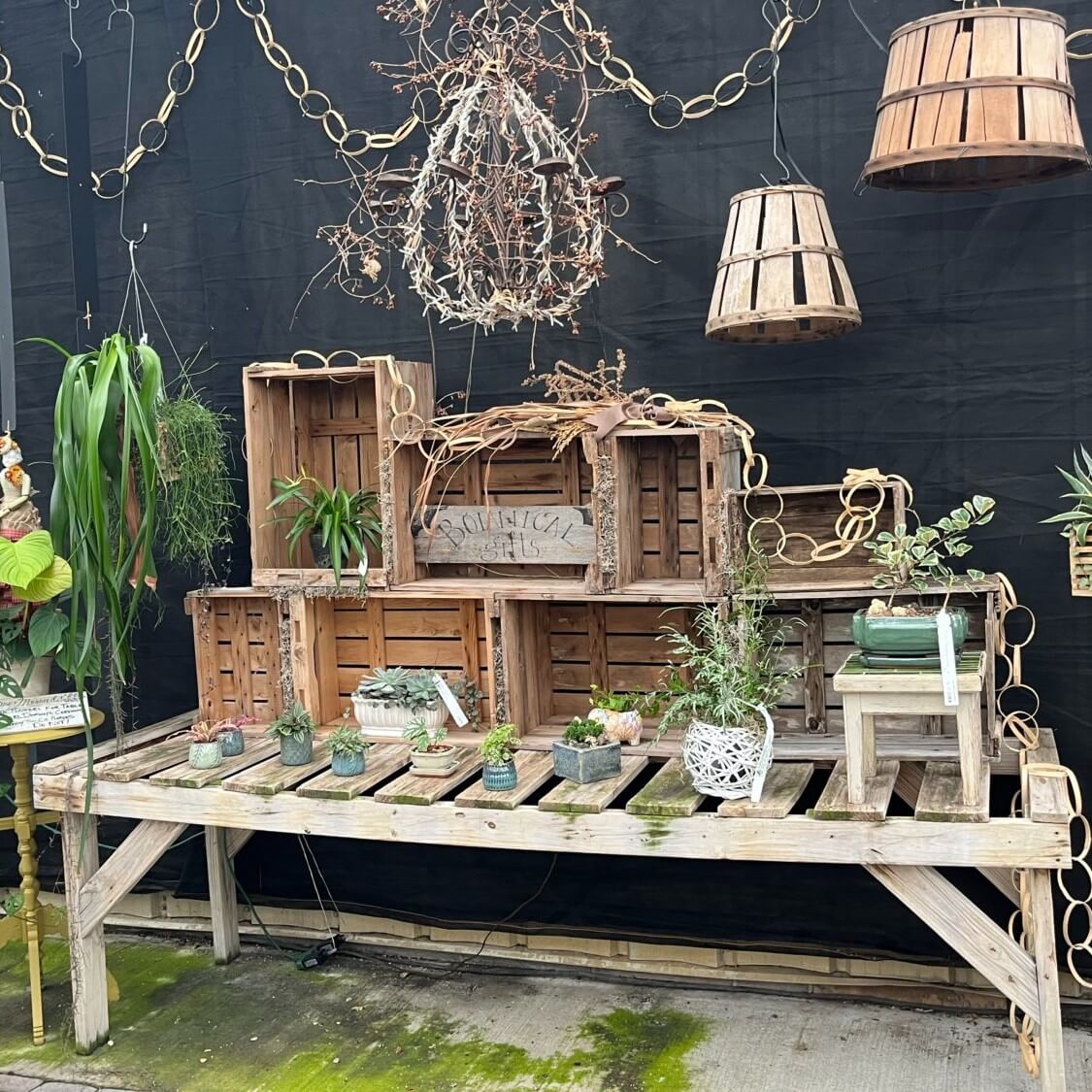
Wooden crates can be stacked and arranged to form rustic garden shelves, offering both storage and display. These structures are perfect for showcasing potted plants, herbs, and decorative pieces, effectively utilizing vertical space in constrained areas. The versatility of crates allows easy rearrangement to suit seasonal changes or personal preferences. Whether placed against a wall or used as a standalone unit, this approach reflects creative resourcefulness and a commitment to eco-friendly gardening solutions. Use the crates to tell a story of natural beauty synthesized with human imagination.
Succulent Seedlings: A Simple Start
Starting a succulent garden from seed is both a rewarding and visually delightful endeavor. Using small trays or containers, nurturing seedlings before transferring them allows you to experiment with different layouts and designs. Succulents’ perseverance makes them ideal for first-time growers, while their variety offers endless design opportunities. Position these compact, charming arrangements throughout your garden to introduce varying textures and colors. This straightforward practice not only harnesses the beauty of succulents but also emphasizes a mindful approach to sustainable planting, encouraging a thoughtful balance between design and nature.
Collected Container Gardens
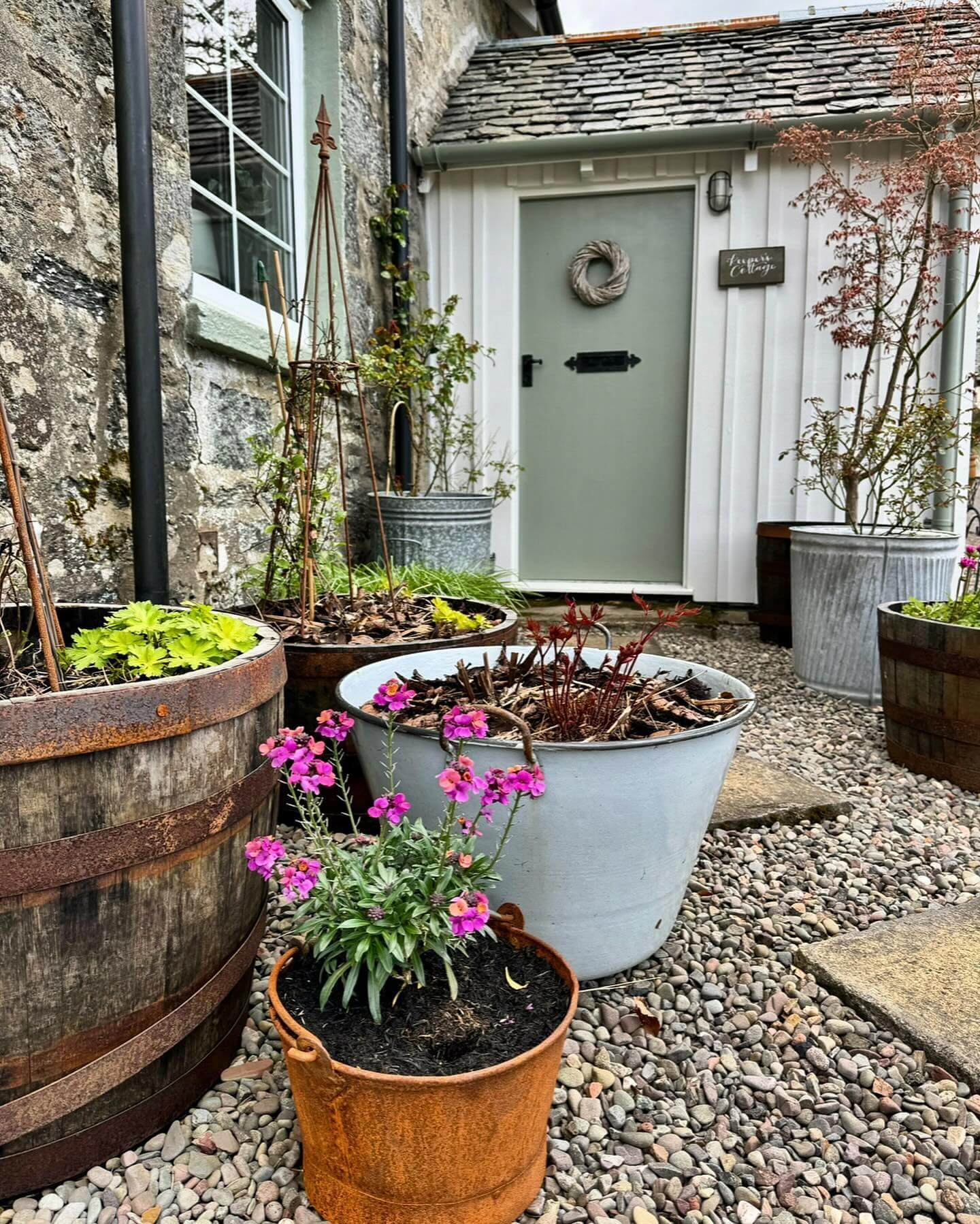
Container gardening takes on new charm and function when beautiful, repurposed vessels adorn your garden spaces. This setup showcases how everyday containers, from rustic metal tubs to vintage buckets, can host vibrant blooms. The arrangement blends rustic appeal with a splash of color, creating a welcoming atmosphere by the entryway. By selecting containers of varying sizes and finishes, you elevate your outdoor decor with a textured and harmonious look. Each container tells its own story of reinvention, while collectively nurturing a diverse range of plants. This approach not only fosters sustainability but also allows for easy relocation, ensuring your floral display thrives in optimal conditions year-round.
Typing New Growth: Succulents in Vintage Typewriters
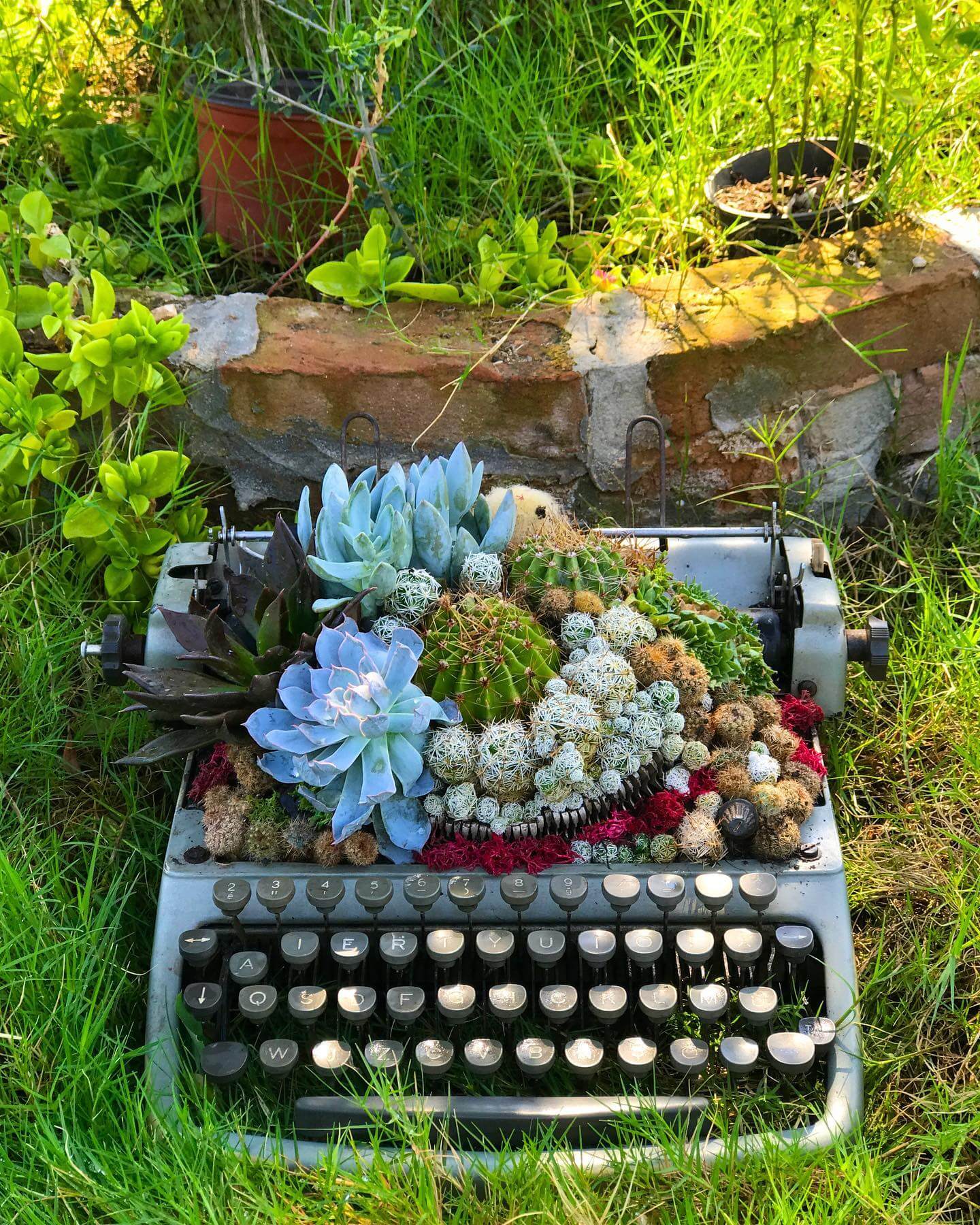
Combine your love for vintage aesthetics with gardening by transforming an old typewriter into a succulent planter. This inventive project turns a classic relic into an imaginative focal point that suits both indoor and outdoor settings. Succulents, with their low maintenance and sculptural forms, thrive nestled among the keys and levers, creating a captivating contrast between nature and nostalgic machinery. This idea brings personality and whimsy to your green space while celebrating the art of repurposing. It’s a unique conversation starter, perfect for gardeners with an eye for detail and a love for upcycled design.
Drying Triumphs: Reusing Laundry Racks in the Garden
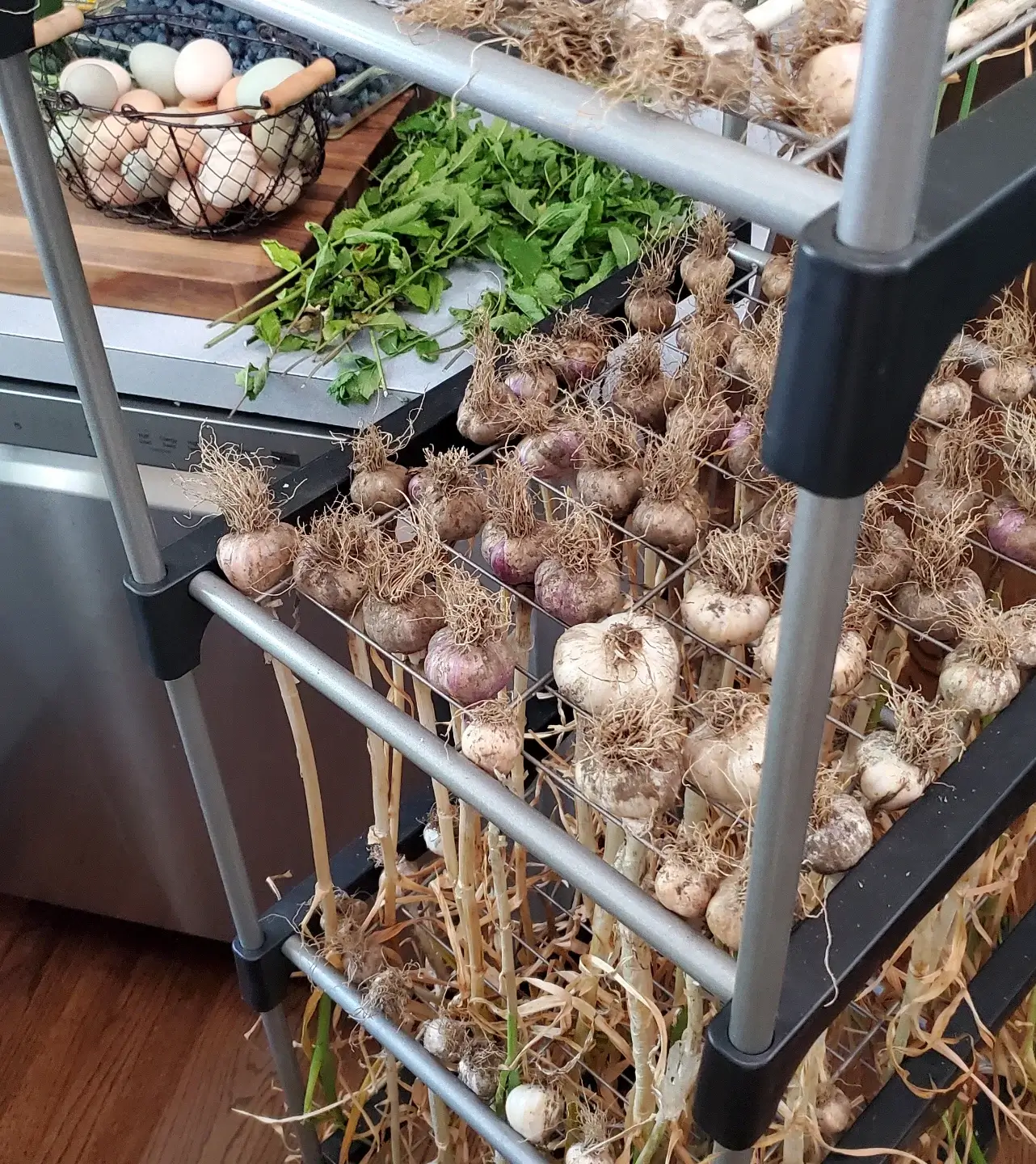
Discover how your old laundry rack can double as a handy gardening tool. Using this everyday item for drying harvested herbs or bulbs adds a practical and sustainable element to your gardening activities. By efficiently air-drying produce, you maintain the quality and extend the shelf-life of your bounty. This ingenious repurposing not only saves space but also reduces the need for new drying equipment, embodying the core principles of sustainability. It’s a perfect way to blend gardening and practical household tasks, maximizing the use of your available resources creatively.
Window of Opportunity: Old Frame Greenhouses
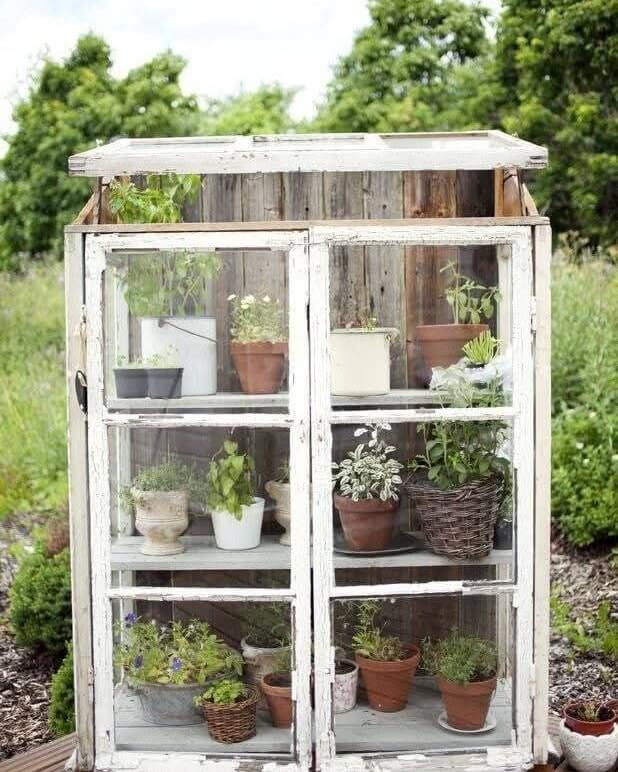
Why let your old windows go to waste when they can serve as a quaint mini-greenhouse? This approach makes use of vintage window frames to fashion a charming shelter for potted plants. Besides offering protection from harsh weather, it creates an enchanting rustic aesthetic. The translucent glass ensures adequate light for your plants, while the sturdy frame offers structural support. This creative project exemplifies how architectural salvage can breathe new life into your garden, helping cultivate anything from seedlings to delicate herbs with style and sustainability.
Vertical Dream: Repurposed Trellises and Frames
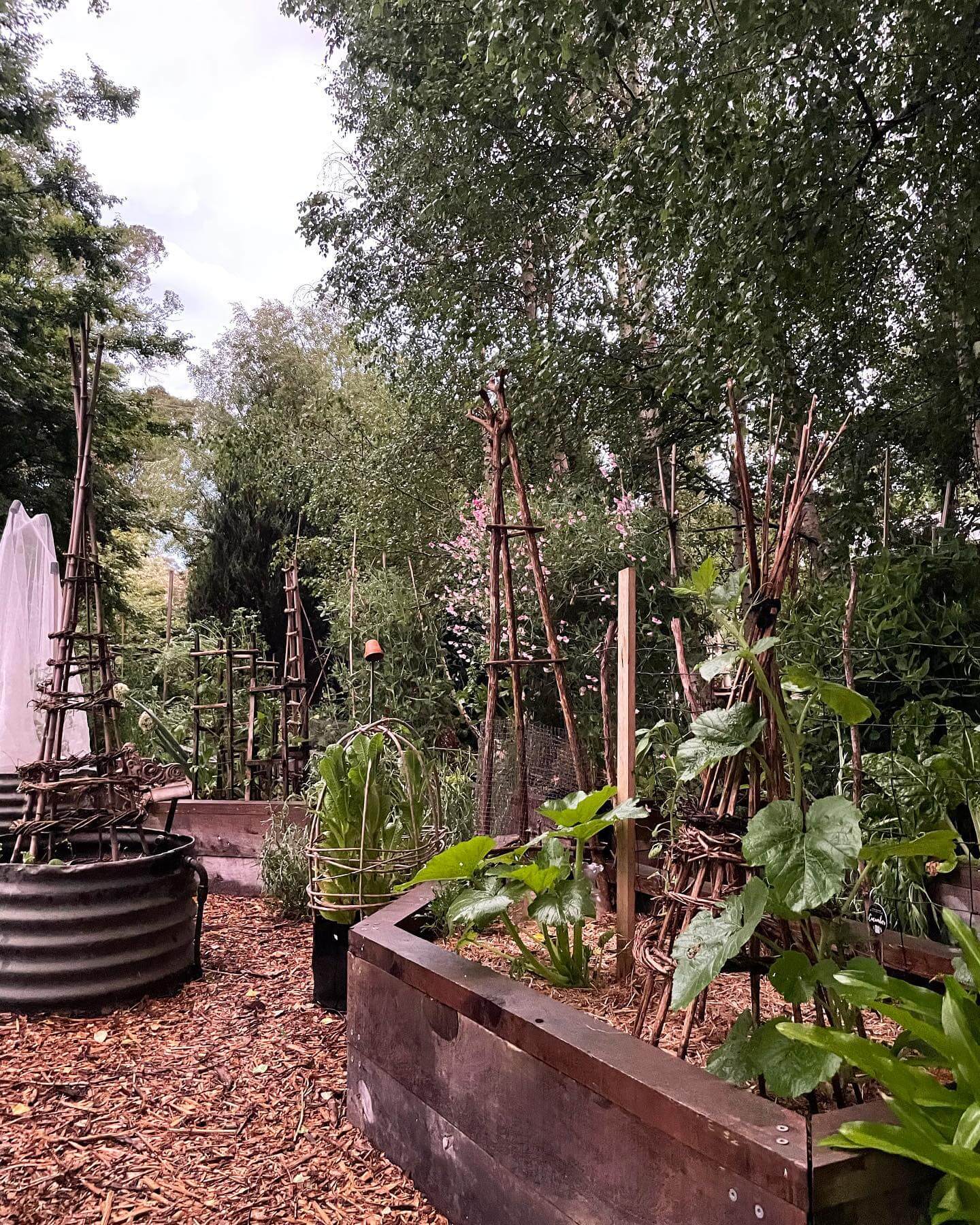
Take your repurposed gardening up a notch by transforming unassuming materials into a thriving vertical garden. Old wood and twigs come together as trellises and frames, offering robust support for climbing plants and vegetables. These structures maximize your vertical space while adding depth to your garden. They beautifully accommodate flora, lending them an upcycled elegance that blends into the natural surroundings. Engaging in this creativity not only enhances plant health but also contributes to a visually appealing and organized gardening experience, bringing form and function together with sustainable consciousness.
Hanging High: Inverted Bucket Gardens
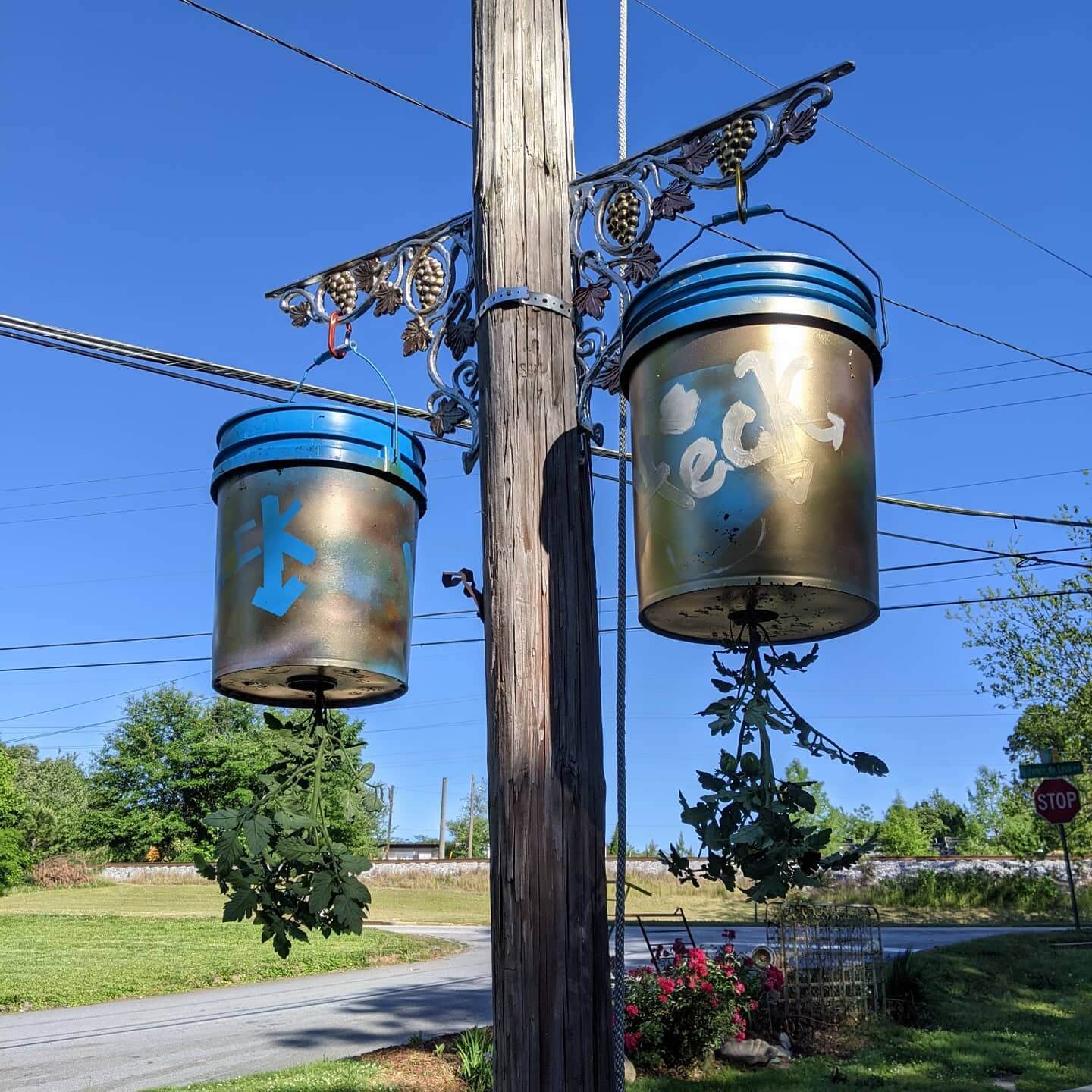
For a touch of industrial whimsy, try creating an inverted bucket garden. These repurposed pails, suspended creatively, make unique and eye-catching planters. The upside-down configuration is perfect for trailing plants, simultaneously offering aesthetic intrigue and freeing up valuable ground space. This imaginative idea can invigorate corners of your garden or even brighten urban balconies with greenery. Embrace this novel approach to vertical gardening, combining repurposed materials with plant life, while capturing the essence of modern sustainability and quirk.
Palette Perfection: A Colorful Vertical Garden
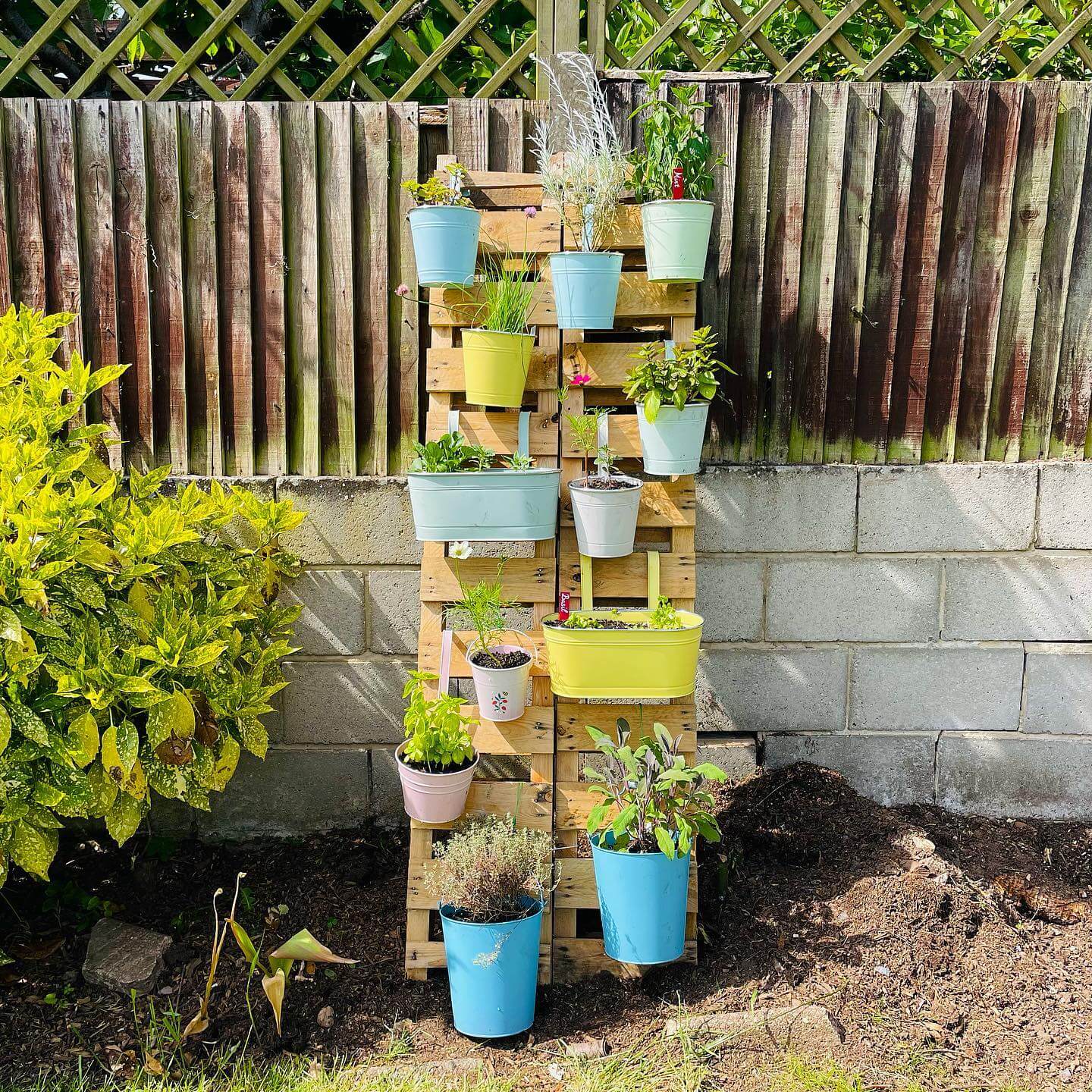
Transform old wooden pallets into vibrant living walls that enrich your garden’s aesthetic while efficiently utilizing space. This project involves securing colorful planters to the pallet, allowing you to build a garden that requires minimal ground area yet delivers maximum visual impact. With each pot filled with different herbs or flowers, you can create a stunning rainbow of botanical life. This easy DIY solution highlights the versatility of pallets, turning them into functioning art pieces that embody creativity, sustainability, and originality.
Stairway to Bloom: Ladder Gardens
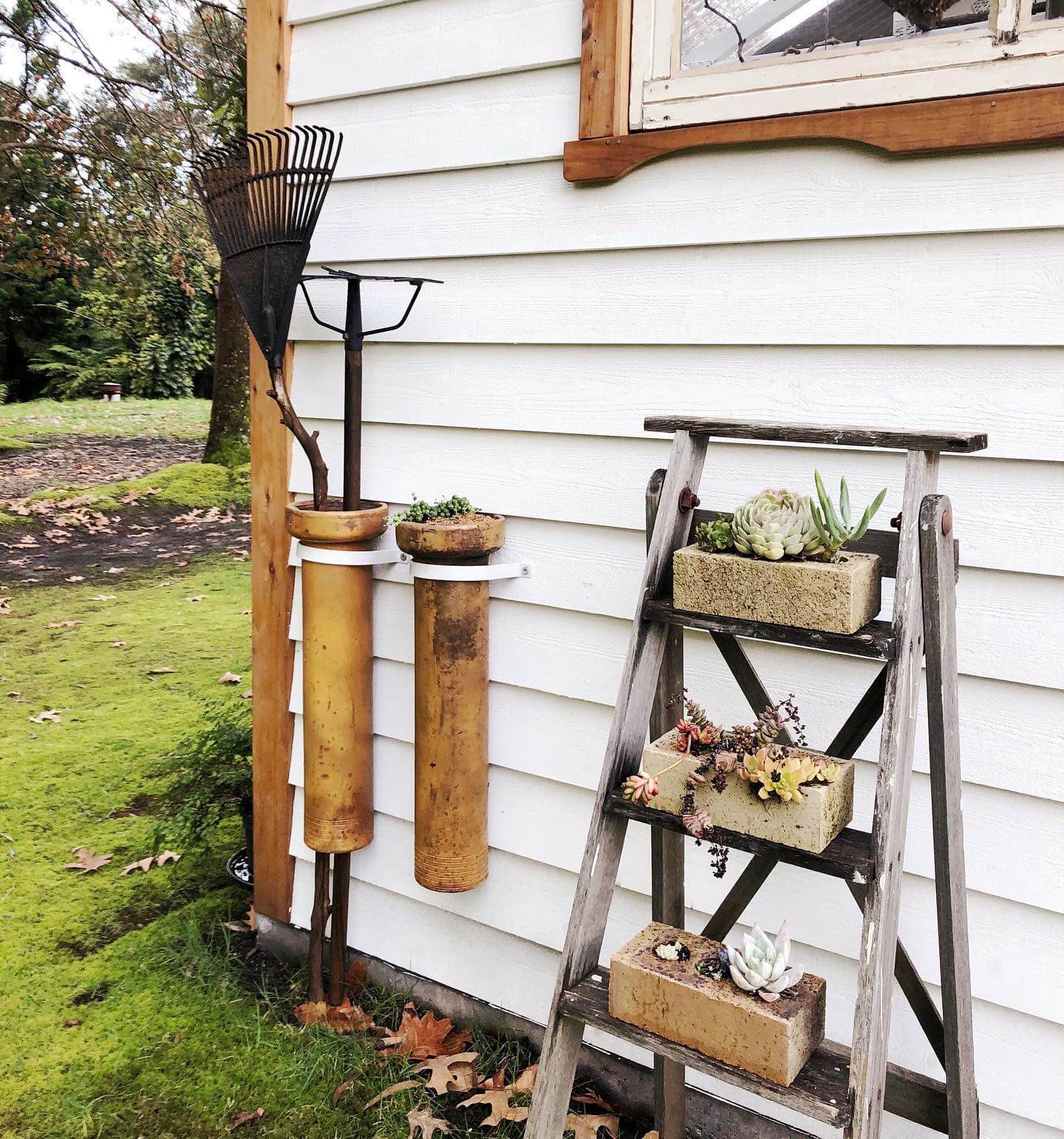
Turning an old ladder into a plant stand merges functionality with rustic charm. This inventive use of space allows for a cascade of planters brimming with life. By stacking bricks or other stable containers on each step, you can display succulents and herbs in a tiered fashion that adds height and visual interest. Such setups are easy to maintain and move, making them ideal for adaptable gardens. Through resourceful creativity, you can bring dynamic layers to your outdoor sanctuary, showcasing nature’s beauty in delightful, eye-catching ways.
Denim Delight: Jeans as Creative Planters
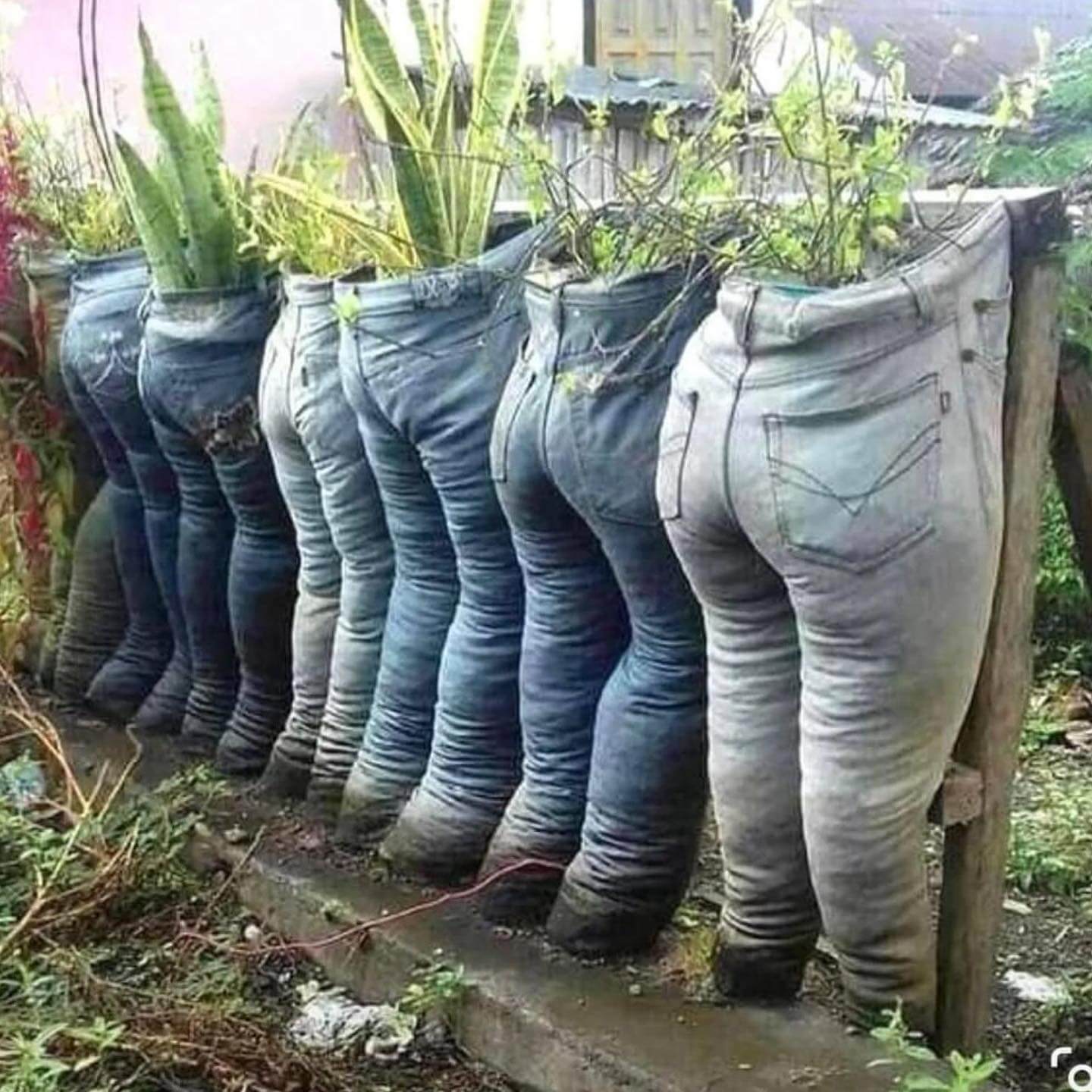
Repurpose your worn-out jeans into quirky, unexpected planters. This playful approach uses the denim legs as sleeves for soil and plants, arranged in a standing ensemble full of verdant life. It’s a humorous take on garden decor, blending fashion and horticulture, while keeping old clothing out of landfills. These cheeky planters not only draw the eye but also ignite laughter and conversation, embodying the joy of turning discarded items into fun, living art that enlivens garden environments.
Crafted Cold Frames: Modular Indoor Gardens
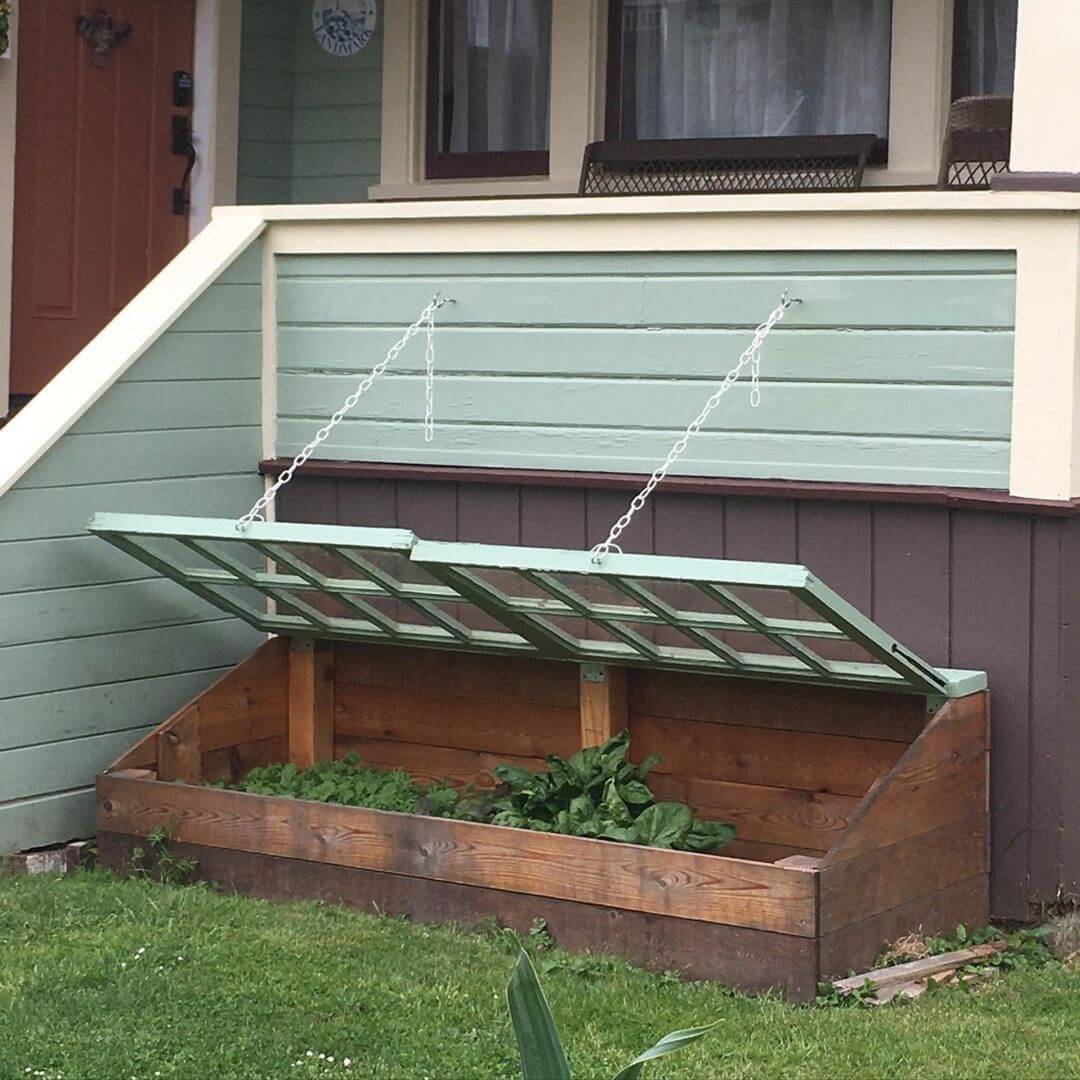
By converting old windows and wood into cold frames, you create a seamless blend of form and function for your garden. This setup can be perfect for nurturing plants that need protection and a controlled environment. Ideal for extending growing seasons or protecting delicate plants from harsh weather, cold frames showcase the innovative use of unconventional materials. They form the backbone of sustainable gardening practices, giving your green thumb an edge in maintaining a vibrant, productive space.
Rustic Charm: Traditional Trellis Techniques
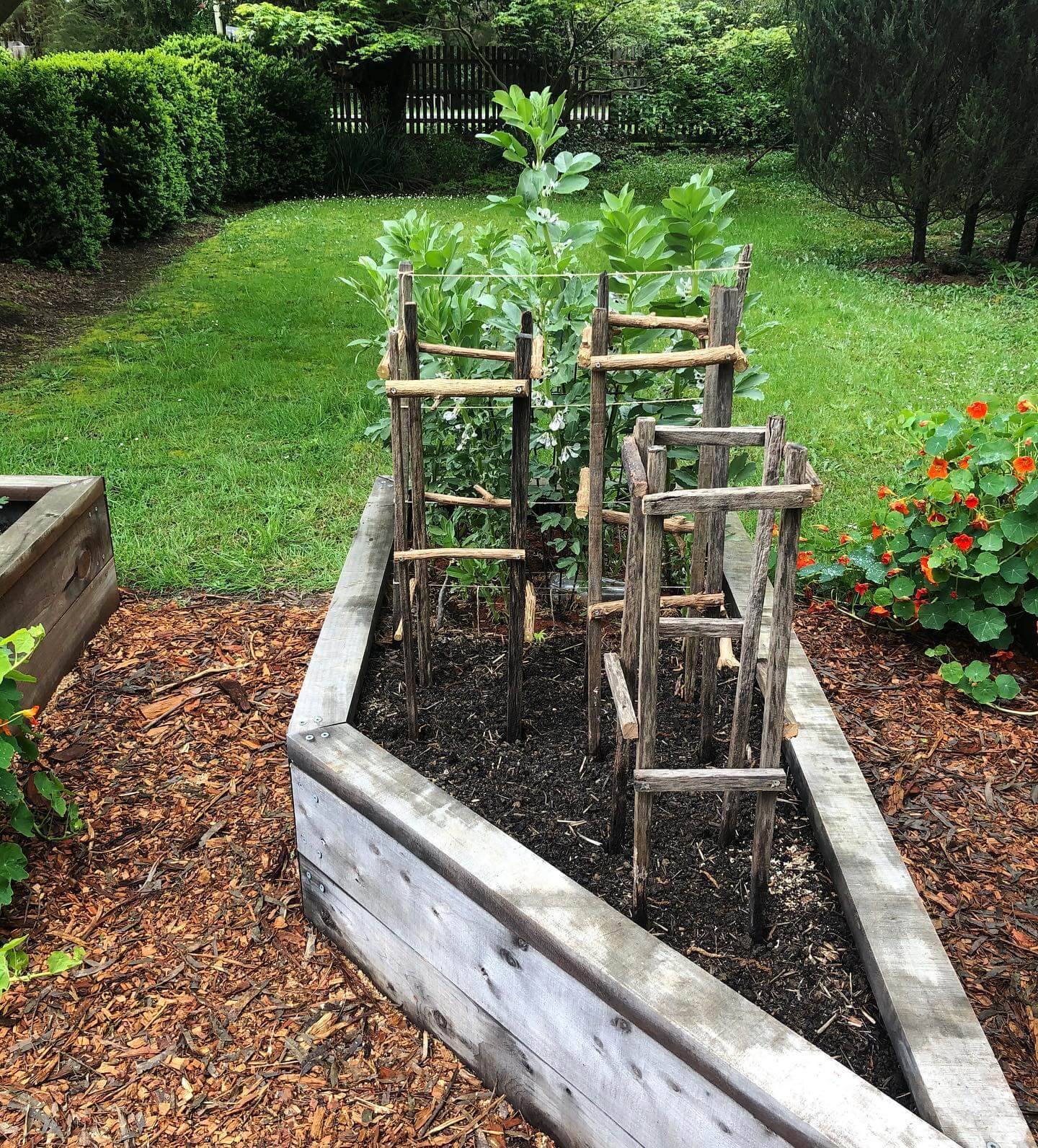
Incorporating rustic trellises into your garden can elevate both functionality and aesthetics. These wooden constructions not only support climbing plants but also add a timeless charm to your garden landscape. By utilizing reclaimed wood, you contribute to sustainability while giving your plants a sturdy framework to flourish. The earthy tones of weathered lumber can seamlessly blend into any garden theme, providing a harmonious backdrop to vibrant blooms or lush greenery. Adorning these trellises with climbing beans, sweet peas, or morning glories can create a stunning visual dynamic, essentially turning practical plant supports into enchanting garden features.
Vintage Vibe: Garden Chairs with a Twist
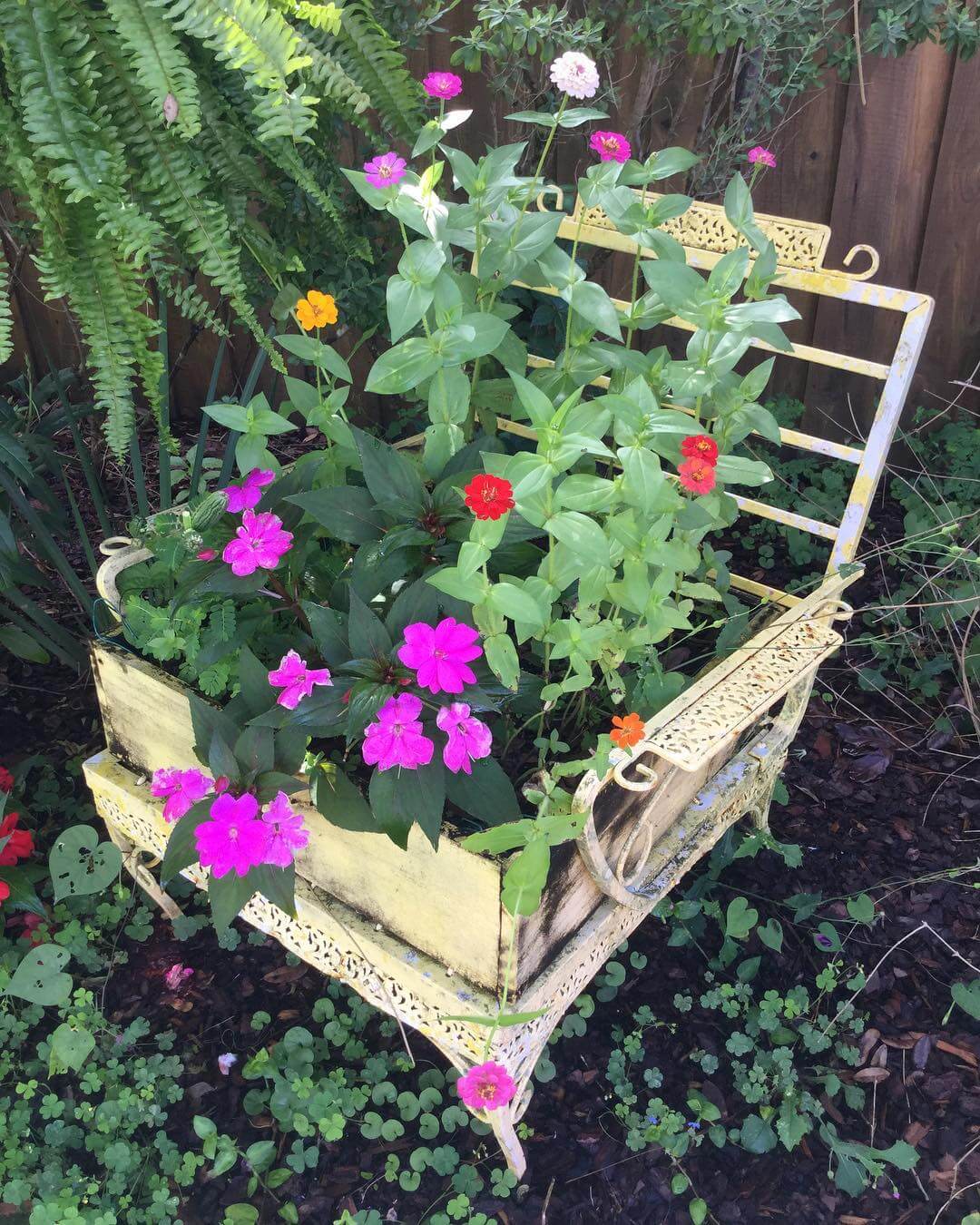
Breathing new life into old furniture is a staple of repurposed gardening. Transforming a vintage chair into a planter brings a nostalgic and whimsical touch to your garden. By removing the seat and inserting a large planter filled with bright blooms, you create an eye-catching focal point that exudes creativity. This approach emphasizes your commitment to reducing waste while crafting unique garden elements. Furthermore, these chair planters can be effortlessly rearranged, allowing flexibility to refresh your garden layout with the seasons or your shifting design preferences.
Tidy Tubs: Practical Planter Solutions
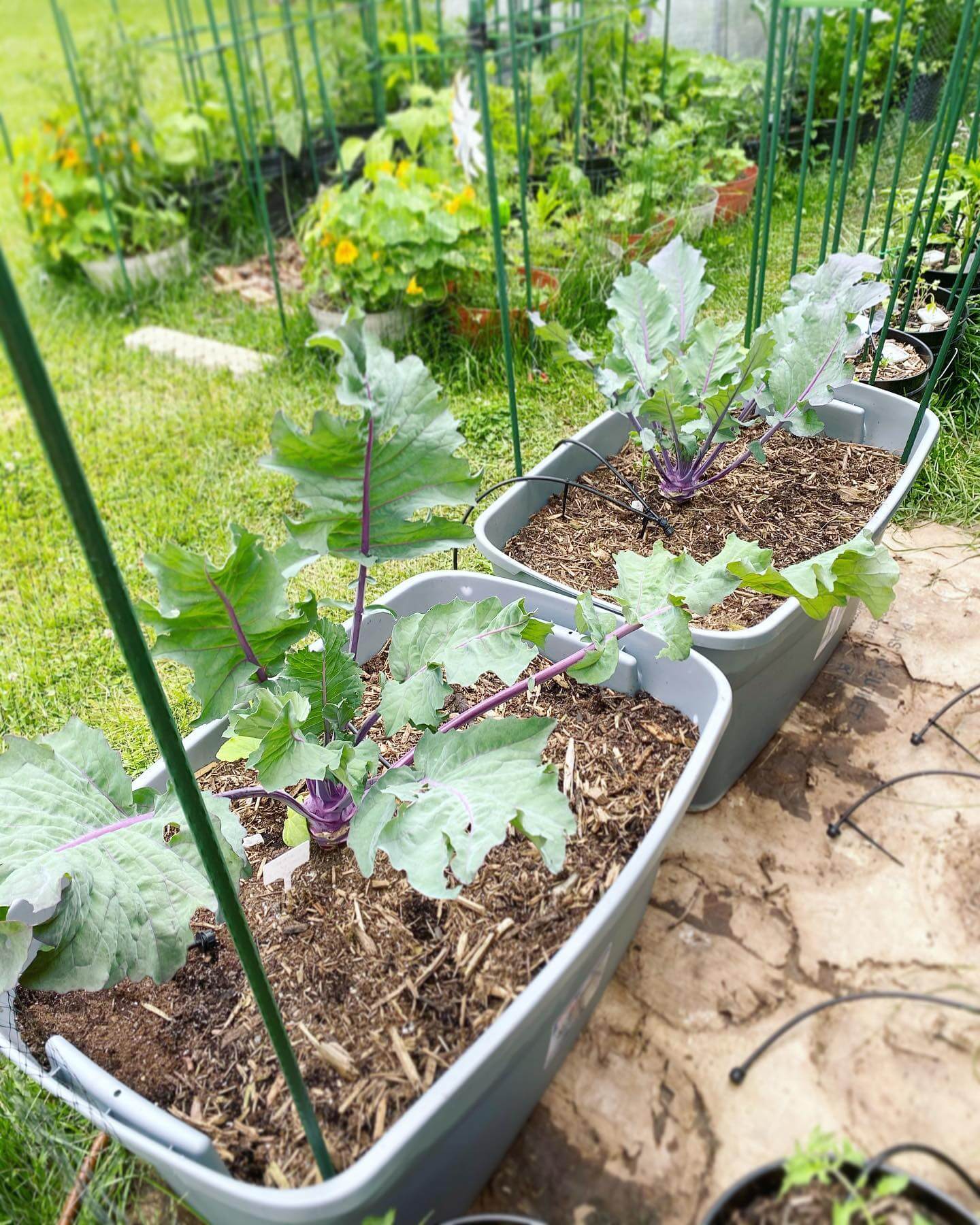
Utilizing everyday household items as planters offers both convenience and conservation. Sturdy plastic tubs, often overlooked, can be repurposed as spacious planters that accommodate various vegetables or herbs. This idea presents an opportunity to create a versatile, low-cost gardening solution while minimizing plastic waste. Providing enough room for root growth, these containers maintain soil moisture effectively, aiding in plant health. Strategically positioning them along paths or patios can maximize sunny spots, ensuring your plants thrive throughout the growing season.
Glass Globe Gardens: Upcycled Plant Protectors
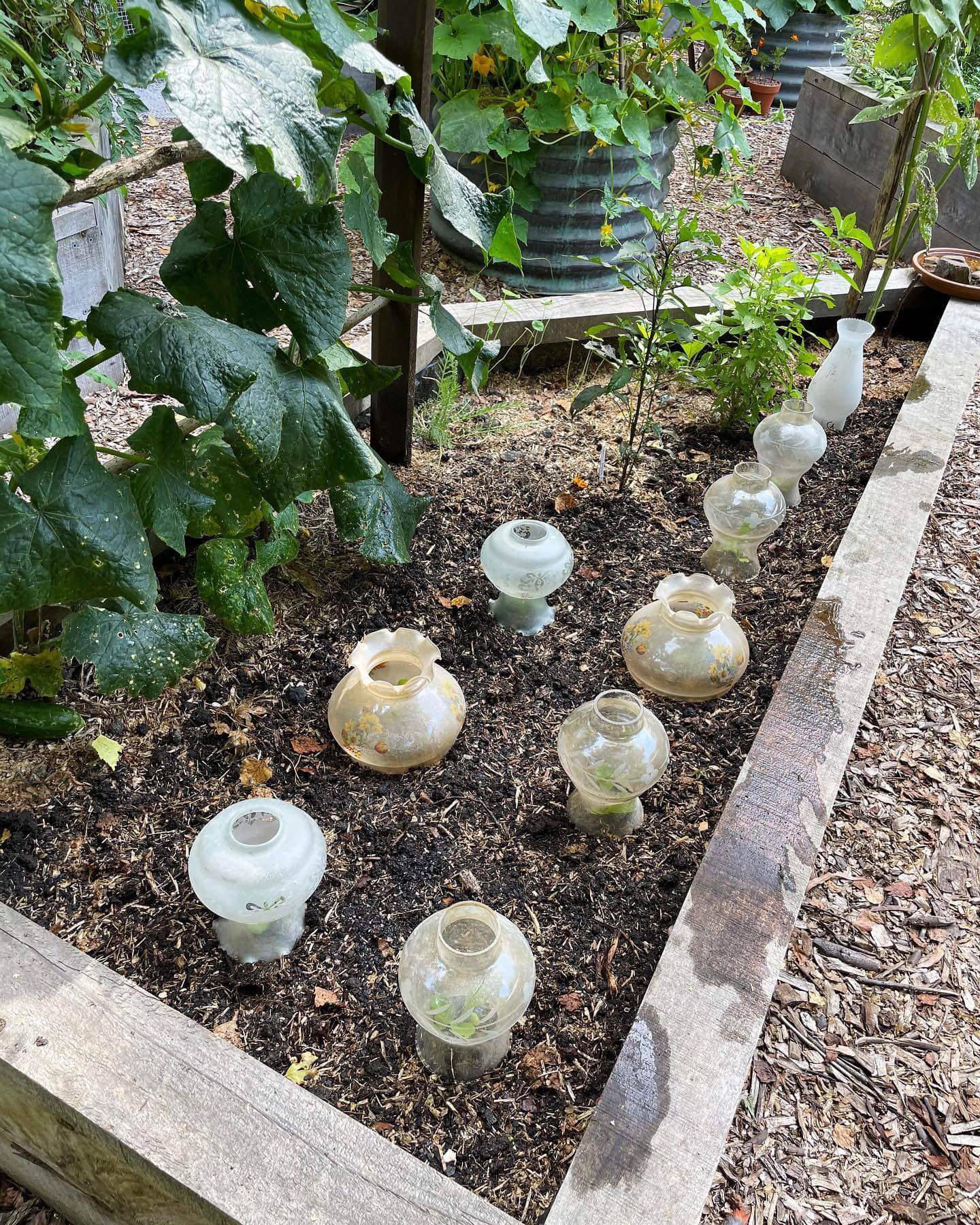
Innovative use of glass lampshades as plant protectors brings a touch of elegance to any garden bed. These transparent shields serve multiple purposes, including maintaining humidity around seedlings, protecting them from pests, and preventing frost damage in cooler climates. By introducing vintage glass elements, you infuse your garden with a quaint charm, transforming plain plots into enchanting nooks. This method embraces a closed-loop approach, celebrating eco-friendliness and sparking intrigue with its unique visual appeal.
Elevated Elegance: Pallet Planter Tables
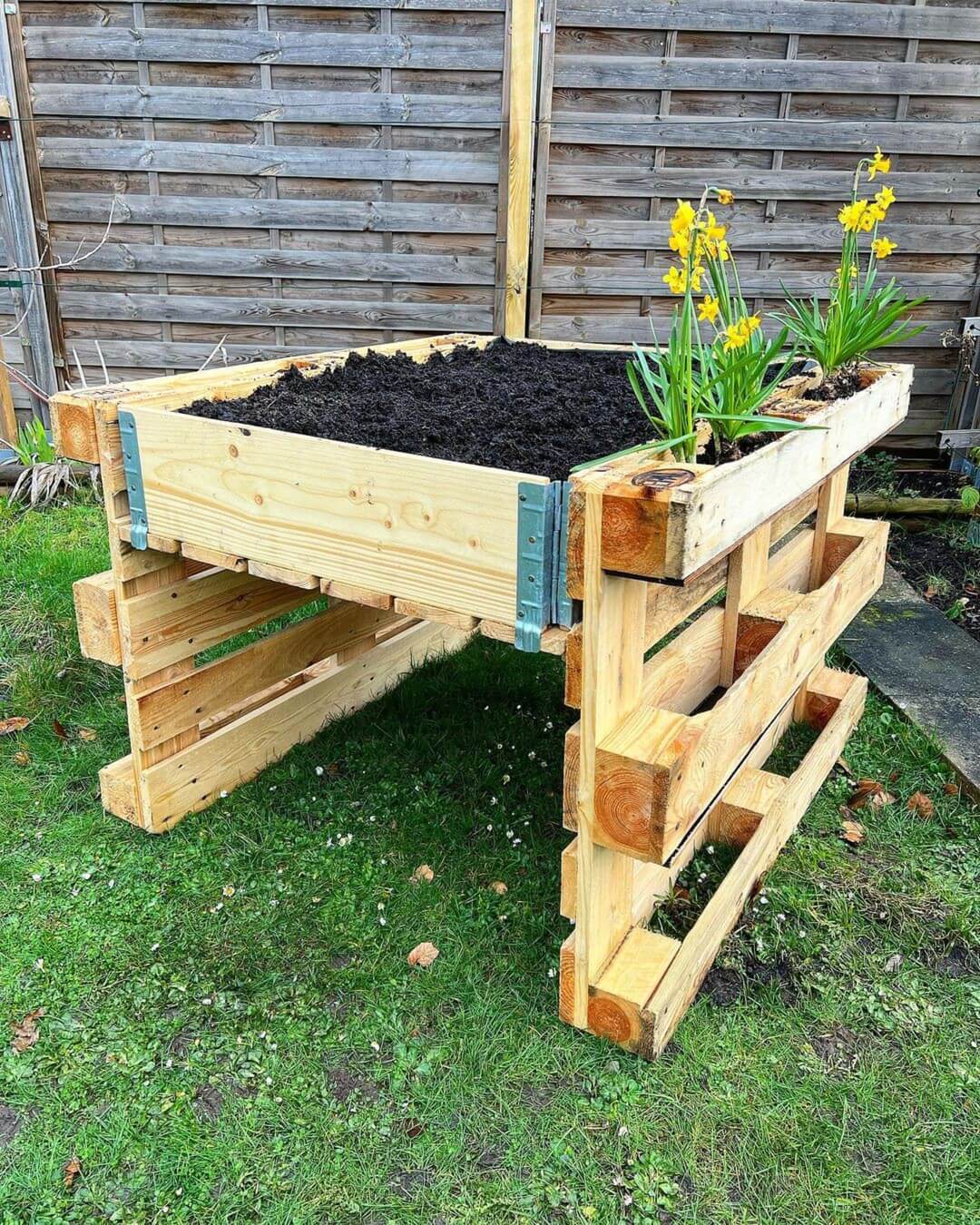
Repurposing pallets into elevated planter tables combines practicality with style. These tables offer enhanced accessibility for gardeners, reducing the need to bend while tending to plants. This solution is particularly advantageous for those with limited mobility. The versatility of such structures allows for diverse planting possibilities, from aromatic herbs to seasonal flowers, offering gardeners the freedom to curate custom plant displays atop these simple yet effective garden additions.
Cozy Corners: DIY Conservatory Retreats
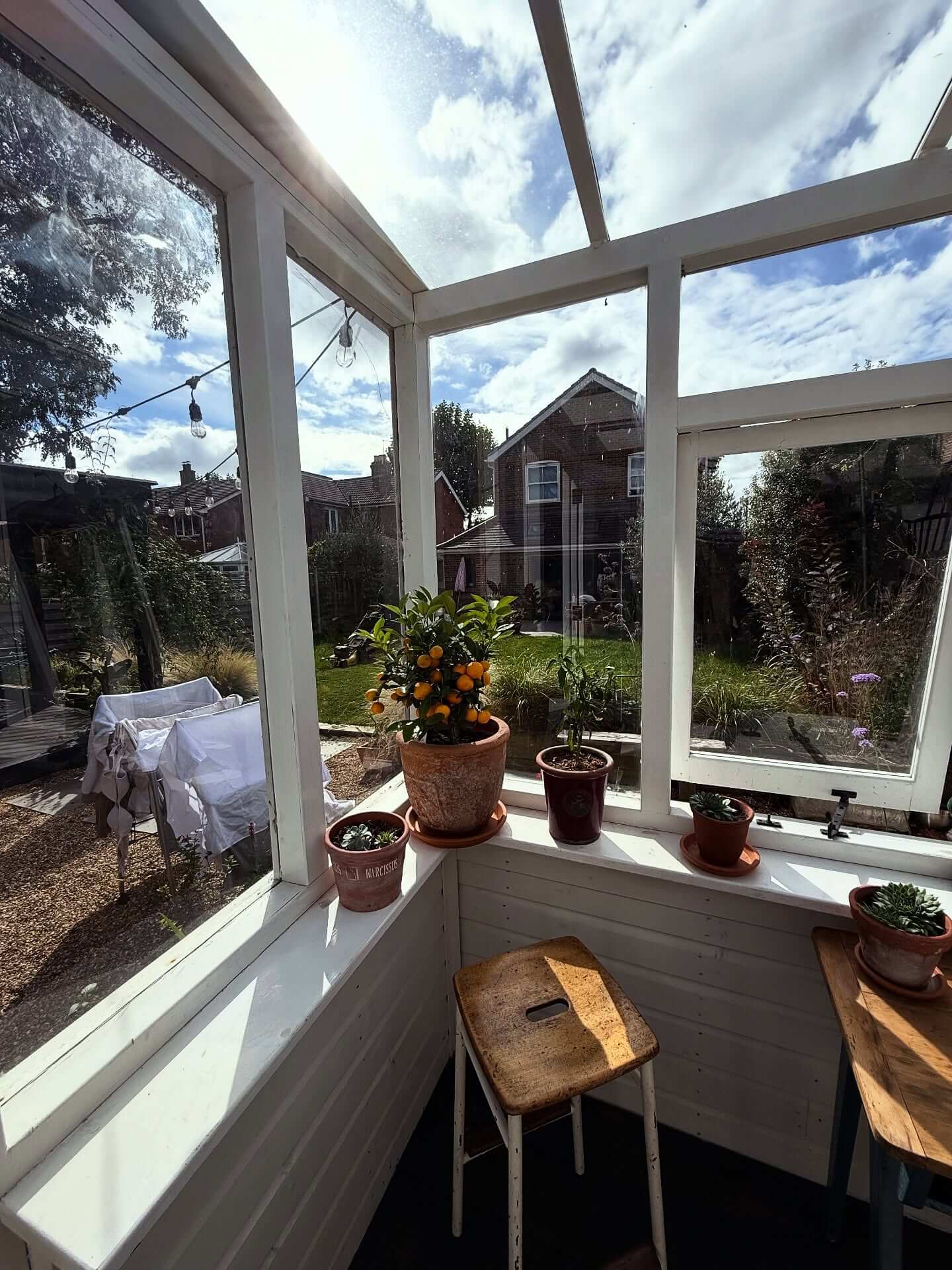
Transforming an unused corner into a conservatory delivers a snug, sunlit spot perfect for nurturing both plants and a peaceful mind. Such spaces conserve heat, creating a micro-climate ideal for growing sun-loving plants year-round. By employing salvaged windows to construct your cozy retreat, you’re not only recycling materials but also carving out a personal haven that boasts both beauty and utility. The infusion of natural light enhances the sense of space, making it a delightful area to unwind and admire your gardening handiwork.
Hanging Heritage: Preserved Flower Chandeliers
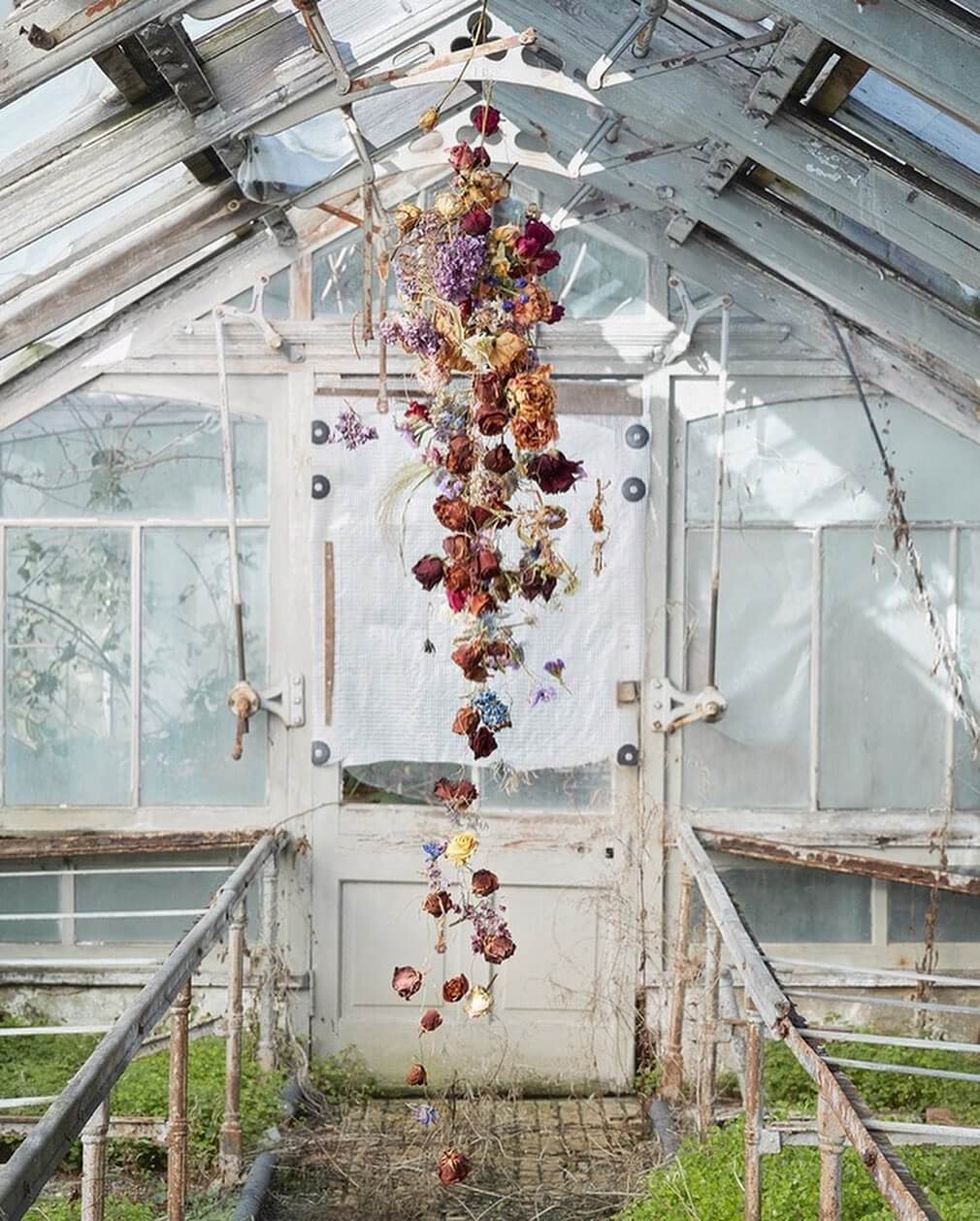
Flowers don’t just have to thrive in soil—they can become stunning art pieces even after their bloom fades. Crafting a dried flower chandelier adds an ethereal, vintage touch to your garden space. Suspended in a way that catches gentle breezes, these creations draw the eye upward, offering a whimsical view. Utilizing blooms from your own garden ensures authenticity and continuity within your outdoor theme, allowing you to hold onto seasonal beauty year-round in a sustainable, creative fashion.
Twine and Wheel: Vertical Gardening Hacks
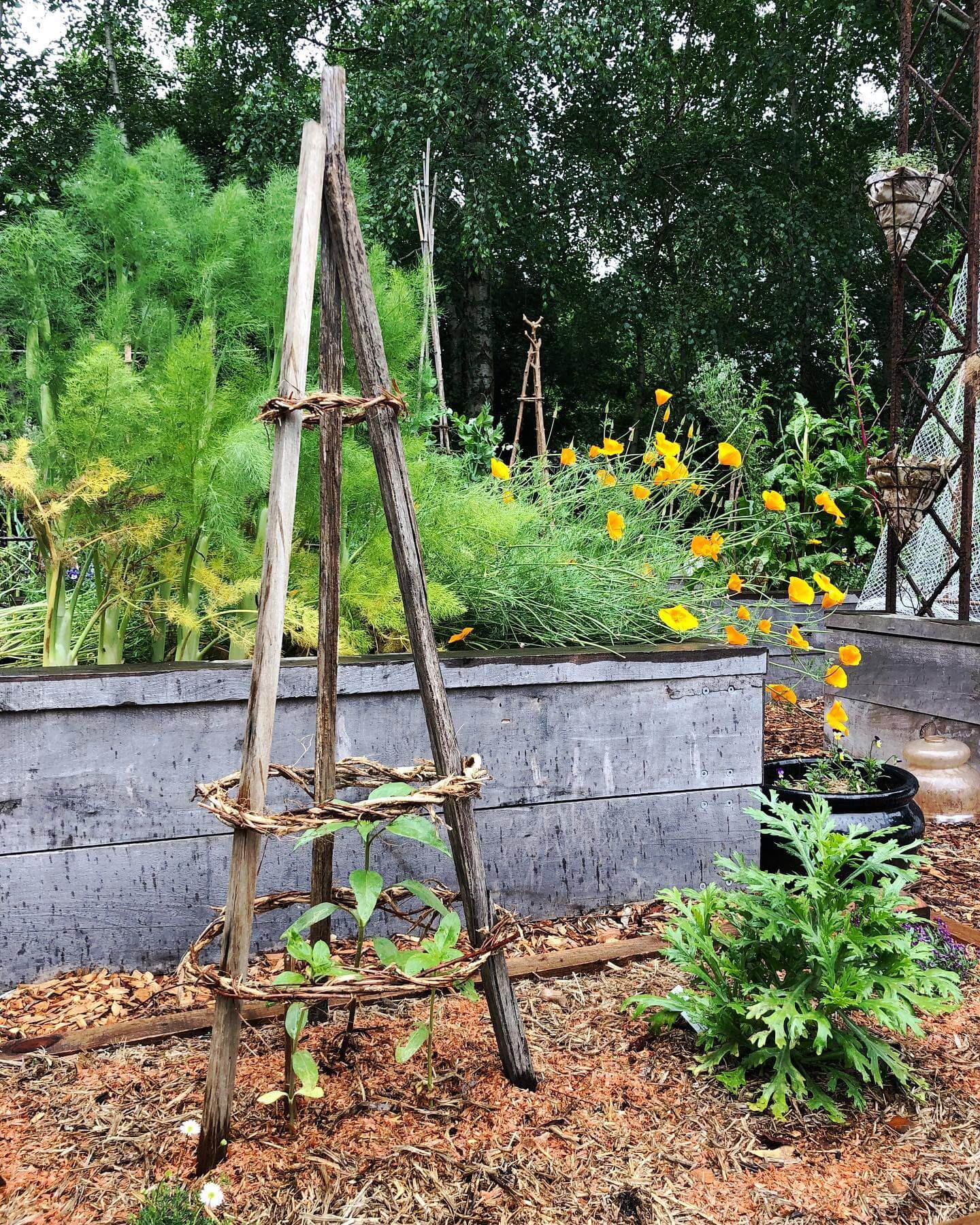
Transforming a bicycle wheel into a vertical gardening companion highlights both ingenuity and respect for nature’s cycles. When wrapped with natural twine, it becomes a climbing haven for peas or vines. Grounding it in a substantial pot filled with rich soil converts unused garden corners into productive, space-efficient plots. This method utilizes height creatively, ideal for small areas, allowing a lush, green display while freeing ground space for other endeavors.
Upcycled Household Items for Garden Enhancements
Household items often have untapped potential to become innovative garden accessories. Repurposing things like jars, tin cans, and rubber tires can transform your garden’s appearance while also making use of items you might discard. Old mason jars can be converted into hanging lanterns with the addition of some wire and LED candles, offering a quaint ambiance during evening gatherings. Additionally, painted tin cans can function as whimsical planters for herbs or succulents, adding a splash of color and character to your garden paths or walls. Such projects are a testament to how effortless and fun sustainable gardening can be.
Creative Upcycling Projects
Tire Planters: Paint old tires in bright colors and stack them to create eye-catching, durable planters.
Glass Jar Lanterns: Lace mason jars with fairy lights or candles and hang them from trees to provide soft garden lighting.
Engaging with these creative upcycling projects not only revamps your garden space but also encourages a sustainable lifestyle. Each of these transformations is easily achievable and doesn’t require extensive craftsmanship, making them perfect for every gardener’s skill level. The use of recycled materials reduces environmental impact, demonstrating the beauty of repurposed garden ideas. It’s important to clean and prepare these items thoroughly to ensure they last and maintain their new purposes. This practice ultimately turns gardening into an artistic endeavor, blending functionality with a responsible ethos toward the planet.
Unveiling Secrets Behind Repurposed Garden Ideas
How do I ensure repurposed items last in my garden?
Proper preparation is essential; apply a suitable weatherproof coating, and consider placement to minimize exposure to harsh elements. This can significantly extend the life of repurposed items.
What are some easy items to repurpose for garden use?
Items like old chairs, tires, and jars are great starting points. They require minimal alteration and can add both character and function to your garden.
How can repurposing help the environment?
Repurposing reduces waste by reusing items destined for landfills. It promotes sustainability through recycling and reduces the reliance on new materials for garden decorations.
Final Verdict: Repurposing for a Greener Tomorrow
Embracing the art of repurposing in gardening is more than just a trend; it’s a commitment to environmental stewardship and personal creativity. By reimagining the function of everyday items, you craft unique garden features that echo your personal taste while fostering a more sustainable planet. Each repurposed element enhances the beauty and narrative of your outdoor space, transforming it into a vibrant sanctuary teeming with character and charm.
Whether it’s a vintage chair sprouting blooms or a ladder dressed in green, these projects invite a sense of accomplishment and innovation. Beyond aesthetics, repurposed garden ideas contribute significantly towards reducing waste and encouraging a cycle of reuse. This approach not only benefits the environment but also elevates the overall gardening experience, making it an enjoyable endeavor with positive, long-lasting impacts.
As you venture into the world of repurposed gardening, you’re not just enhancing your outdoor space; you’re pioneering a sustainable movement. This creative venture is a testament to how sustainability and beauty can coexist, promising a brighter, greener future one innovative idea at a time.
