
Small Apartment Kitchen Magic: Space-Savvy Ideas to Maximize Storage and Style (Even If You Rent)

Working with a Small Apartment Kitchen doesn’t have to mean sacrificing function or personality. With a few smart design moves, you can transform tight countertops and tricky corners into a streamlined, hard-working, and beautiful cooking zone.
We’ll focus on space-saving strategies that actually move the needle: vertical storage, multifunctional furniture, compact appliances, and light-boosting finishes. Expect renter-friendly tweaks, budget-conscious upgrades, and layout tips for studio, galley, and kitchenette setups.
Each idea is chosen to improve flow, add hidden storage, and make your kitchen feel bigger and brighter. From open shelving to fold-down surfaces and clever organizers, you’ll find practical, stylish ways to make every inch count.
Small Apartment Kitchen Storage Ideas and Organization Tips
In a Small Apartment Kitchen, storage works hardest when every inch has a job. Start by mapping vertical surfaces, from backsplash to ceiling, and note studs for secure mounting. Measure cabinet interiors to the millimeter to pair organizers that truly fit, avoiding wasted gaps. Replace rounded containers with squared bins and label edges for front-facing identification. Prioritize items by frequency of use, positioning everyday tools between knee and shoulder height. Reserve deep or awkward spots for bulk backstock, seasonal cookware, and small appliances you use monthly.
Vertical and Hidden Storage Solutions
- Pull-Out Pantry: A tall, slim pull-out pantry fits beside the fridge, corrals cans and spices, and reveals everything at a glance, eliminating duplicates and saving crucial aisle clearance.
- Toe-Kick Drawers: Shallow drawers hidden in the toe-kick store cutting boards, lids, and baking sheets flat, recovering dead space while keeping frequently used items within easy reach.
Cabinet and Countertop Organizers
- Adjustable Shelf Risers: Stackable risers double cabinet capacity, separating mugs from plates and enabling quick grabs without unsteady piles, so fragile items chip less and mornings feel calmer.
- Magnetic Knife Strip: A wall-mounted strip frees drawer space, displays blades safely away from moisture, and creates a chef-like prep zone while visually elongating tight backsplashes.
Maintenance turns good systems into lasting habits. Schedule a five-minute reset after dinner: refill canisters, return tools to zones, and wipe shelves before crumbs spread. Donate dupes quarterly, and use a tape measure before buying any new organizer. Favor transparent bins so housemates see where things go without asking. When possible, standardize containers to stack reliably, extending order upward without precarious towers.
Take It Up: Ceiling-High Storage and Rail Systems
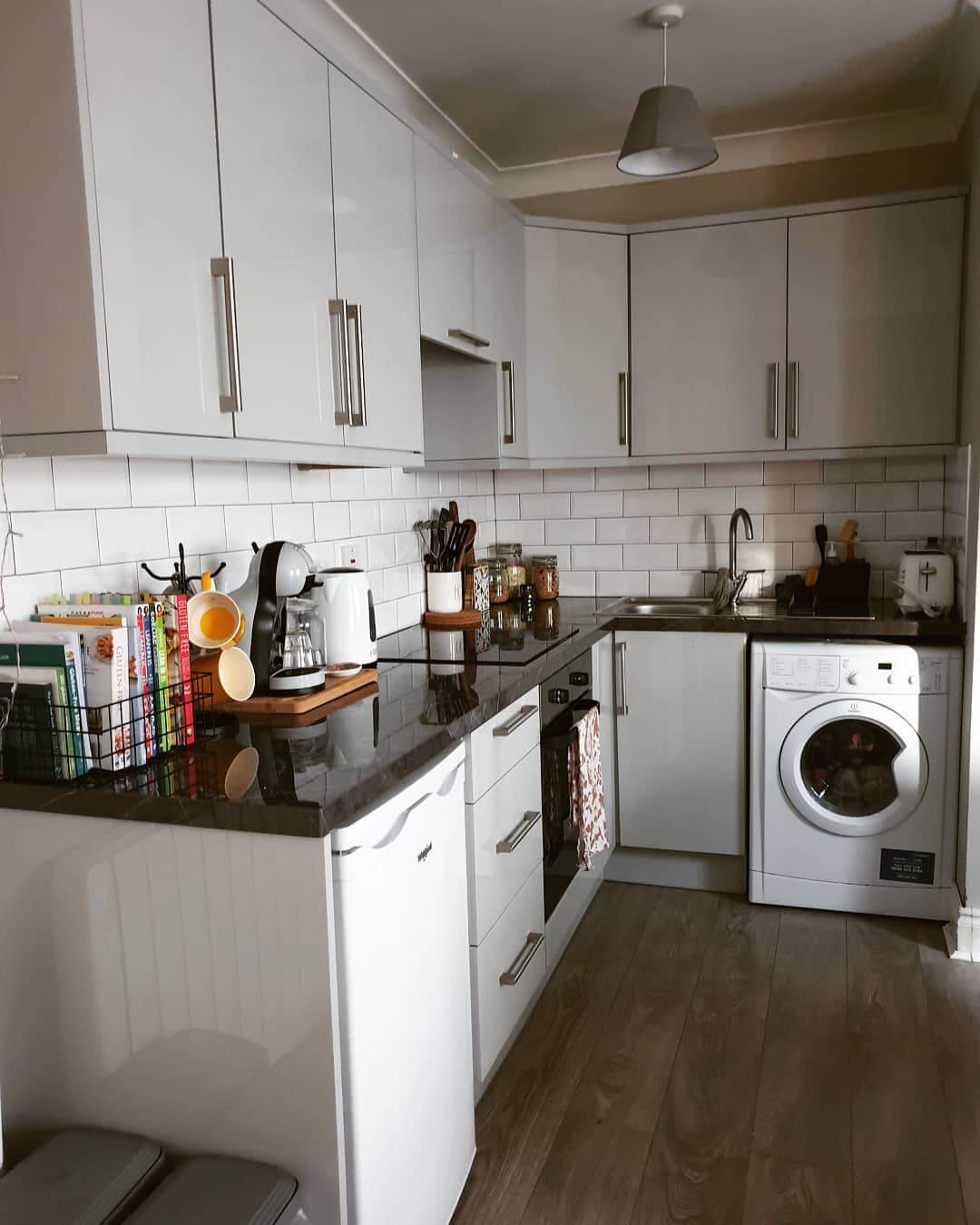
In a small apartment kitchen, the fastest way to gain square footage is to build up. Extend cabinets or shelving to the ceiling and use the top tier for infrequent items in lidded, labeled bins. Below, install a simple rail system with S-hooks for everyday tools, mugs, and strainers so your most-used pieces live within arm’s reach without eating countertop space. Keep visual calm by editing: aim for a 70/30 closed-to-open storage ratio and repeat materials (glass, white, or clear acrylic) to reduce visual noise. Renter-friendly? Use adhesive-mounted rails, tension-rod shelves inside cabinets, and magnetic knife strips on the fridge side. Pro tip: leave 18–24 inches of breathing room above the counter and group by task—coffee tools together, prep tools together—to speed up cooking flow. If studs are elusive, use French cleats rated for your load. For slim galleys, narrow shelves (6–8 inches deep) hold jars and spices without crowding the walkway. This vertical strategy declutters surfaces, shortens reach, and instantly makes your tiny kitchen feel taller and more intentional.
The Rolling Island: Slim Carts and Drop-Leaf Surfaces
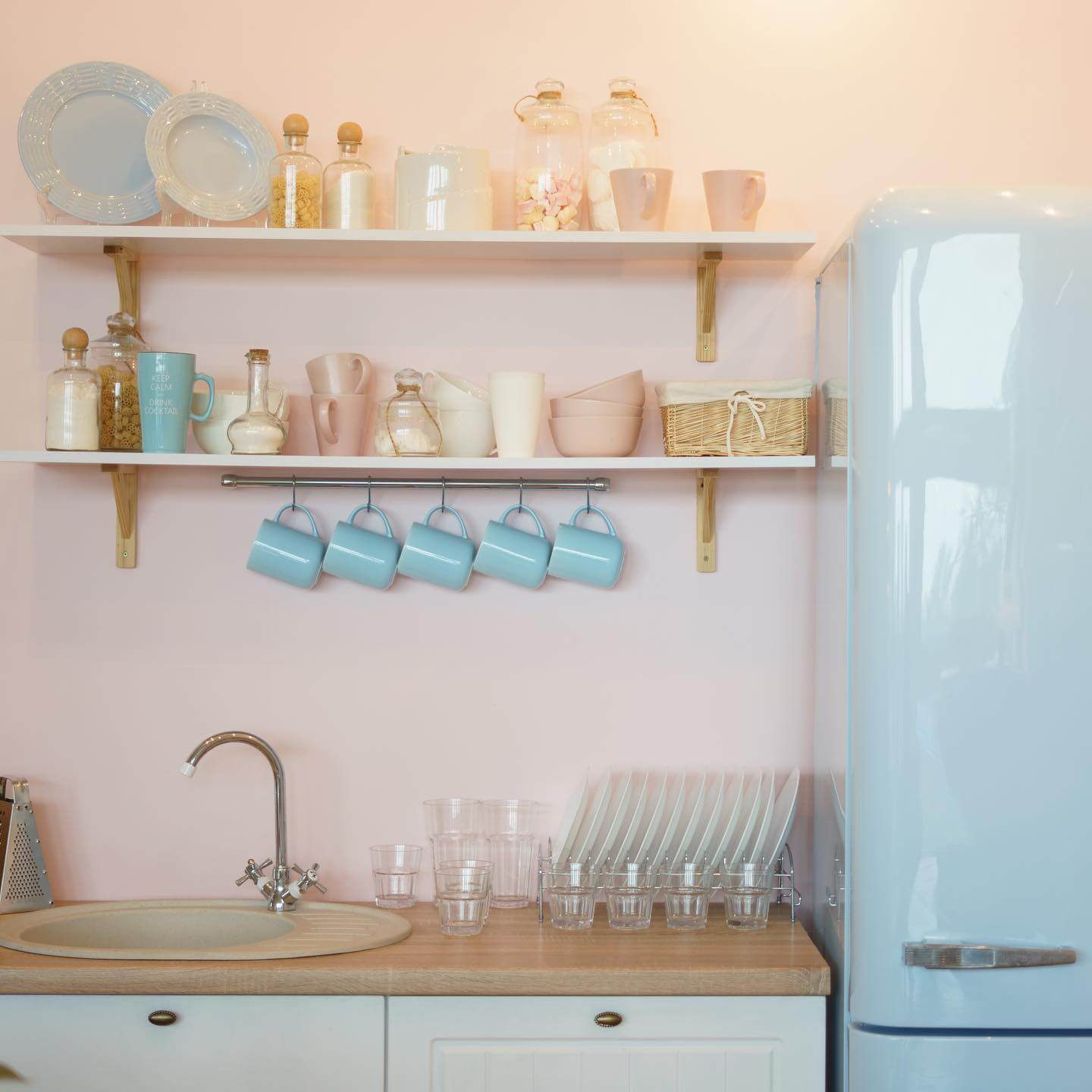
When you can’t fit an island, bring in a mobile one. A slender rolling cart (16–20 inches deep) adds prep space, landing space, and a spot for a microwave or toaster oven. Choose lockable casters, a wipeable top (butcher block or stainless), and at least one closed shelf to hide visual clutter. Clip on a rail for towels and S-hooks for measuring spoons and mitts; park a cutting board on top so the cart becomes your go-to prep zone. No room for a cart? A wall-hugging drop-leaf table creates instant elbow room for chopping, dining, or laptop time, then folds flat. In a galley kitchen, park the cart parallel to the counter to widen the prep runway; in a studio, swing it perpendicular to create a micro “island” when entertaining. Tuck nesting stools underneath, and store sheet pans upright along the side using a file divider. Mobile surfaces let you optimize circulation on busy nights and reclaim floor space when you’re done—exactly what a small apartment kitchen needs.
One-Wall Workflow: Zoning a Tiny Kitchen for Speed

Space feels bigger when tasks are organized. Create clear zones—Prep, Cook, Clean, Store—even if everything lives on one wall. Place a stable cutting board and a lidded bin or tray to the right or left of the sink for “prep landing”; keep knives, salt, oils, and a garbage bowl within a single arm’s reach. At the cook zone, a small caddy holds spatulas, tongs, and a heat-safe spoon rest; a magnetic strip keeps lids and thermometers off the counter. For the clean zone, use a roll-up drying rack and a slim soap tray to reduce sprawl. Storage gets split: daily-use dishes and glasses closest to the sink, bulky gear high or low, and snacks corralled in a go-to basket. In a galley kitchen, maintain at least 36 inches of walkway and avoid placing the cart or trash where it breaks the line between sink and stove. Prep smarter with a “mise bin”: load it at the fridge, carry it to the board, and return it when you’re done. Zoning turns a cramped kitchenette into a smooth assembly line.
Compact Powerhouses: Appliances That Earn Their Footprint
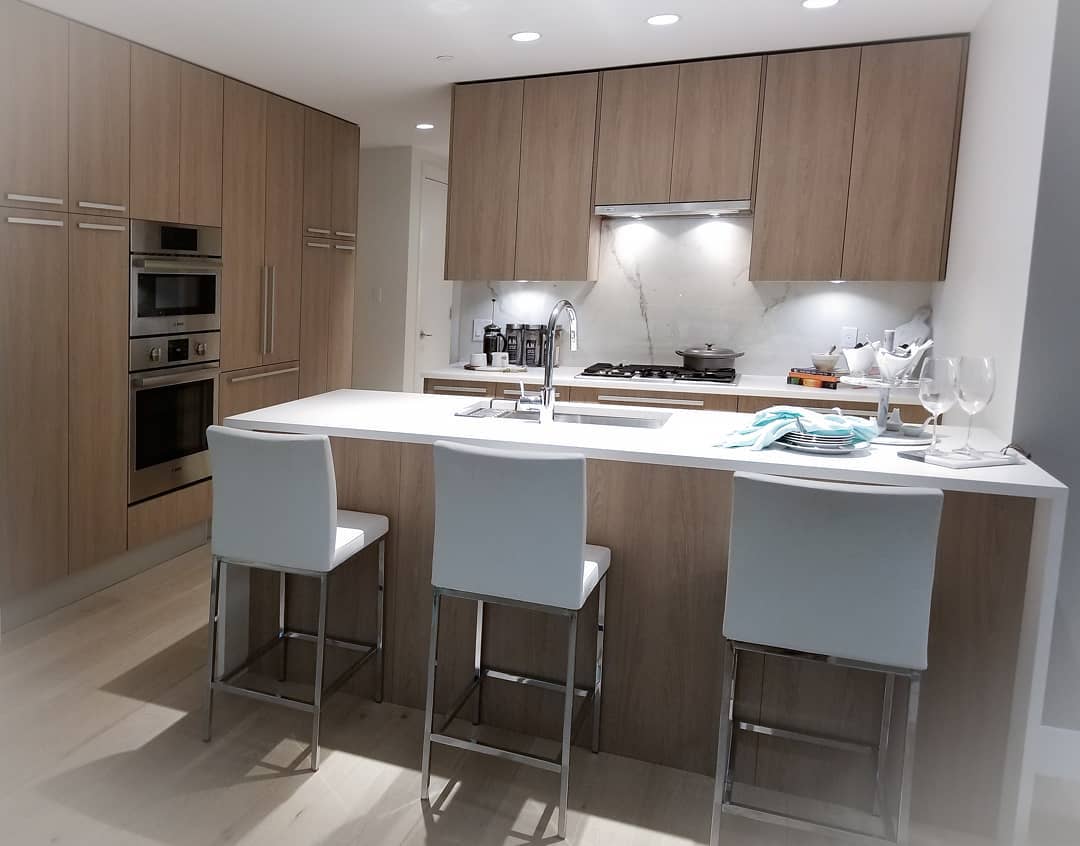
Every appliance in a small apartment kitchen must do more than one job. Consider a 24-inch range or a portable induction burner that stows in a drawer for bonus counter space. A microwave–convection combo bakes, roasts, and reheats, while a multicooker covers slow cook, pressure cook, and rice in one footprint. If dishwashers are allowed, an 18-inch model or countertop unit saves time and hides visual clutter. Corral cords with adhesive cable clips and park small appliances on a tray so you can slide them out—and clean under them—effortlessly. Create an “appliance garage” using a curtained shelf, rolling door, or opaque bin to keep the look streamlined. If ventilation is weak, add a recirculating hood with charcoal filters and keep a small fan near a window for steam-heavy cooking. Rotate seasonally: store the ice cream maker high in winter and keep the air fryer accessible when you’re using it nightly. When tools stack functions, your galley works like a full-size kitchen without the bulk.
Brighter by Design: Light-Boosting Finishes and Fixtures
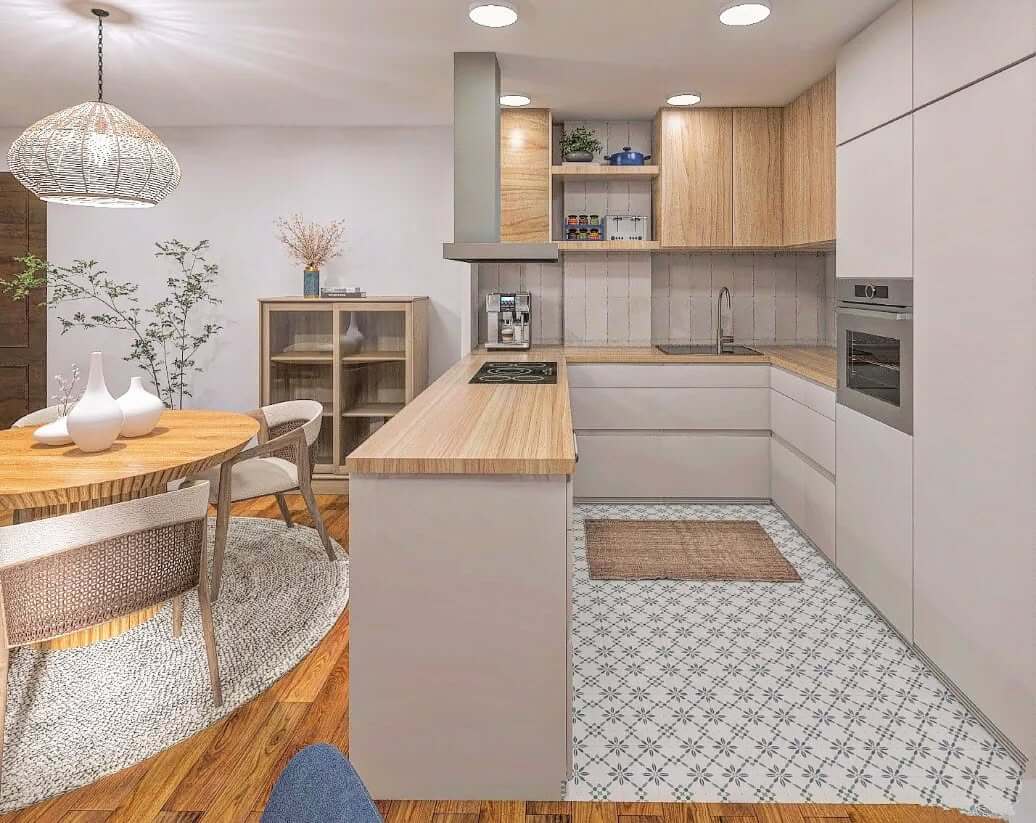
Light equals perceived space. Start with under-cabinet LEDs (3000–3500K for warm-neutral brightness) to banish shadows on the counter. Plug-in strips or battery pucks are renter-friendly and instantly elevate a small apartment kitchen. On walls and backsplashes, choose satin or semi-gloss finishes that bounce light without showing every fingerprint; tempered mirror tiles or glossy ceramic behind non-heat zones add sparkle. Glass-front or ribbed acrylic doors lighten heavy uppers, while clear canisters and open glassware amplify the effect. Swap mismatched bulbs for a unified color temperature and aim light at vertical surfaces—the eye reads illuminated walls as more spacious. If you’re short on daylight, hang a small mirror opposite a window or place reflective trays on open shelves to double the glow. Keep counters pale and uncluttered; a light runner with a subtle pattern draws the eye through the galley, elongating the room. Bright, consistent lighting makes every other space-saving idea feel bigger and more intentional.
Inside the Box: Organizers That Multiply Cabinet Space
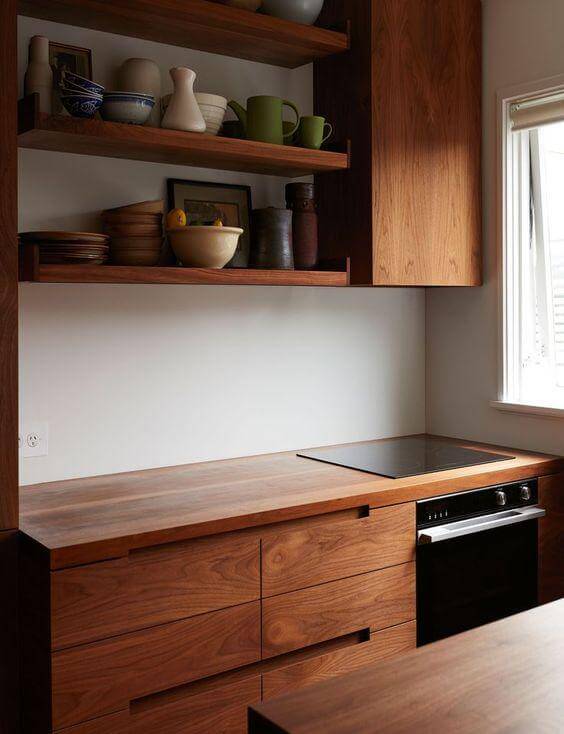
The real storage windfall is inside your cabinets and drawers. Add shelf risers to double vertical space for plates and bowls; use under-shelf baskets for wraps and linens; and install pull-out trays so nothing disappears in the back. File dividers turn baking sheets, cutting boards, and pan lids vertical—no more avalanche. A 10–12 inch turntable corrals oils and condiments; larger lazy Susans tame deep corner cabinets. In drawers, adjustable dividers keep utensils and gadgets in tidy lanes; dedicate one “catch-all” box for odd tools so the rest stay precise. Under the sink, a small tension rod holds spray bottles, while a tiered caddy lifts sponges and dish tabs off the wet base. Renter-friendly stick-on hooks grab measuring cups inside doors; just keep screws away from thin fronts to protect your deposit. Measure everything twice; aim for 1/8-inch clearance so organizers slide smoothly. When interiors are structured, a small apartment kitchen functions like a custom build without the contractor.
Calm Open Shelving: Decant, Edit, and Display with Intention
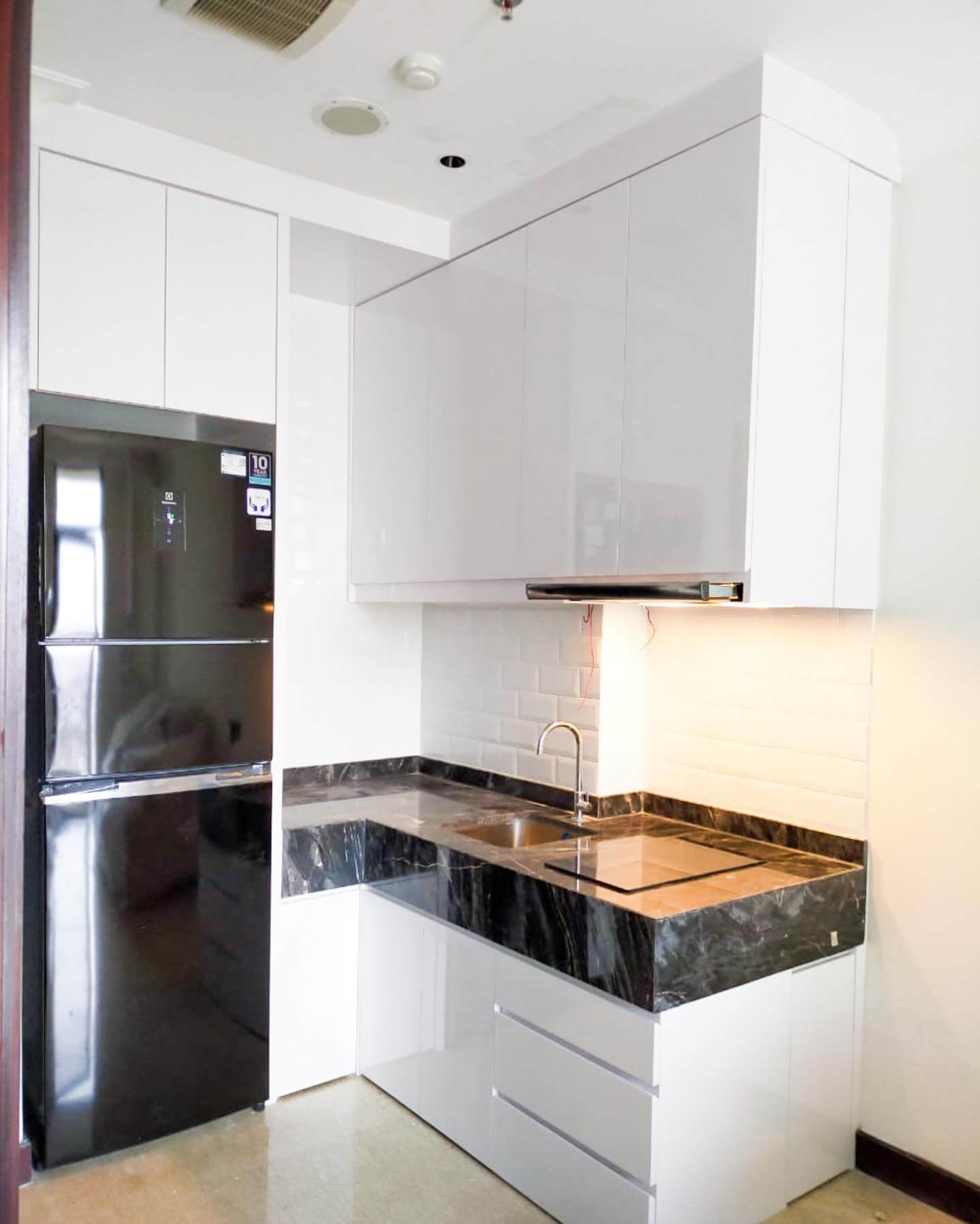
Open shelves in a tiny kitchen can feel chaotic—or curated—depending on rules. Keep to one tight palette (clear glass, white, wood) and decant dry goods into uniform containers with minimal labels. Group by task: a breakfast tray with oats, honey, and bowls; a pasta zone with jars, salt, and a ladle; a coffee shelf with mugs and filters. Anchor each shelf with one substantial object (a mixing bowl or stack of dishes) and sprinkle in smaller items for rhythm; leave negative space so it reads airy. Rotate rarely used pieces into closed storage and follow a six-month edit—if you don’t reach for it by then, reassess. Add a tiny lip or rail to prevent slips, and consider a slim puck light above to turn shelves into a soft feature at night. The result: open storage that works hard, photographs beautifully, and never clutters your small apartment kitchen.
The Micro-Pantry: Slim, Modular Solutions for Dry Goods
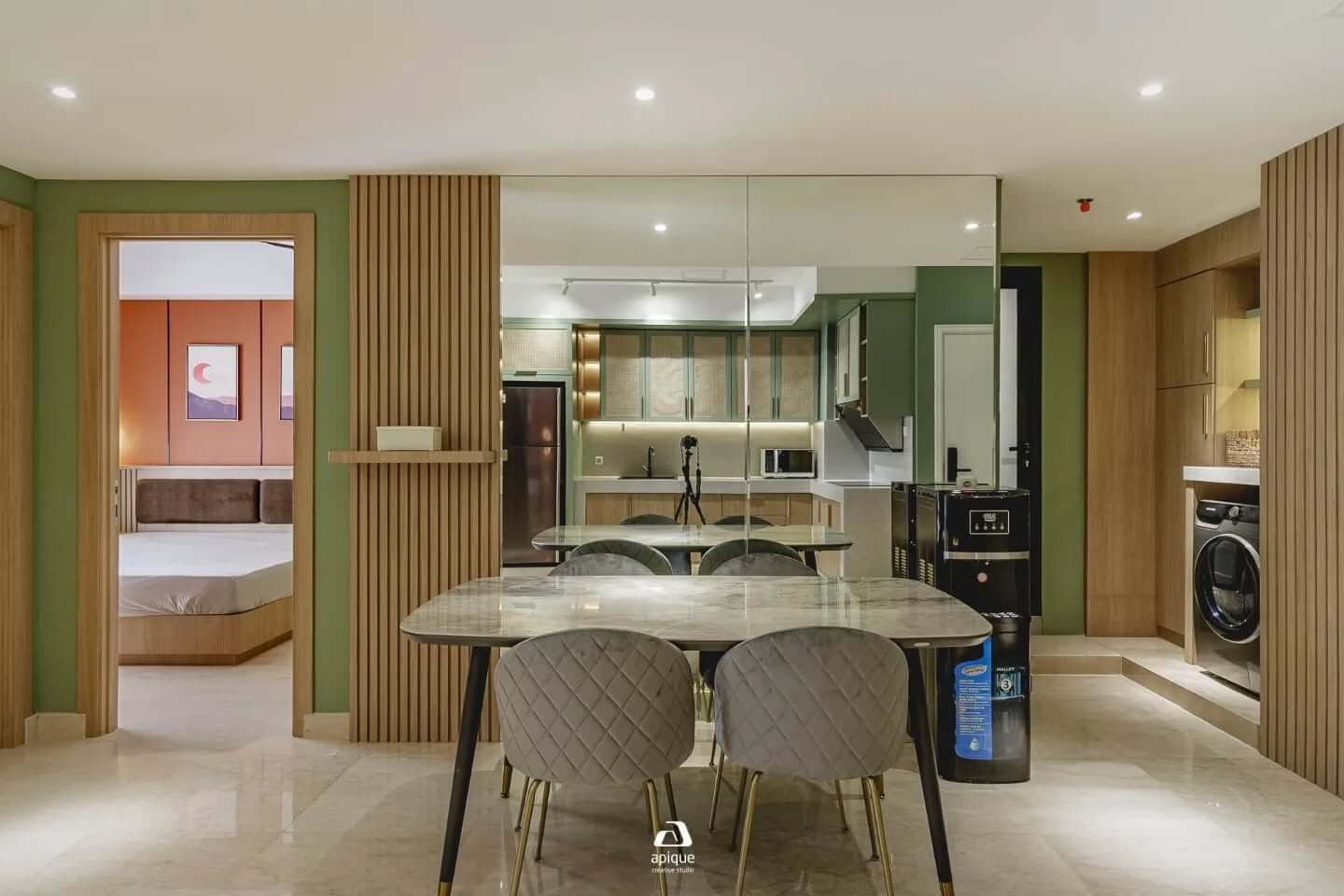
No pantry? Build one in plain sight. Slide a 5–8 inch rolling rack between the fridge and wall for cans and spices, or mount an over-the-door organizer on a nearby closet for snacks and baking supplies. Use stackable, square containers (they waste less space than round) and label tops so you can read them from above. Practice FIFO—first in, first out—by placing new groceries behind older ones, and keep a small “backup bin” for duplicates so your shelves never overflow. Heat and light degrade food, so store oils and nuts in opaque containers or a dark cabinet. For renters, adhesive hooks plus a narrow rail create a vertical spice station on a backsplash or end panel. Keep portions realistic: decant a week’s worth of rice or flour to the front and stash the rest high. A tidy micro-pantry makes meal planning faster and reduces duplicate buys—true efficiency for a studio kitchen.
Over-the-Sink Genius: Make the Wet Zone Do More
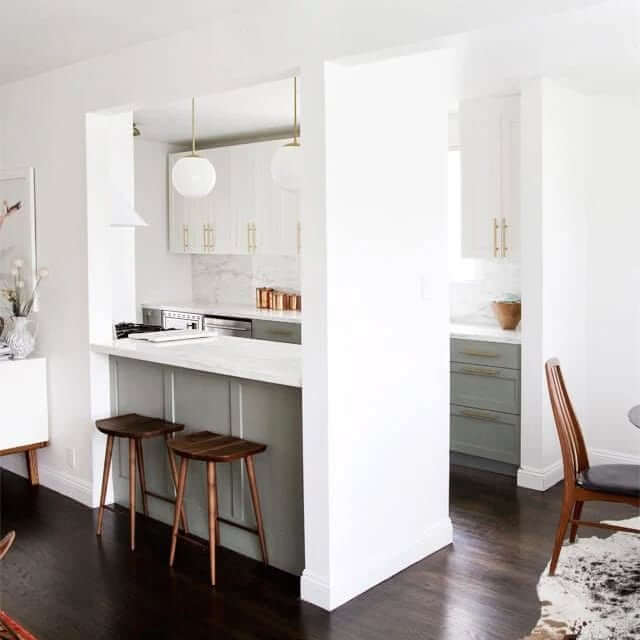
Turn the sink area into a multifunction hub. A roll-up drying rack doubles as a cooling rack and extra counter over the basin; pair it with an over-the-sink cutting board to gain a steady prep platform. Add a pull-down faucet for flexible rinsing, and mount a low-profile caddy for soap and brushes to keep ledges clear. If counter space is scarce, a slim tiered rack straddling the sink holds dishes up high while leaving the basin open. Underneath, a slide-out bin tames compost or trash, and a small charcoal deodorizer keeps odors in check. Hang microfiber cloths on adhesive hooks inside the door so they dry, not mildew. Consider a clip-on colander for fruit and greens—wash, drain, and transfer in one motion. Consolidating the wet zone shrinks your steps and keeps the rest of your small apartment kitchen open for cooking.
Renter-Friendly Glow-Up: High-Impact Upgrades You Can Undo
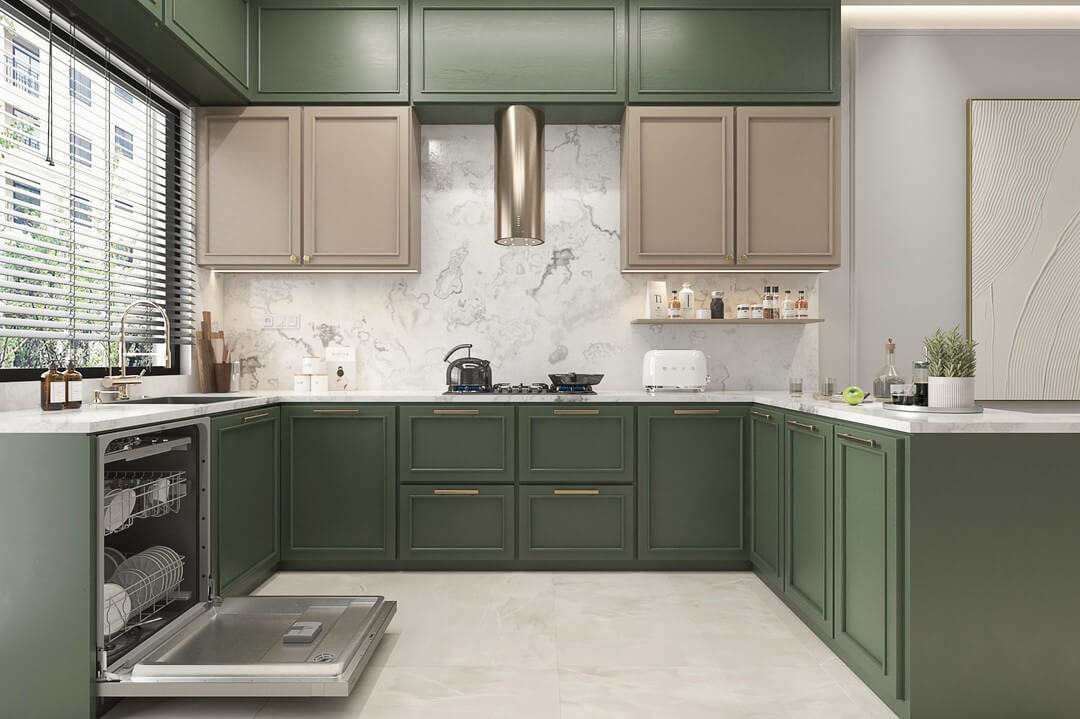
You can transform a small apartment kitchen without risking your deposit. Peel-and-stick backsplash tiles add pattern and wipe clean; removable vinyl refreshes tired counters; and swapping hardware (store the originals) modernizes cabinets in an afternoon. Layer a washable runner to warm a galley and define the kitchen in a studio; add toe-kick LED strips for a luxe, low-glare night light. Try removable wallpaper on a single wall to introduce color, and repeat that hue in towels or canisters for cohesion. If uppers feel heavy, take doors off one cabinet and line the back with contact paper for a custom “niche” look—reinstall later with the original screws. Keep a move-out kit: spare knobs, screws, wood filler, and paint swatches to restore anything you altered. With a few reversible tweaks, your kitchenette gains personality, better light, and smarter function—no contractor, no drama.
The Backsplash Command Center: Ledge, Lists, and Daily-Use Tools

Turn your backsplash into a hardworking command center that keeps essentials within arm’s reach and off the counter. Start with a slim ledge or picture rail running the length of your prep zone. It’s the perfect perch for oil, salt, timers, and phone/tablet stands without eating into precious work surface. Layer in a magnetic knife strip, a narrow utensil rail with S-hooks for your most-used tools, and a tiny clipboard or dry-erase tile for grocery lists and meal plans. This setup shrinks decision fatigue and speeds up weeknight cooking in a small apartment kitchen. Renter? Use heavy-duty adhesive shelves and removable hooks; space them to clear outlets and avoid grease-splash zones. Keep the profile shallow (under 3 inches) so you preserve elbow room in galley and one-wall kitchens. Unify containers in one finish—matte black, stainless, or warm wood—so the “information wall” looks calm, not cluttered. The result is a micro-organization hub that supports your workflow, maximizes vertical space, and makes even a studio kitchenette feel intentional and efficient day after day.
Work the Inside of Doors: Hidden Racks for Spices, Wraps, and Lids
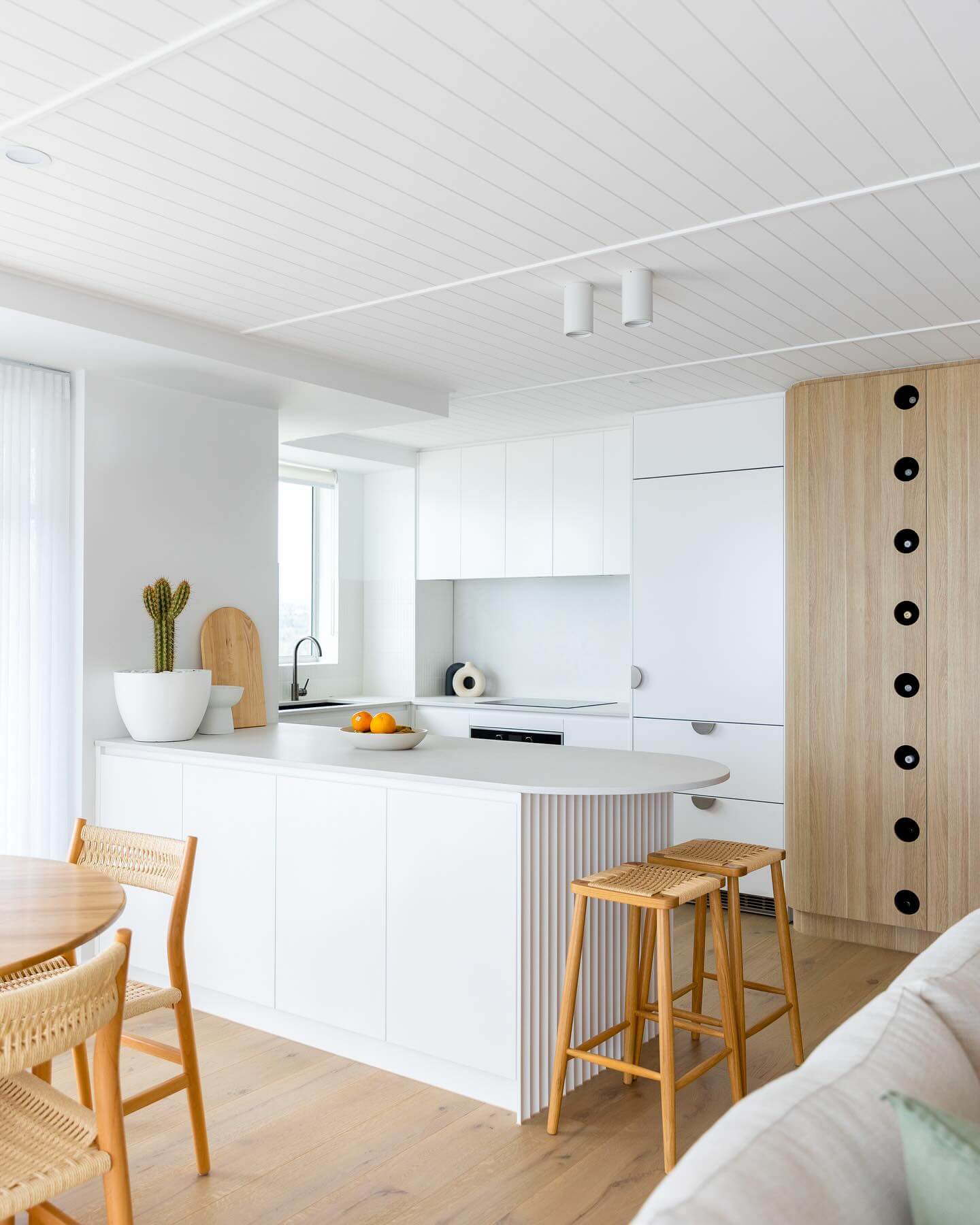
The most overlooked real estate in a tiny kitchen sits just behind your cabinet doors. Shallow, back-of-door racks turn dead space into a micro-pantry for spices, wraps, and small baking tools. Choose low-profile organizers (about 2 inches deep) so doors still close without hitting shelves. Mount on the door’s frame area—not the thin center panel—for strength, or use removable adhesive strips if you rent. Smart pairings: clips for pot lids on the lower section, a foil/parchment rack above, and spice risers at eye level for quick scanning. Add a mini conversion chart or measurement sticker to the inside of the door for instant reference while cooking. Check hinge swing before installing and add felt bumpers to protect finishes. This simple move declutters shelves, reduces rummaging, and keeps frequently used items in a predictable spot—key for maintaining flow in a small apartment kitchen. Label the fronts of racks so everyone in the household returns items to the same home, preserving your cabinet’s capacity multiplier over time.
Toe-Kick Storage: Baseboards That Hide the Bulky Stuff
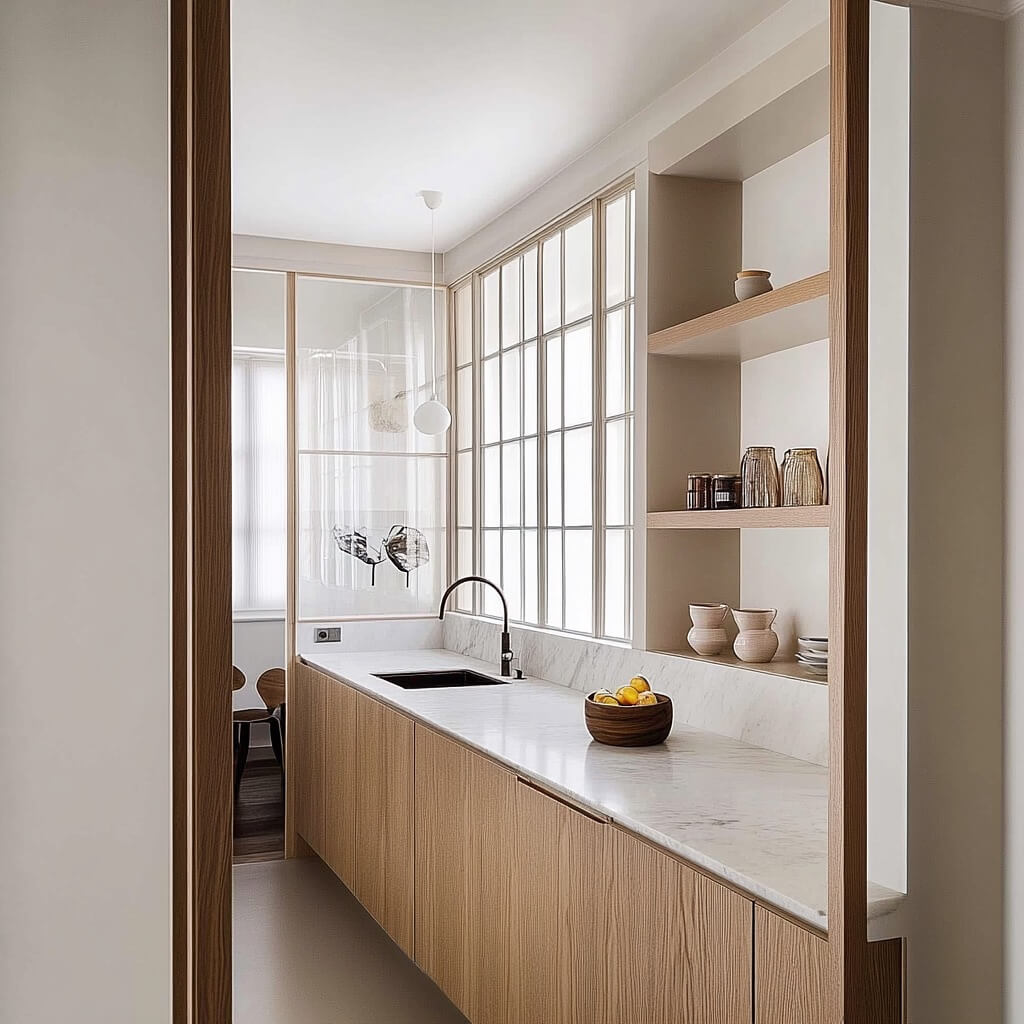
When floor space is scarce, look down. The 3–4 inches beneath base cabinets—the toe-kick—can become stealth storage for sheet pans, cooling racks, placemats, and cleaning supplies. If you own or can modify, retrofit toe-kick drawers that slide out on low-profile glides; they’re ideal for flat, lightweight items and instantly free up a whole cabinet shelf. Renters can mimic the effect with shallow, lidded under-cabinet trays that slide out by tab; choose moisture-resistant bins and add felt on the bottom to protect floors. Measure toe-kick height, avoid plumbing and electrical runs, and leave clearance for appliances. Bonus use case: a “garage” for a robot vacuum so it docks out of sight. Keep categories tight—baking gear in one drawer, table linens in another—so you don’t stack high. Label the underside lip for easy retrieval. This invisible zone adds meaningful capacity without visual clutter, helping your small kitchen feel serene and streamlined while squeezing storage from every inch.
Tame the Blind Corner: Pull-Outs That Bring Everything to You

Corner cabinets are notorious black holes in tiny kitchens. Upgrade them from frustrating to functional with hardware that delivers contents to the doorway. Blind-corner pull-outs and LeMans-style trays glide out in two smooth motions, making pans, food containers, and small appliances fully accessible. If you’re on a budget or renting, use paired U-shaped bins or handled baskets sized to the opening; label the front edges so you can slide, grab, and go. For square corners, a sturdy lazy Susan or tiered turntable lets you rotate to the back without kneeling. Corner drawers (if available) are another high-efficiency option that preserves visibility. Group by task—baking, meal prep, lunch containers—and store heaviest items on the lowest moving surface. Check weight ratings and door clearances during install. This single upgrade eliminates dead space and rummaging, improving your one-wall or galley kitchen’s workflow and turning a tricky cabinet into a quiet hero of everyday cooking.
Make the Fridge a Wall: Magnetic Shelves and Sidecar Storage

In a small apartment kitchen, the refrigerator’s sides are prime vertical real estate. Turn them into a storage wall with magnetic shelves strong enough to hold spices, oils, paper towels, and oven mitts. Stagger shelf heights to avoid crowding and keep heat-sensitive items away from the stove side. Add a magnetic hook rail for measuring spoons and a clip for your weekly meal plan or delivery menus. If your fridge isn’t strongly magnetic, use adhesive-backed side panels or a slim freestanding “sidecar” rack that tucks between fridge and wall. Keep the palette cohesive—clear jars, matte black, or stainless—to make the setup look built-in. This move relocates small items that typically clutter counters or compete for cabinet space. It also places seasoning staples right where you cook, speeding weeknights and reducing visual noise. A quick wipe-down during cleanup keeps everything tidy, making this a low-effort, high-return upgrade for tight galley and studio kitchens alike.
Window Ledge Upgrade: A Mini Bar, Herb Rail, or Pass-Through

Your kitchen window can be more than a light source—it can work. Deepen the sill with a slab or slim shelf to create a mini landing zone for herbs, a coffee bar, or glassware. Mount a narrow rail beneath for dish towels or hanging planters; choose compact, trailing herbs (thyme, oregano) that won’t block light. If you face a living area, treat the ledge like a pass-through: park drinks, snacks, or a small lamp to extend ambiance and function. Use moisture-resistant materials (stone, sealed wood) and leave airflow for condensation. In a galley, this micro-surface becomes bonus prep space for lightweight tasks—garnishing, pouring, cooling—so your main countertop stays clear. Keep the setup minimal and color-coordinated to amplify brightness and sightlines, which visually enlarges a tiny kitchen. For renters, consider clamp-on shelves or tension-rod ledges that remove cleanly. A thoughtful window zone boosts both utility and mood without stealing square inches from your floor plan.
Disappearing Dining: Foldable Stools and Slimline Seating
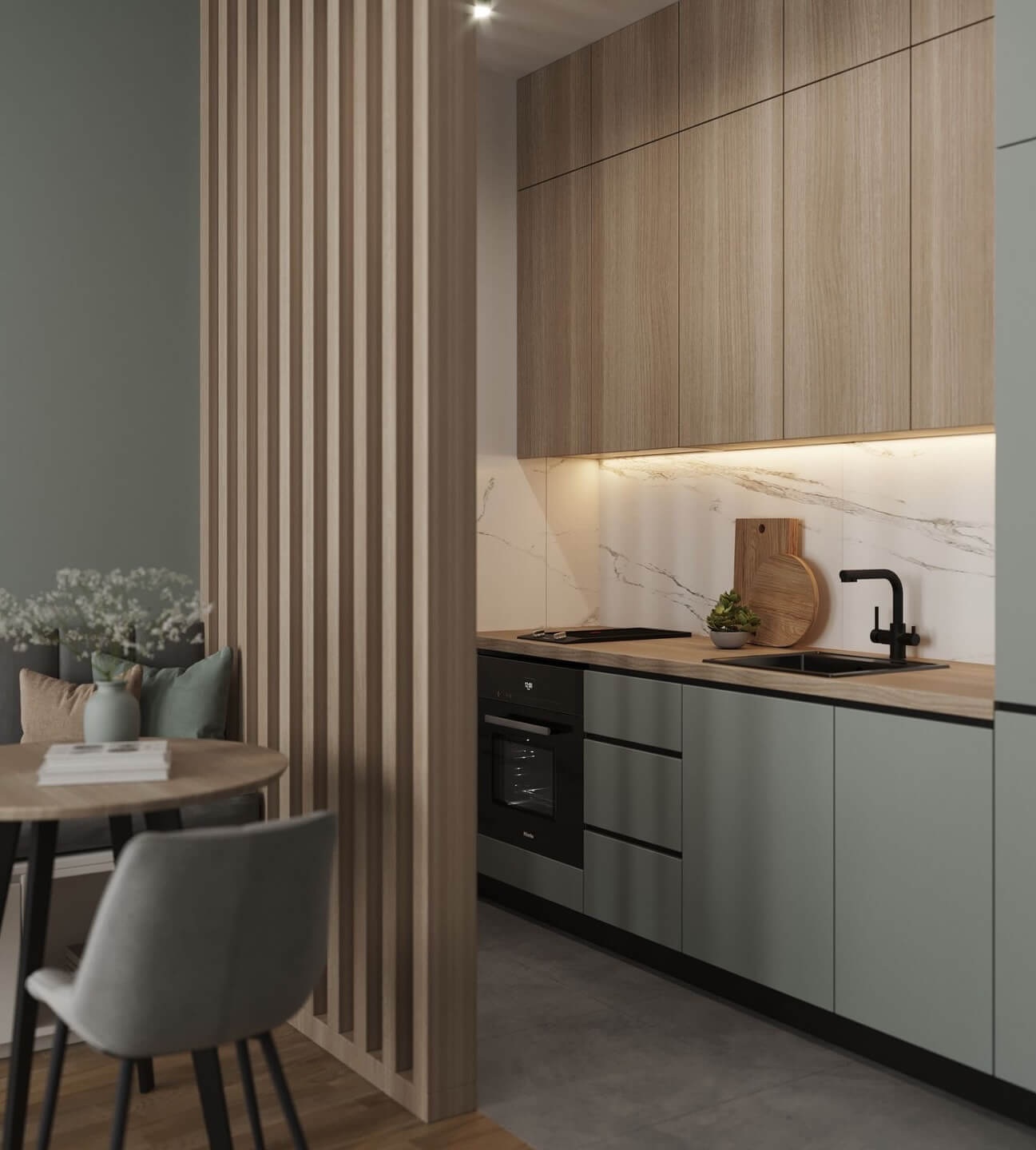
If your kitchen and dining space are one and the same, choose seating that vanishes. Foldable stools hook onto a wall rail or the side of a cabinet, stacking flat and out of the traffic path. Nesting stools slide under a console or a shallow counter overhang, giving you spontaneous seating for two without permanent bulk. Aim for 24–26 inch seat heights for counter-height surfaces and protect floors with felt glides. A narrow wall-mounted ledge (8–10 inches deep) doubles as a breakfast perch and laptop station, perfect for studio living. Keep finishes consistent with your hardware—black metal or light oak—to maintain visual calm. Bonus trick: stash a slim cushion pad in the magazine rack for instant comfort when guests arrive. By specifying seating that stows, you preserve circulation, keep prep zones clear, and make a tiny kitchen feel flexible—ready for coffee, emails, or a quick pasta night—without sacrificing storage or style.
The Calm Coffee Nook: Tray Systems for Daily Rituals
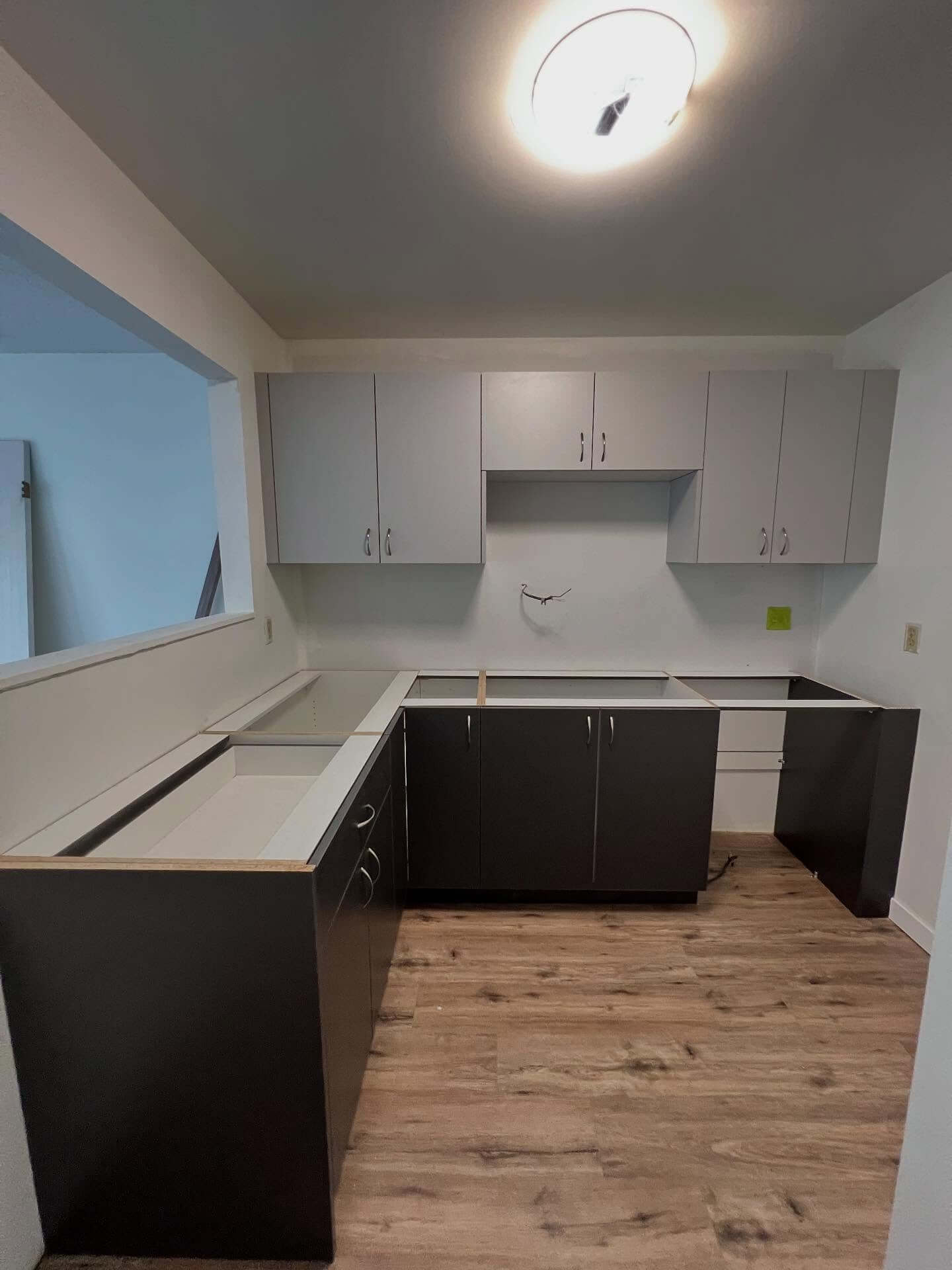
Contain your morning routine with a dedicated coffee/tea station that doesn’t spill across the counter. Use a sturdy tray or shallow drawer insert to corral the machine, filters, pods, grinder, and mugs. Add a slide-out board or heat-proof mat beneath the machine to catch drips and protect small countertops. Decant beans, tea bags, and sweeteners into airtight containers sized to the tray so everything resets in seconds. If cabinets are tight, a compact “appliance garage” (flip-up door or curtain panel) hides devices while keeping them plugged in and ready. Mount a small hook for a scoop and include a microfiber cloth for quick wipe-downs. The goal is predictable placement and easy cleanup—critical in a tiny kitchen where visual clutter reads as chaos. By ritualizing one high-traffic corner, you streamline mornings, free adjacent prep space, and reinforce a calming, organized vibe that carries through the rest of your small apartment kitchen.
Under-Sink Strategy: Vertical Rods, Caddies, and Leak-Safe Zones
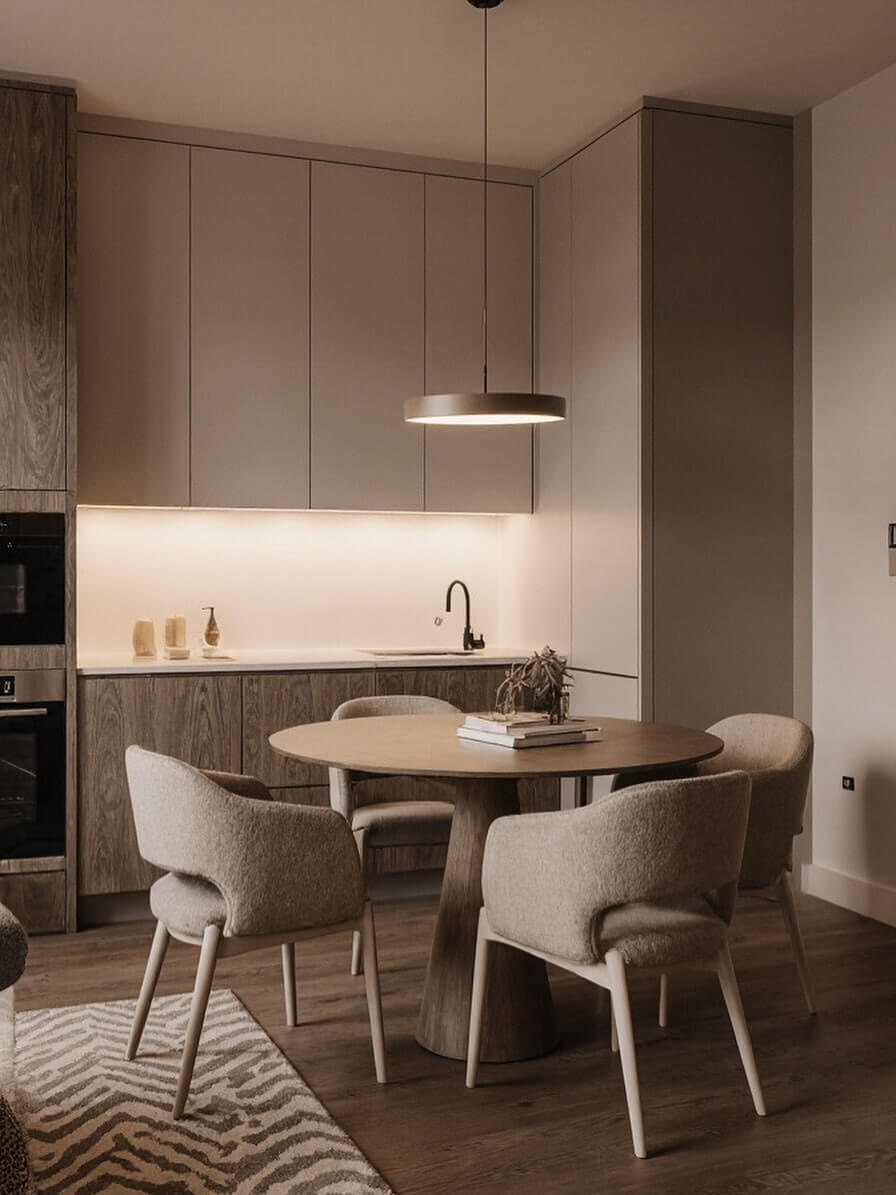
Under-sink chaos can undo an otherwise tidy small kitchen. Start with a waterproof mat or shallow pan to create a leak-safe base, then map around the P-trap so you don’t block access. Install a tension rod across the cabinet to hang spray bottles, freeing the floor for stackable bins. Use a tiered caddy for sponges, dish tabs, and brushes; a handled basket makes cleaning supplies portable for whole-home chores. Slim file organizers stand cutting boards or foil boxes upright, and a back-of-door pocket can hold gloves and scrub pads. Keep daily-use items front and center; backstock lives in labeled bins toward the rear. Choose closed containers for anything smelly or absorbent and add an adhesive hook for a small odor absorber. This system reduces bending, protects cabinets, and turns a stress point into a reliable zone—so your tiny kitchen stays clean, functional, and ready for cooking instead of rummaging for supplies.
Cover Up to Create Prep Space: Stove and Sink Boards That Serve
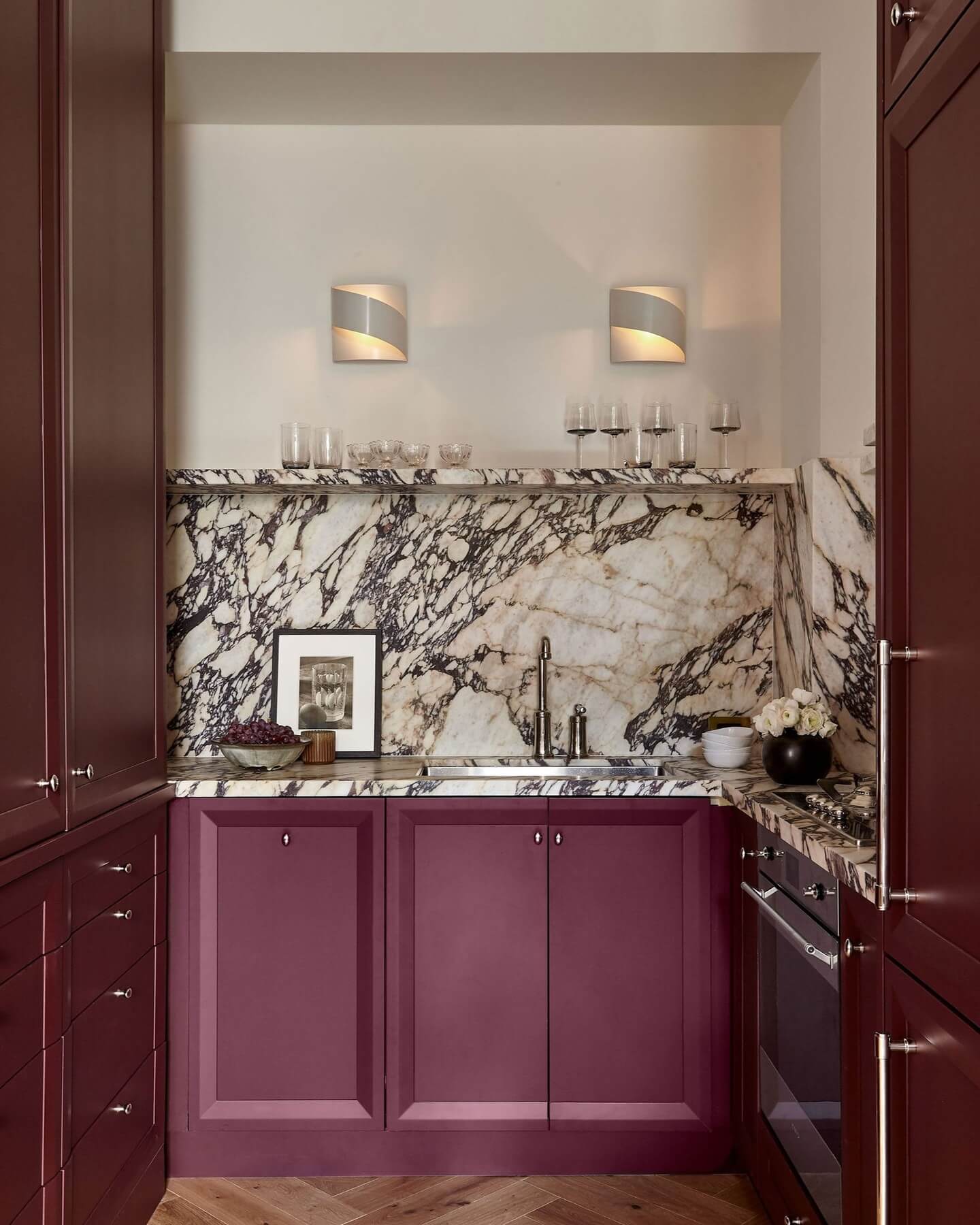
In a small apartment kitchen, inches matter. Add instant counter space with heat-safe stove covers and over-the-sink boards. A fitted “noodle board” or two separate burner covers create a level surface for mixing or staging ingredients when the cooktop is cool. A sturdy over-the-sink cutting board or roll-up rack bridges the basin for chopping, drying, or setting produce—then tucks away vertically. Look for boards with juice grooves, collapsible colander inserts, or integrated measuring guides to multiply function. Keep one board dedicated to raw proteins and another to produce for safe, efficient prep in tight quarters. Store them upright in a slim rack near the sink for quick deployment. This simple upgrade smooths bottlenecks in one-wall and galley layouts, turning dead zones into dynamic workstations and helping your tiny kitchen perform like a bigger one—without any permanent changes, perfect for renters.
Small Apartment Kitchen Layout, Lighting, and Multifunctional Design
Layout dictates both comfort and safety in a tight kitchen. Aim for 36 inches of clear walkway, or 42 inches if two people cook, and keep the dishwasher opposite open space, not the oven. In galley rooms, place sink and range on opposite runs to prevent crowding and allow an efficient pivot. Choose counter-depth, 24-inch-wide appliances and integrate handles to avoid snagging clothing in tight passes. Consider a peninsula instead of a fixed island, or swap to a mobile cart that can dock under a counter when not needed. Swap swinging doors for pocket or bifold panels to avoid blocked paths.
- Layer under-cabinet LED bars with a small ceiling fixture to eliminate shadows on cutting zones, brighten corners, and make evening prep feel safer without sacrificing precious counter space.
- Choose glossy backsplashes, mirrored accents, and slim stainless appliances to bounce light, visually widen narrow galley runs, and simplify cleanup, especially when combined with pale cabinet doors.
- Opt for a rolling cart with drop-leaf sides and nesting stools to create dining space on demand, then tuck everything away, keeping traffic lanes open for shared apartments.
- Install a quiet, recirculating range hood with charcoal filters and choose induction instead of gas to reduce heat, odors, and noise, improving comfort in open-plan studios.
Lighting and finishes complete the illusion of spaciousness. Use warm 3000K LEDs for cozy dining and switchable 4000K task light for slicing and reading recipes accurately. Keep three color values max—one light, one mid, one dark accent—to reduce visual clutter lines. Place trash, recycling, and compost under the sink with labeled bins to streamline cleanup zones. Add pop-up outlets or a rail with hooks near prep to tame cords and keep knives, towels, and spatulas off the counter.
Your Pressing Small-Kitchen Questions, Answered Clearly
How can I make a Small Apartment Kitchen feel bigger without renovating?
Use reflective finishes, minimal hardware, and a restrained color palette to reduce visual breaks. Pair under-cabinet LEDs with bright task lighting and clear counters to extend sightlines and improve perceived space.
What layout works best for a tiny galley kitchen?
A classic two-run galley with the sink opposite the cooktop keeps movement efficient and prevents crowding. Maintain at least 36 inches of aisle clearance and position the dishwasher near open space.
Which appliances are ideal for a Small Apartment Kitchen?
Choose counter-depth, 24-inch-wide models, a compact dishwasher, and a microwave-convection oven combo to consolidate functions. Induction cooktops offer faster boils, precise control, and less heat in tight rooms.
How do I keep clutter from returning after organizing?
Assign every item a labeled home and schedule five-minute nightly resets. Enforce one-in, one-out rules for gadgets, and measure before purchasing organizers to ensure a perfect, durable fit.
Final Verdict: Bringing It All Together
A Small Apartment Kitchen can be both high-function and high-style when every inch works harder. Lean on vertical storage and rail systems to liberate counters, pair a rolling island or drop-leaf surface with compact appliances that truly earn their footprint, and use light-boosting finishes to visually expand tight layouts. Whether you’re in a studio, galley, or kitchenette, zoning your workflow and turning dead zones—backsplash, door interiors, toe-kicks, and the fridge side—into smart storage creates a calm, efficient daily rhythm.
Start by prioritizing the biggest friction points: prep space, daily-use tools, and dry-goods overflow. Stack quick wins—a slim over-sink rack, magnetic sidecar shelves, inside-door spice racks, and a fold-down board—to see instant gains without a full overhaul. Renter-friendly upgrades like peel-and-stick accents, battery-powered lighting, and removable hooks deliver impact you can undo later, while tidy organizers inside drawers and cabinets multiply capacity behind the scenes.
Keep the space serene with intentional open shelving, unified containers, and a restrained color palette, then add personality where it counts: a compact coffee nook on a tray, a window ledge herb rail, or a mini bar moment. With a few strategic choices and a light touch, your small kitchen stops feeling cramped—and starts performing like a custom fit for your life.
