
Space-Saving Small Dining Room Ideas

Working with a compact dining area doesn’t mean settling for cramped or cluttered. With the right layout, scale-savvy furniture, and smart styling, even the smallest nook can feel inviting, functional, and beautifully designed. These small dining room ideas focus on maximizing every inch while keeping the space airy and cohesive.
We’ll explore space-saving solutions like round pedestal tables, banquette seating, drop-leaf and extendable designs, and wall-mounted ledges that double as dining bars. Thoughtful details—mirrors to bounce light, a calm color palette, layered lighting, and vertical storage—create visual breathing room and better flow. Each tip is practical, renter-friendly, and apartment-approved.
As you browse the sections, you’ll find ideas that pair style with everyday living—perfect for weeknight meals, WFH moments, and easy entertaining. Expect guidance on traffic flow, proportion, rugs that define zones, and decor that adds warmth without visual clutter. The goal: a small dining space that feels bigger, brighter, and effortlessly yours.
Space-Saving Small Dining Room Ideas for Layout, Flow, and Seating
Start by measuring your room and noting door swings, windows, and walkways so the table never strangles circulation. Scaled-down furniture preserves breathing room without sacrificing comfort, especially when paired with light silhouettes. Round or oval tables soften corners and help traffic glide past, while rectangular tables fit narrow rooms when aligned with the longest wall. Consider a banquette to reclaim an awkward corner and add hidden storage for linens and rarely used serveware. Transparent materials and open-legged chairs reduce visual bulk, making the space feel larger. Keep centerpieces low and narrow so conversation and sightlines remain clear.
Space Planning Fundamentals:
- Float the table six inches off the wall, leaving 30–36 inches of circulation around the remaining sides so chairs slide easily and guests pass without bumping knees.
- Choose a pedestal or tulip base to free legroom, fitting four chairs in a tight footprint while preventing table legs from clashing with chair frames or rugs.
- Push a slim bench or built-in banquette against a wall to reclaim aisle space, add hidden storage underneath, and seat extra guests comfortably along one continuous cushion.
- Use a drop-leaf, gateleg, or nesting table that expands for holidays yet shrinks daily, preserving walkway width while offering a flexible surface for work or crafts.
- Swap a bulky hutch for wall-mounted ledges or shallow cabinets, lifting storage off the floor so the room reads wider and light reaches more surfaces from multiple angles.
- Pick visually light chairs with open backs, slender legs, and armless silhouettes to tuck closer to the table, creating air gaps that trick the eye into perceiving more space.
Zone the dining area with a rug that extends at least 24 inches beyond the table edges so chairs slide without snagging. Align the table with the room’s longest sightline, or angle it slightly to break a narrow, bowling-alley feel. If a swing door pinches space, consider a pocket or sliding door to reclaim precious inches. A slim console behind a sofa or along a wall can host serving dishes without crowding the table. Keep pathways consistent and predictable to avoid chair collisions, especially in open-plan layouts. Repeat materials—like pale oak or matte black—so the eye follows a continuous rhythm rather than visual stops and starts.
Choose a Round Pedestal to Clear the Corners
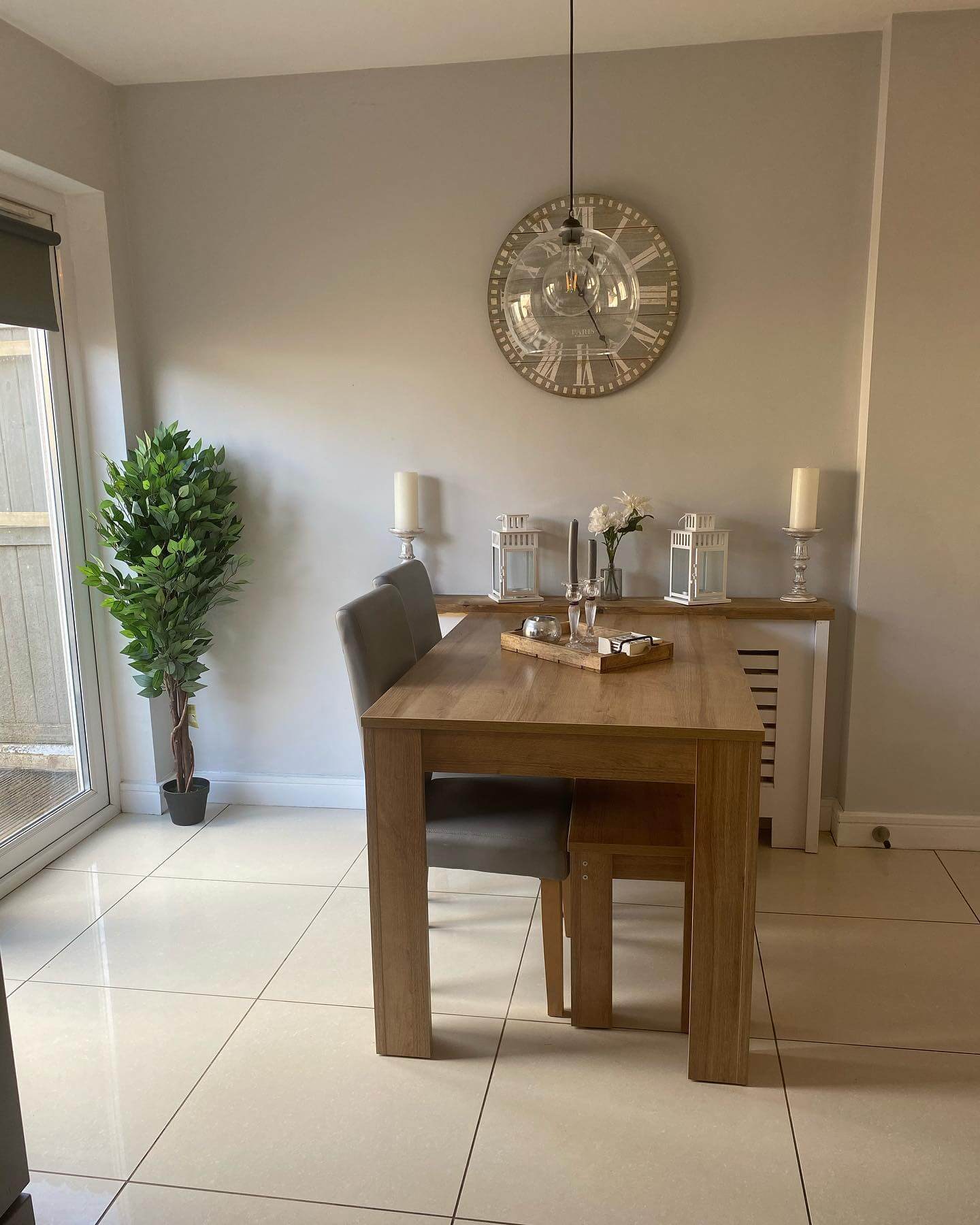
In a small dining room, a round pedestal table instantly improves flow. Without corner points or chunky legs, it softens sight lines and frees up knee space so chairs can tuck in neatly. For two to four diners, look for a 36–42 inch diameter; for tight nooks, a 30–34 inch café size still feels generous. A single central base (tulip, drum, or slim column) keeps the footprint airy and makes sliding in and out simple—critical when your table sits near a doorway or walkway. Pair with armless, low-back chairs to keep the visual weight light. If your light box isn’t centered, swag a plug-in pendant so it lands above the table; hang it 30–34 inches from tabletop to shade. A round flatweave rug that extends 20–24 inches beyond the table edge will ground the zone without tripping chair legs. Prefer to hug a wall? Try a half-round (demi-lune) that sits flush against it for weekdays, then pull out to full round for guests. Finishes matter: matte wood adds warmth, glass or stone tops bounce light, and slim black accents add definition without bulk. The effect is calm circulation, better conversation, and a nook that reads bigger than its footprint.
Build a Banquette to Seat More in Less Space
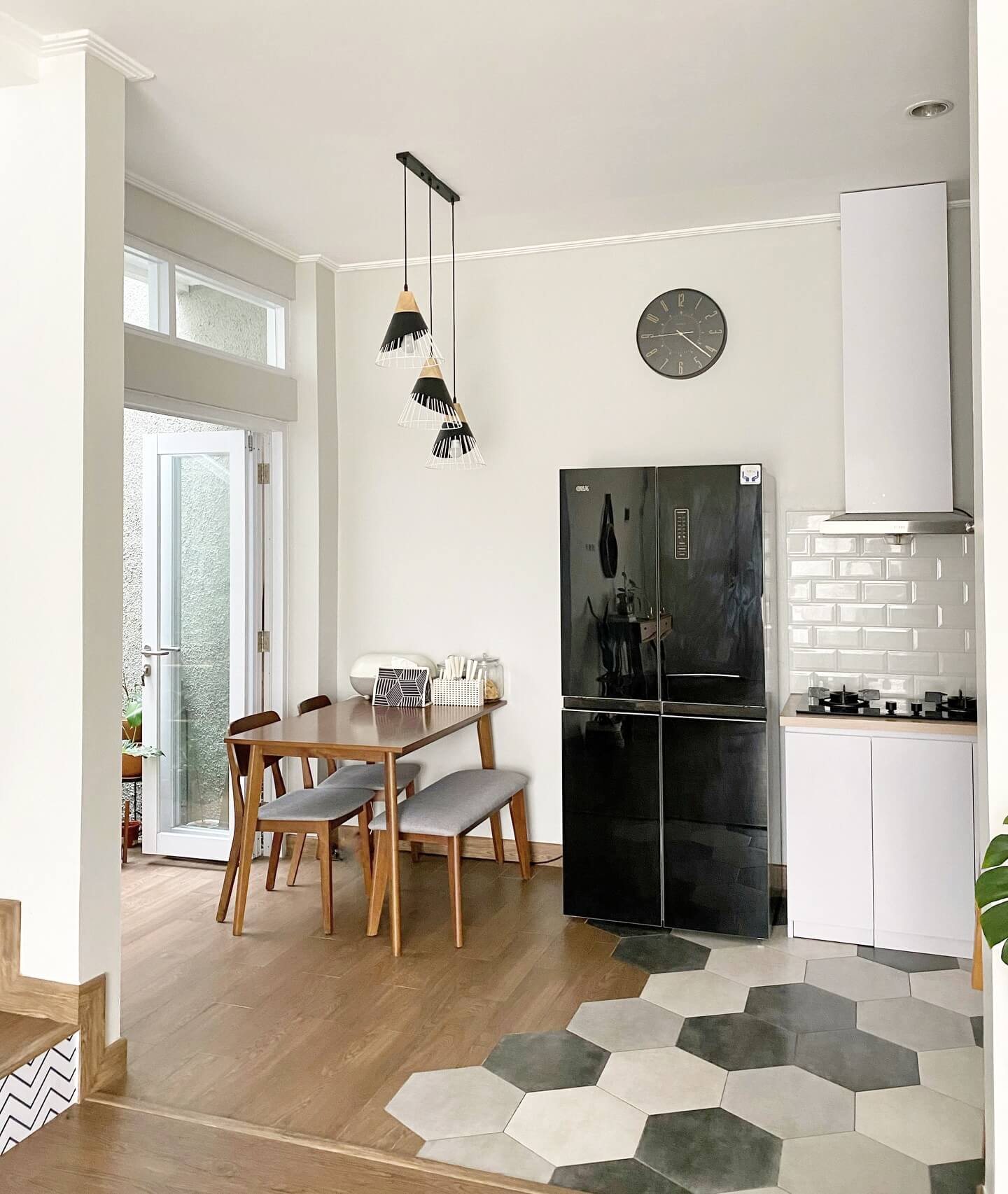
Banquette seating is a small-space powerhouse: it eliminates chair clearance on one or two sides, lets the table sit closer to the wall, and creates built-in storage. Aim for a bench seat height of 18–19 inches and a depth of 18–20 inches with a cushioned back that encourages lingering. A single pedestal or tulip base table keeps legs out of the way, and rounded corners prevent hip bumps. In a corner, an L-shaped banquette comfortably seats four in the footprint of two chairs. Renter-friendly? Use a freestanding storage bench paired with wall-mounted back cushions or a long bolster. Upholster in performance fabric, vinyl, or indoor-outdoor textiles for wipe-ability; add a washable bench pad. Layer an art ledge above the banquette to display frames without drilling multiple holes, and flank with plug-in sconces on dimmers for cozy, space-saving lighting. Under-seat drawers or lift-up lids hide linens and board games. Keep the palette cohesive—echo the kitchen’s cabinet tone or wall color so the nook feels like a natural extension, not an add-on. The result is maximum seating, minimal footprint, and a tailored, custom look even in an apartment.
Flex Daily with a Drop-Leaf or Gateleg Table
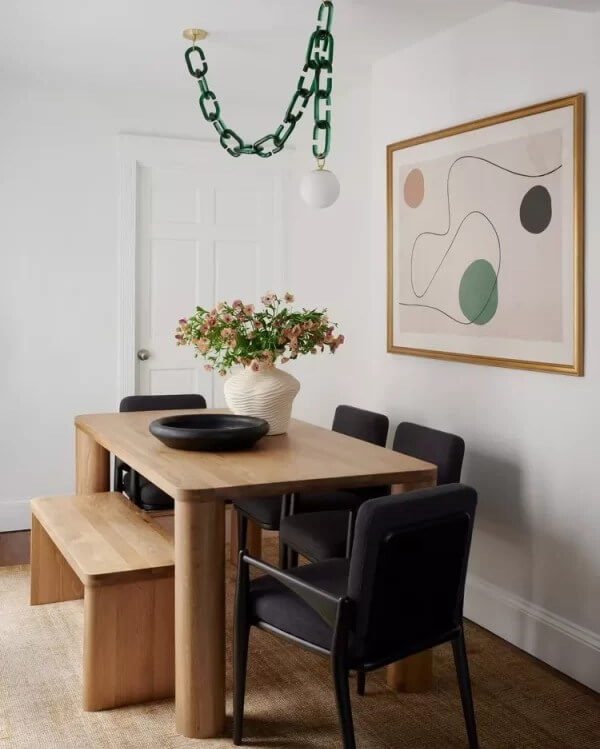
A drop-leaf or gateleg table adapts to real life in a tiny dining room. Leaves down, it’s a slim console for mail, plants, or a work-from-home laptop. Leaves up, it becomes a full-fledged dining surface for two to six. Prioritize sturdy hinges and legs that lock; a 30 by 50 inch top with two 10–12 inch leaves is a versatile size. On weeknights, keep one leaf raised against a wall for a compact two-top; for guests, roll the table out (casters help) and raise both leaves. Store lightweight folding or stackable chairs on a wall-mounted hook rail so they’re out of the way yet easy to grab. For WFH, clip-on task lighting and a cable grommet keep cords tidy, and a shallow drawer holds essentials. Style with a narrow runner to elongate the surface and visually slim the table when expanded. A consistent finish with surrounding furniture—whether natural oak, warm walnut, or crisp white—helps the piece blend, not bulk up the room. This single, shape-shifting investment means you never sacrifice everyday comfort for occasional entertaining.
Install a Wall-Mounted Dining Ledge or Fold-Down Table
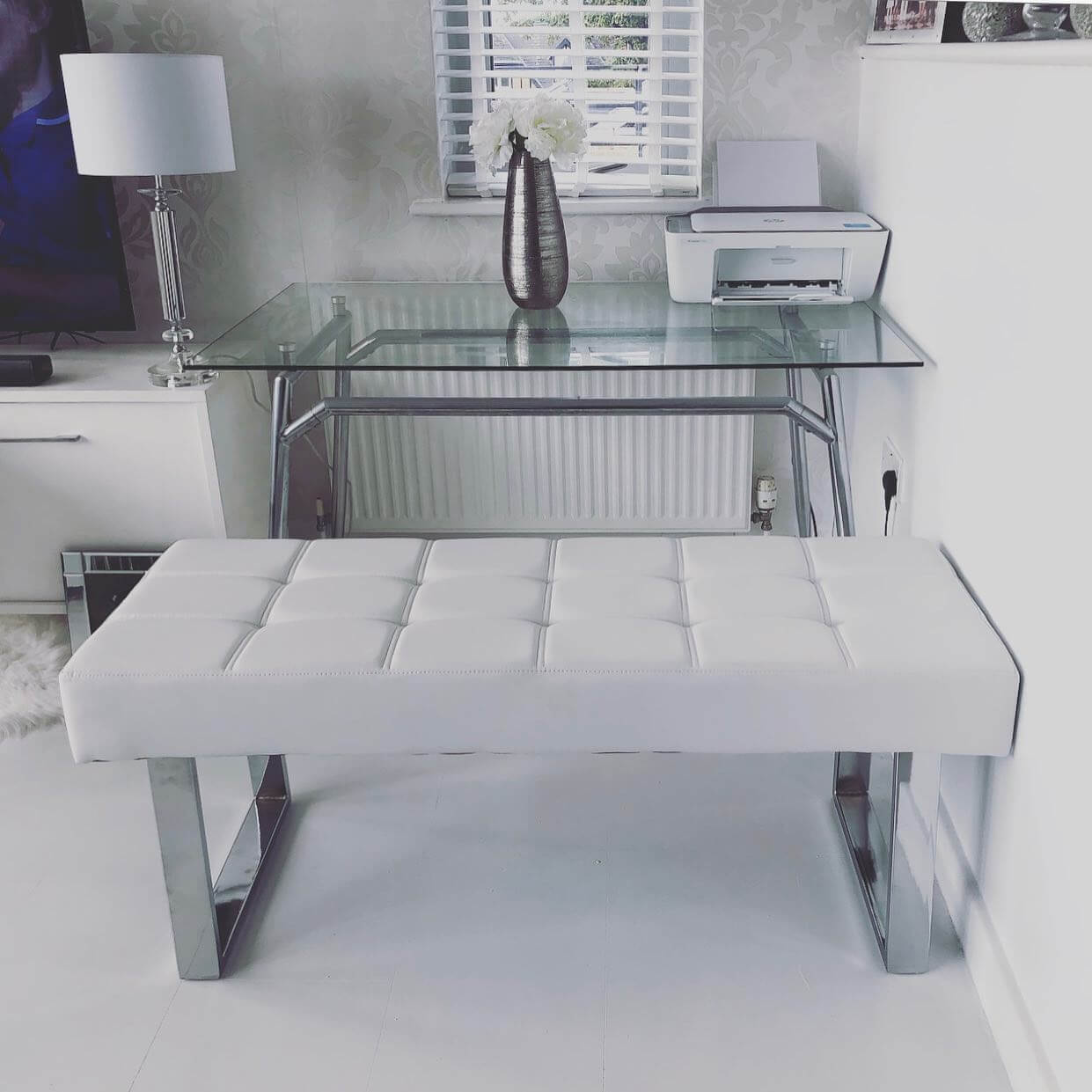
When floor space is scarce, move dining to the wall. A 12–16 inch deep, wall-mounted ledge acts as a slim dining bar by day and a landing zone by night. For ultimate flexibility, choose a fold-down (Murphy-style) table that tucks flat when not in use—ideal behind a door or in a studio. Mount at standard counter height (36 inches) or bar height (40–42 inches) depending on your stools; ensure 10–12 inches of knee clearance. Align the ledge beneath a window to borrow daylight and city views, or create a cozy niche with a plug-in pendant swagged to center. Use compact, backless stools that slide fully underneath to keep the footprint clear, and add a shallow floating shelf above for glassware and plants. To make it feel intentional, paint the ledge and shelf to match the wall, or contrast in wood to warm up an all-white scheme. A wipeable surface—laminate, stone, or sealed wood—handles daily meals. This linear setup protects traffic flow, adds seating without bulk, and reads like built-in architecture, not a compromise.
Multiply Light with Mirrors and Clear Materials
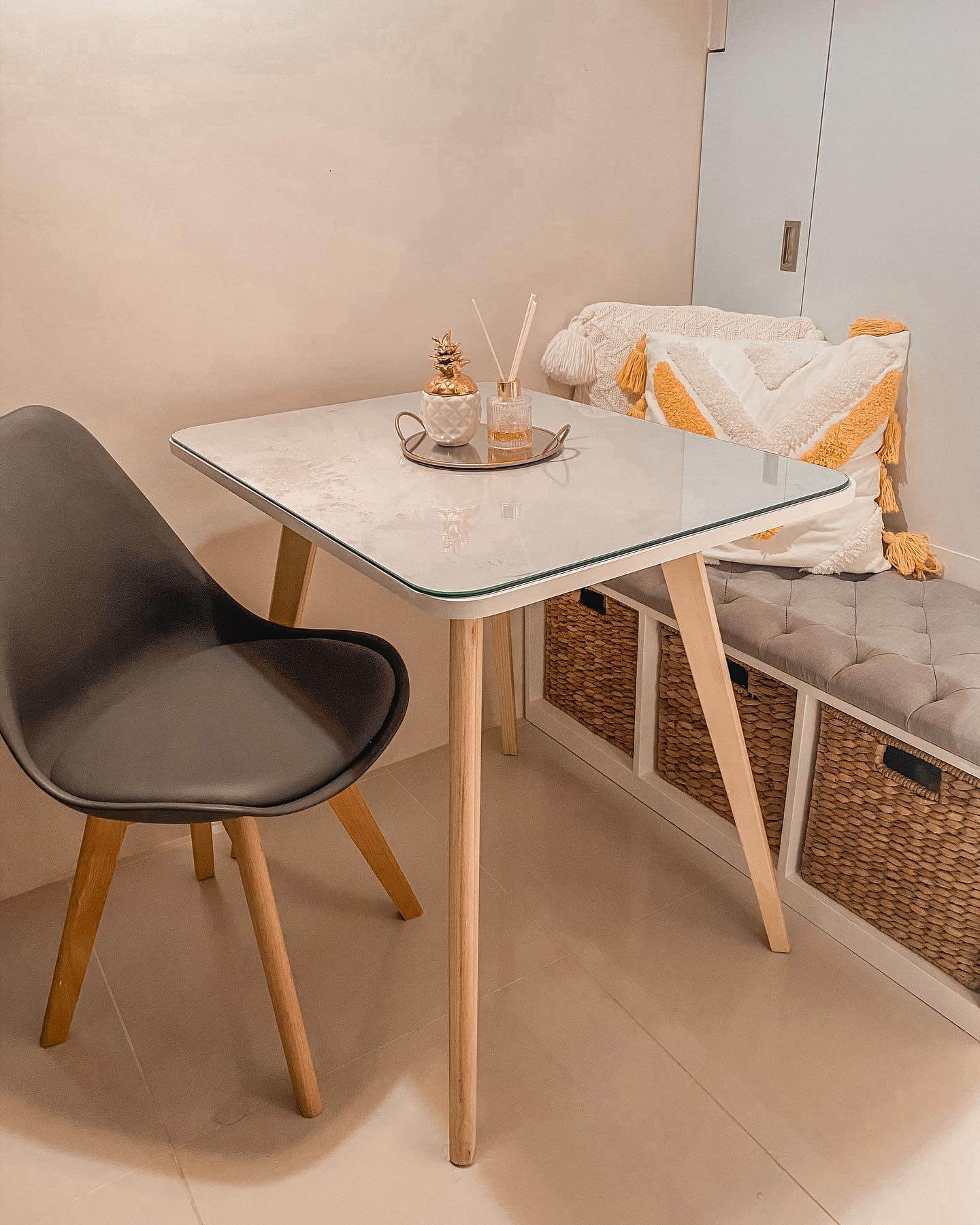
Small dining rooms crave reflected light. A large mirror opposite a window can visually double the space and brighten evening meals when paired with a dimmed pendant. If a single big mirror isn’t feasible, try a symmetrical pair or a gallery of same-finish frames to keep things calm. Keep bottoms 6–8 inches above the banquette or console to avoid awkward gaps and always anchor heavy pieces for safety. Layer light-friendly materials around the mirror—glass or acrylic chairs, glossy candlesticks, and polished hardware—to boost bounce without visual clutter. A glass or stone tabletop maintains sight lines, while a slim black frame on the mirror adds just enough contrast to sharpen edges. Be mindful of glare: choose a lightly antiqued mirror or angle it slightly if it faces a bright source. For renters, mirrored wall panels with removable strips are a budget-friendly hack. This reflective strategy expands depth, improves brightness, and turns your dining wall into an elegant focal point that works hard in a compact footprint.
Layer Lighting for Mood and Function
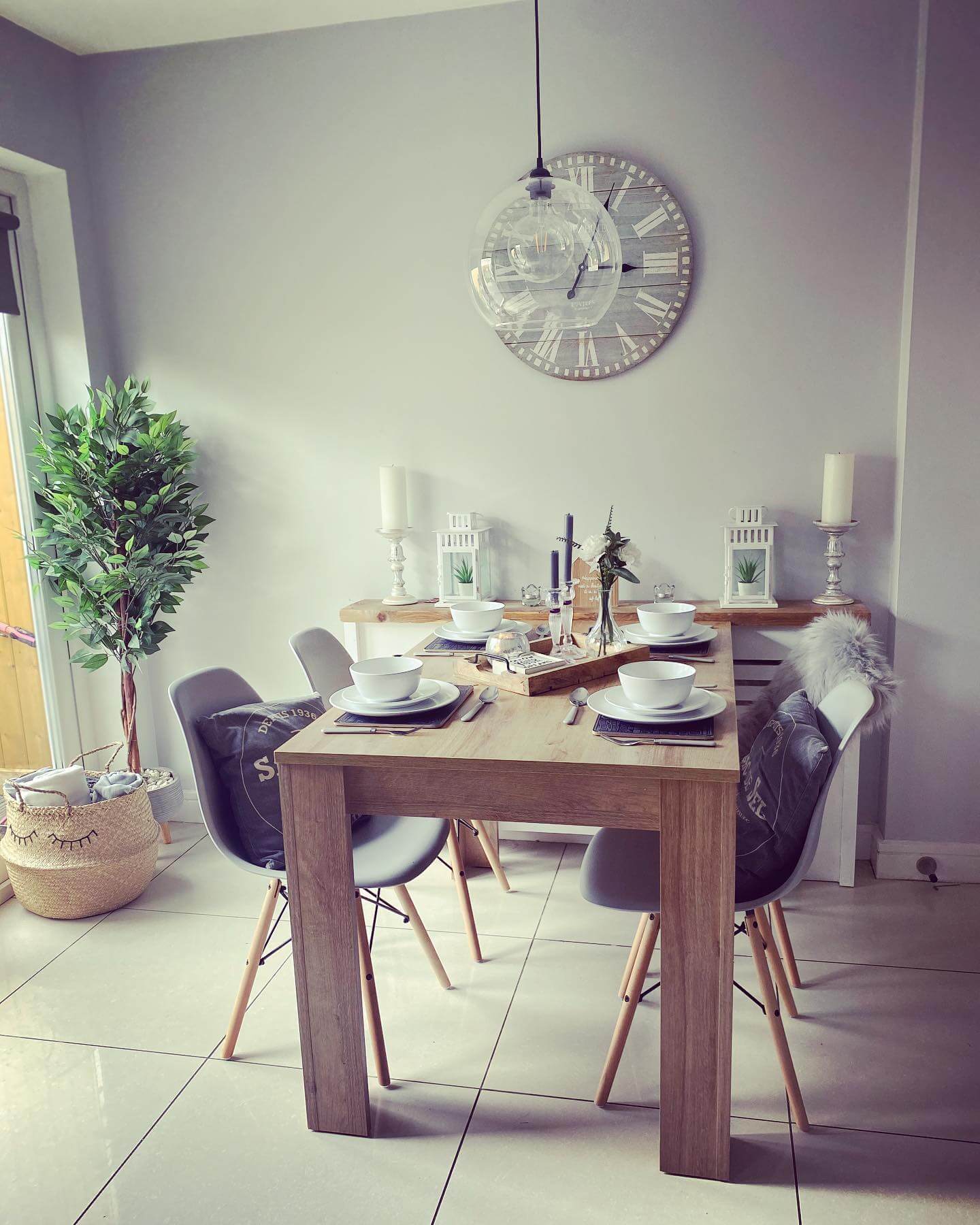
Great small dining rooms feel bright at breakfast and intimate at night. Aim for three layers: ambient (your main pendant or flush mount), task (plug-in sconces by a banquette or picture light over art), and accent (candles or a small table lamp on a narrow side console). Hang pendants 30–34 inches above the tabletop; in low ceilings, consider a semi-flush with a wide shade to spread light without visual bulk. A linear chandelier can elongate a narrow room; a compact globe works beautifully over a round table. Add dimmers—plug-in dimmer switches solve renter woes—and choose warm 2700–3000K bulbs to flatter food and faces. If your junction box isn’t centered, swag the cord so the shade sits above the table; conceal with decorative chain or cord covers. Reflect light off pale walls, a mirror, or even a metallic tray on the table for extra sparkle. Thoughtful layering makes a tight footprint feel considered, adaptable, and decidedly welcoming.
Think Vertical with Slim, Stylish Storage
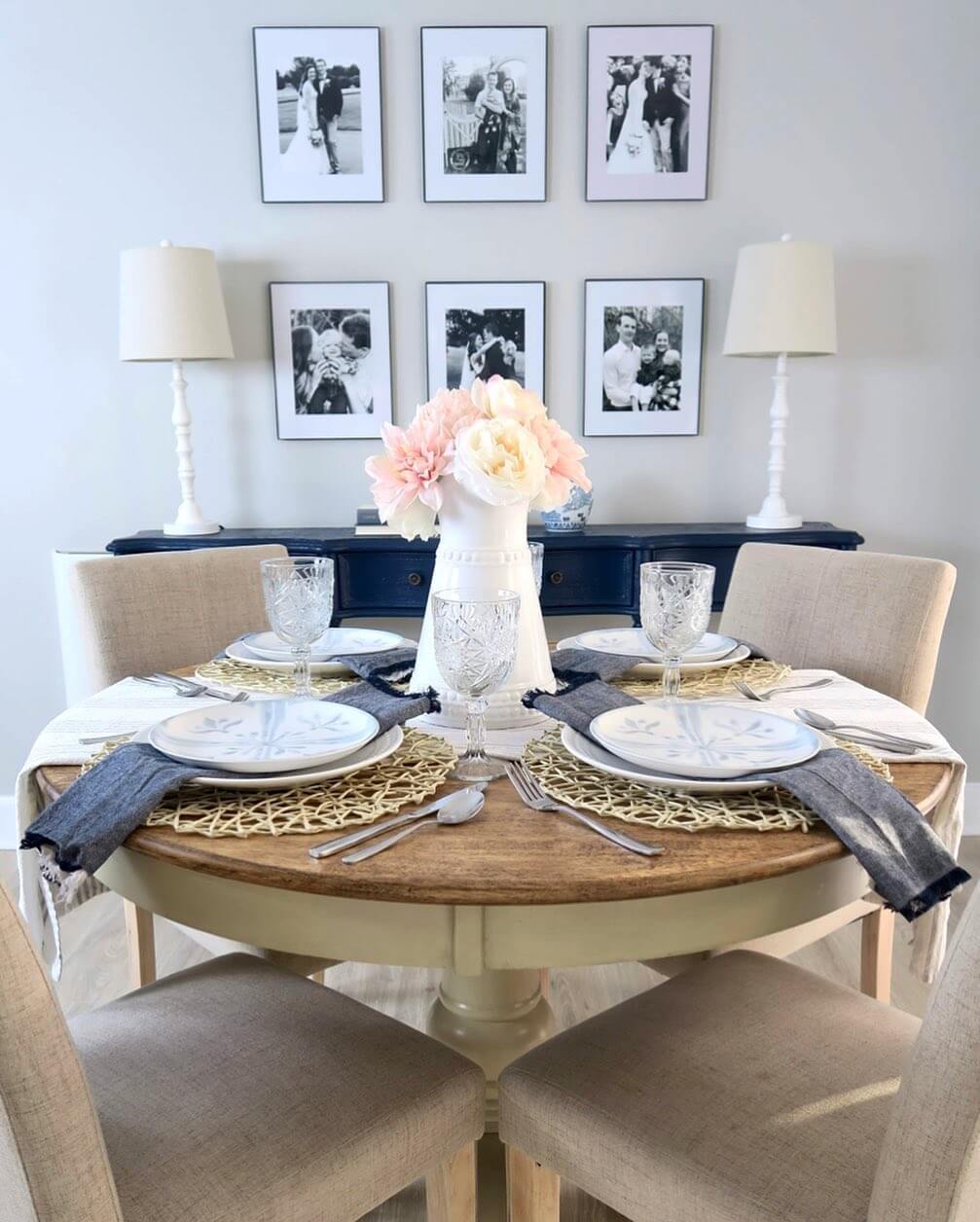
Clutter reads larger than square footage. Opt for storage that climbs, not sprawls: narrow hutches (12–14 inches deep), ladder shelves, or floating ledges for glassware and bowls. A shallow sideboard with ribbed doors adds texture while hiding linens, candles, and serveware; top it with a tray to corral bottles as a mini bar. Peg rails or rail systems with S-hooks hold foldable chairs, cutting boards, and aprons—functional wall art that frees the floor. If you have a banquette, integrate drawers under the seat or lift-up lids for seldom-used items. Keep open shelves edited: stacks of white dishes, a few wood accents, and greenery. Use baskets to group small pieces and maintain a clean line. Mirrors, clear chairs, and leggy tables maintain negative space around storage so the room stays airy. This vertical approach keeps essentials within reach, clears surfaces for dining, and adds personality without crowding your compact dining nook.
Define the Dining Zone with a Low-Profile Rug
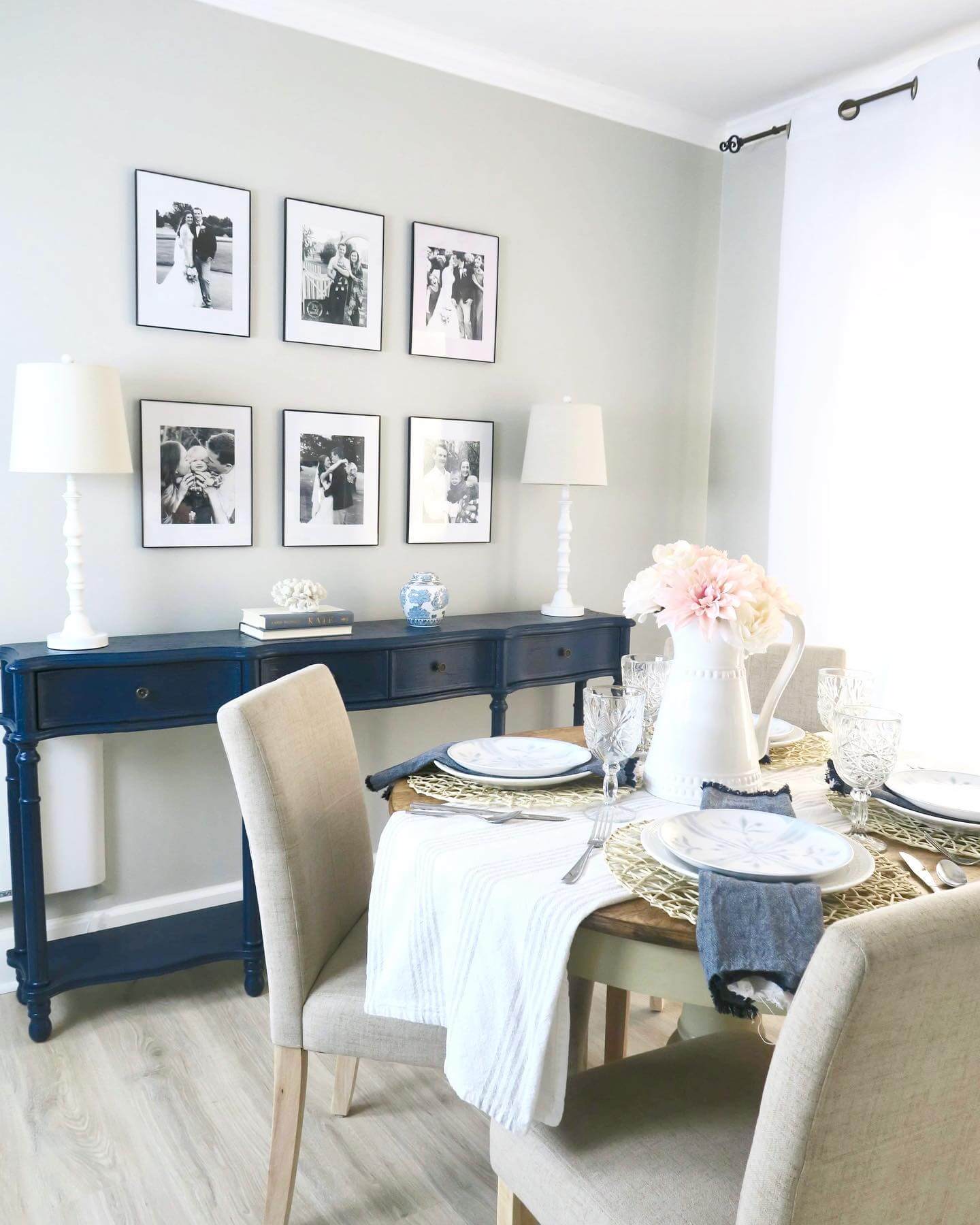
In an open-plan apartment, a rug instantly carves out a dining zone—no walls required. Size matters: choose a rug that extends at least 24 inches beyond all sides of the table so chairs glide without catching the edge. Round table? A round rug mirrors the shape for a tidy, cohesive look; rectangular tables suit a slightly oversized rectangle to elongate the space. Opt for flatweave or low-pile performance fibers that resist spills and vacuum easily—think wool flatweave, PET, or indoor-outdoor blends. Pattern is your friend: subtle stripes or small-scale motifs hide crumbs and add movement, making the area feel larger. Anchor the rug parallel to a main wall or window to align sight lines. Use a thin, non-slip pad to keep edges flat and doors clearing. Keep surrounding furniture legs off the rug if space is tight; the table and chairs are enough to stake the zone. The right rug unifies color, softens acoustics, and visually expands your tiny dining room.
Calm Color and Texture for an Airy Feel
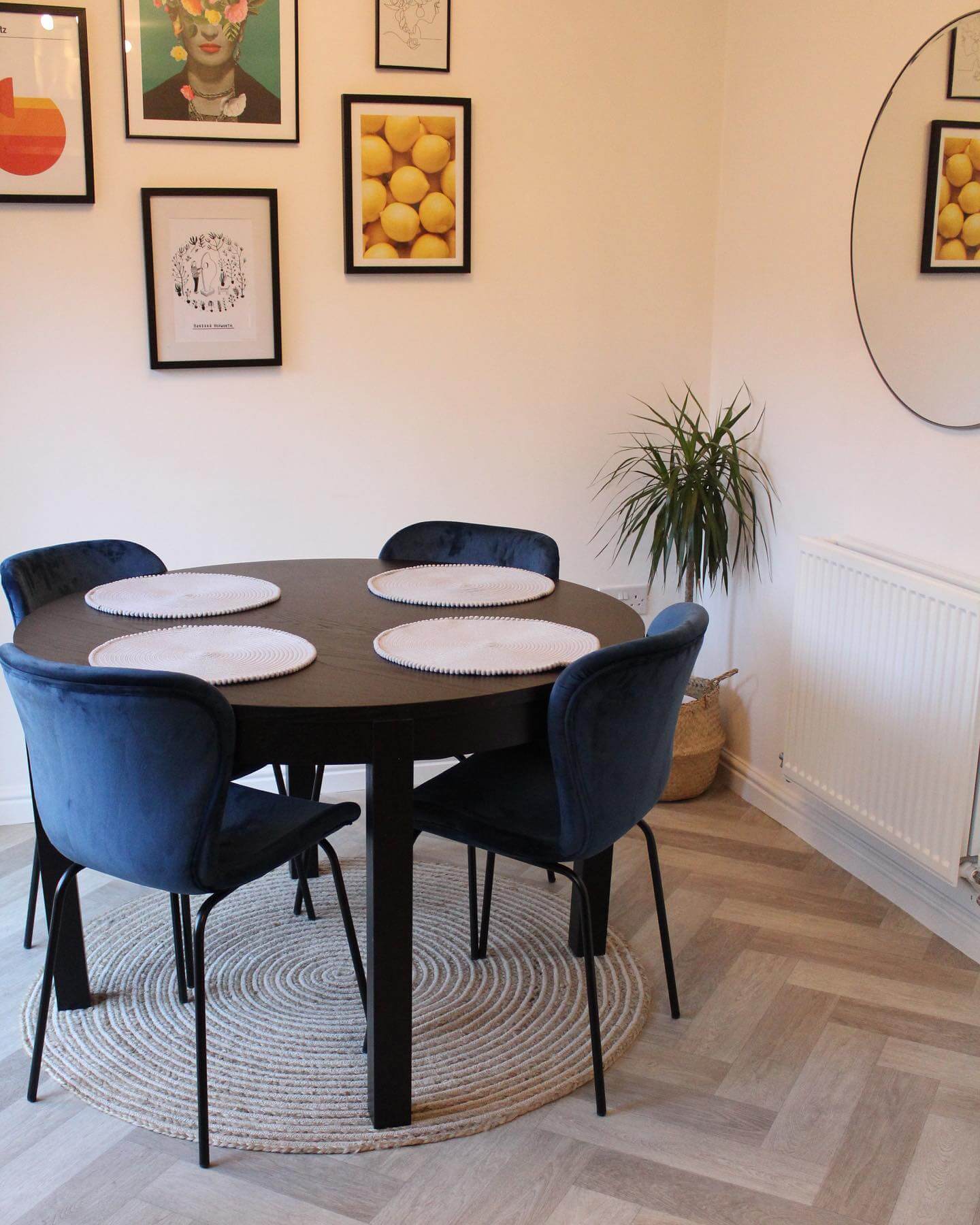
Color can compress or expand a room. Light, low-contrast palettes—soft whites, misty grays, putty beiges—help walls recede and furnishings blend, creating a serene, spacious impression. Go tone-on-tone: match chair upholstery to wall color, echo wood tones in the table and shelves, and keep metals consistent. Then add tactile interest so the space doesn’t feel flat: linen curtains hung high to lift the eye, a cane-backed chair for breezy texture, a boucle seat pad on a bench. If you crave pattern, try a subtle vertical stripe or grasscloth-style peel-and-stick on one wall to add height; paint the ceiling a half-shade lighter than the walls for a soft canopy effect. Transparent elements—acrylic chairs, glass shades—maintain sight lines, while a few matte black accents add depth and definition. Edit decor to a few larger, simple pieces rather than many small ones. The result is a cohesive, breathable dining nook that feels bigger, brighter, and deliberately designed.
Entertain Smarter with Extendables and Stashable Seating
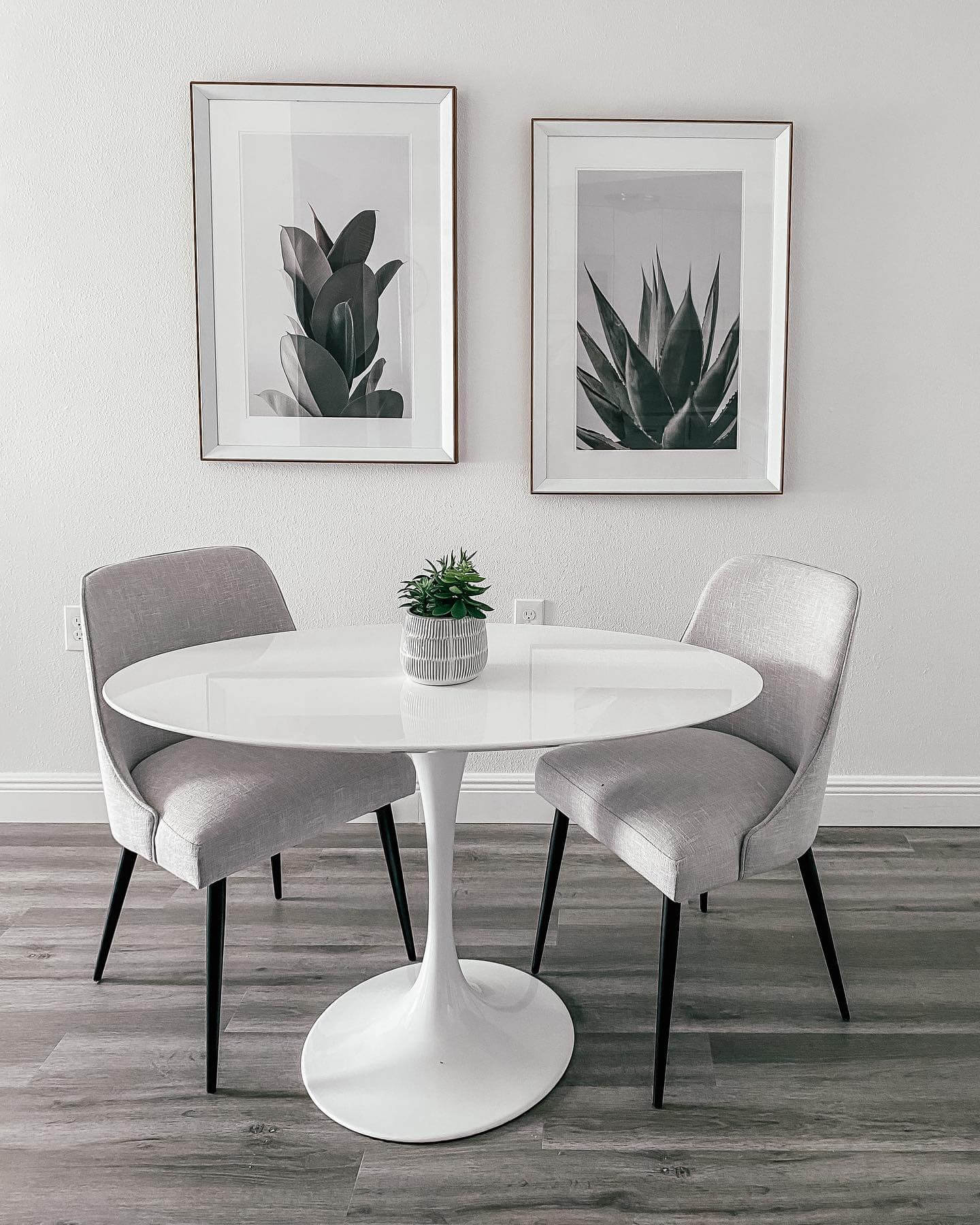
Hosting in a small dining room is all about smart expansion. Choose an extendable table with self-storing butterfly leaves or end pull-outs so you can add surface area in seconds. Trestle or pedestal bases preserve legroom when the table grows. Keep extra seats at the ready: stackable stools, fold-flat chairs on a peg rail, or poufs that live under the console. A slim rolling cart sets up as a sideboard for drinks and desserts, freeing the tabletop; park it in the kitchen when not in use. Use a runner instead of a full tablecloth to elongate the table without bulk, and a lazy Susan to make serving easy at tight settings. Aim for 36 inches of walkway where possible; if not, seat one side against a wall or banquette and let guests slide in first. Store entertaining essentials—napkins, candles, trivets—in labeled bins so setup is swift. With the right expandables, your tiny dining space shifts from everyday to party-ready without breaking stride.
Float the Table for Clear Circulation
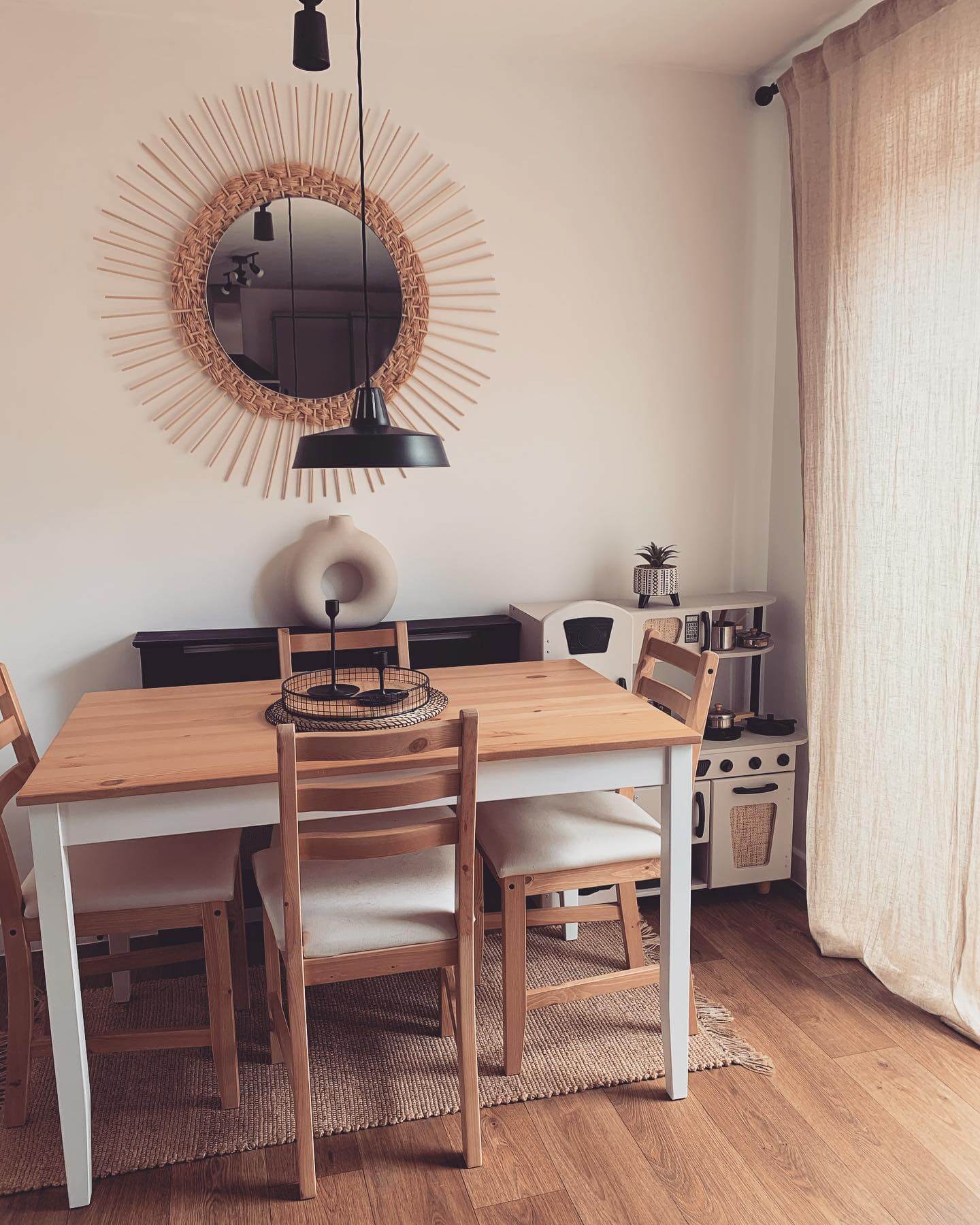
If your instinct is to push a table against the wall, try floating it instead. Pulling a compact dining table 8–12 inches off the wall creates a breathing lane around the perimeter, which instantly makes a small dining room feel intentional—not improvised. Aim for 30–36 inches of circulation where possible; even 24 inches on the tight side improves traffic flow. A round or oval pedestal table keeps corners out of the walkway and allows chairs to stagger naturally. Center a low-profile rug beneath to visually anchor the “island” and help chairs slide quietly. Align a pendant or plug-in swag over the table to reinforce the focal point and make the layout feel deliberate. On the wall side, swap one chair for a slim bench or backless stools that tuck fully under the tabletop when not in use. Wall-mounted hooks can hold extra stools so floor space stays clear. Floating the table also improves conversation—no one is “stuck” against the wall—and makes it easier to add a temporary leaf or extra place setting when you entertain.
Flip a Slim Console into a Two-Seat Dining Bar
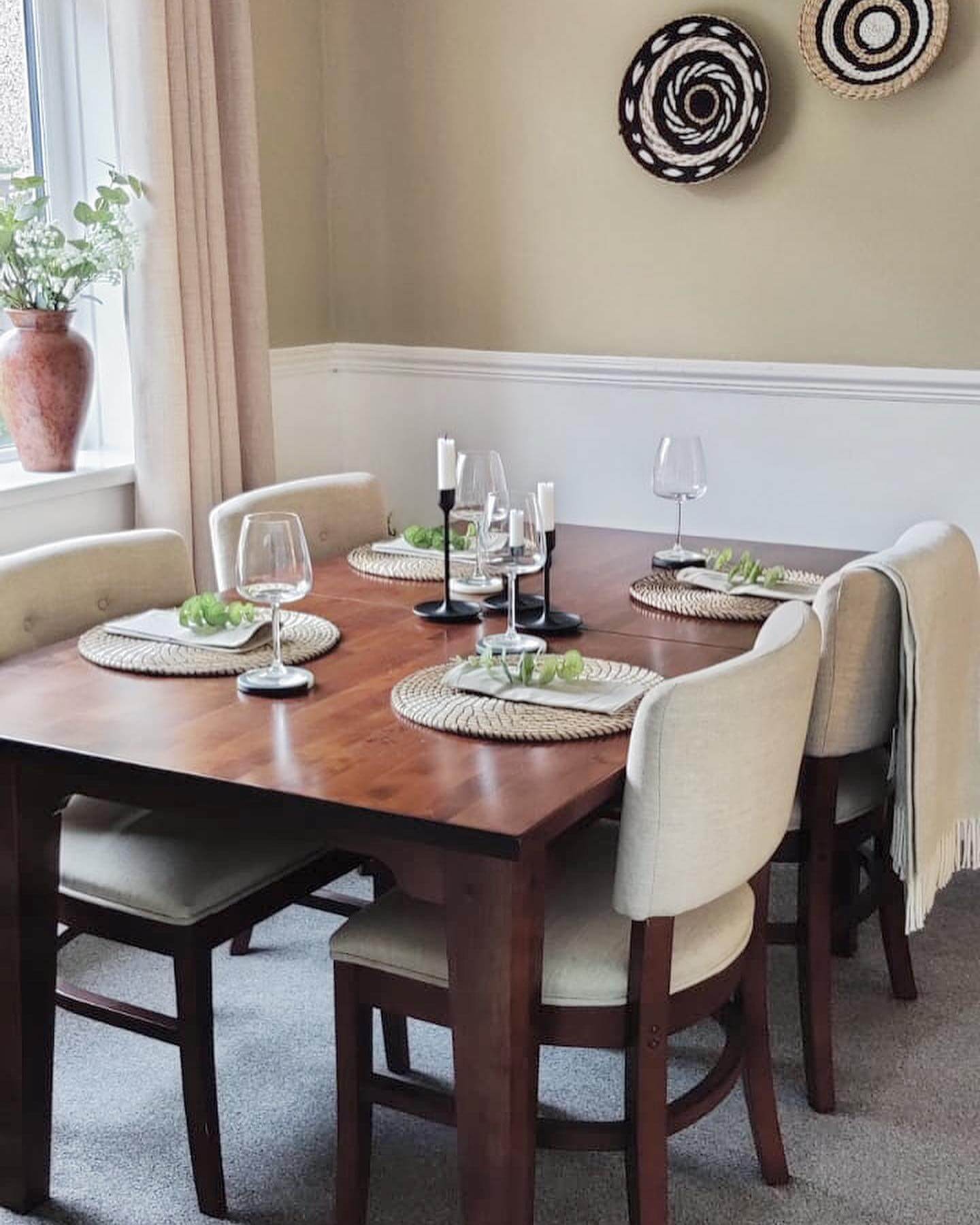
No room for a standard table? A narrow console can moonlight as a dining perch without overwhelming your compact dining space. Look for a console 12–18 inches deep and 36 inches high; pair it with counter-height, backless stools that tuck underneath. By day, the surface functions as a landing zone or work spot. At mealtime, clear it and style for two with a runner, low bowls, and a petite lamp on dimmer for ambience. A flip-top or drop-leaf console doubles its depth for guests, then collapses to free up floor area. Drawers corral flatware, napkins, and candles so setting the “table” takes seconds. Mount art or a mirror above to frame the vignette and bounce light. If you’re renting, a plug-in sconce or picture light adds layered lighting without hardwiring. This sideboard-to-supper setup is especially useful in studio apartments, entry-adjacent nooks, or along a blank living room wall where every inch must multitask.
Choose Armless, Open-Frame Chairs for Visual Lightness
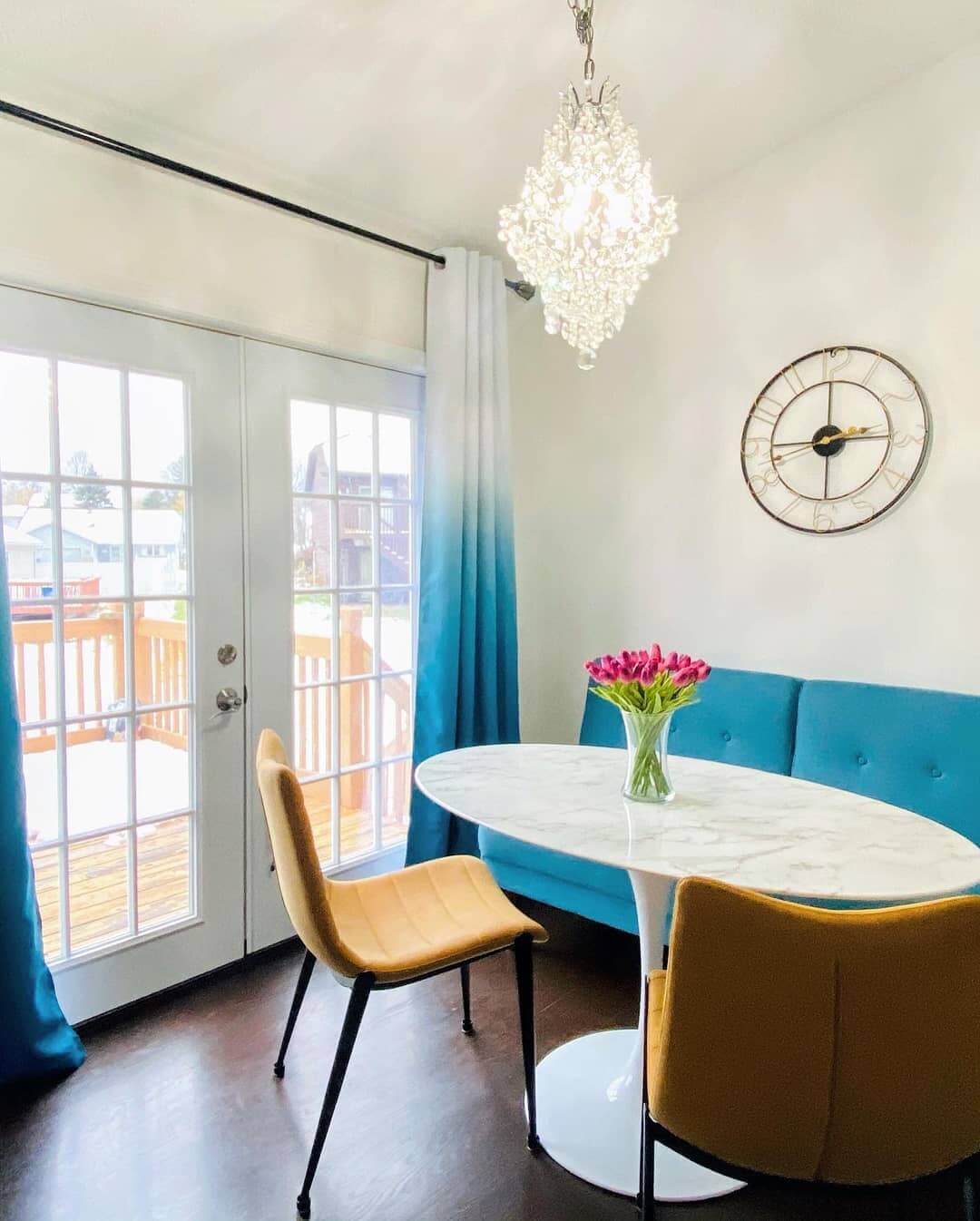
The right chairs can make or break a tiny dining room. Prioritize chairs with a slim profile, open backs, and visible legs—think wood spindle, cane, wire, or acrylic designs. Armless silhouettes reduce visual bulk and slide closer to the table, squeezing in an extra place when needed. Aim for a seat height of 17–18 inches and a seat width around 16–19 inches; measure your table apron to ensure at least 7–9 inches of thigh clearance. If comfort is a concern, add thin, tie-on cushions in a fabric that matches the chair color so they read as one piece. Mix two stackable extras that can live in a closet and come out for guests. Keeping all chair frames in a single tone (natural oak, matte black, or clear acrylic) creates cohesion, while texture—cane, boucle, or leather straps—adds subtle interest without clutter. This “light-but-comfortable” approach amplifies sightlines, lets light pass through, and supports the airy feel you want in a small dining area.
Hang High-and-Wide Curtains to Stretch the Room
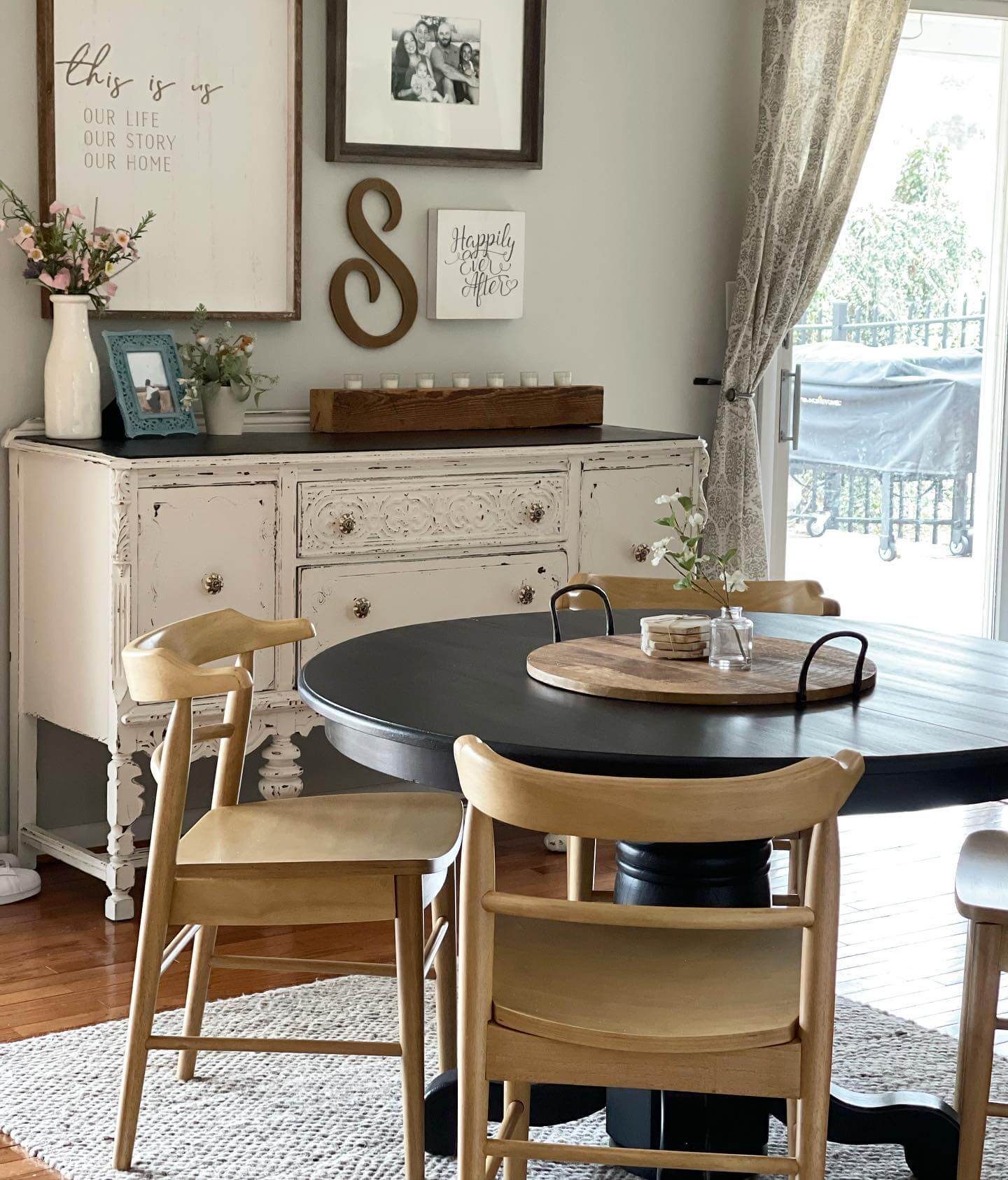
Window treatments can visually enlarge a compact dining nook when you follow the high-and-wide rule. Mount rods 4–6 inches below the ceiling or crown and extend them 8–12 inches past each window side. This exposes more glass, draws the eye upward, and makes the wall appear wider—key illusions in small dining rooms. Choose unlined sheers or light-filtering linen blends that soften daylight, reduce glare on table surfaces, and improve acoustics during lively meals. Keep panels just kissing the floor for a tailored, low-bulk look that’s easy to clean. If privacy is needed, layer unobtrusive solar shades behind the drapery. Color-match curtains to the wall for a seamless, calming backdrop that won’t compete with your table setting; subtle vertical textures or micro-stripes further elongate the space. Bonus: well-placed curtains also frame a floating table and create a cozy envelope for evening dinners without adding physical furniture to the footprint.
Style a Low-Profile Centerpiece that Leaves Elbow Room
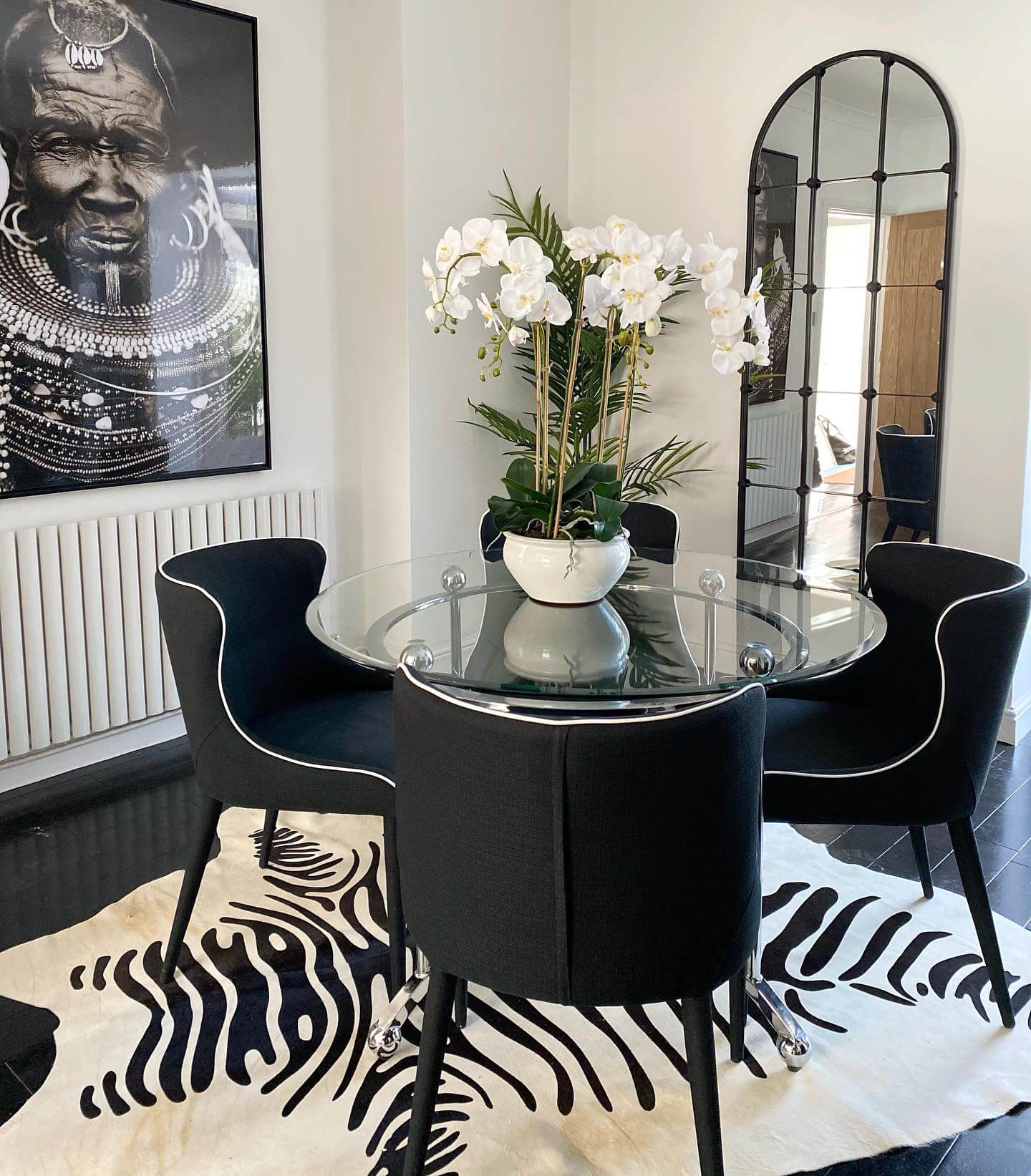
In a tiny dining room, decor must earn its keep. Skip tall florals and sprawling trays in favor of a low-profile centerpiece that enhances conversation and keeps surfaces usable. Aim for under 9–12 inches in height so sightlines stay open across the table. A narrow runner plus a small cluster of bud vases or a single wide, shallow bowl grounds the setting without hogging space. For round tables, a compact footed bowl or trio of squat candles on a petite pedestal creates dimension while staying tidy. Keep color palette calm—greens, natural stone, or soft metallics—to support the airy vibe. Stash salt, pepper, and matches in a lidded box to reduce visual noise. When entertaining, transfer the centerpiece to a console or bar cart and replace it with a serving board; everyday beauty, special-occasion functionality. The result is a table that looks styled, feels spacious, and flips from work to dinner in seconds.
Swap a Bulky Sideboard for a Shallow Picture Ledge
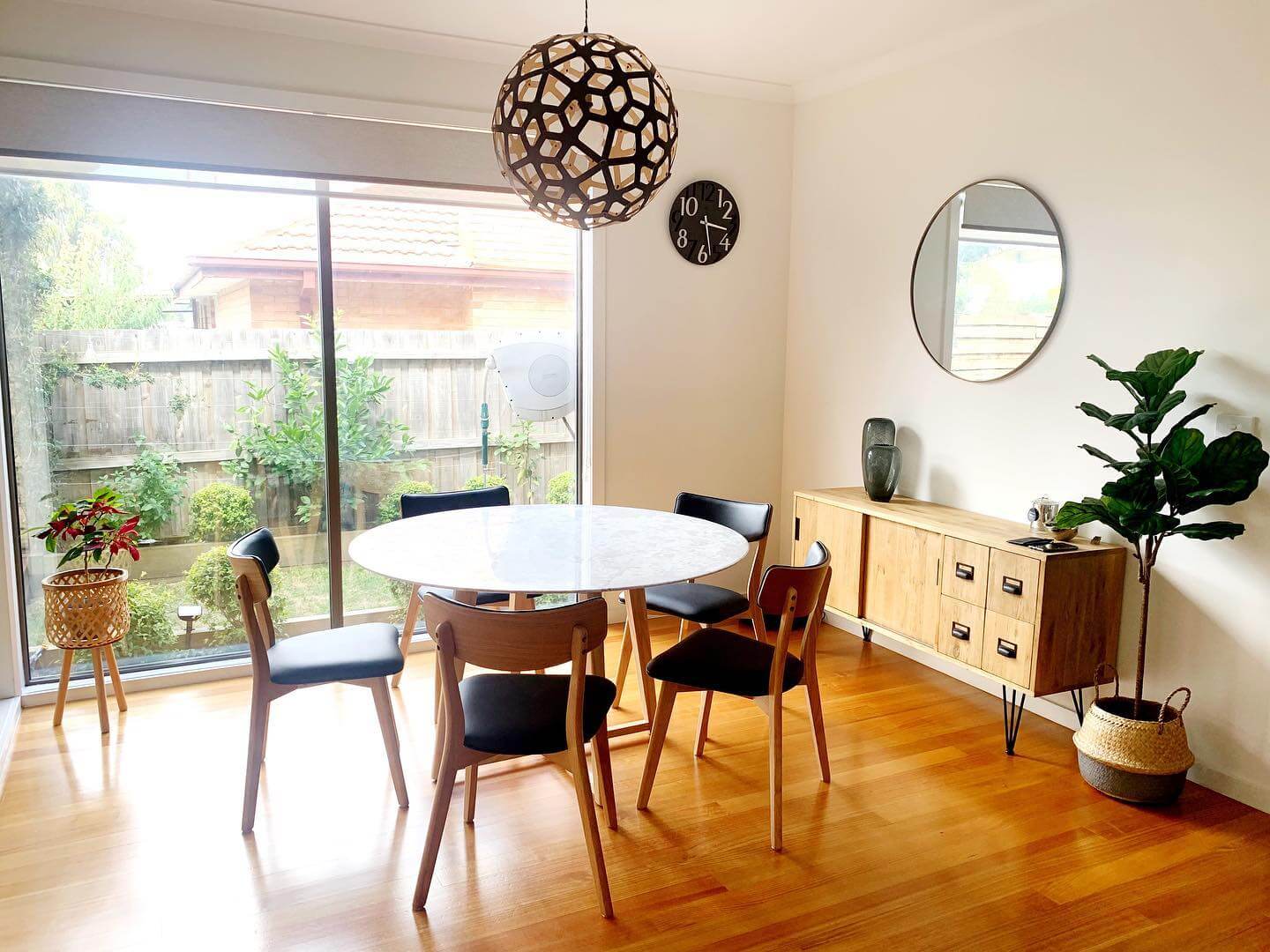
If a full-depth buffet overwhelms your compact dining area, install a long, shallow picture ledge instead. At 3.5–5.5 inches deep, it offers just enough perch for leaning art, a slim lamp, small bowls, and a vase—without stealing floor space or compressing the walkway. Run it nearly wall-to-wall to stretch the room visually and keep the sightline clean. Mount the ledge above chair-back height (about 36–40 inches) so seating doesn’t collide. Use a single color—ideally the wall color—to help it recede. Curate a tight palette of display pieces and rotate seasonally; everything else lives in a nearby cabinet or lidded baskets tucked under a bench. This ledge does triple duty: decor, soft lighting, and small-item storage for napkins or coasters. It’s renter-friendly, easy to patch, and a smart alternative where a sideboard would crowd chair clearance or rug edges.
Right-Size the Pendant to Perfect the Proportions
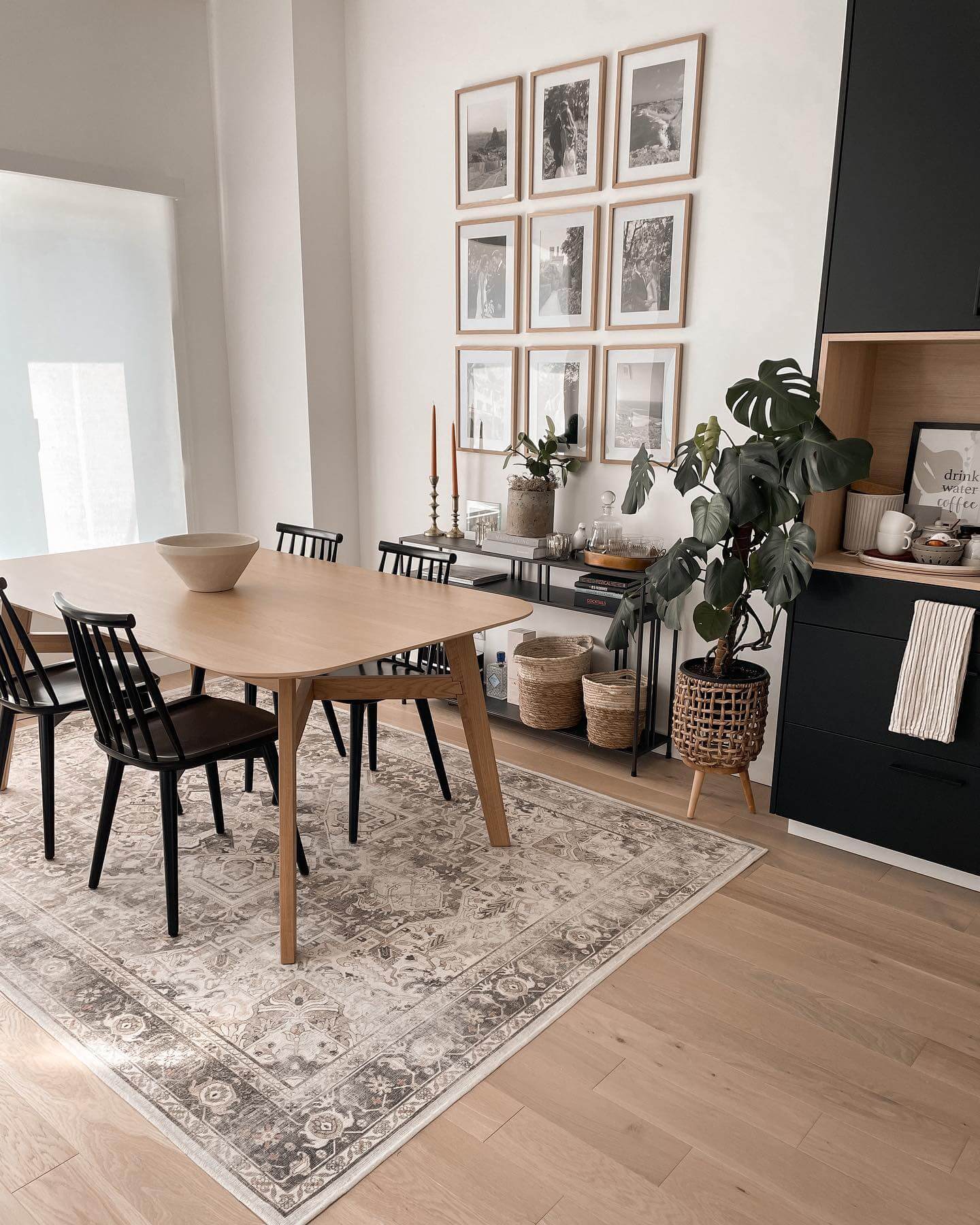
Lighting can make a small dining room feel polished and proportional. For a round table, choose a pendant roughly 1/2 to 2/3 the table’s diameter; for rectangular tables, aim for a fixture 12 inches narrower than the table width. Hang the shade so the bottom sits 28–34 inches above the tabletop to light faces without glare and maintain clear sightlines. If hardwiring isn’t feasible, a plug-in pendant with a ceiling hook and cord cover keeps things neat—pair with a remote dimmer plug to adjust mood from WFH to dinner. In long, narrow spaces, two petite pendants or a linear bar distribute light evenly without visually weighing down the room. Keep finishes light or translucent—linen, glass, or perforated metal—to maintain the airy, layered look established by mirrors and sheers. The right scale makes your table feel centered, your rug read intentional, and the whole setup look custom—even in a rental.
Warm Up with Streamlined Wood and Organic Curves
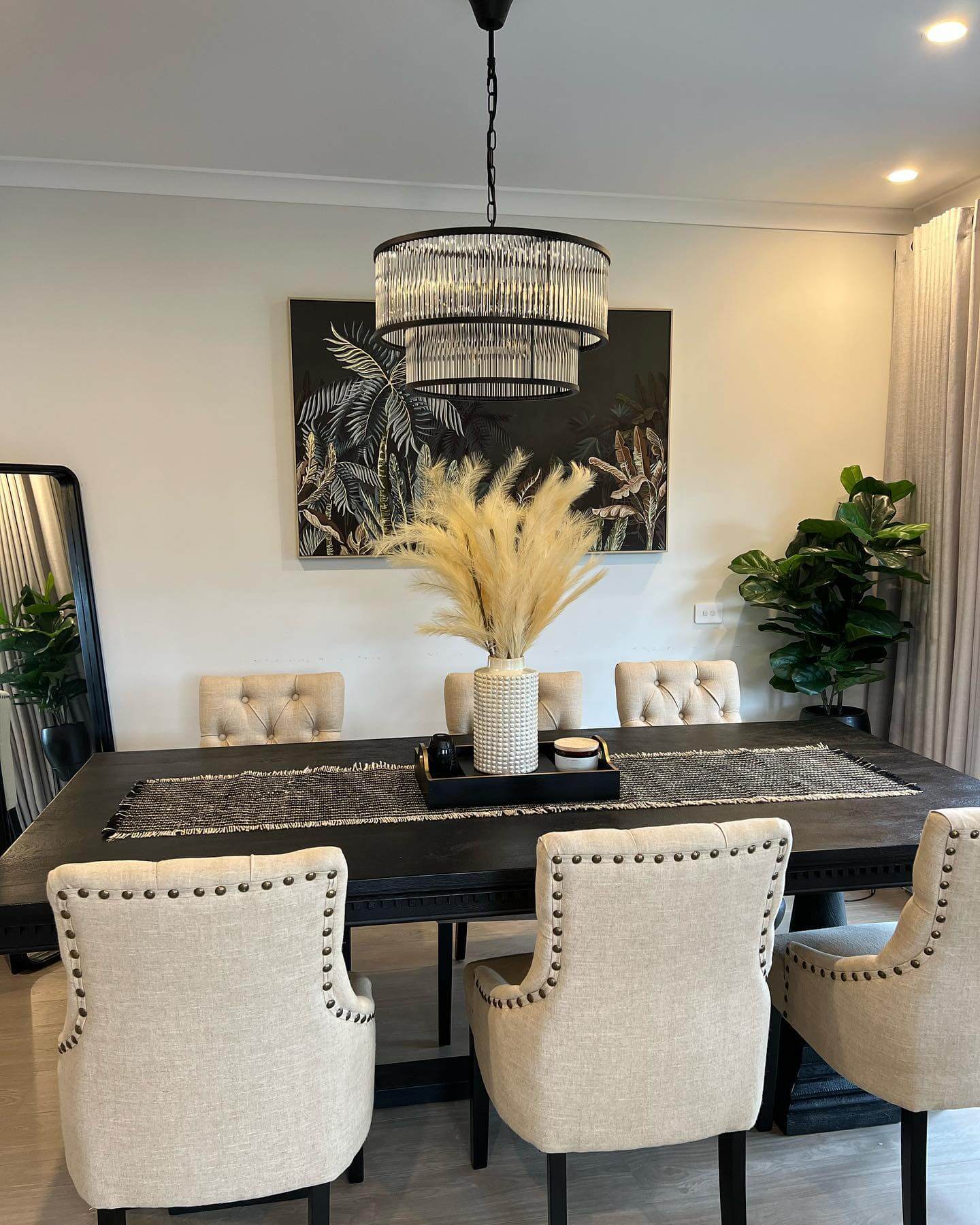
Curves are small-space gold. They soften tight corners, make circulation smoother, and introduce a calm, cohesive rhythm. Consider a slim, round-edge tabletop—bullnose, bevel, or eased corners—on airy legs to keep the floor visible. A petite live-edge slab or oval top brings organic movement without bulk; pair with leggy, armless chairs to maintain negative space. Stick to one or two wood tones across table, chairs, and shelving for visual harmony; lighter to mid-tone finishes reflect more light and feel less heavy in a compact dining room. If you like contrast, add it through texture (cane, ribbed ceramics, linen shades) instead of stark color blocks. Finish with a soft, curved bowl centerpiece and a rounded pendant to echo the shape language. This gentle geometry reads welcoming and helps a tiny dining area feel intentionally designed rather than simply “small.”
Create a Sunny Bistro Nook by the Window
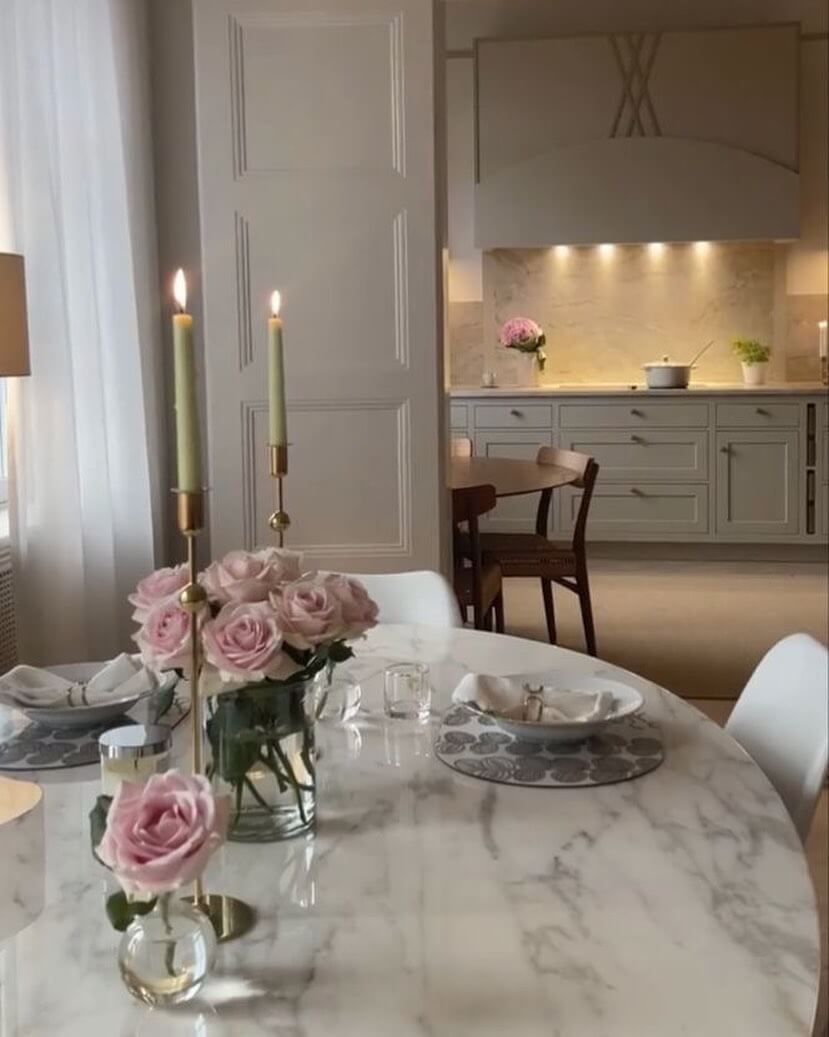
Harness natural light by tucking a petite bistro setup near a window. A 24–30 inch round table leaves more room for circulation, and two armless chairs keep the vignette nimble. Use a low-profile rug to define the zone without tripping up the walkway, and float the table slightly off the glass so curtains or shades still operate freely. Cafe curtains or solar shades provide privacy while preserving daylight—great for WFH moments at the table. Add a slim floor lamp or wall-mounted plug-in sconce to transition the nook from bright breakfasts to cozy dinners. Keep tabletop styling minimal and stash extras in a nearby rolling cart or under-bench baskets. By aligning dining with the brightest part of the room, you’ll make the entire space feel bigger, emphasize views, and naturally encourage everyday use of the nook.
Park a Rolling Bar Cart for Flexible Serving and Storage
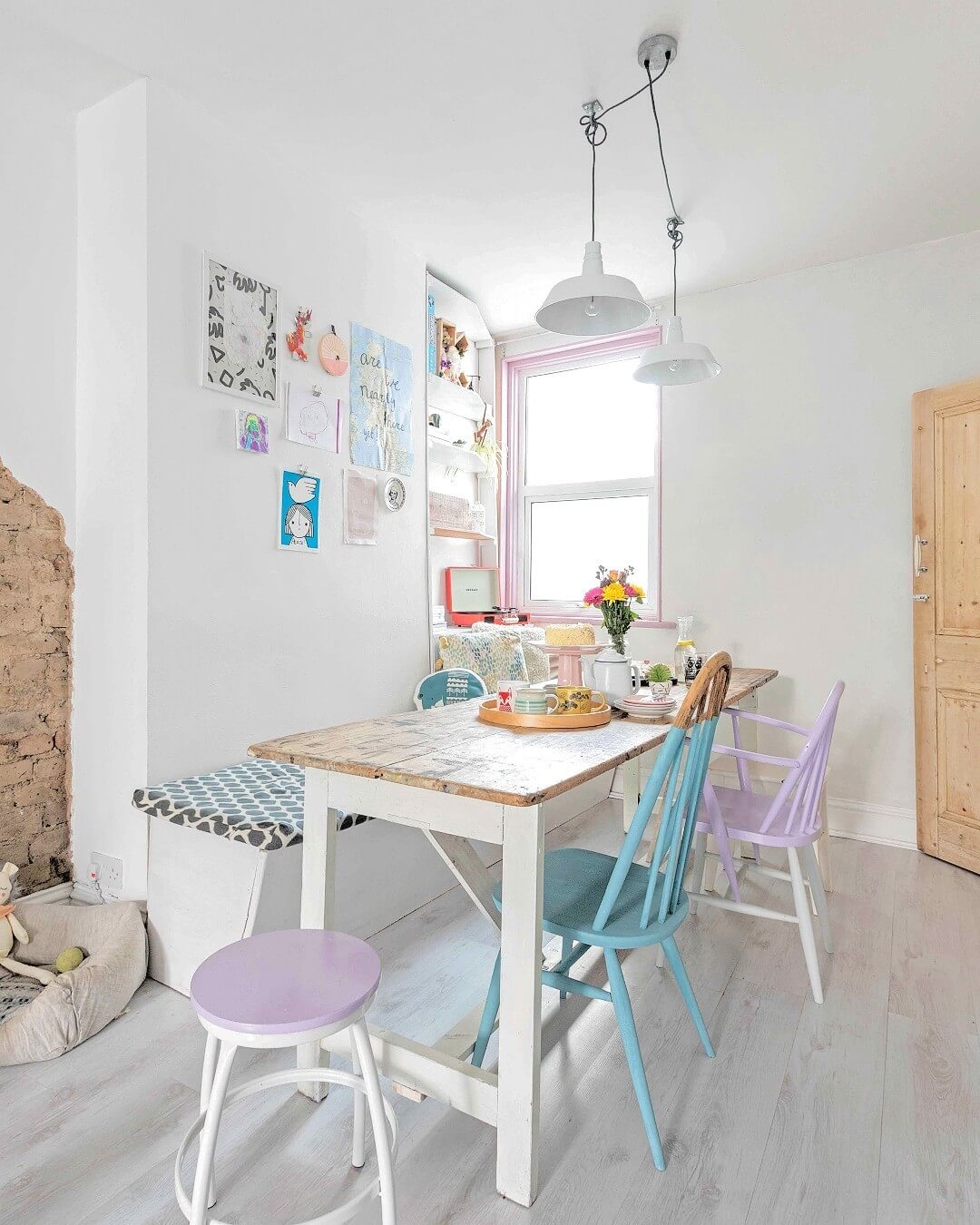
A bar cart is the small dining room’s secret weapon. Choose a slim, mobile cart (16–18 inches deep) with rails to keep items secure as you roll. Top tier: glasses, a water carafe, and a small tray with salt, pepper, and a candle. Lower tier: linens, extra plates, and a covered bin for flatware. During dinner, the cart becomes a satellite server—bread, wine, and sides stay close without crowding the tabletop. Post-meal, wheel it to a corner or closet to free floor space. Style to match your palette—wood and rattan for warmth, brass and glass for lightness, matte black for modern calm. Beyond entertaining, the cart can host a compact coffee station or act as overflow pantry storage. It adds capacity where a full cabinet won’t fit and supports the flexible, uncluttered flow that makes tiny dining areas feel effortlessly functional.
Save Square Footage with a Slimline Banquette
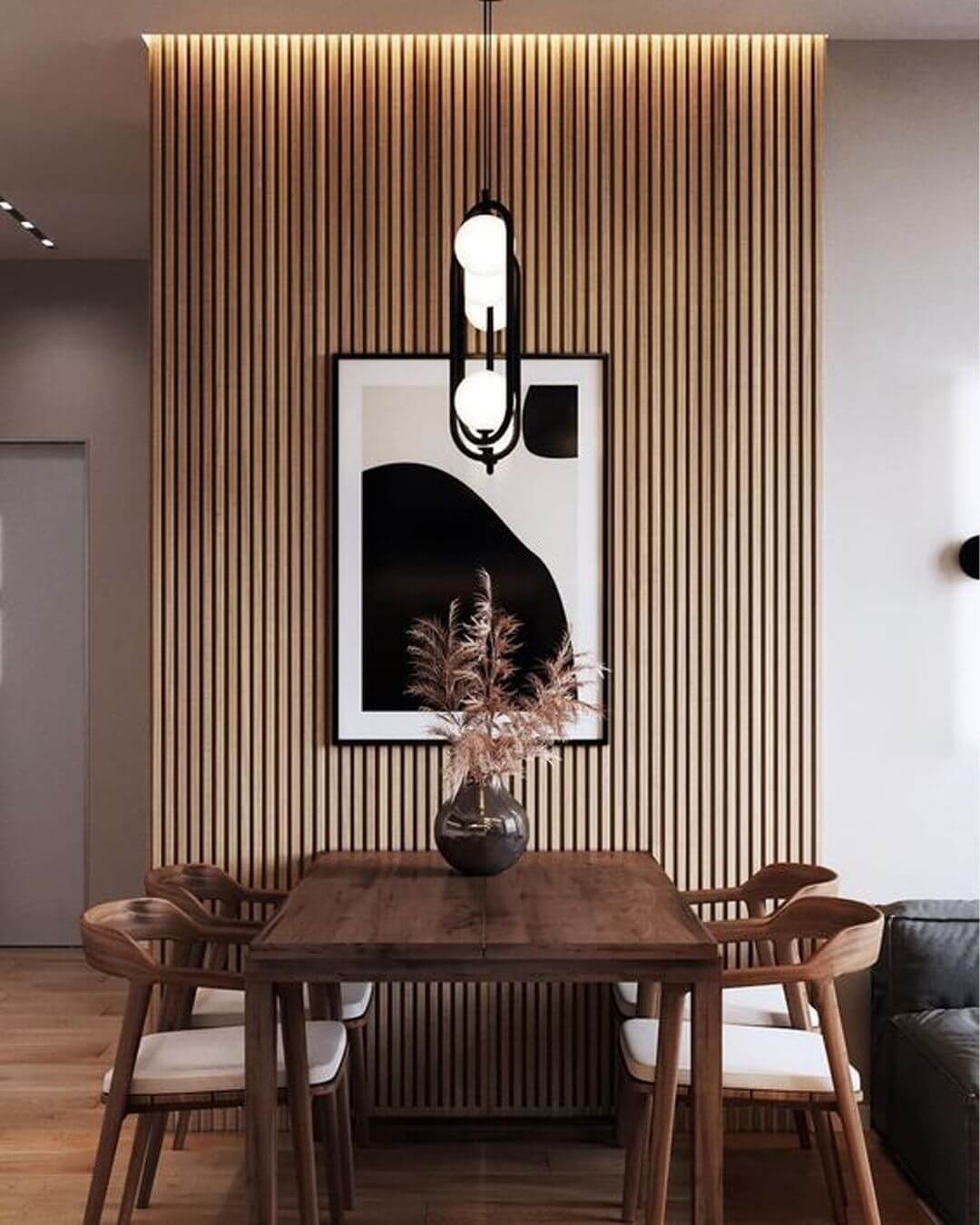
For a small dining room that needs every inch to work hard, a slimline banquette is a space-making hero. By pushing seating tight to a wall or corner, you reclaim precious circulation space and eliminate the chair pull-back zone on one side of the table. Opt for a shallow, straight or L-shaped bench (16–18 inches deep) with a high, cushioned back to add comfort without bulk. Built-in or freestanding, banquettes can hide storage under the seat for linens, board games, or small appliances—ideal for apartment dining nooks doing double duty. Pair the bench with an oval or round pedestal table so everyone can slide in easily, and keep the opposite side light with two armless chairs or a backless bench that tucks completely when not in use. Layer a wipeable performance fabric or leather on the cushions to keep the look crisp with everyday use. Finish with vertical elements—art, a sconce, or a narrow shelf—to draw the eye up and visually stretch the wall. The banquette’s clean line anchors the nook, while its built-in feel delivers a cozy, custom look that makes a tiny dining area feel intentional and generously sized.
Double the Room with a Strategically Placed Mirror
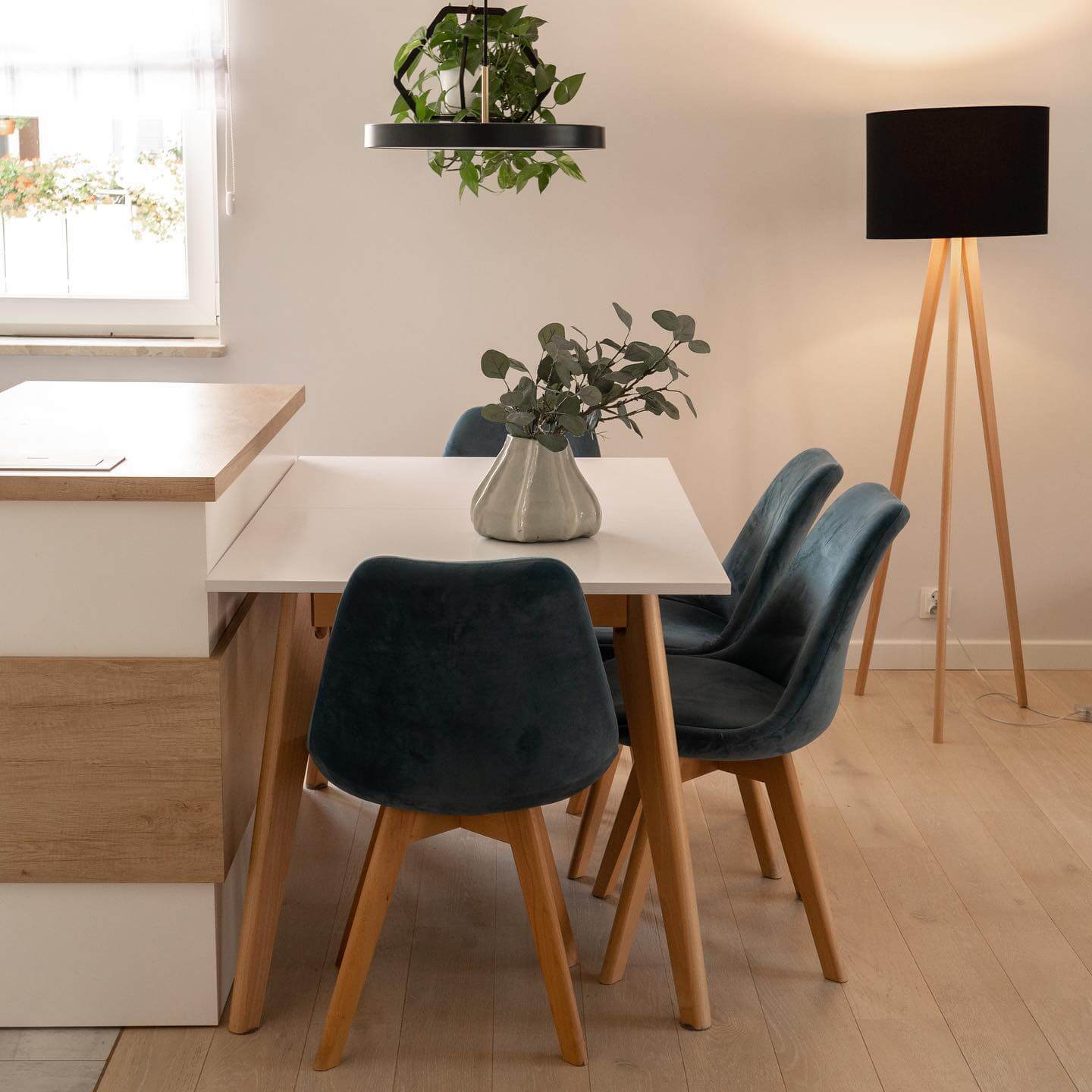
A well-positioned mirror can make a small dining room feel twice as bright and noticeably larger. Place a large mirror opposite a window or the brightest wall to bounce natural light across the table and into darker corners. If a single oversized mirror won’t fit, install two or three narrow panels to mimic a window wall—thin black, brass, or wood frames keep the look tailored. Hang the mirror so it sits a few inches above the table’s height to avoid head bumps and align with seated sightlines. Mirrors also amplify layered lighting: pendants, sconces, and candles appear multiplied, creating the soft glow that makes compact spaces feel inviting rather than cramped. Keep the reflected view intentional—greenery, a styled shelf, or simple drapery—so the mirror expands something worth seeing. For renters, lean a tall mirror on a console or picture ledge behind the dining setup for zero-drill impact. This optical trick works hard: brighter, taller, and visually deeper, your tiny dining area gains presence without adding a single square foot.
Ground the Nook with a Low-Pile, Right-Size Rug
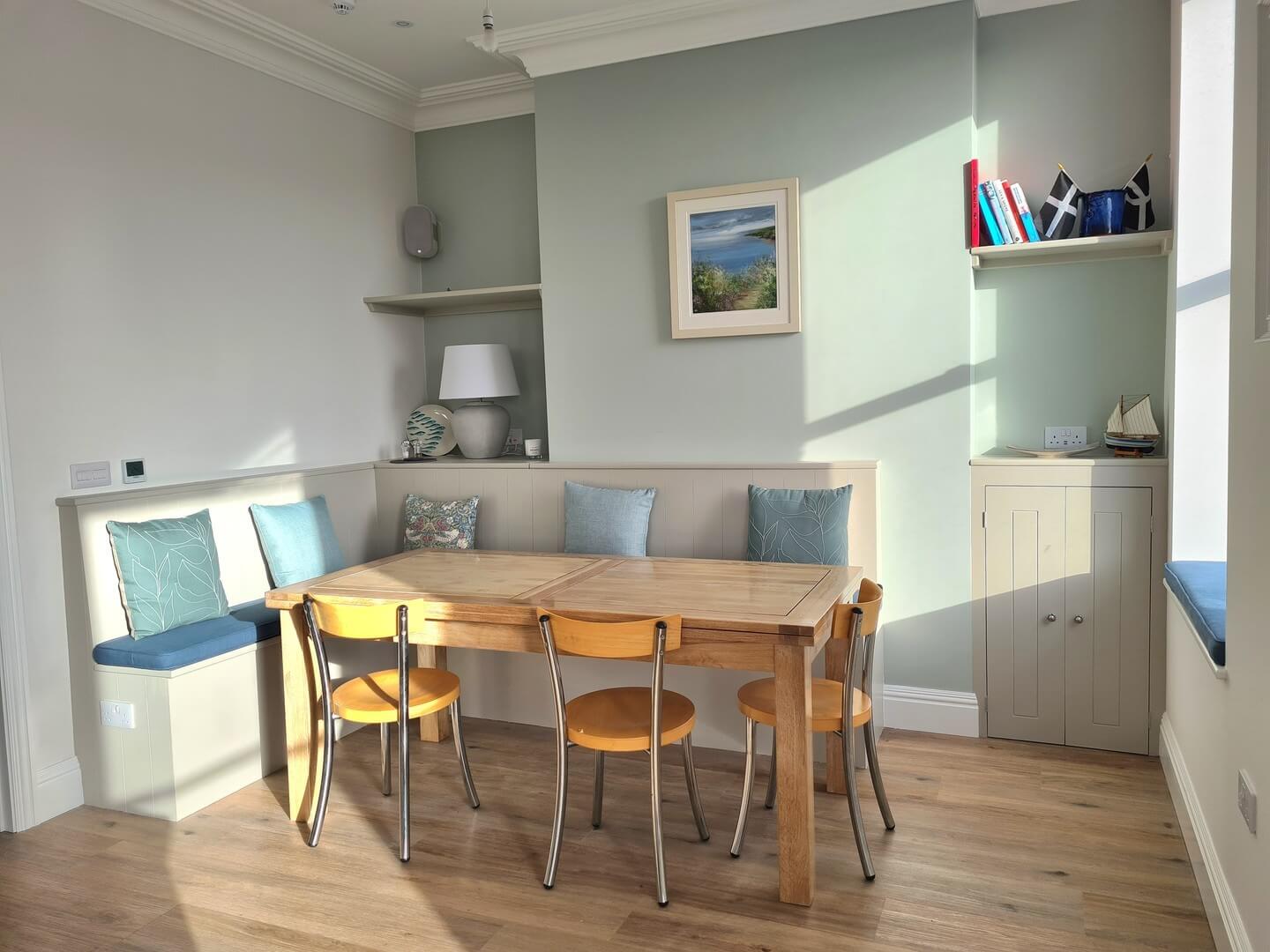
A properly scaled rug defines a small dining zone, improves acoustics, and instantly makes the area feel finished. Choose a low-pile flatweave or indoor–outdoor rug that resists crumbs and chair drag, and size it so chairs stay fully on the rug even when pulled out—aim for 20–24 inches of clearance beyond the tabletop on all sides. In tight rooms, let the rug run long in the direction you want to visually stretch; stripes or a directional weave can lengthen the footprint. Keep patterns low-contrast and colors calm to maintain airiness, then echo tones from nearby rooms for cohesion in open layouts. If your table is round, consider a round rug to soften corners and smooth traffic flow. Use a thin rug pad to prevent slipping and add a touch of cushion without bulk. The result is subtle but powerful: the rug anchors the furniture, reduces visual clutter, and carves out a dedicated dining spot within a compact living space—so the nook reads as intentional, not improvised.
Choose an Oval Pedestal Table to Smooth Traffic
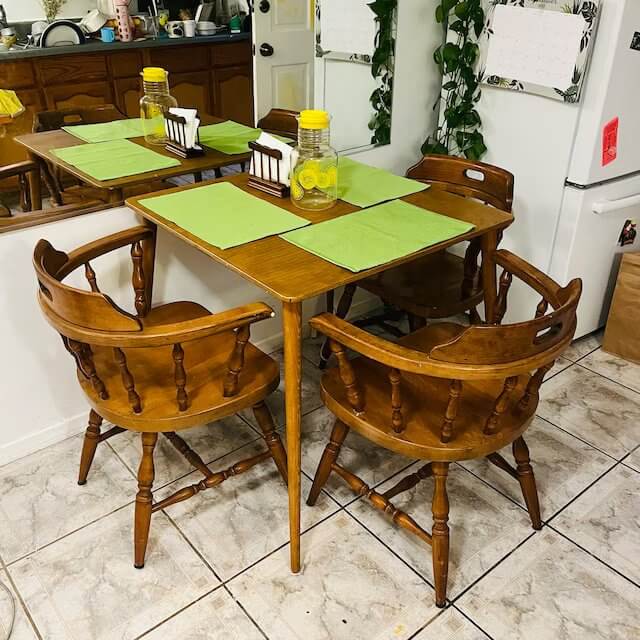
When square footage is scarce, the right table shape does heavy lifting. An oval pedestal table blends the intimacy of a round table with the seating capacity of a rectangle—without sharp corners that snag hips in tight passes. The single base frees up legroom, letting armless chairs and a bench slide in neatly while reducing visual heaviness under the tabletop. Look for a slender, tulip-style or modern wood pedestal to keep sightlines open; a matte wood finish adds warmth while resisting smudges better than high gloss. In multipurpose rooms, consider an extendable oval leaf for occasional guests, then return to a slim profile day to day. Keep scale in check: 36–42 inches wide is comfortable in compact rooms, and 60–72 inches long suits four to six seats. Pair with low-profile seating and a right-sized pendant centered over the table for balanced proportions. The payoff is better circulation, easier cleaning, and a softer silhouette that helps a small dining room feel calm, connected, and more spacious.
Small Dining Room Ideas: Lighting, Color Palettes, and Materials That Visually Expand Space
Layered lighting makes compact dining rooms feel intentional and inviting at every hour. Combine a dimmable overhead pendant with wall washing sconces to balance shadow and glare. Aim for warm-white bulbs around 2700K–3000K to flatter skin tones and food while maintaining cozy ambience. Mirrors opposite windows amplify daylight, and subtly reflective finishes bounce brightness without harsh hotspots. Low-contrast color palettes keep edges from visually chopping the room into pieces. Maintain tonal continuity across chairs, rug, and drapery so the space reads larger at a glance.
- Hang a pendant 30–34 inches above the tabletop; size it to roughly half the table width so light pools evenly without overwhelming sightlines in compact rooms.
- Layer plug-in sconces or picture lights to bounce illumination across walls, lifting vertical lines and reducing harsh shadows that often make small dining rooms feel cramped.
- Select matte walls with a subtle eggshell sheen, then use satin on trim and doors; mixed finishes reflect light softly while maintaining durability around busy dining pathways.
- Limit the palette to two or three hues with high light reflectance values, repeating tones across textiles and tableware so the eye reads one serene, continuous surface.
- Choose glass, acrylic, or stone with a honed finish for tabletops, pairing them with slim metal bases; transparent or low-profile materials reduce visual blockage and clutter.
- Install ceiling-height drapery in the wall color and mount rods wide, exposing maximum window glass; this extends vertical lines and boosts daylight without emphasizing window size.
Texture and proportion are your allies when color stays quiet. Mix nubby linens, woven cane, and smooth ceramics to add depth without visual heaviness. Keep patterns medium-scale and sparse so they energize the room without shrinking walls inward. Right-size the rug: a compact 6×9 often fits a four-chair setup, while round tables pair well with round rugs that echo their silhouette. Choose art with large, simple forms in thin frames to expand walls rather than clutter them. Style the tabletop minimally—think a slender runner and a single vase—so the surface remains generous for serving and everyday tasks.
Room-for-More: Quick Answers for Compact Dining Spaces
How big should my small dining rug be?
Choose a rug that extends at least 24 inches beyond the tabletop on all sides so chairs stay on the rug when pulled out. For round tables, select a round rug that mirrors the shape.
What table shape works best in a tight dining nook?
Round or oval tables ease circulation by eliminating sharp corners and fit awkward corners better. In narrow rooms, a slim rectangular table aligned with the longest wall maintains flow.
How do I make a windowless dining corner feel brighter?
Layer warm-white lighting with wall washers and add a mirror opposite the strongest light source. Use light, low-contrast colors and slightly reflective textures to bounce illumination around.
Can I fit storage without crowding the room?
Opt for wall-mounted shelves, shallow cabinets, or a built-in banquette with lift-up seats. These solutions keep floors clear, visually widen the space, and add hidden capacity for linens and serveware.
Final Verdict: Small Dining Rooms, Big Style
A small dining room can feel generous when you lead with proportion, flow, and light. Pair scale-savvy pieces—round or oval pedestal tables, armless open-frame chairs, and low-profile rugs—with smart add-ons like banquettes, drop-leaf or extendable designs, and wall-mounted ledges to reclaim precious floor area. Layer illumination with a right-size pendant, sconces, and candles; bounce brightness with mirrors and clear materials; and stretch sightlines with high-and-wide curtains. Slim storage—picture ledges, shallow shelves, a rolling bar cart—keeps essentials close without visual bulk, while warm wood tones and soft curves add comfort without clutter.
Mix and match these strategies to suit daily routines, from quick breakfasts and WFH breaks to easy, pull-up-an-extra-stool gatherings. Keep the palette calm, edit decor thoughtfully, and let every element earn its footprint. With a few layout tweaks and thoughtful styling, you’ll craft a compact dining nook that reads open, luminous, and tailored to your life.
