
Wabi-Sabi Office: Design a Calm, Imperfect Workspace That Boosts Focus and Joy

In a world of polished cubicles and glossy desks, a wabi-sabi office invites you to slow down, breathe, and work with intention. Rooted in Japanese aesthetics, wabi-sabi celebrates natural materials, gentle asymmetry, and the quiet beauty of imperfection—think weathered wood, textural linens, handmade ceramics, and a neutral palette that soothes rather than shouts.
This approach to workspace design isn’t minimalist for minimalism’s sake—it’s functional minimalism that prioritizes clarity, comfort, and meaning. By curating fewer, better tools, embracing patina, and layering organic textures, a wabi-sabi workspace reduces visual noise and supports deep focus, creativity, and wellbeing.
Whether you’re refreshing a home office or reimagining a studio, the wabi-sabi mindset helps you create a grounded environment that evolves with you. Expect soft light, intentional clutter-free surfaces, biophilic touches, and objects with story and soul—an office that feels as good as it looks.
Wabi Sabi Office Design Principles for Minimalist, Biophilic Workplaces
A Wabi Sabi Office embraces natural materials, restrained palettes, and tactile warmth to create environments that feel calm yet deeply human. Instead of chasing glossy perfection, it welcomes patina, irregular grain, and timeworn finishes. Daylight, views of nature, and quiet color harmonies reduce sensory overload and support sustained focus. The approach encourages mindful purchasing, favoring durable, repairable pieces over disposable décor. Subtle asymmetry and negative space ensure breathing room for both people and ideas. The result is a grounded workplace that balances serenity with character, supporting productivity without sterility.
- Natural Materials: Choose oak, ash, rattan, linen, clay, and stone; their tactile variance softens acoustics, tempers glare, and introduces biophilic cues that regulate stress and attention throughout the workday.
- Neutral Palette: Use warm whites, mushroom, clay, and charcoal accents; these hues reduce contrast fatigue, make natural textures legible, and allow evolving patina to read as intentional design.
- Layered Texture: Combine limewash walls, wool rugs, raw-edge timber, and matte ceramics; the layers absorb sound, add visual depth, and keep a quiet space from feeling flat or institutional.
- Asymmetry and Negative Space: Offset a focal cabinet, float shelving unevenly, and leave purposeful gaps; asymmetry guides sightlines, while negative space clarifies circulation and supports restorative micro-breaks.
- Aging Gracefully: Favor oil finishes, solid wood, and modular parts; scratches can be buffed, components replaced, and surfaces reconditioned, allowing beauty to deepen rather than degrade with use.
Translate principles into plans by zoning quiet focus areas away from circulation paths and lively collaboration corners near daylight. Position storage low and horizontal so wall planes remain visually calm and expansive. Select matte finishes to minimize glare on screens and tables, supporting comfortable, longer work sessions. Integrate greenery with low-maintenance species in breathable planters that match the material palette. Use dimmable, warm LED task lighting to complement daylight and preserve evening wind-down cues. Document care routines—oil schedules, rug rotation, and plant watering—to keep the space evolving gracefully, not deteriorating.
Edit Ruthlessly to Reveal Calm
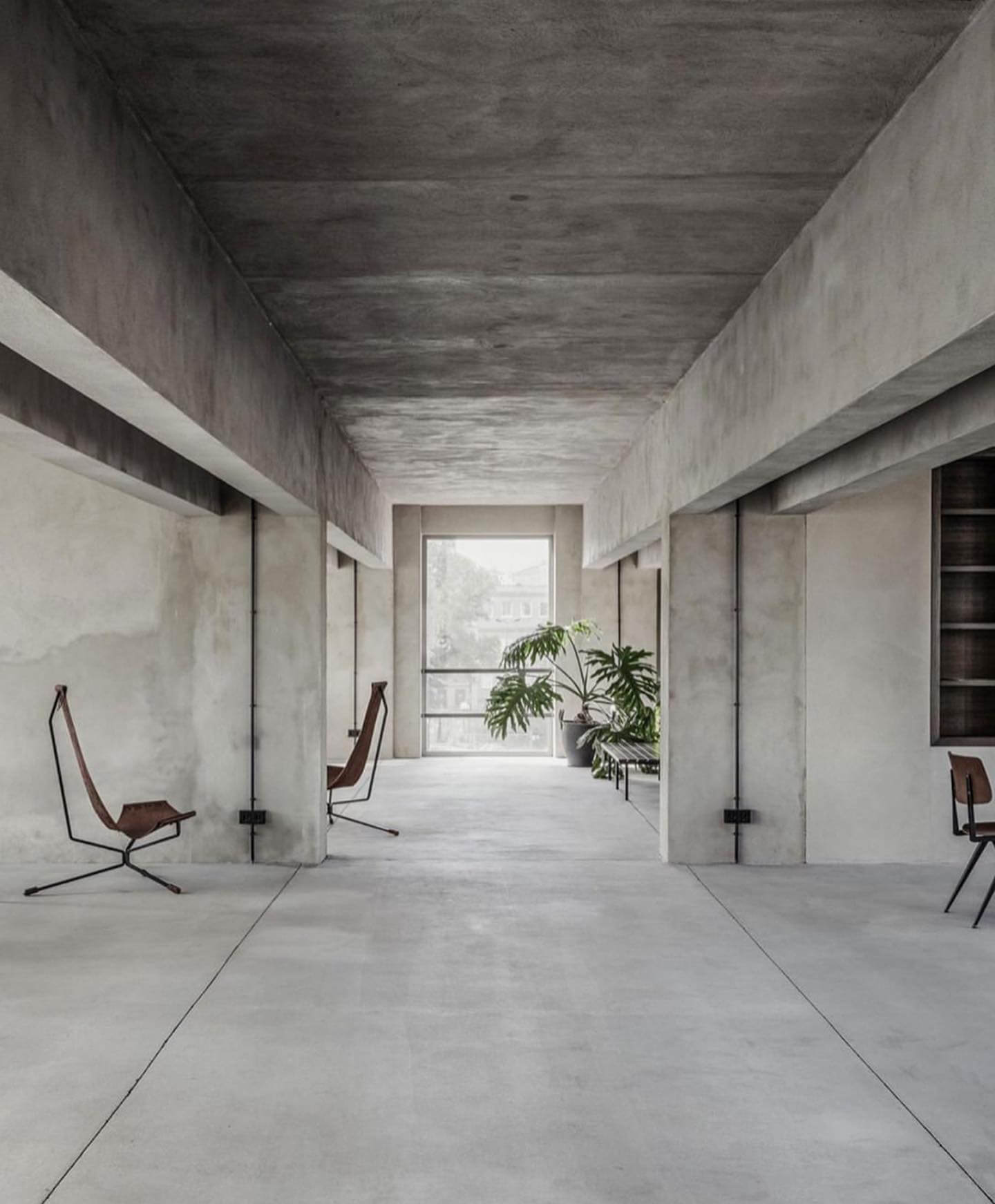
Begin your wabi-sabi office by subtracting. Clear the desktop, empty drawers, and return only the tools that earn their place through daily use or deep meaning. Negative space is not wasted—it’s visual breathing room that lets your mind focus. Keep one purposeful stack or tray to corral in-progress work, and archive the rest out of sight. Resist perfectionism; gentle asymmetry and a few lived-in marks remind you this is a working studio, not a showroom. The result is functional minimalism: fewer distractions, smoother workflows, and a space that supports slow, intentional productivity. Think of editing as a weekly ritual—five minutes to reset surfaces, recycle paper, and rotate one inspiring object. Over time, this restraint becomes its own creative constraint, making every remaining item feel more valuable and every task clearer. In a wabi-sabi workspace, clarity is the ultimate luxury.
Choose Honest Materials That Age Well
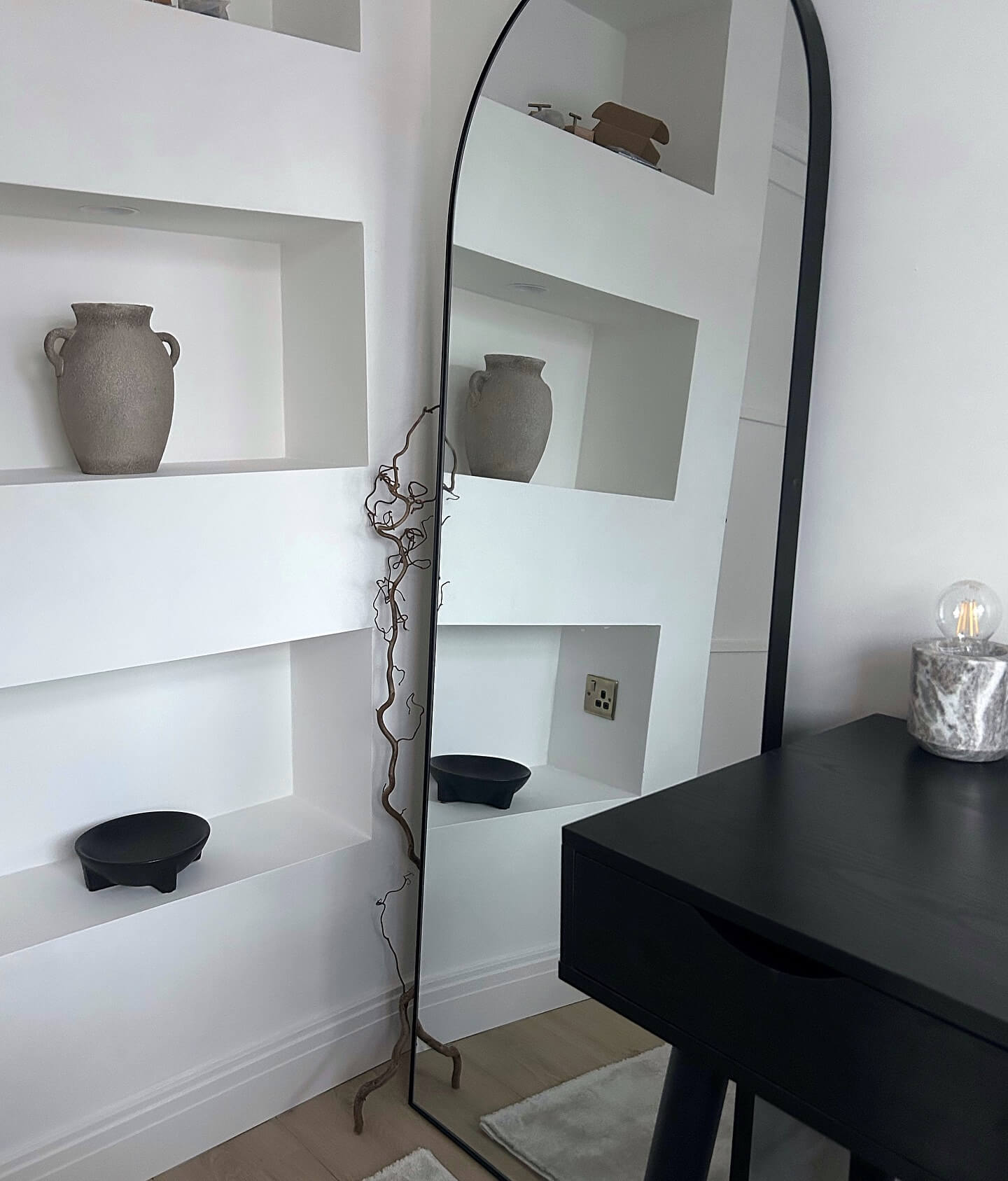
Once you’ve made space, layer in materials that welcome patina. Solid wood, cork, wool, linen, clay, and stone bring the grounded tactility a wabi-sabi office needs. These surfaces scuff and soften beautifully, telling the story of your work rather than hiding it behind gloss. A timber desk paired with a linen runner, a cork pinboard, and a ceramic pen cup creates a quiet, cohesive palette without shouting for attention. Prioritize repairable pieces—oiled woods over veneers, solid hardware over plastic—and maintain them with simple care: oil, brush, mend. The goal isn’t rustic; it’s honest. When your environment is built from real, renewable materials, your focus naturally shifts from appearances to process. That integrity supports sustainable choices and a calmer daily rhythm.
Soften the Light for Focus and Ease

Light shapes mood and attention. Trade harsh overheads for layered, diffused lighting that flatters wood grain and eases eye strain. Sheer curtains, paper shades, or shoji-style panels spread daylight softly across your desk, while a warm, low-glare task lamp anchors late sessions. Aim for a temperature around 2700–3000K for evening work to keep the ambience cozy and circadian-friendly. Position your workstation perpendicular to windows to reduce screen glare and invite peripheral views of sky or leaves—a microdose of biophilia that steadies your nervous system. In a wabi-sabi office, shadows are as important as highlights; let pockets of dimness exist. They create intimacy, emphasize texture, and remind you to pause. As daylight shifts through the seasons, embrace the change—it’s part of the room’s living character.
Set a Quiet Color Story with Earth Neutrals
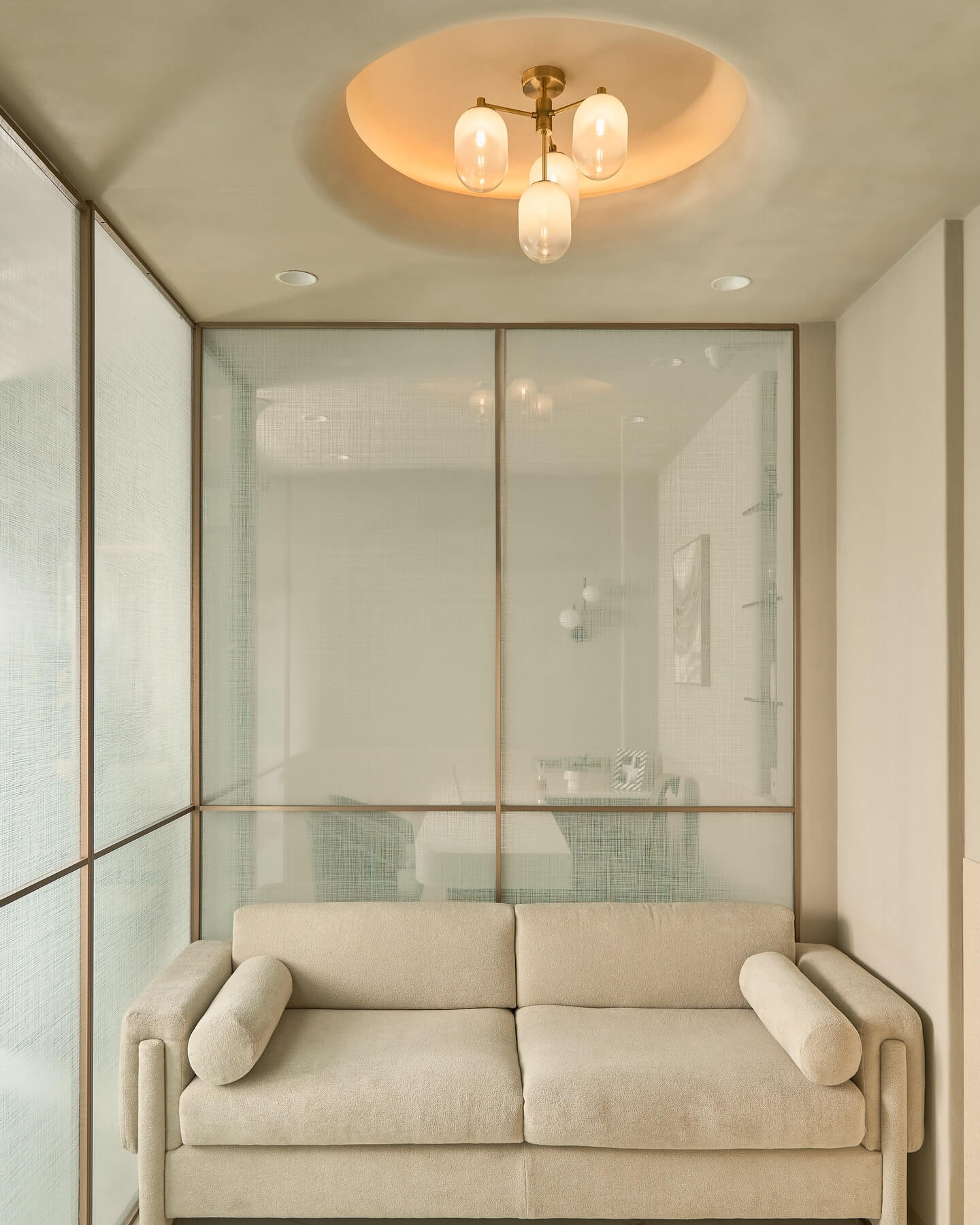
Color in a wabi-sabi workspace is a whisper, not a shout. Build a palette from layered neutrals—warm whites, mushroom, stone, clay, and soft charcoal—so natural materials can speak. Keep contrasts gentle: a pale wall against mid-toned oak, graphite accessories on unbleached linen. If you crave color, introduce it through muted, botanical hues—sage, rust, indigo—washed out rather than saturated. This restraint creates visual coherence and reduces decision fatigue, helping your brain glide from task to task. Let patina be your accent—a darkened brass knob, a sun-faded spine, a repaired seam. The overall effect is calm, timeless, and forgiving, allowing your office to evolve without frequent repainting or trend-chasing.
Add Tactile Layers for Comfort Without Clutter
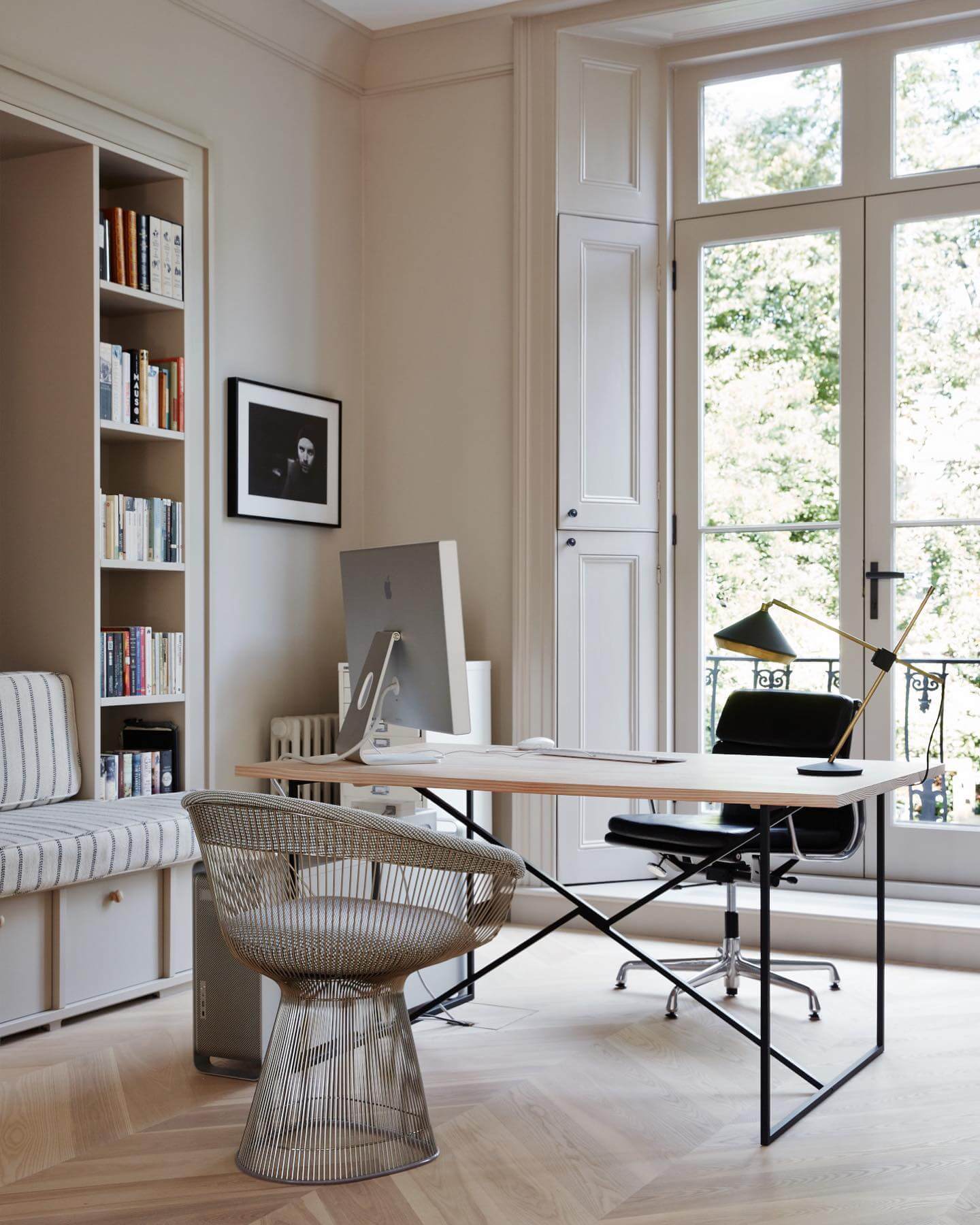
With a calm palette set, bring the room to life through texture. A linen curtain, a wool throw on the chair, a woven jute rug underfoot—these layers soften acoustics and add warmth without visual noise. Keep surfaces matte to cut glare. Use a paper notebook with toothy pages for analog bursts of thinking, and pair it with a smooth fountain pen or a favorite pencil; the haptics slow you down just enough to think better. Limit textiles to a few hardworking pieces you can shake out, mend, or wash easily. Texture shouldn’t mean maintenance anxiety. This is where wabi-sabi shines: those slight wrinkles, frayed edges, and sun-kissed fibers read as human, not messy. Your workspace becomes sensorially rich while staying uncluttered.
Ground Your Desk Setup with Intentional Ergonomics
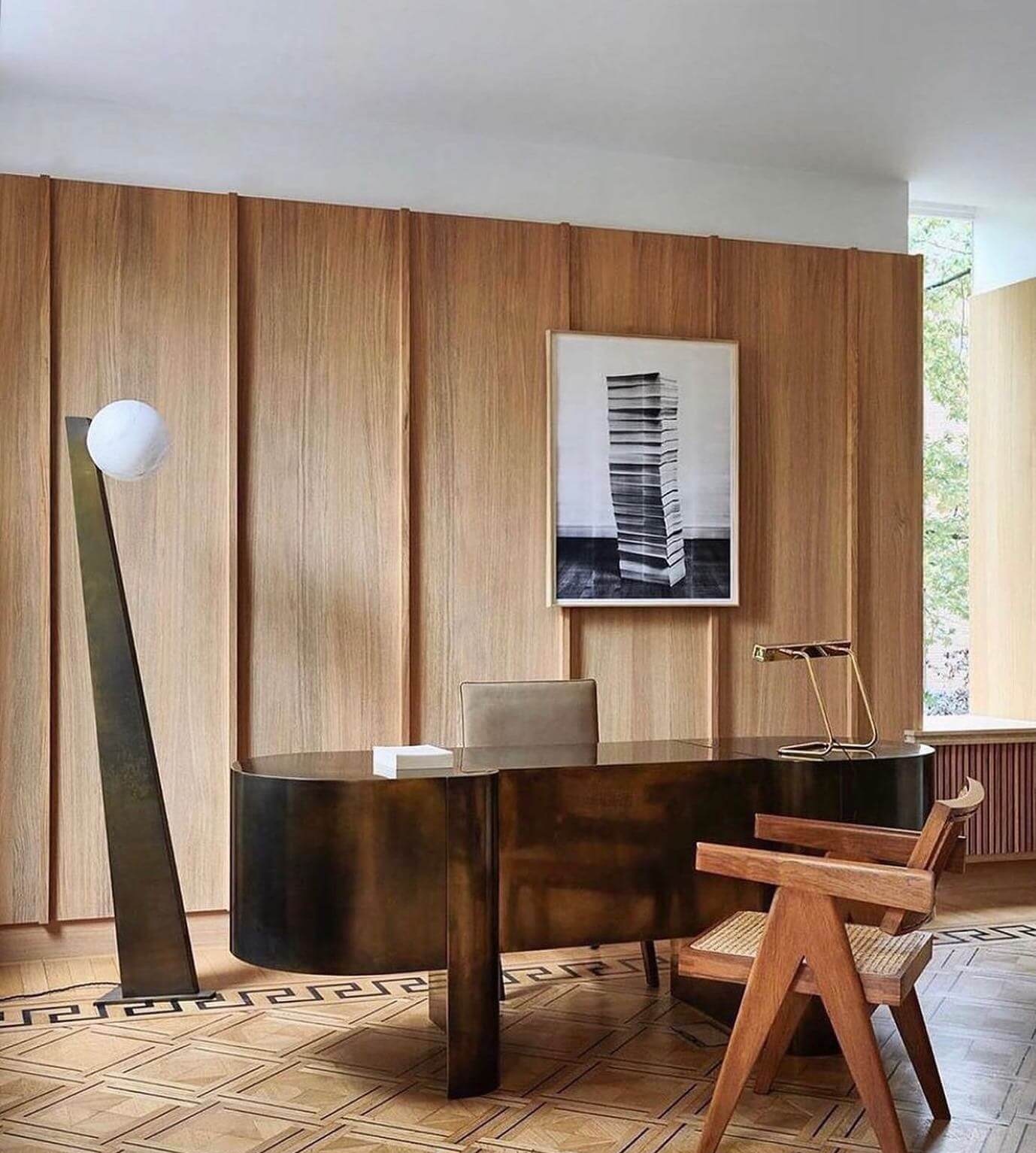
Ergonomics can be soulful. Choose a chair that supports a neutral spine and a desk height that keeps shoulders relaxed. Raise your screen to eye level with a wood stand or stacked books—functional, beautiful, and adjustable. Keep a shallow tray for the day’s tools: one notebook, one pen, one task timer, a small dish for clips. Everything else earns a drawer. Cable-manage with cloth ties or a wooden channel; visual tangles create mental tangles. Introduce an analog timer or sand hourglass to cue focused sprints without pinging notifications—wabi-sabi productivity favors rhythm over hustle. When your body feels supported and your tools are pared back, deep work happens more often and with less friction.
Create Quiet Storage That Protects Visual Focus
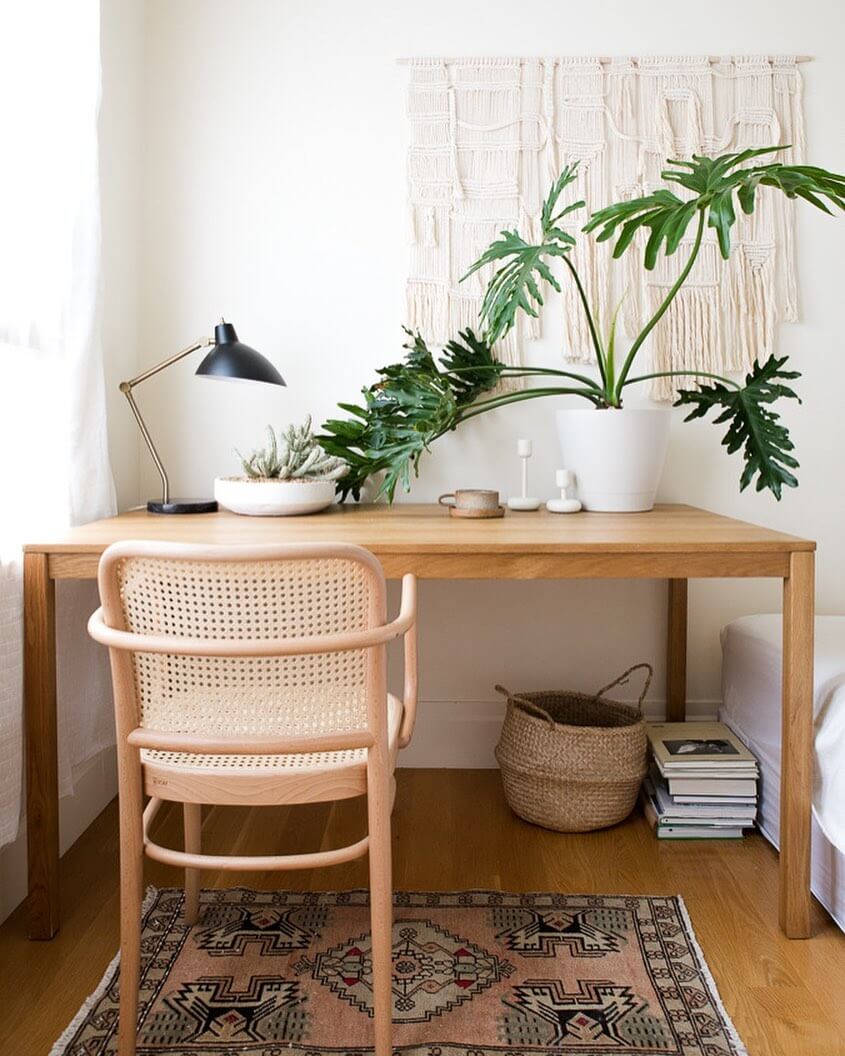
Storage is where serenity is won. Combine closed cabinets or linen-covered boxes for archival items with open trays for active projects. Baskets, wooden drawers, and paperboard files absorb visual noise and harmonize with natural materials. Label minimally and consistently so retrieval is effortless. Keep the top third of shelves intentionally empty; that negative space makes the room feel larger and your mind lighter. Designate a landing zone for mail and tech so clutter doesn’t migrate to the desk. A weekly sweep—file, recycle, reset—prevents backlog. In a wabi-sabi office, organization isn’t about rigid systems; it’s about gentle boundaries that let work flow while keeping the room visually quiet and supportive.
Weave in Biophilic Moments, Not a Jungle
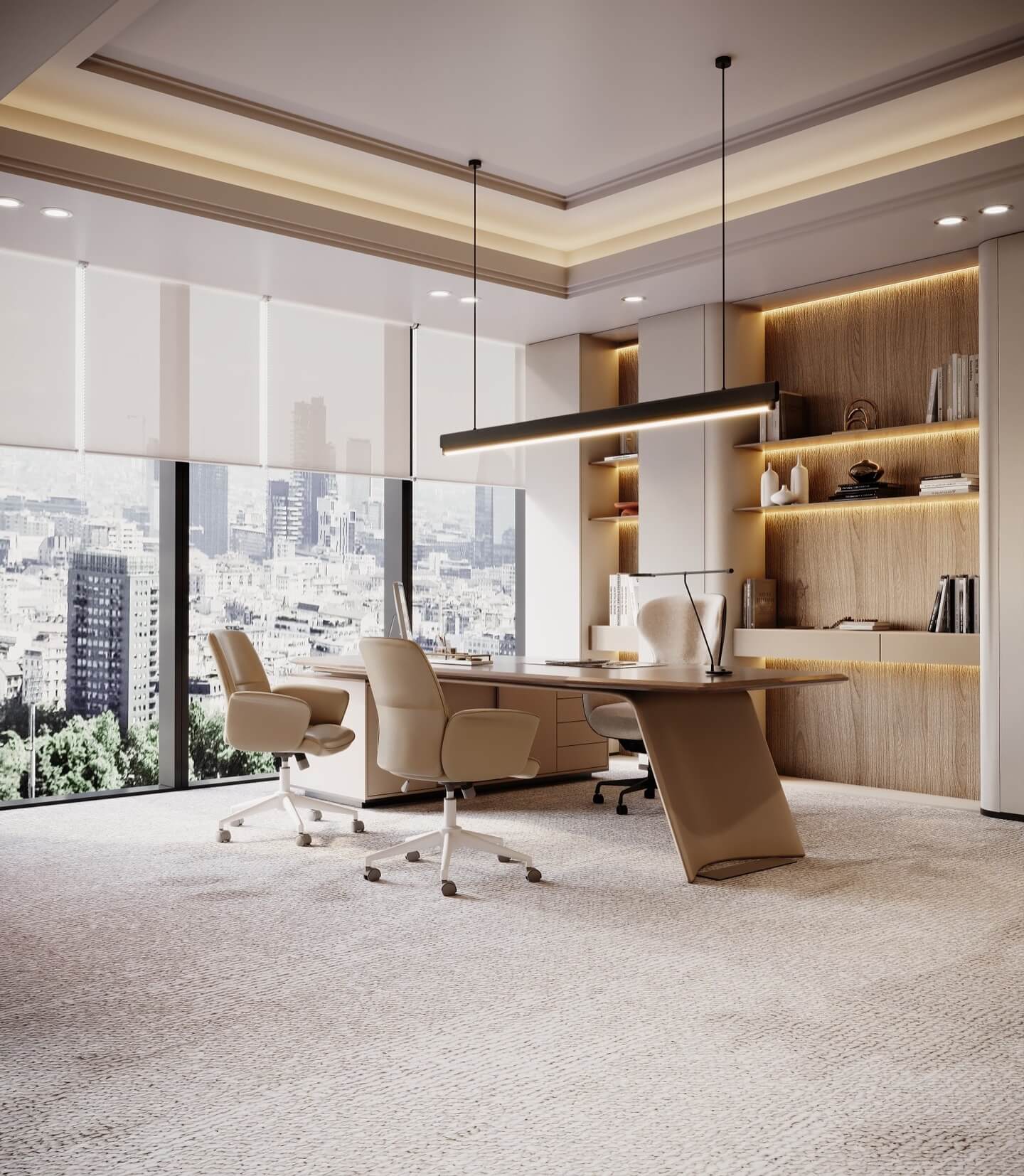
Plants in a wabi-sabi workspace are about presence, not abundance. One sculptural branch in a clay vase, a small moss bowl, or a hardy fern can shift the room’s entire energy. Choose species that thrive in your light and routine, then let them grow imperfectly—leaning toward sun, unfurling slowly. Rotate seasonal cuttings to mark time: spring blossoms, summer grasses, autumn leaves, winter evergreens. Place greenery within peripheral view rather than on the primary work surface to keep focus on tasks. These subtle biophilic cues regulate stress, soften edges, and tie your office to the cycles outside your window—everything a calm, imperfect workspace is meant to do.
Curate Imperfect Artifacts with Story
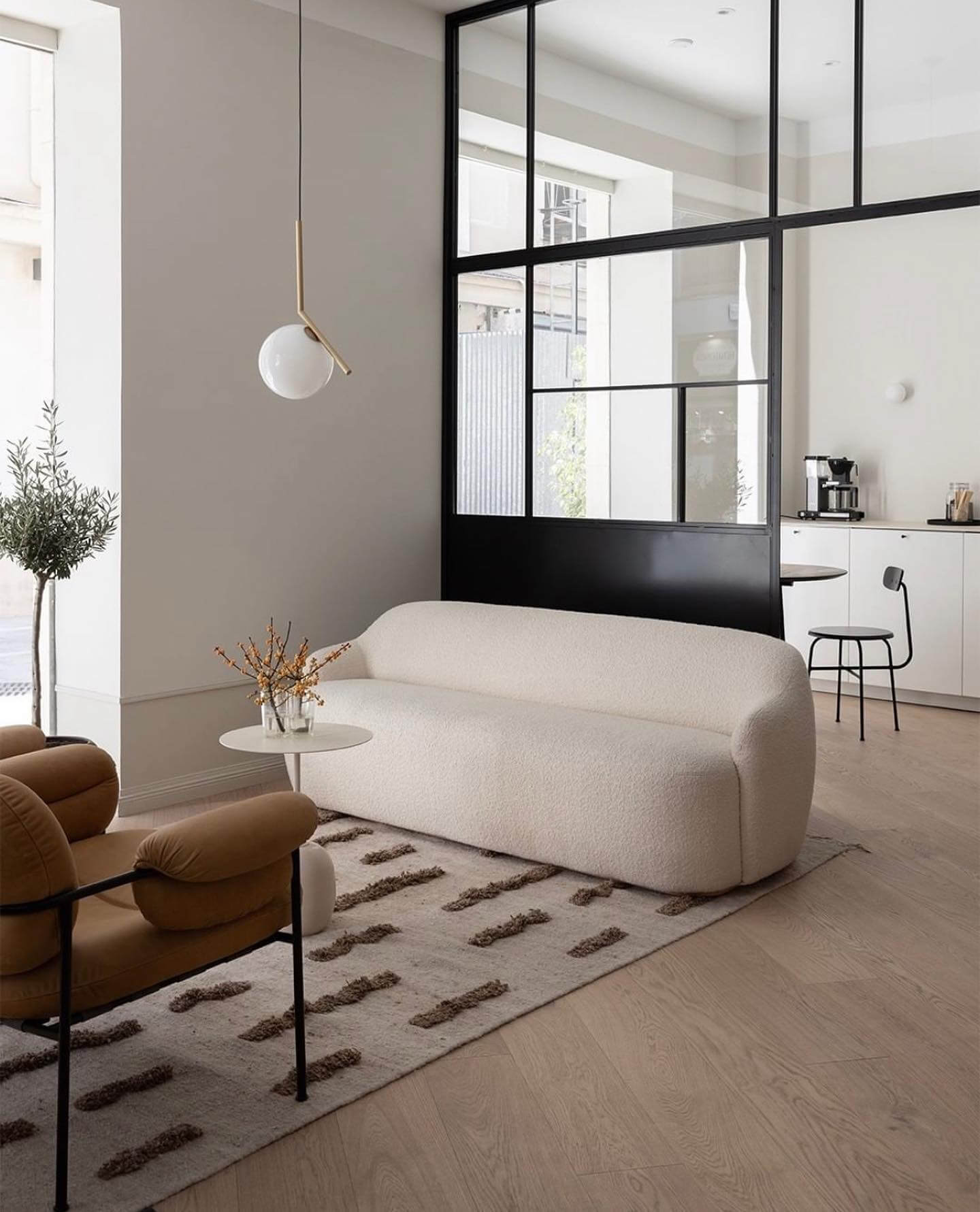
Art and objects in a wabi-sabi office should feel lived-with, not staged. A hand-thrown mug, a mended kintsugi bowl, a timeworn paperweight—choose pieces with texture, weight, and history. Hang one understated artwork with generous negative space around it, or lean a framed print on a shelf for casual intimacy. Rotate small objects quarterly to keep the room fresh without buying new. Let utility lead: a ceramic tray that corrals keys, a vintage lamp that casts a gentle pool of light. When objects carry meaning and do their job well, they become quiet anchors that humanize your workspace and remind you why you’re here.
Keep Gentle Rituals: Clean, Repair, and Rotate
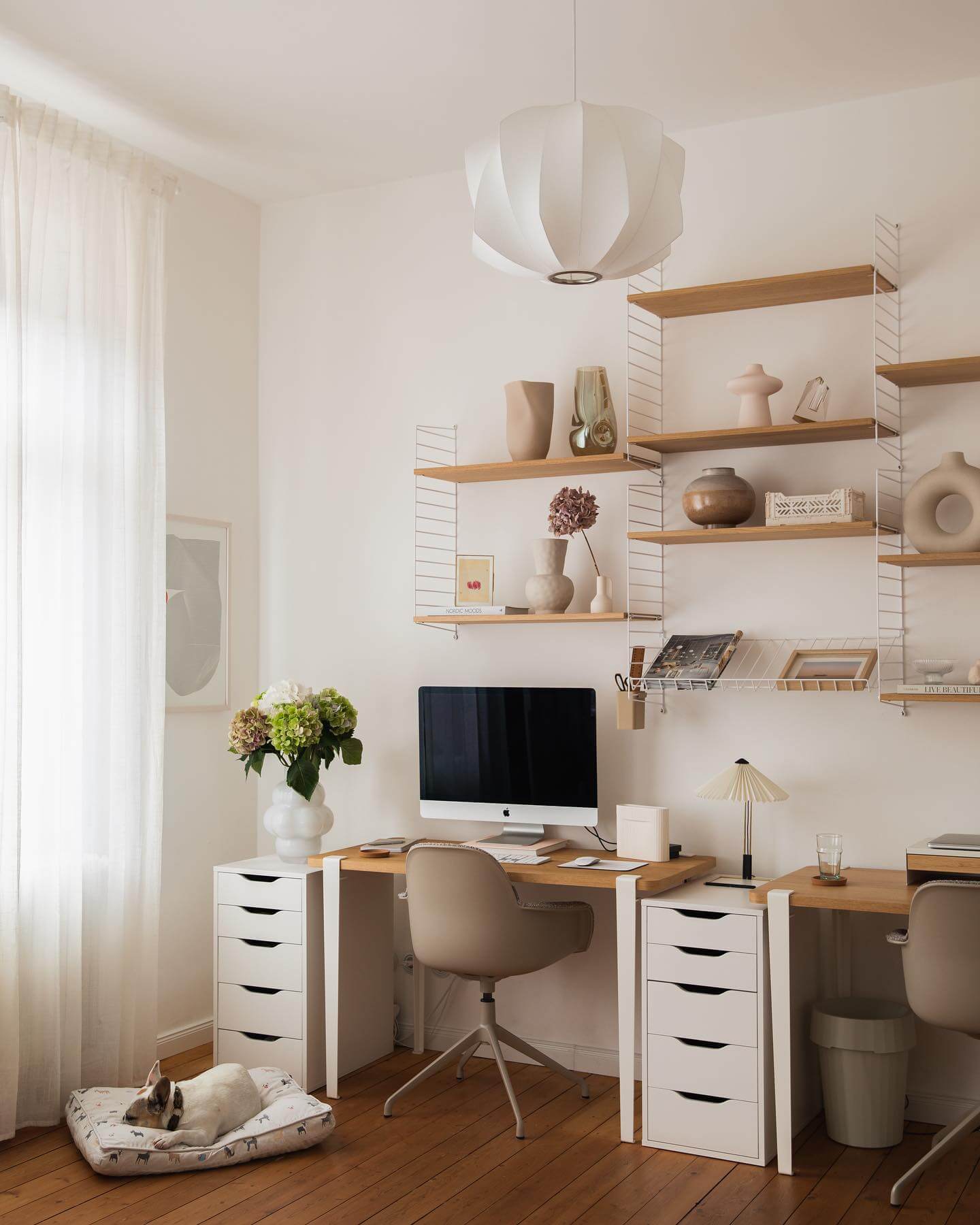
Sustain the wabi-sabi office through simple care. Begin Mondays by wiping the desk with a natural oil soap, watering plants, and setting three priorities on paper. End Fridays by clearing surfaces, returning tools to their homes, and noting one win in your notebook. Mend what breaks, oil what dries, and let wear accumulate gracefully. Rotate a branch, a book, or a textile to signal new seasons and projects. These rituals are not chores—they’re the heartbeat of slow productivity. By tending your environment, you tend your attention. Over time, the room becomes a partner in your work: calm, imperfect, and quietly alive.
Let Negative Space and Asymmetry Lead
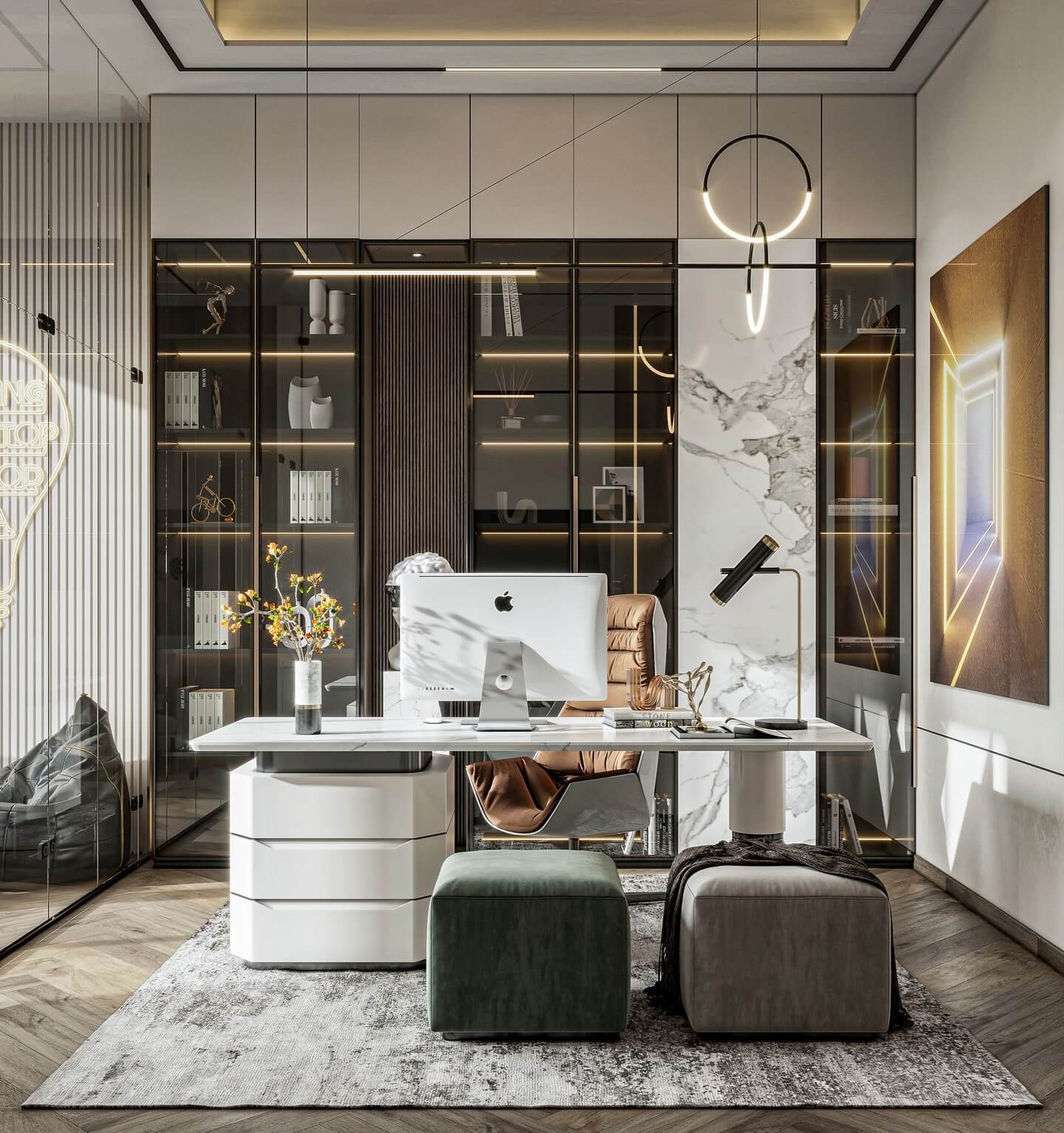
In a wabi-sabi office, what you remove is as important as what you keep. Let negative space do the heavy lifting: leave stretches of empty wall, open shelf gaps, and clear desk edges so the eye can rest. Embrace gentle asymmetry by placing your desk slightly off-center, staggering shelves, and grouping objects in odd numbers. This quiet imbalance feels human and alive—inviting focus without fuss. Think of “ma,” the Japanese concept of meaningful space between things; it’s the pause that amplifies presence. Practically, aim for a 60/40 ratio of clear to used surfaces, and allow one intentional focal point to emerge rather than competing displays. On the desktop, offset your task lamp opposite your dominant hand, shift your pen cup slightly forward, and keep a shallow tray to catch essentials—then stop. The result is a calm visual rhythm that supports deep work. Over time, let the layout evolve; nudge a chair, slide a plant, retire excess. When the room can breathe, you can, too—and the quiet beauty of imperfection becomes your daily backdrop for clarity, creativity, and ease in your wabi-sabi workspace.
Quiet the Room with Natural Acoustics
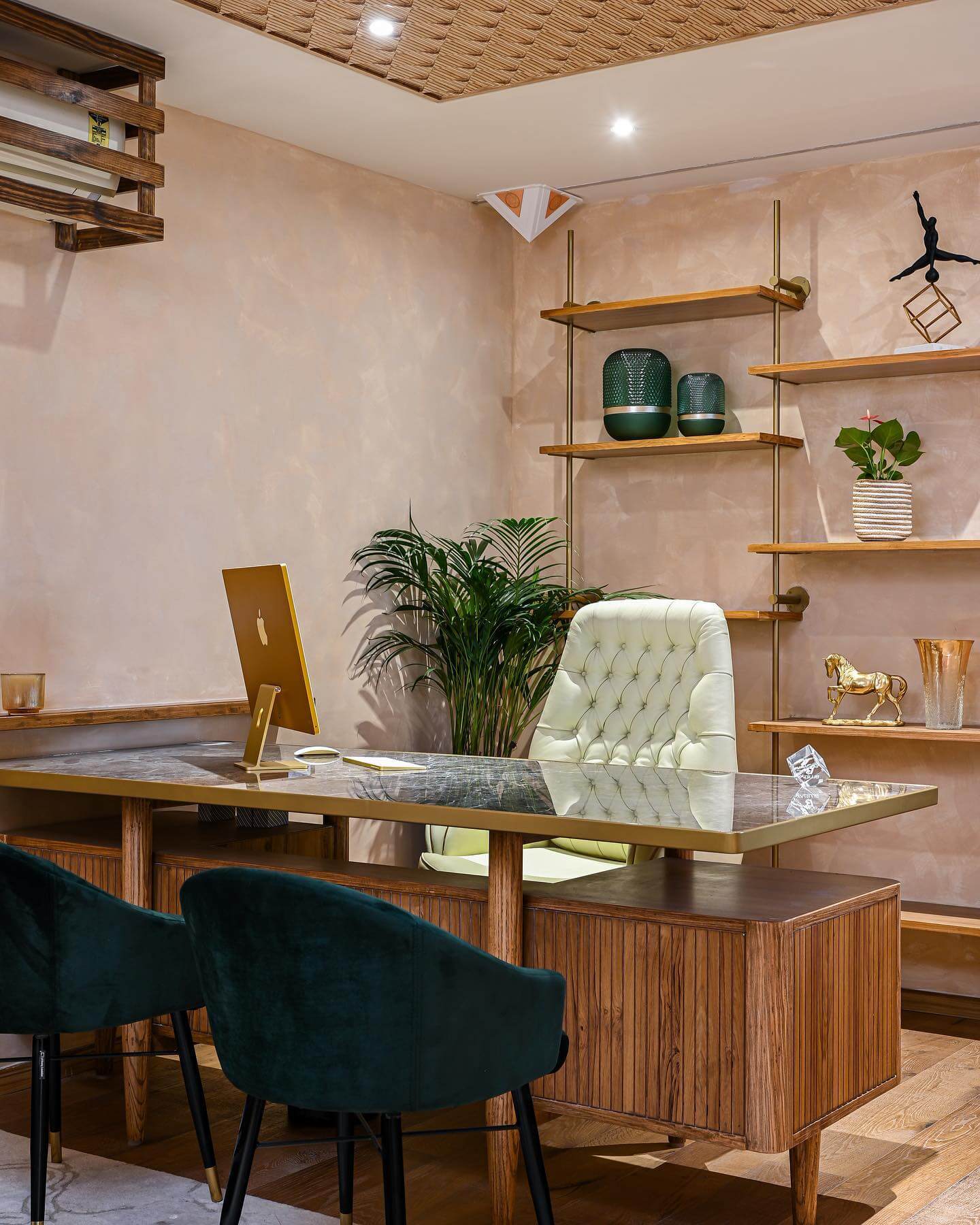
Acoustic calm is focus fuel. Instead of foam tiles or plastic panels, soften your wabi-sabi office with natural sound absorbers that also add texture and warmth. Layer a wool or jute rug under the desk, hang unlined linen curtains, and pin a cork or felt board near hard corners where echoes bounce. Books on open shelves, a raw wood desk with real mass, and a plaster or limewash wall introduce subtle diffusion that tames harsh reflections. If your space is small, think vertically: a felt runner across the desktop edge, a canvas wall scroll, or a cork strip behind your monitor. Seal the threshold with a simple door sweep and use rubber feet on metal furniture to prevent ringing. For sound masking, choose low-volume, nature-forward audio—rain, wind through pines, distant birds—rather than aggressive white noise. Keep speakers small and tactile; an analog timer and soft bell cue can mark work cycles without jolting nerves. The goal isn’t silence; it’s a gentle hush where keystrokes, paper, and breath form a soft soundscape that steadies attention and invites sustained, restorative concentration.
Practice Digital Minimalism for a Calmer Desk
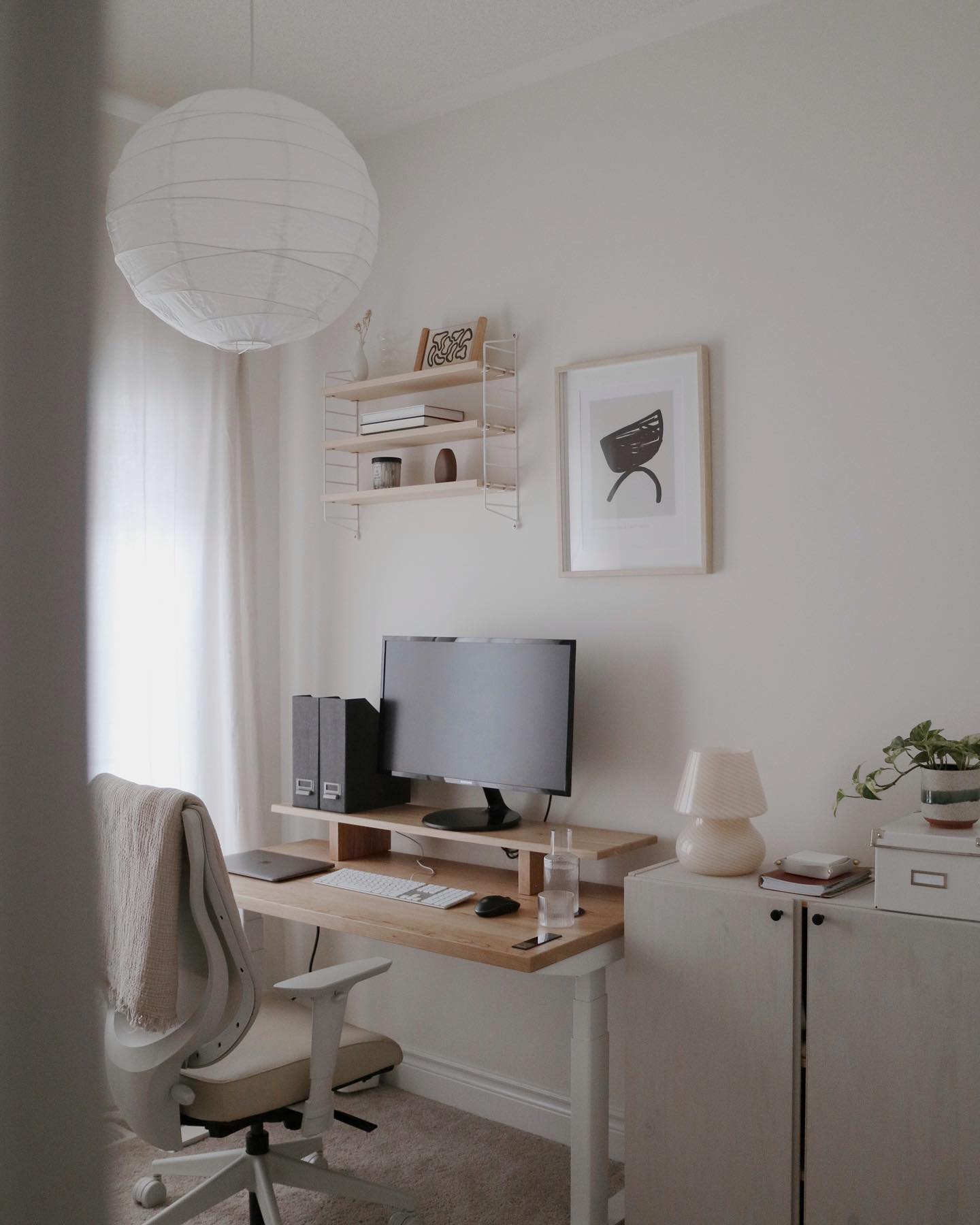
A wabi-sabi office honors frictionless tools—and that includes your tech. Strip your digital surfaces to essentials: a neutral wallpaper, a single row of dock icons, and folders named in plain language. Set Do Not Disturb windows for deep work, batch notifications, and use a simple analog cue (hourglass or timer) to anchor focus sprints. Warm your screens with Night Shift or f.lux, reduce contrast glare with a matte protector, and keep one primary display to avoid constant context switching. Create a quiet charging zone away from the eyesight line; one braided cable, one power brick, one tray. Practice “zero-inbox Fridays” and keep a clean downloads folder that auto-archives weekly. On the desk, pair lean tech with tactile companions: a linen mouse mat, a clay pen rest, a recycled-paper notepad. Your device count, cord sprawl, and app clutter all translate into visual and cognitive noise. By editing ruthlessly and choosing slower, better defaults, you’ll feel your attention unspool—less split-screen, more single-task presence—so the imperfect beauty of your space can meet you with clarity.
Anchor the Room with a Single, Honest Vignette
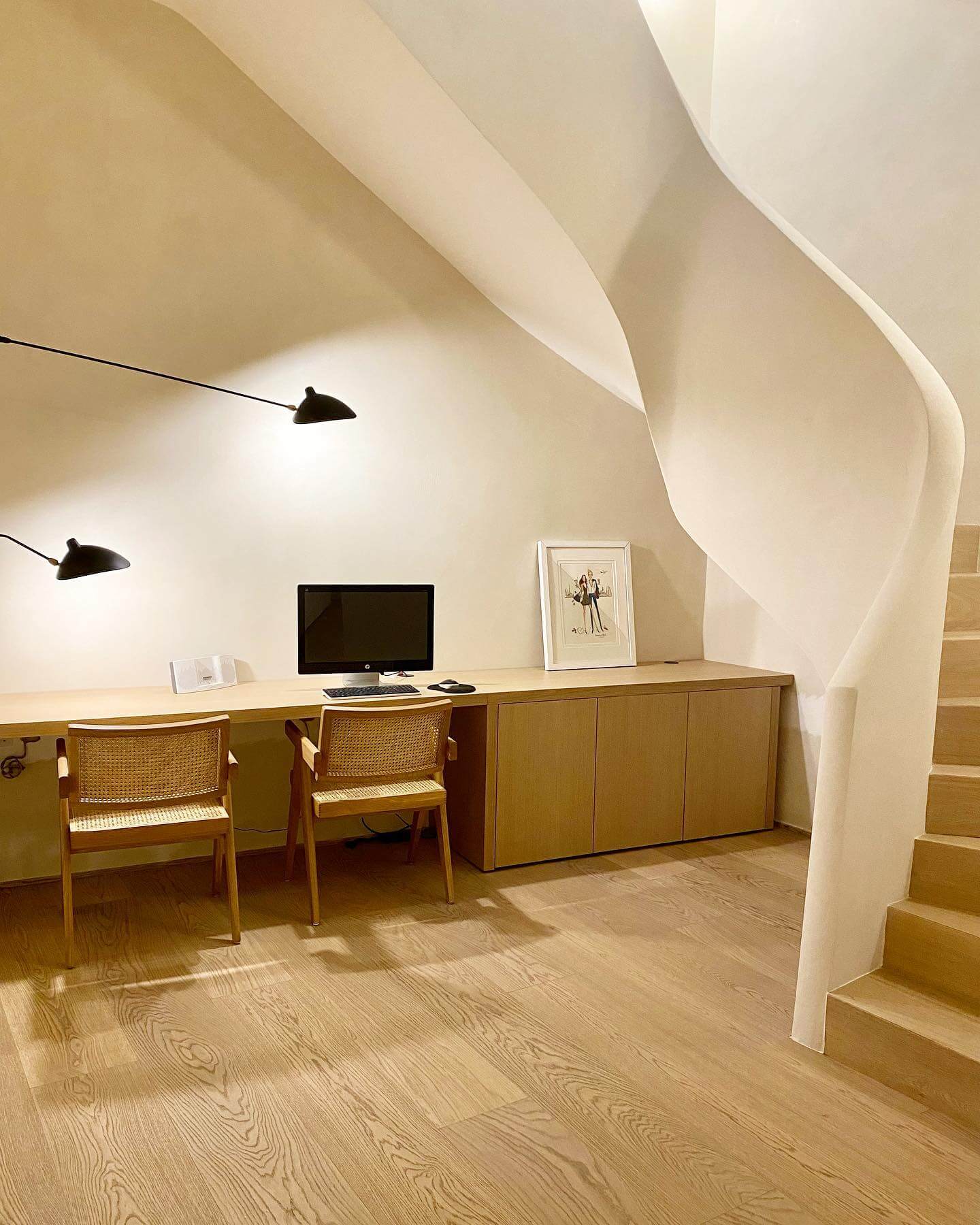
Rather than scatter decor everywhere, create one quiet vignette that holds meaning and sets the tone for your wabi-sabi workspace. Choose a modest shelf, console, or wall ledge and compose a handful of objects with story: a hand-thrown vessel, a sun-faded book, a river stone, a twig or ikebana stem. Vary height and texture—matte beside sheen, rough beside smooth—leaving ample negative space so each piece can breathe. Let one item carry patina visibly: a cup with a hairline repair, a timber offcut with tool marks. Place the vignette within your peripheral view, not directly in your task line, to avoid distraction while still lending calm presence. Rotate seasonally: a dried grass in autumn, a pale blossom in spring, a shell in summer. This single focal point becomes a visual anchor, reminding you that beauty doesn’t demand abundance or perfection. It also curbs the urge to overstyle; the rest of the room remains purpose-first, light on display, and heavy on clarity. When your eye finds home, your mind follows.
Ground the Space with Natural Rugs and Underfoot Texture
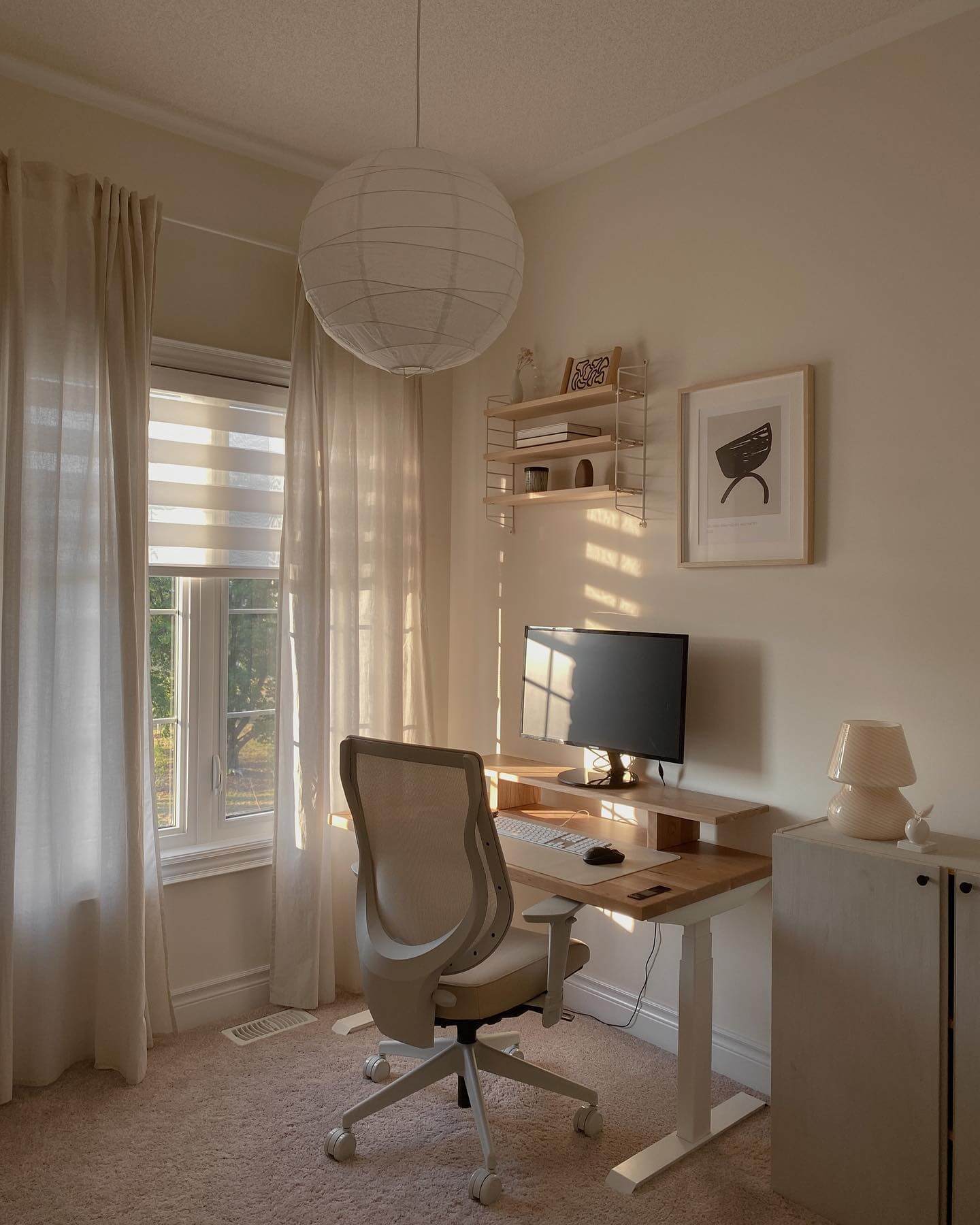
The floor is your largest canvas—use it to quiet the room and ground your body. Choose natural rugs that age gracefully: flatweave wool for warmth without bulk, jute or sisal for earthy texture, or a thick felted wool pad for acoustic softness. Keep tones muted—sand, oat, warm gray, soft charcoal—to harmonize with a wabi-sabi palette. Size matters: extend the rug under the front legs of the desk and chair so movement feels continuous and stable. If you roll, opt for soft casters designed for rugs or place a dense wool mat beneath your chair for glide and protection. Cork tiles are another quietly resilient option: warm underfoot, renewable, and sound-absorbing. Underlayment can transform the feel; a natural rubber pad adds cushioning without synthetics. Embrace patina—flattened fibers and subtle sun-kissed fading tell the story of your work over time. Vacuum lightly, rotate quarterly, and spot clean with diluted soap. With the ground softened and acoustics calmed, your body relaxes, your shoulders drop, and the room takes on a hushed, steady tempo ideal for deep focus.
Shape Micro‑Zones for Focus, Making, and Pause
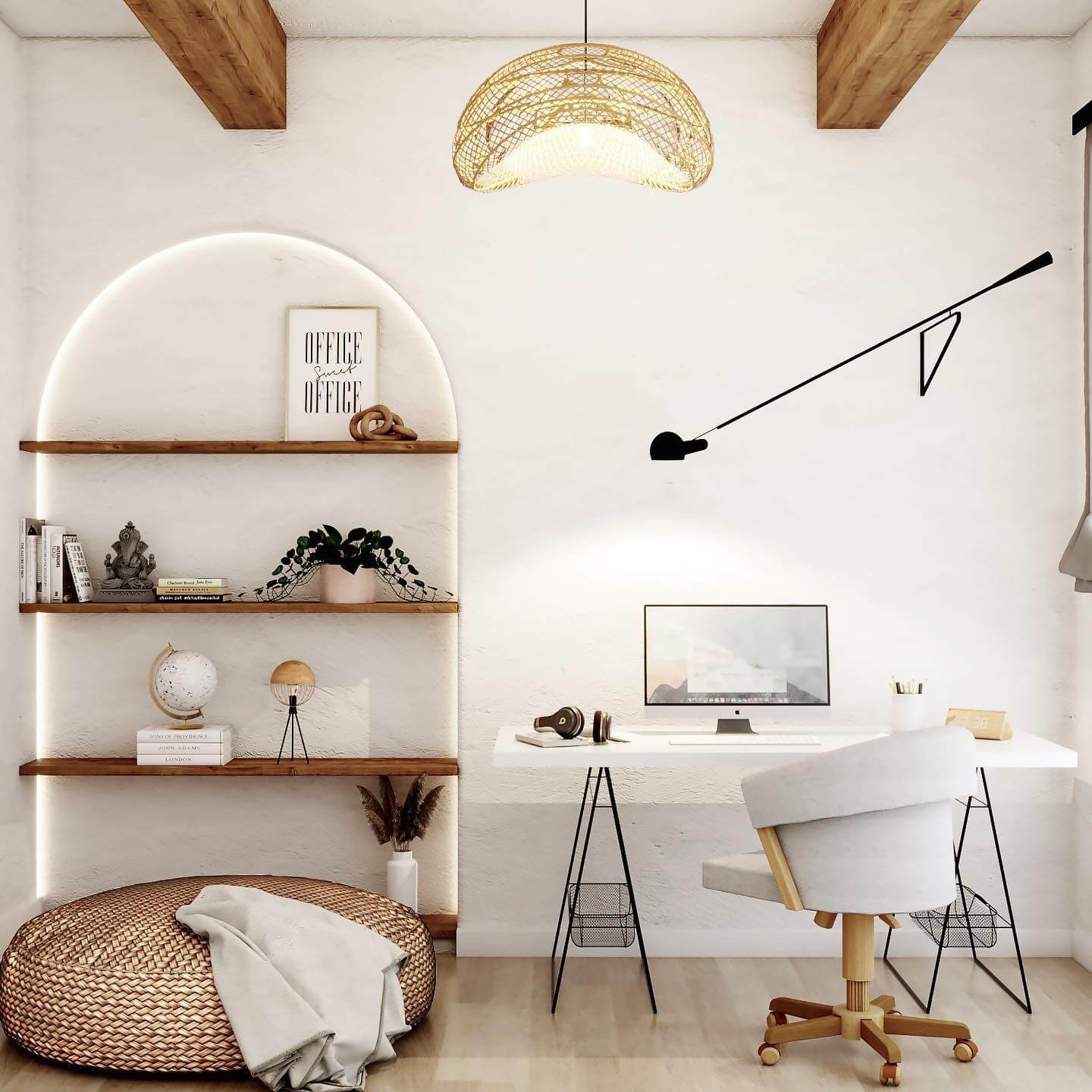
A wabi-sabi office flows like a small landscape, with distinct zones that guide your energy. Create three: a deep-focus desk, a making surface (or cart) for analog tasks, and a pause nook. Orient the desk toward soft, indirect light and keep tools minimal. The making zone can be a side table with cutting mat, sketch pad, or letter tray for paper—mess is welcome here, contained and purposeful. For pause, add a low stool or floor cushion by a window, a small tray for tea, and a view of something alive. Use lighting to signal shifts: a directed task lamp for focus, a warm paper lantern for pause. Subtle spatial cues—rug edges, a change in wall texture, or a single shoji screen—define boundaries without closing the room. Keep walking paths clear and short; your body should pivot, not commute. By honoring different modes of work with humble materials and gentle transitions, you’ll avoid all-or-nothing thinking, reduce clutter creep, and sustain attention with less effort. Imperfect flow is fine; refine as your rhythms evolve.
Use a Living Materials Board to Guide Decisions
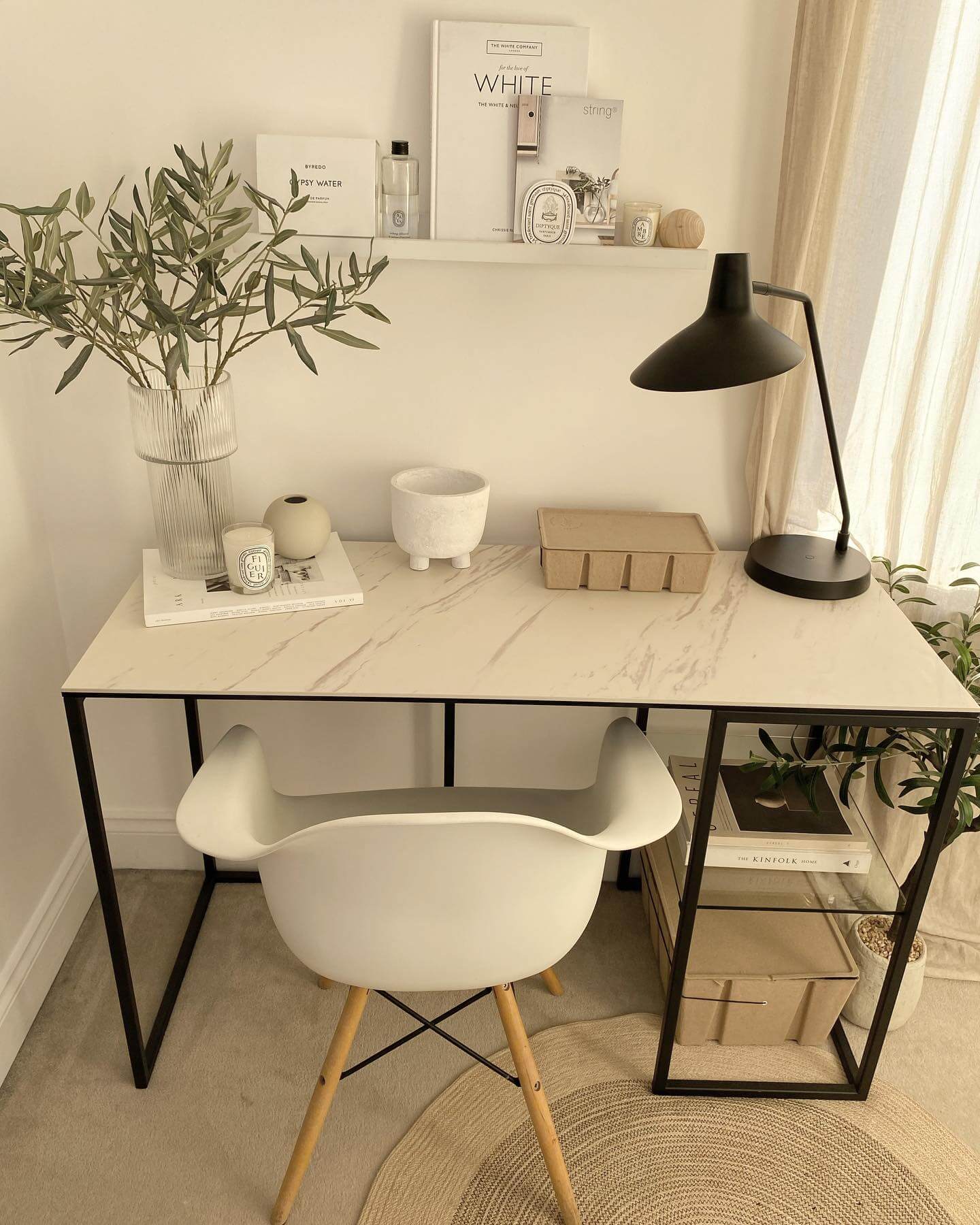
Decision fatigue breeds clutter. Build a materials board—a pinboard of the textures and tones that define your wabi-sabi office—and let it make choices for you. Pin small offcuts of wood species (oak, ash, walnut), fabric swatches (linen, wool, hemp), paper samples, and paint chips in the earth-neutral family. Include finishes you’ll actually use: natural oil, beeswax, limewash, casein paint. As you source items, test them against the board; if it clashes, it probably doesn’t belong. Keep the board near natural light so colors read true and update it seasonally as light shifts. This living palette anchors cohesion while honoring patina—oiled wood deepens, linen relaxes, limewash clouds. Add a small note of blackened metal or charred wood for subtle contrast that grounds the softness. The board becomes a quiet north star, shrinking impulse buys and ensuring every addition supports calm, focus, and longevity. When the palette is right, styling becomes effortless; your office reads as one continuous, breathable field rather than a collage of good intentions.
Source Secondhand with Patina and Integrity
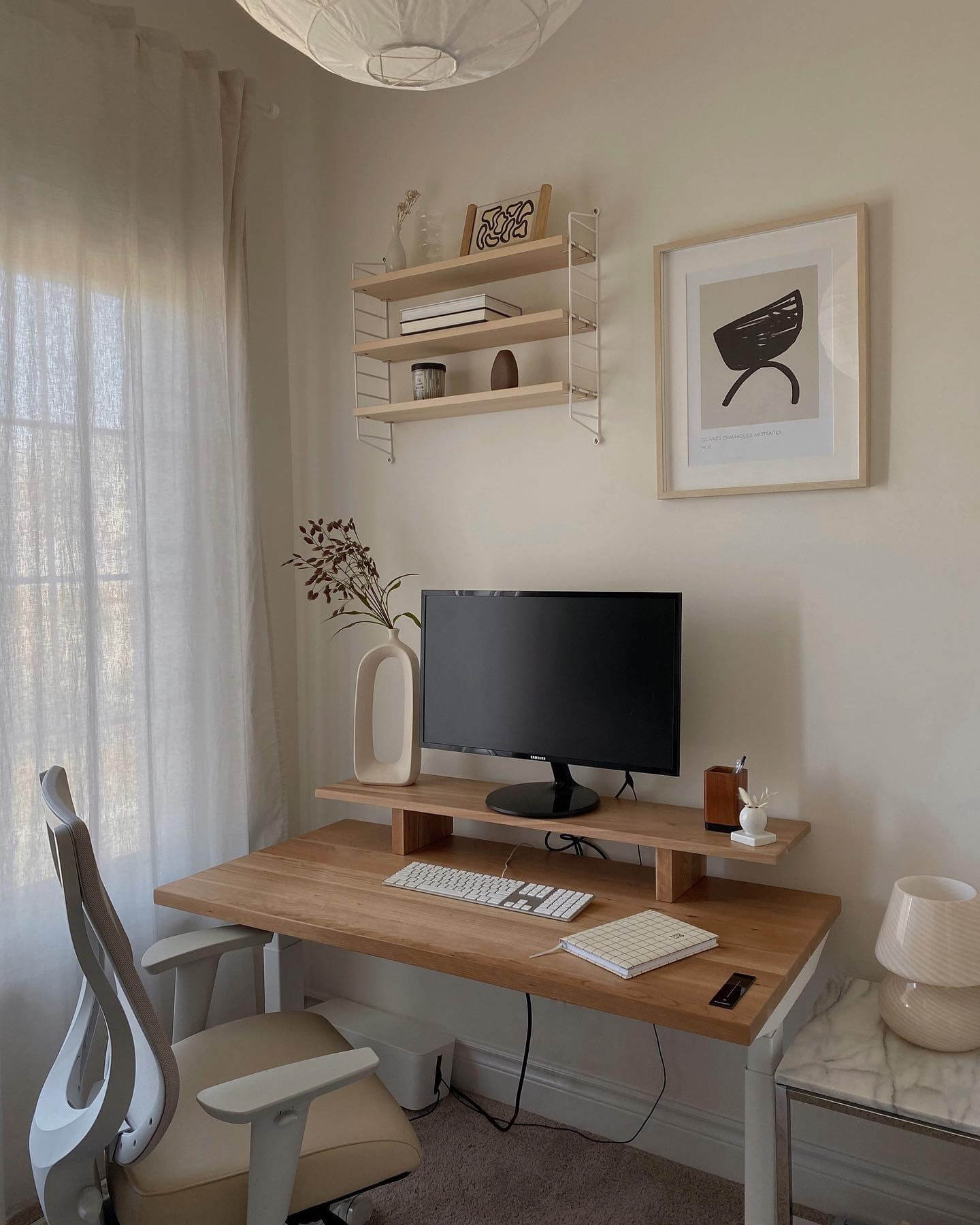
Wabi-sabi thrives on objects with history. Make secondhand your first stop: local classifieds, office liquidations, thrift shops, auction lots, and maker re-sell groups. Look for integrity over perfection—solid wood with joinery you can see, wool upholstery you can re-cover, metal with honest wear. A water ring on a tabletop, a softened edge, or a sun fade can be assets, not defects. Prioritize repairability: standard fasteners, replaceable parts, finishes you can renew with oil and wax. Budget for gentle restoration—wash with soap flakes, sand lightly, feed wood with tung or linseed oil, and fix small splits with butterfly keys or kintsugi-inspired fills. Choose pieces that scale with you: a sturdy trestle table, stacking stools, a simple drawer unit. Sourcing this way cuts waste, saves money, and infuses your office with story. Each mark becomes a reminder that progress is iterative and imperfect. The result is a workspace that looks grounded on day one and only gets better with use, supporting sustainable design and a calmer daily rhythm.
Tame Power and Cables with Discreet, Repairable Paths
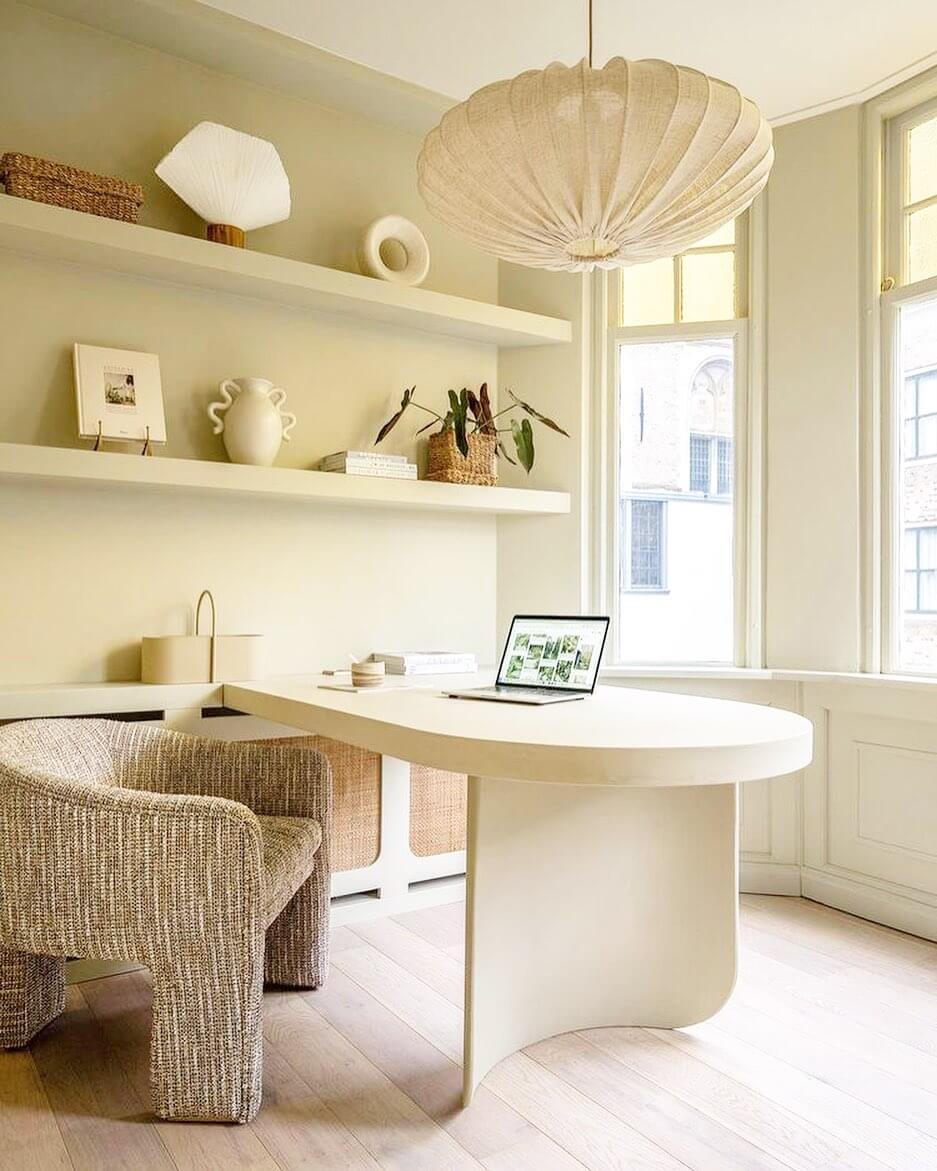
Visual noise sabotages focus. Route power thoughtfully so your wabi-sabi office stays quiet to the eye. Use a wood or metal cable tray under the desk, a single surge strip with an accessible switch, and braided fabric sleeves that age gracefully. Keep cable lengths honest—no long loops; coil and tie with cotton or leather wraps, labeled in plain language. Introduce a desk grommet or low-profile edge clip to guide cords without adhesives that leave residue. Consolidate charging to one tray away from sightlines; one outlet, multiple ports, no sprawl. Mount a small hook under the desk for headphones and a peg for the power brick to prevent floor clutter. Favor repairable gear: replaceable cables, modular power strips, and lamps with standard bulbs and cords. A tidy cable path isn’t about hiding everything; it’s about intention, serviceability, and calm. When cords follow clean lines and power has a home, your desk reads as light and breathable—and deep work feels easier.
Add a Tea and Scent Corner for Transitional Moments
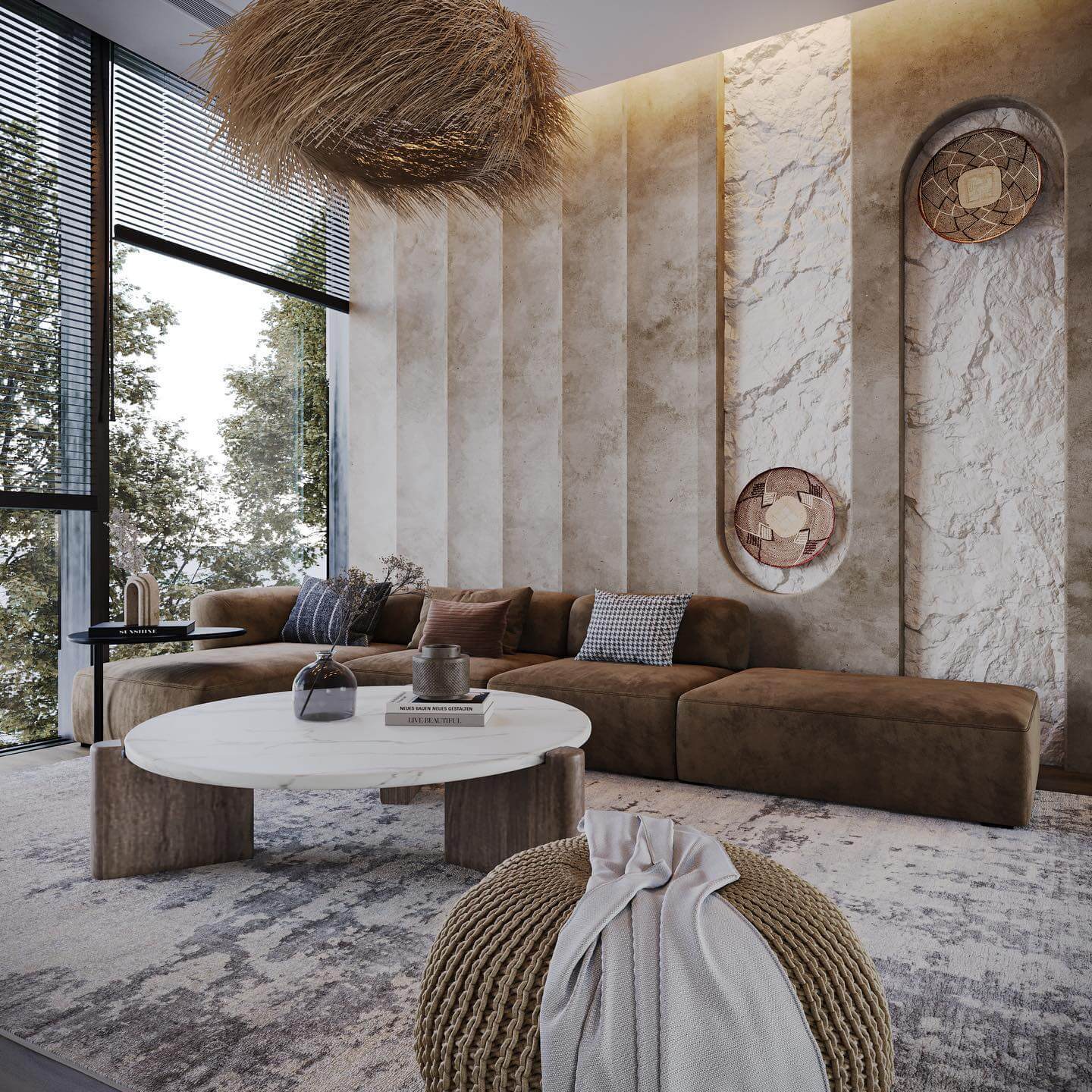
Rituals bookend focus. Create a small tea and scent corner that signals gentle starts, breaks, and stops in your wabi-sabi office. A hand-thrown cup, a low tray, a tin of loose-leaf (genmaicha, hojicha), and a compact kettle are plenty. Pair taste with subtle scent: a beeswax candle, a single stick of hinoki or sandalwood incense, or a diffuser with cedar and bergamot. Keep it restrained; fragrance should never dominate the room—think whisper, not billboard. Place the setup near a window for easy ventilation and a view to rest your eyes between cycles. Use the ritual to transition modes: light the candle to begin, pour tea at the midpoint, snuff the flame to close. Store everything in a small drawer or lidded box so surfaces reset cleanly. The goal is presence, not performance—humble tools, simple steps, and a sensory cue that reminds your nervous system it’s safe to slow down. Over time, this corner becomes a compass, returning you to steady attention and quiet joy.
Soften the Room with Layered, Low Lighting
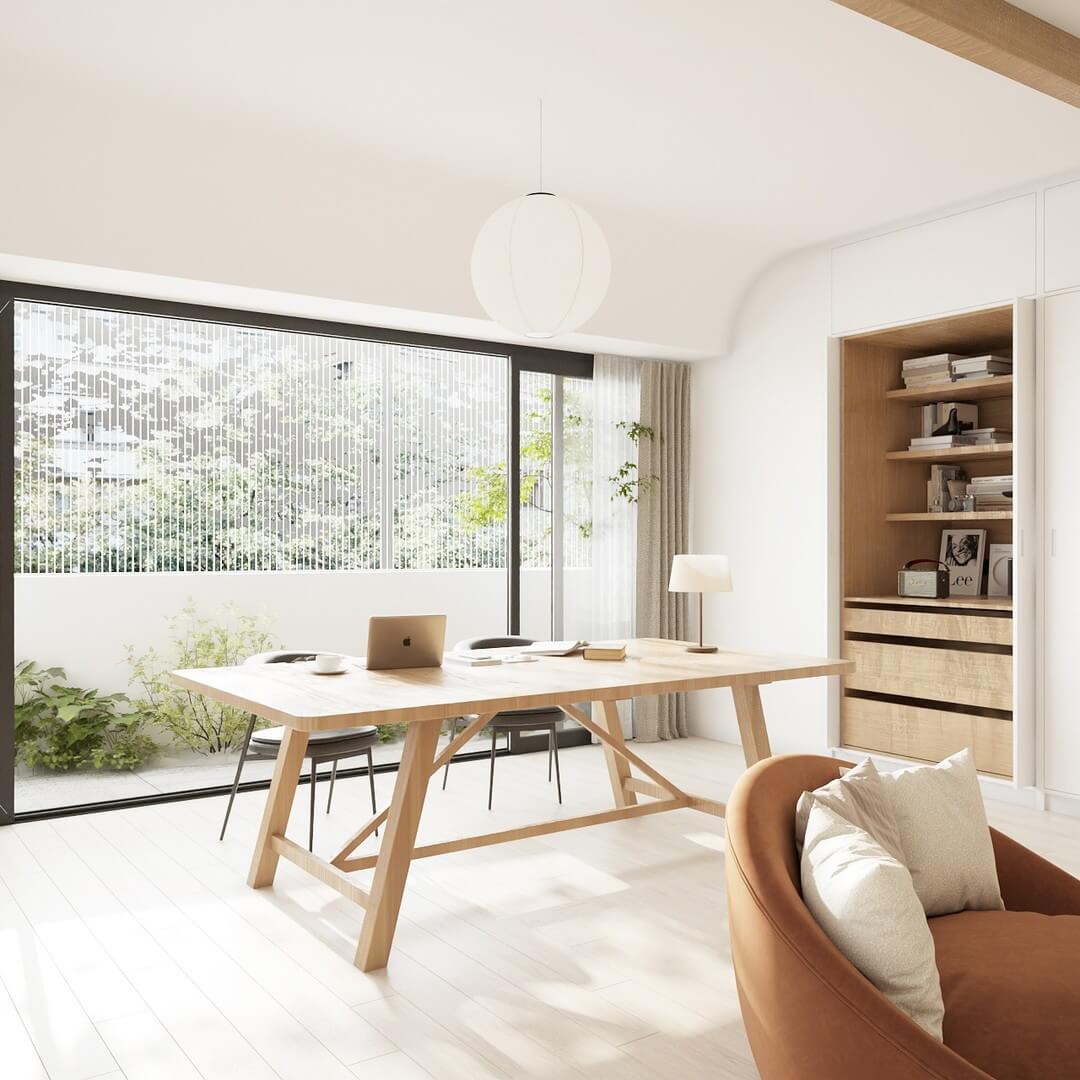
In a wabi-sabi office, light is a material. Favor layered, low lighting that avoids glare and sharp edges, creating a cocoon for deep work. Start with a warm ambient base (2700–3000K) via paper lanterns, linen shades, or shaded sconces that bounce light off walls for gentle diffusion. Add a focused task lamp with a narrow beam and adjustable arm to spotlight paper or keyboard without flooding the room. A small accent—like a candle, tea light, or dim salt lamp—invites presence during early mornings or wind-down evenings. Position fixtures at different heights to sculpt subtle shadow; the interplay of light and dark brings depth and calm to a workspace. Use dimmers to shift intensity with the day, mirroring circadian rhythms. The aim isn’t brightness—it’s clarity and comfort. When light is soft, textures speak: grain in wood, fibers in paper, the matte glow of clay. The result is a tranquil, grounded wabi-sabi workspace that eases eye strain, reduces mental noise, and supports sustained focus. Curate fewer, better luminaires, and let them age gracefully; a frayed cord replaced and a shade with a crease only add to the story.
Keep Tools in Handmade Trays and Caddies
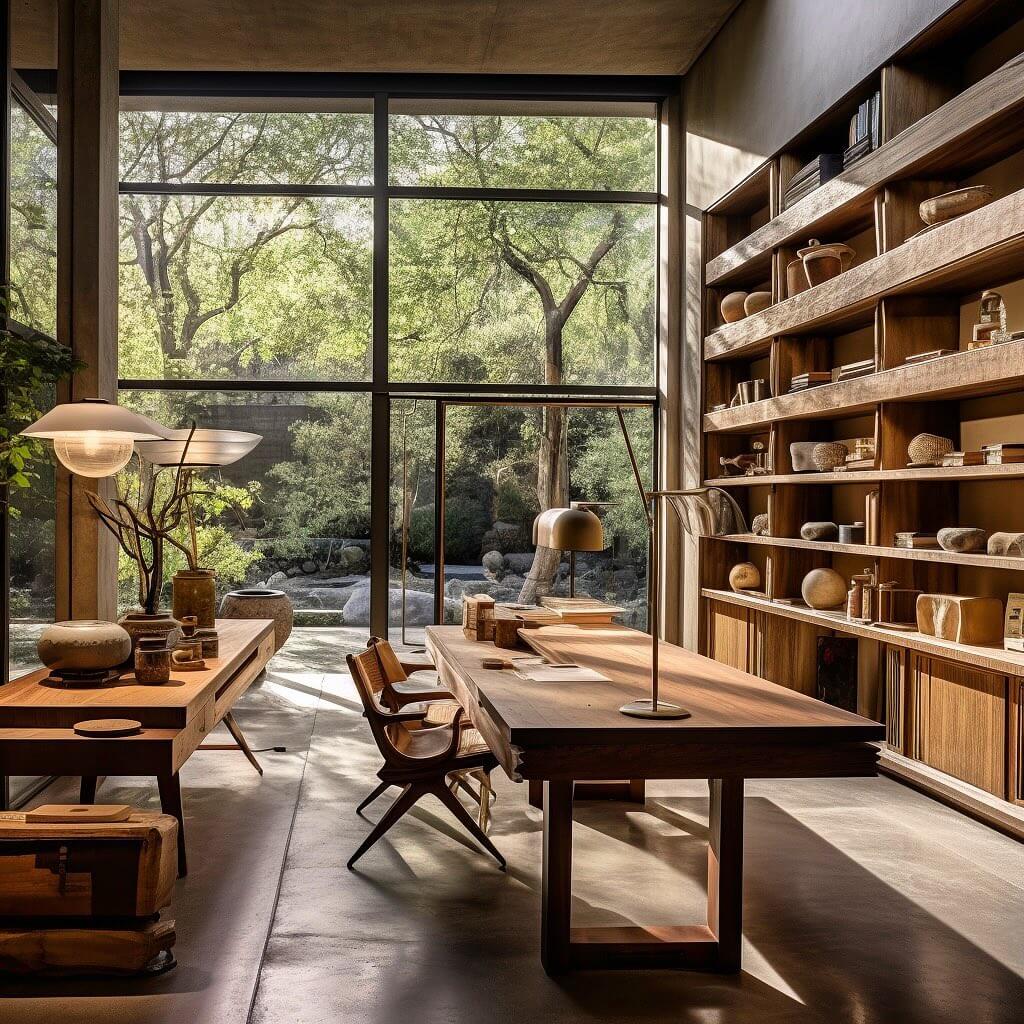
Wabi-sabi organization is humble, tactile, and frictionless. Replace plastic bins with handmade trays, bowls, and caddies in wood, clay, or stone. A shallow ceramic tray for daily tools—pen, pencil, ruler, bone folder—keeps essentials visible and reachable, inviting you to reset the desk with a single sweep. A lidded box corrals small items (clips, erasers, SD cards) without visual chatter. A wooden pen stand or brush rest turns everyday implements into quiet companions. This is not maximal styling; it’s functional rhythm. Choose a few vessels that share a material language with your desk—oiled oak, ash, walnut; matte porcelain; rough terracotta—so the arrangement reads as one calm field, not scattered pieces. As your workflow evolves, rotate containers with intention rather than adding more. Let chips, hairline crazing, and rubbed edges reveal the passage of time; patina is part of the aesthetic and the ethic. The result is a wabi-sabi office that feels composed, where everything has a home and resets take seconds. When the desk is simple to clear, starting—and finishing—work becomes a gentle ritual.
Choose Honest, Repairable Desks and Chairs
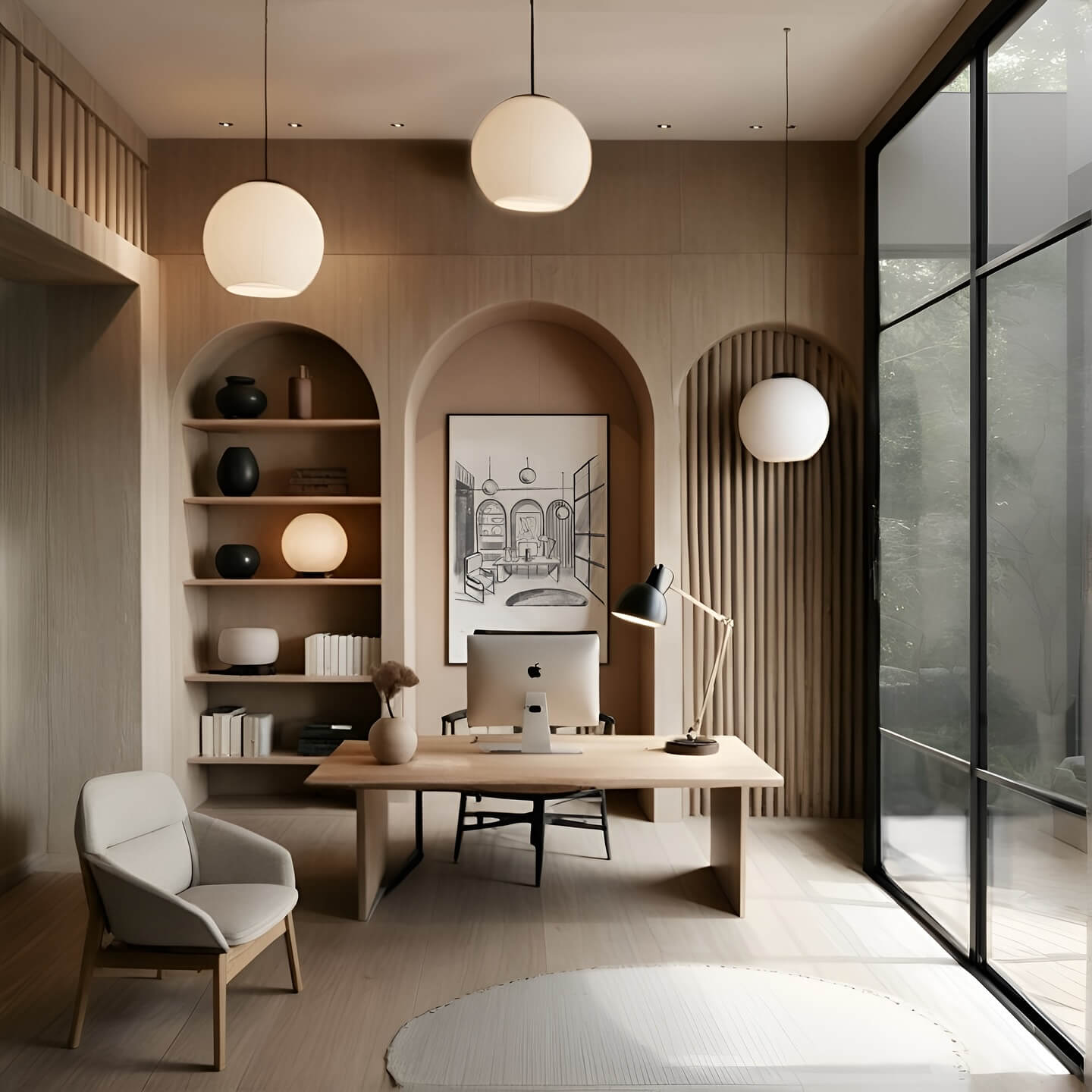
A wabi-sabi workspace favors furniture you can maintain, not discard. Choose a solid wood desk with an oil or wax finish you can renew seasonally, rather than a glossy veneer that resists repair. Seek honest joinery—dowels, wedged tenons, exposed plugs—that welcomes future tightening. Pair with a chair that balances ergonomics and material integrity: wood framed, breathable natural fibers, wool or linen upholstery with replaceable covers. Avoid brittle plastics that creak and crack; prioritize components you can source and swap—casters, glides, screws, cushions. Scars and light dents are not flaws; they’re a record of work well done. Keep a small care kit at hand: lint-free cloth, furniture soap, plant-based oil, a felt pad assortment, and a hex key set. This approach reduces decision fatigue and long-term cost while aligning with wabi-sabi values—restraint, longevity, and respect for material. Over time, your desk and chair will become personal artifacts—edges polished where hands rest, a sheen where notebooks land—subtly boosting attachment and focus. Comfort here comes from fit and familiarity, not novelty.
Invite Living Green: Branches, Moss, and Ikebana
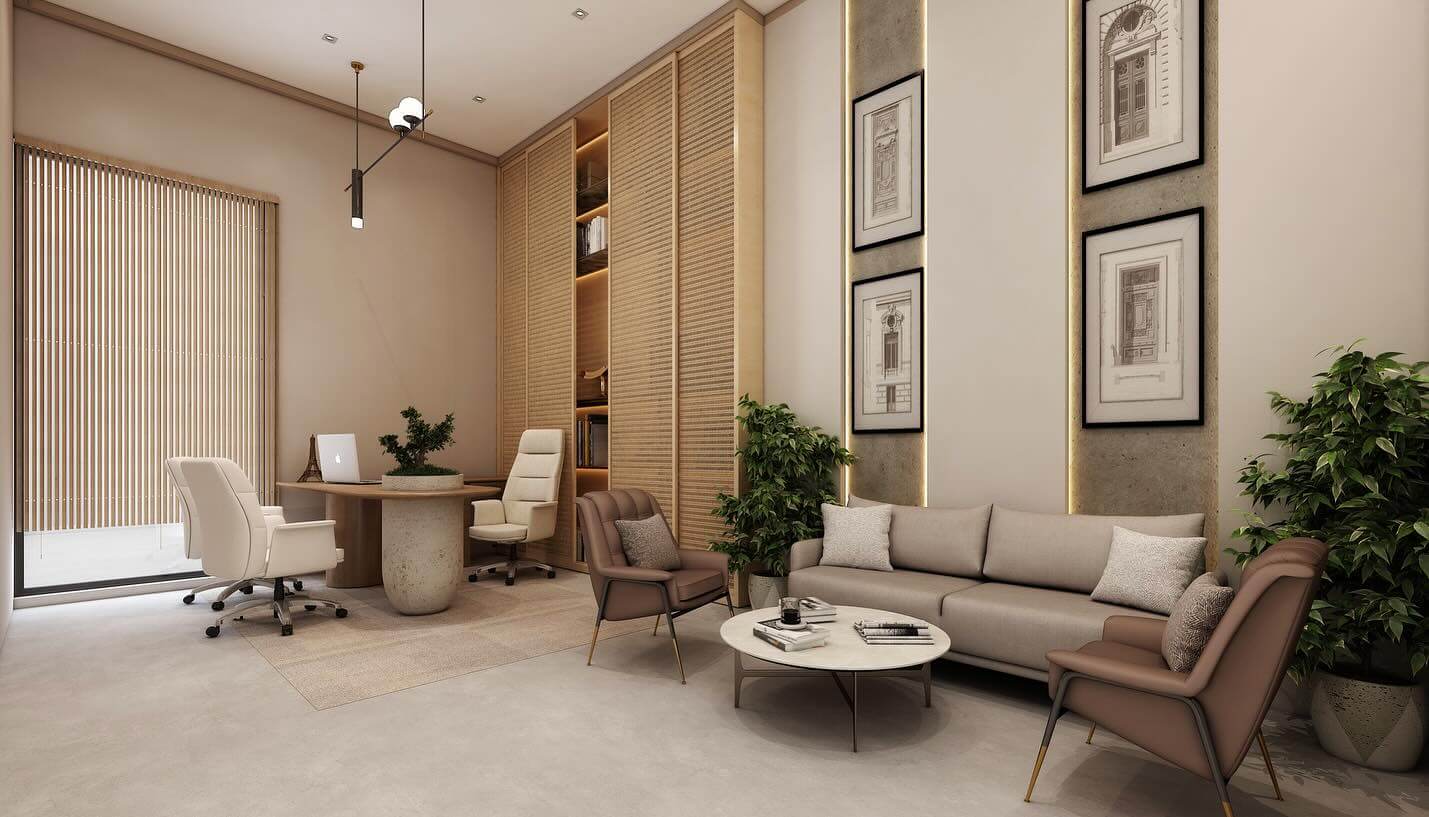
Biophilic touches bring movement and seasonality into a wabi-sabi office without clutter. Instead of a forest of potted plants, consider one sculptural gesture: a single branch in a tall vase, a low bowl with moss, or a restrained ikebana arrangement that highlights line, space, and negative form. These choices calm the eye and tune attention—living elements that change subtly day to day, reminding you to look up, breathe, and reset. Choose vessels with character—stoneware, raku, cast stone—so the whole composition feels grounded. Place greenery where it catches dappled light, not direct glare, and keep a soft brush or mister nearby as part of your maintenance ritual. Rotate arrangements with the seasons: budding spring twigs, summer grasses, autumn seed heads, winter evergreens. This cadence brings gentle novelty without visual overload, aligning with slow, intentional work. The result is a workspace that feels alive but not busy—quietly connected to nature’s timeline, with organic forms that harmonize with wood grain, linen weave, and matte finishes. A little green, placed precisely, does more than many plants in every corner.
Set a Calm Color Vocabulary: Clay, Bone, Ink
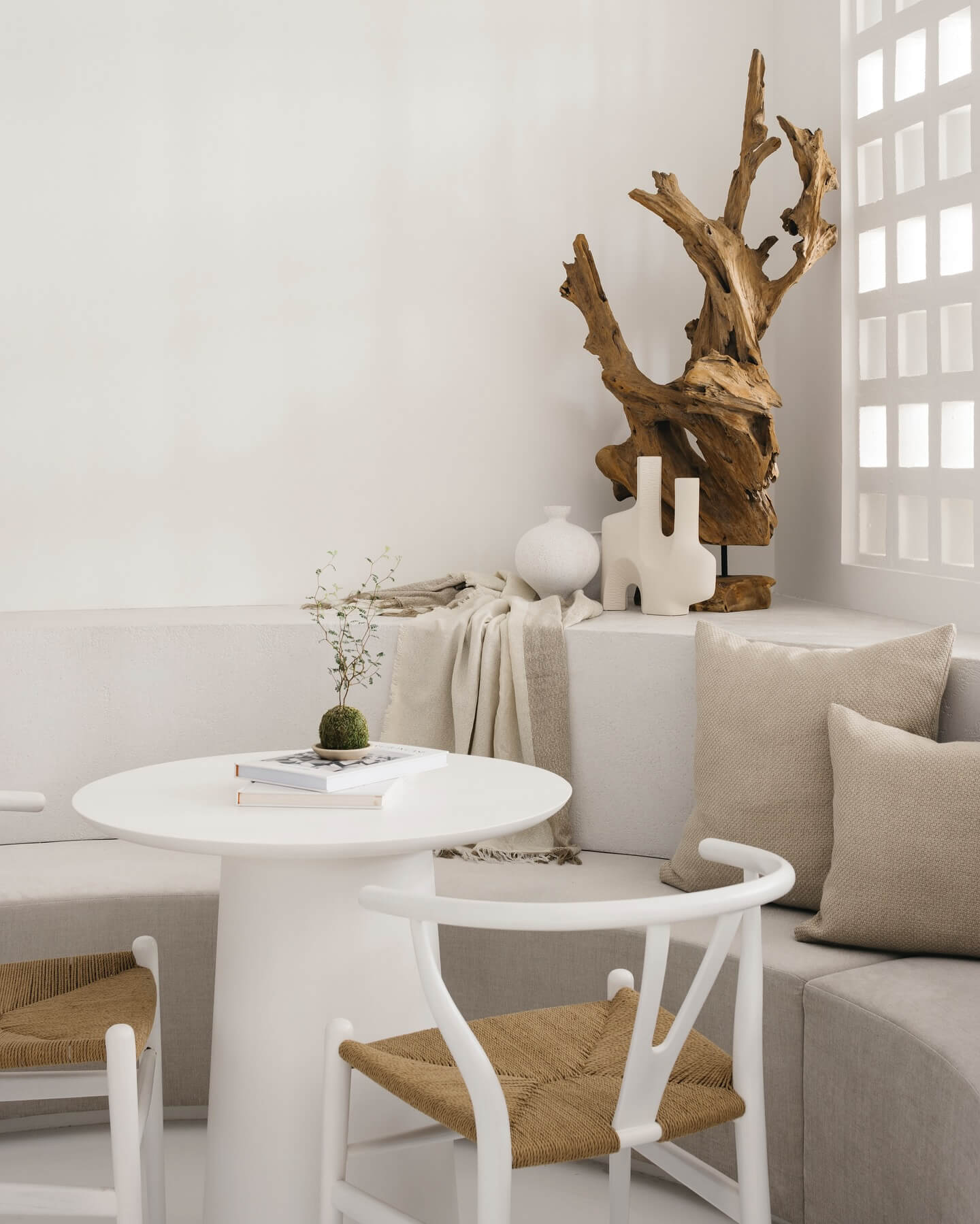
Color in a wabi-sabi office is a language of restraint. Build a palette of three to five tones drawn from earth and shadow—clay, bone, ink, sand, charcoal—then repeat them across surfaces to reduce visual noise. Let the desk, shelving, and storage anchor the mid-tones; keep walls soft and desaturated to amplify natural light; reserve the darkest hue for a few lines that ground the room (a frame, lamp base, or tray). This limited range helps objects with patina—wood, paper, ceramics—feel cohesive rather than cluttered. Textures do the expressive work: limewashed wall, undyed linen, wool felt, raw-edged paper. If you crave color, bring it in ephemerally via seasonal branches, washi tapes on a pinning rail, or a single textile. The palette should support attention, not compete with it. Capture the scheme on a compact swatch card—paint chips, fabric snippets, finish samples—and keep it in your drawer to guide future purchases. Consistency over time builds a quiet, intentional identity for your workspace that is serene, timeless, and unmistakably wabi-sabi.
Dress Windows in Sheer Linen for Diffused Focus
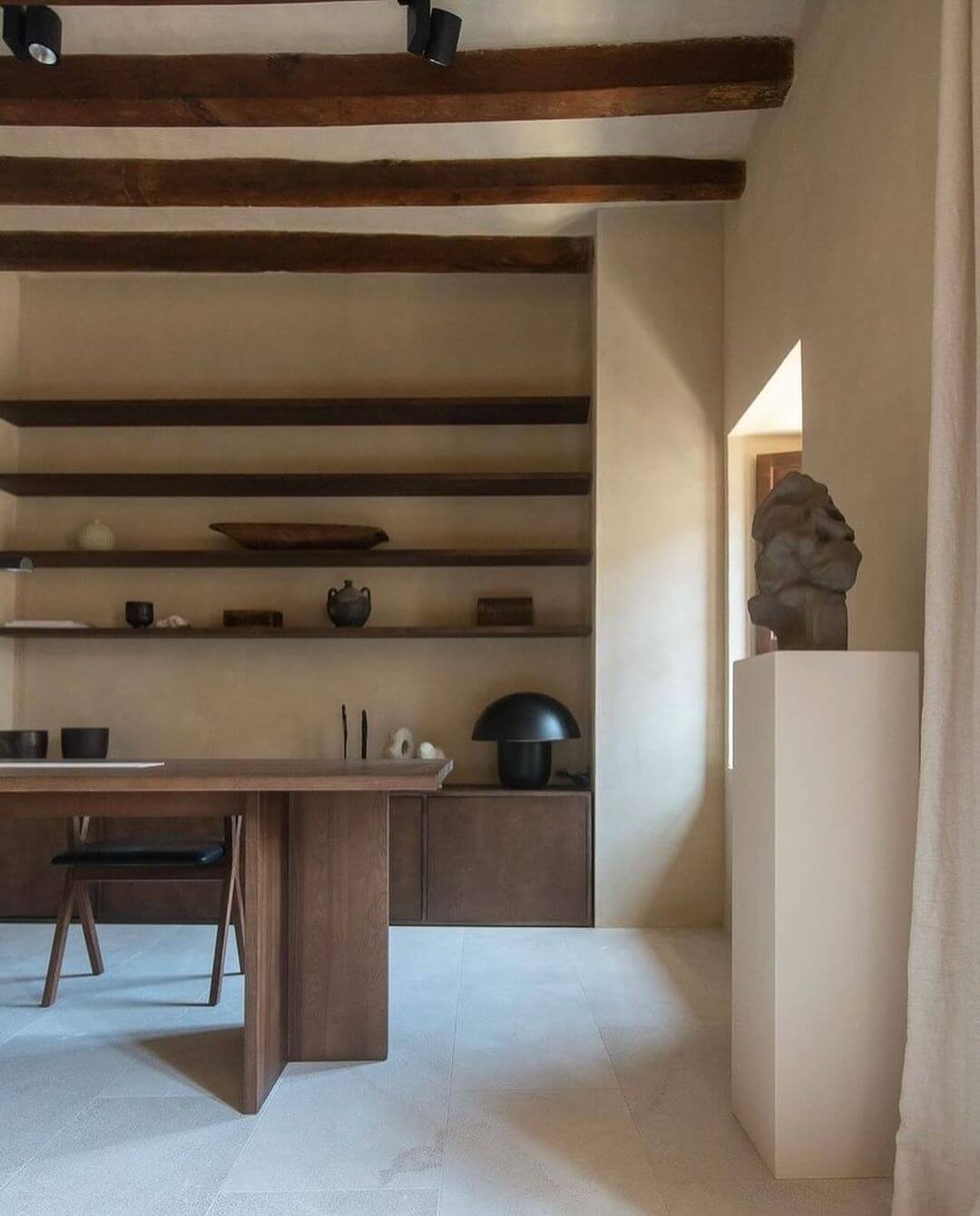
Glare is the enemy of calm. Sheer linen or cotton-lawn curtains soften hard daylight, reduce screen reflections, and bathe a wabi-sabi office in an even, tactile glow. Choose natural fibers with a loose weave; their subtle slub catches light beautifully while maintaining outside views and ventilation. Mount rods slightly wider and higher than the window to let panels stack off-glass when you want full sun. For layered control, pair sheers with a simple roller shade in an earthy tone—clay, oat, or ink—that disappears visually when raised. Keep hems generous so fabric falls with weight; a brush of cloth pooling at the floor can feel grounded without fuss. This approach lets you tune brightness to task and time of day while preserving the softness that wabi-sabi spaces crave. Bonus: fabric improves acoustics and temperature stability. The result is not staged perfection but lived-in clarity—light that flatters materials, makes reading comfortable, and turns the window wall into a breathing, functional backdrop for deep work.
Embrace Analog Writing and Sketch Rituals
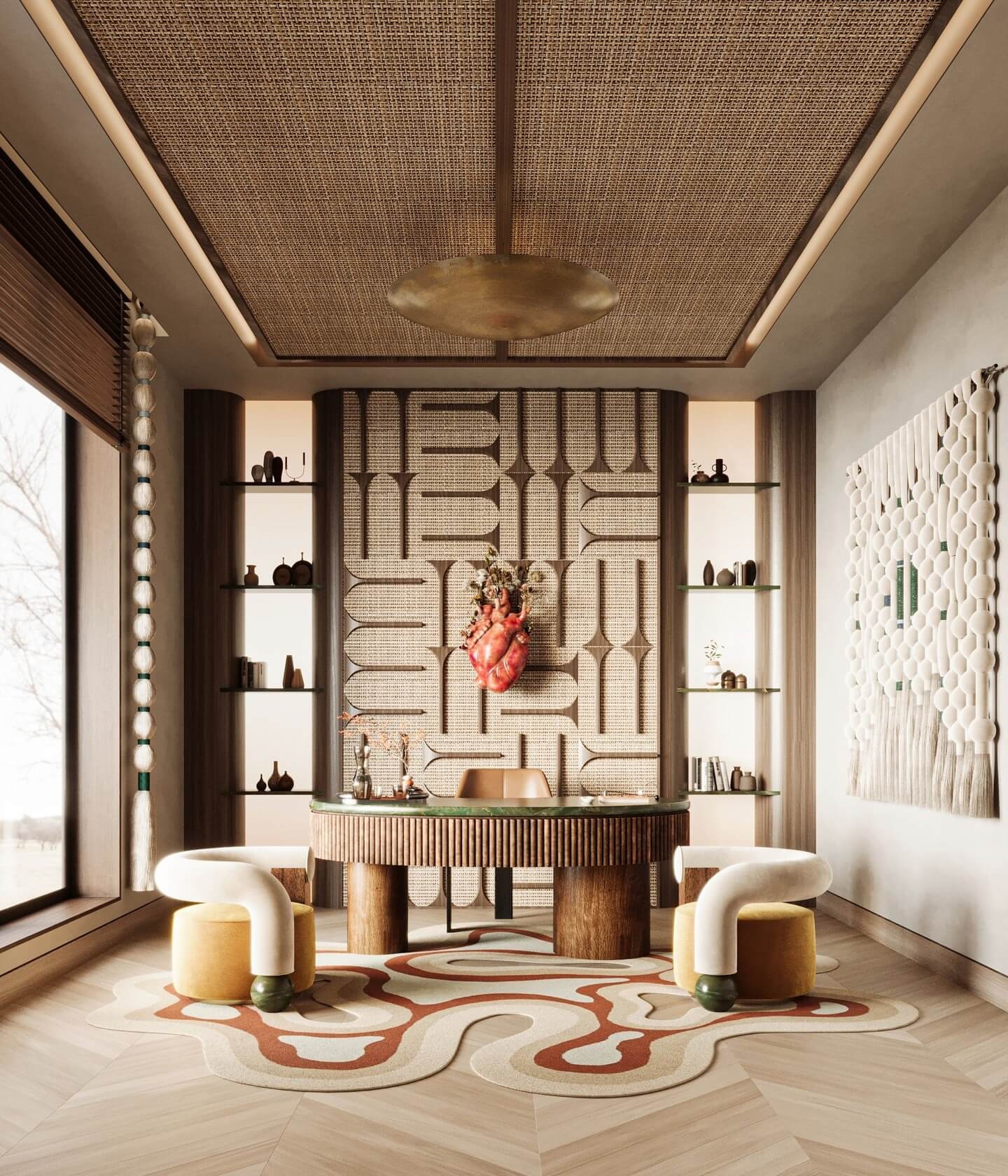
When everything lives on a screen, thinking flattens. A wabi-sabi office carves out a small analog station—one notebook, one favorite pen or pencil, one ruler, a glue stick, and a few paper clips. Keep this kit ready on a tray you can pull forward when it’s time to draft, map, or reflect. Use thick, toothy paper that accepts correction and wear; let crossed-out lines and smudges remain. Sketch ideas before you formalize them digitally; draft agendas by hand; end the day with a two-minute reflection. These tactile pauses slow the mind just enough to notice nuance, creating a feedback loop between hand, eye, and thought. Choose tools that age well: a refillable fountain pen, brass clips that tarnish gracefully, a mechanical pencil with replaceable leads. Store past notebooks vertically like slim archives; their spines—creased and labeled—become a record of practice. Analog rituals won’t replace your apps; they will balance them, giving your wabi-sabi workspace warmth, texture, and an embodied pace that supports creativity.
Create a Slow Threshold: Mat, Hook, and Pause
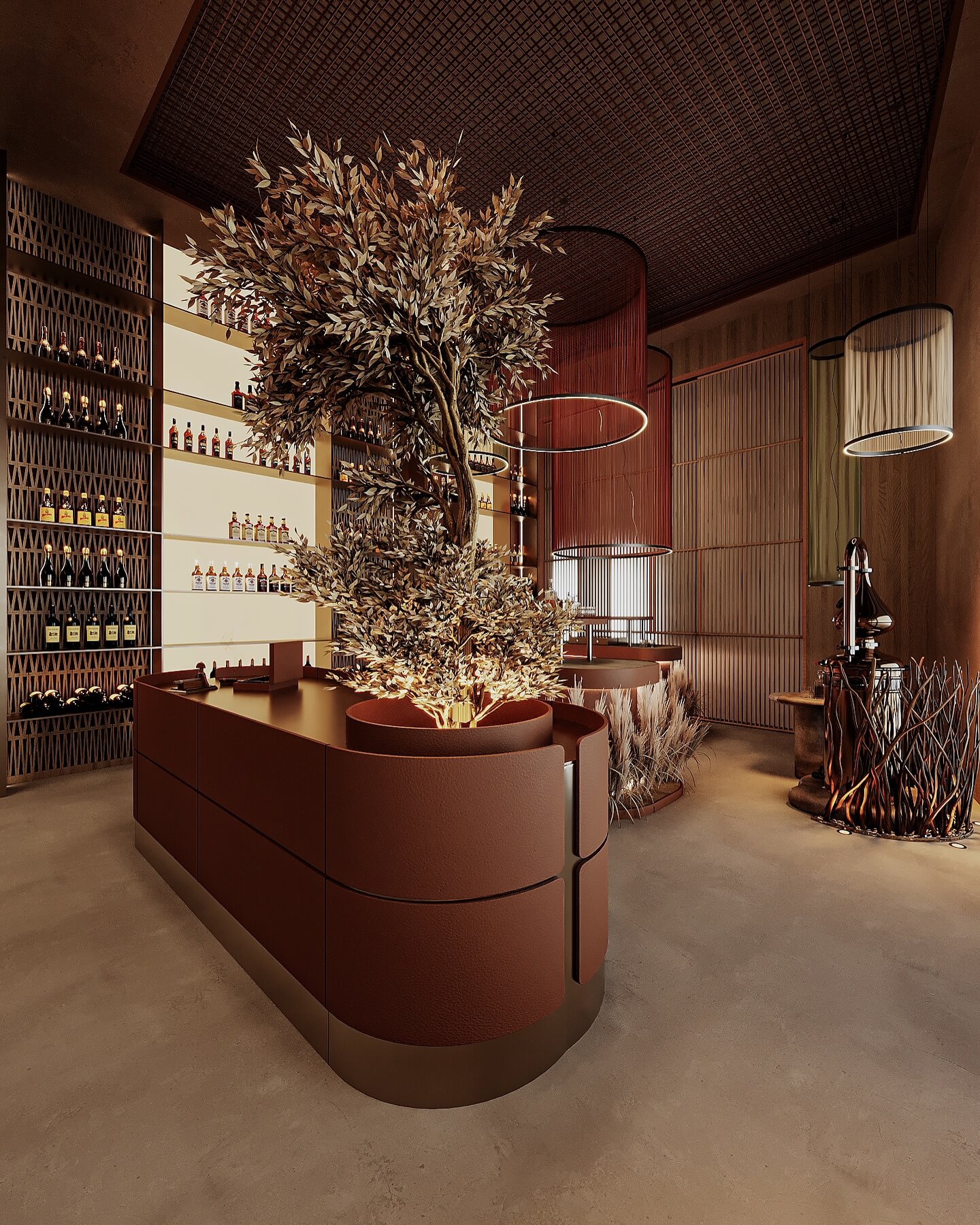
Design a modest entry moment—even if your office is a corner of a room—to mark the shift from life to work and back again. Lay a natural fiber mat (jute, coir, wool) to cue a shoes-off, grounded posture. Add a single wood peg or forged hook for a cardigan, headphones, or a field jacket; beneath it, place a ceramic bowl or stone tray for keys and a timer. A small note rail or pin for a daily intention turns arrival into a one-breath ritual: hang, place, read, begin. Keep the palette consistent with your workspace—bone, sand, ink—so this threshold feels integrated, not tacked on. On the way out, reverse the steps to signal closure. This practice introduces “ma,” the Japanese concept of intentional pause, into the workday—reducing context switching and stress. Over time, the threshold will patina with use: a polished spot on the peg, softened fibers underfoot. That lived-in quality is the wabi-sabi point—an honest, functional welcome that gently sets the tone for focused, meaningful work.
Sit Closer to the Ground: Posture Variety with Low Seating
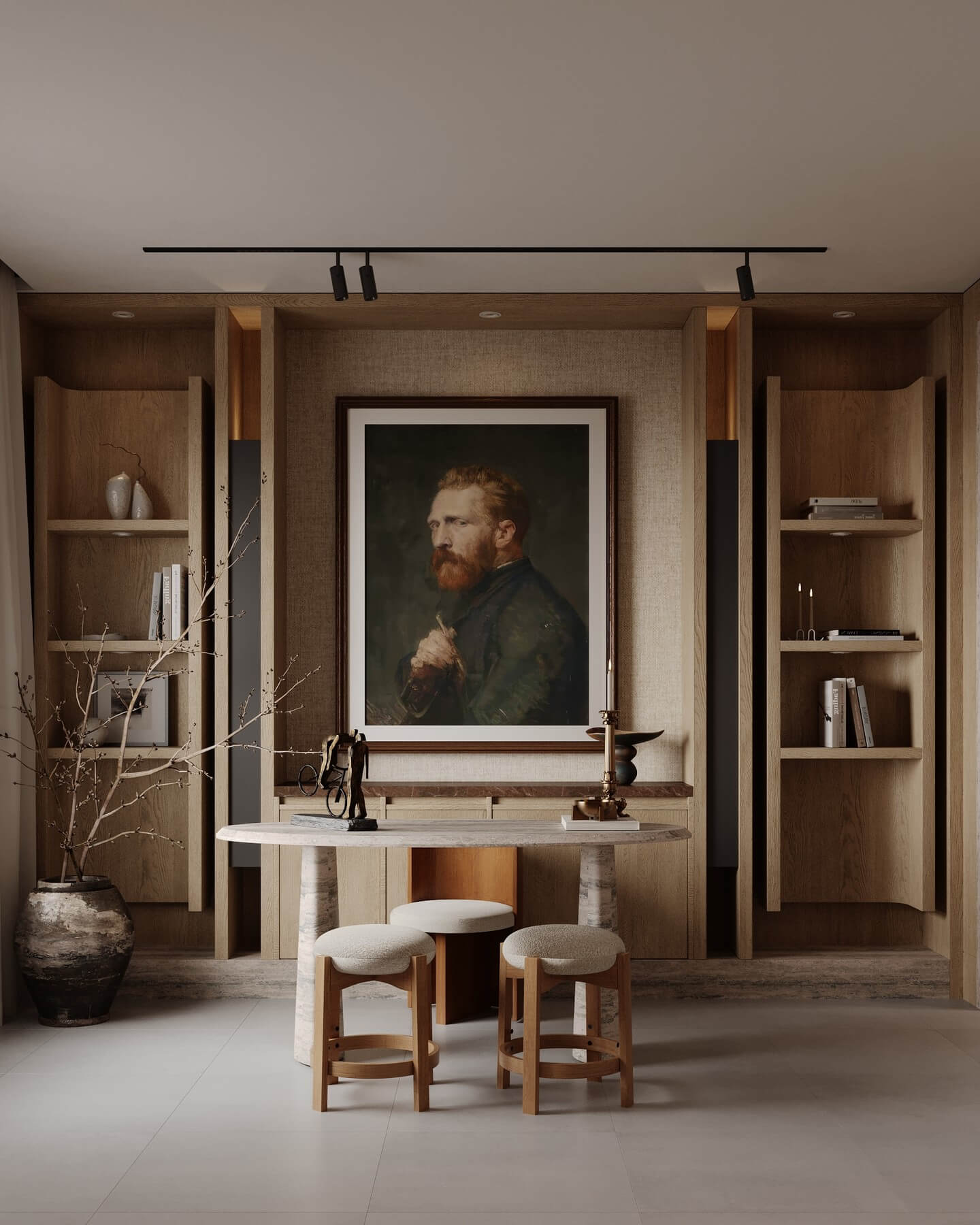
Wabi-sabi spaces invite embodied comfort. Introduce low seating options—a firm floor cushion (zabuton), a kneeling bench, or a low stool—alongside your primary chair to vary posture through the day. Pair with a light, low table or a removable lap board so you can read, brainstorm, or sketch away from the screen. This gentle shift changes the angle of hips and spine, engages different muscles, and often yields fresh perspective. Keep textures natural and grounding: wool-felt cushions, linen covers, tatami-style mats. Place them near soft light or a window for reflective sessions. Posture variety isn’t anti-ergonomic; it complements it, giving your body movement and your mind a reset. Store pieces on a simple wall peg or under the desk to keep the plan uncluttered. Over time, the cushion compresses, the bench edges soften, the mat gains a warm sheen—visible records of thoughtful hours. This humble setup extends the function of your wabi-sabi office without adding bulk, making focus and rest feel equally supported.
Celebrate Patina on the Work Surface
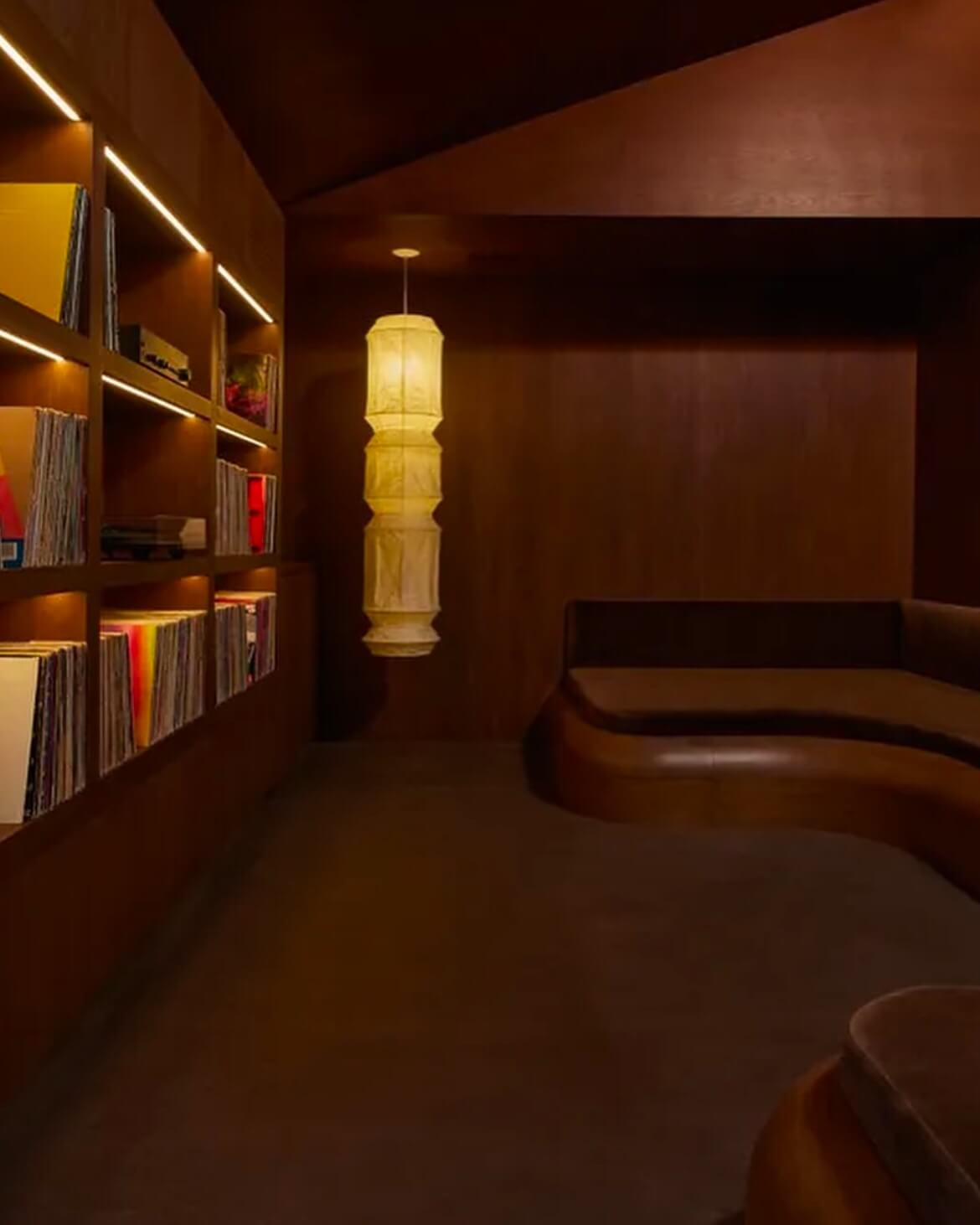
Instead of fighting wear, plan for it. Choose a desk finish you can renew (oil or hardwax) and embrace the evolving map of use—subtle rings under a coaster, a softened edge where your wrist rests, a burnish where the notebook lives. Protect zones that see liquids with a small tray or cloth, but resist wrapping the whole surface in plastic. Schedule a light quarterly refresh: dust, a gentle wash, a thin coat of oil, and a buff. Log dents and marks you repair—tiny fills, a sanded scratch—as a craft practice, not a chore. If a break happens, consider a visible mend: a butterfly key across a split or a contrasting dutchman patch that echoes kintsugi’s spirit. These gestures are not affectations; they reinforce the wabi-sabi ethic of honesty, longevity, and care. A desk that shows your story cultivates attachment, which in turn fosters stewardship. The workspace becomes uniquely yours—calm, imperfect, and deeply functional—supporting focus while honoring time.
Limewashed Walls: Soft Gradients for Restful Focus
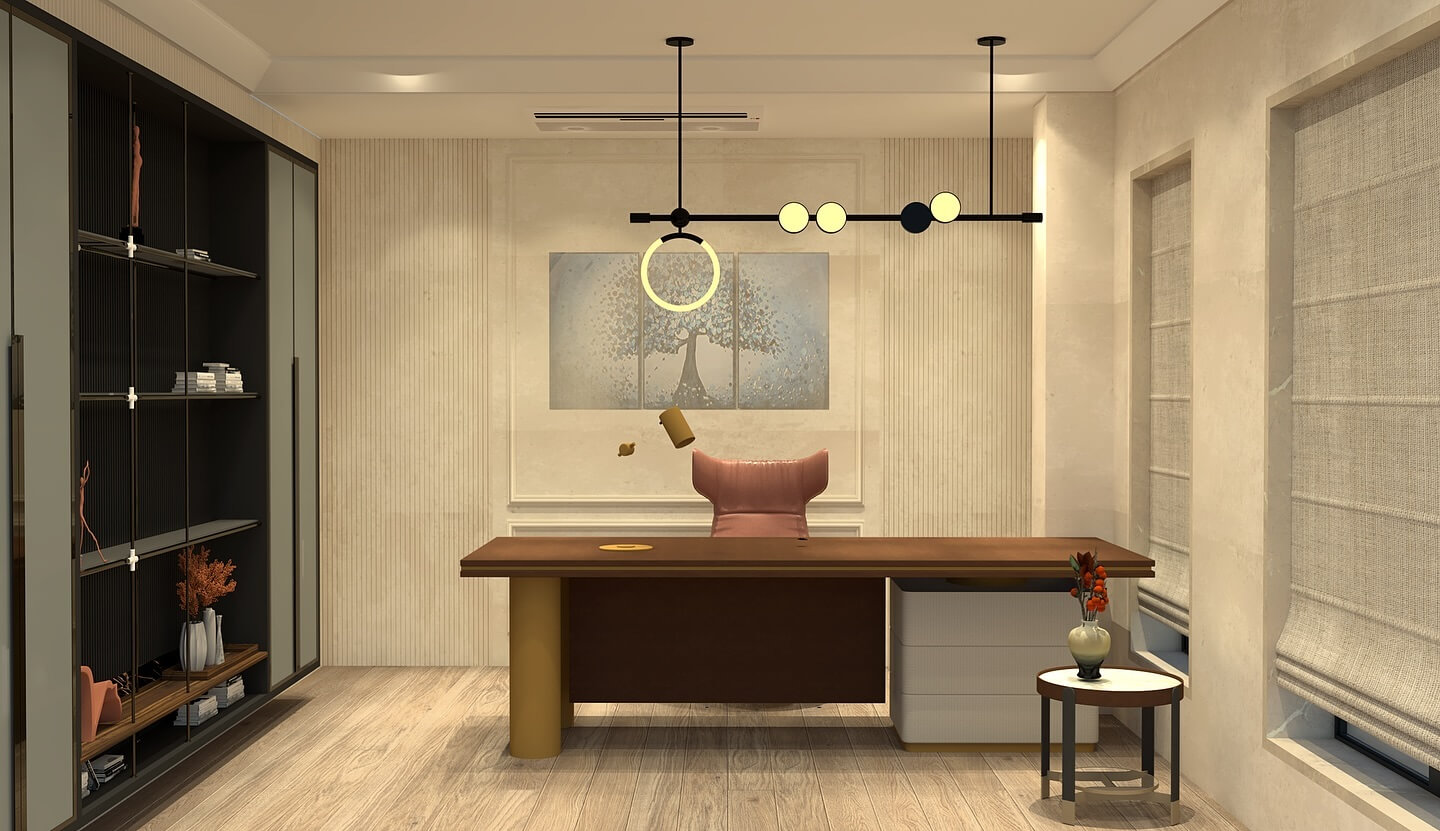
A wabi-sabi office benefits from walls that don’t shout but quietly hold the room together. Limewash, clay paint, or mineral plaster creates a matte, velvety surface with visible brushwork—subtle striations that add depth without visual noise. This imperfect texture softens glare from screens, bounces light in gentle gradients, and becomes a calming backdrop for natural wood, linen, and handmade ceramics. Choose tones that echo your color vocabulary—bone, putty, ink, and warm clay—so the workspace feels cohesive and grounded. Test swatches across a full daylight cycle; the beauty of lime-based finishes is how they shift with morning and evening light, enhancing focus rather than competing with it. Practicality meets poetry here: scuffs blend into the patina, spot repairs are forgiving, and mineral paints are typically breathable and low in VOCs. Apply with a wide brush in cross-hatched passes for character, or layer thin coats for a cloud-like finish behind your desk or book wall. On video calls, this tactile wall reads as sophisticated yet humble—no busy patterns, just quiet atmosphere. Paired with sheer linen and low, layered lighting, limewashed walls complete a cohesive, biophilic workspace that feels timeless and encourages slow, intentional work.
Wabi Sabi Office Furniture and Layout Strategies for Focus and Collaboration
Furniture in a Wabi Sabi Office prioritizes ergonomics, repairability, and honest construction that reveals joinery and grain. Choose solid-wood desks with replaceable tops, breathable mesh or wool-upholstered chairs, and modular storage that adapts over time. Cable management should be simple and visible enough for easy access, not hidden behind fragile plastic covers. Opt for round or eased edges to soften circulation and reduce visual sharpness. Pair low, grounded lounge pieces with taller task zones to create layered sightlines and acoustic variation. Keep finishes breathable—hardwax oils and plant-based varnishes—to enable spot repairs without full refinishing.
- Float communal tables perpendicular to windows to distribute daylight evenly, reduce monitor glare, and frame outdoor views as calm backdrops rather than distracting focal points during meetings.
- Anchor focus stations along solid walls, using wool panels and bookcases as acoustic baffles that absorb chatter, stabilize sound, and add texture without heavy, reflective surfaces or bright plastics.
- Introduce one statement piece—like a live-edge console or handmade pendant—to center the room, then keep surrounding elements quiet, ensuring hierarchy and visual rest between functional clusters.
- Use mobile whiteboards and lightweight stools to pivot spaces from stand-ups to workshops, retaining agility without resorting to visually noisy partitions or overly branded moveable walls.
- Elevate comfort with footrests, soft task mats, and breathable throws; small, tactile layers improve posture, microcirculation, and thermal comfort while reinforcing the room’s understated, human warmth.
Layouts should favor clear circulation loops, avoiding dead ends that trap noise and visual clutter. Create three zones: deep-focus nooks, semi-open touchdown benches, and relaxed lounges for decompression and informal syncs. Keep collaboration away from printer hubs to prevent acoustic stacking and cognitive load. Provide task lights at each station so individuals can tune brightness without flooding the entire area. Store supplies in shallow, open bins labeled subtly, encouraging quick resets and responsible sharing. Finally, establish a quarterly “repair and refresh” ritual to oil wood, tighten hardware, and swap worn textiles, keeping the environment resilient and intentional.
Ask the Curator: Practical Guidance for Imperfectly Beautiful Offices
How do I apply wabi-sabi principles in a small office?
Start with fewer, better pieces—one natural-wood desk, a wool rug, and a handmade lamp create texture without clutter. Use wall-mounted shelves and light colors to preserve negative space and circulation.
Is a Wabi Sabi Office compatible with corporate branding and technology?
Yes. House screens, docks, and routers in open, ventilated wood trays, and keep branding to soft textiles or signage. Consistent materials and restrained color let logos feel integrated, not overpowering.
What budget should I expect to implement this approach?
Allocate funds toward durable foundations—solid wood desks, ergonomic chairs, and quality lighting—then layer affordable handcrafted accents over time. Prioritize repairable finishes to reduce long-term replacement costs.
How do I maintain finishes without losing the lived-in character?
Clean with mild soap, then re-oil wood quarterly and rotate rugs seasonally. Treat scuffs as narrative, not defects, repairing only where function is compromised or surfaces risk premature damage.
Final Verdict: Designing a Wabi-Sabi Office That Supports Real Work
A wabi-sabi office isn’t a look to chase—it’s a practice to live with. When you pare back to what serves you, choose honest materials that gather patina, and let soft, layered light shape your day, your workspace starts to breathe. Earth neutrals, limewashed gradients, and gentle asymmetry create visual quiet; discreet cable paths, natural acoustics, and ergonomic, repairable furniture protect your attention. Micro-zones for focus, making, and pause help you shift gears without mental friction, while a tea-and-scent corner, analog writing rituals, and biophilic touches add rhythm and renewal.
Treat your office as a living system: maintain a materials board to guide choices, source secondhand with integrity, rotate and repair rather than replace, and allow negative space to do heavy lifting. Over time, the desk surface will tell your story, your trays will hold only what matters, and your color vocabulary—clay, bone, ink—will steady the mood. The result is a quietly beautiful, functional workspace that deepens concentration, invites creativity, and makes room for joy—imperfect, evolving, and entirely your own.
