
Steal-Worthy Wedding Table Decorations: Stylish Ideas From Modern Minimal to Romantic Garden

Your reception tables set the stage for the entire celebration—think of them as the heartbeat of your wedding design. From lush floral centerpieces to candlelit tablescapes, your wedding table decorations can instantly shape the mood, highlight your color palette, and elevate the guest experience.
Whether you’re dreaming of rustic elegance with textured linens and greenery runners, or a sleek modern look with sculptural vases and clean place settings, the right details make all the difference. We’ll explore on-trend styling ideas, smart mix-and-match decor, and budget-friendly tips that deliver maximum impact.
Expect practical, pin-worthy inspiration: centerpiece ideas, charger plates and napkin folds, menus and escort cards, layered glassware, and ambient lighting that photographs beautifully. Ready to craft a memorable, cohesive tablescape your guests will rave about? Let’s set the table in style.
Centerpieces and Tablescape Themes for Wedding Table Decorations
Impactful wedding table decorations start with centerpieces scaled to your table shape and ceiling height. Round tables love compact, visually full arrangements, while long banquets benefit from repeated, low elements that guide the eye. Mix vessels—glass, ceramic, metal—to layer texture and reflect or soften ambient light. Candlelight adds depth; combine tapers for height, pillars for weight, and votives for sparkle without blocking sightlines. Use a restrained color palette anchored by linen, then echo hues in florals, candles, and stationery to create cohesion. Finally, ensure the design supports conversation, service flow, and photography angles from every seat.
- Cluster low bud vases with single stems along farm tables to maintain sightlines, mixing textures like glass, ceramic, and brass for relaxed elegance and easy conversation.
- Anchor round tables with a medium compote arrangement, then flank with taper candles at varying heights to add vertical rhythm, romantic glow, and refined structure without overwhelming guests.
- Incorporate seasonal accents like citrus, pomegranates, or pinecones to reinforce your date and venue, providing color, fragrance, and texture while keeping floral costs contained and tables visually dynamic.
- Layer runners over linens to define the centerpiece zone, then scatter votives in trios to create sparkle that photographs beautifully and pulls the entire tablescape together.
- Blend organic and modern elements—wild greenery, sculptural candles, and minimalist vessels—to achieve a balanced aesthetic that feels curated, personal, and inviting across diverse seating layouts and lighting conditions.
Prioritize guest comfort by keeping fragrances light, heights below eye level, and flame placements safe from sleeves and greenery. For cost control, supplement premium blooms with textural foliage, branches, or fruit for volume and storytelling. Rent specialty candleholders and vessels to access variety without long-term storage, then mix in a few keepsake pieces for sentiment. Consider venue rules on open flames and wax; LED tapers and dripless options maintain ambiance while protecting linens. Plan quantities by table length and width, staging extra votives at the bar and cake table to extend your theme. Document placement in a quick diagram so your coordinator can reset items after speeches or room flips.
The Power of a Palette: Layered Neutrals for Quiet Luxury
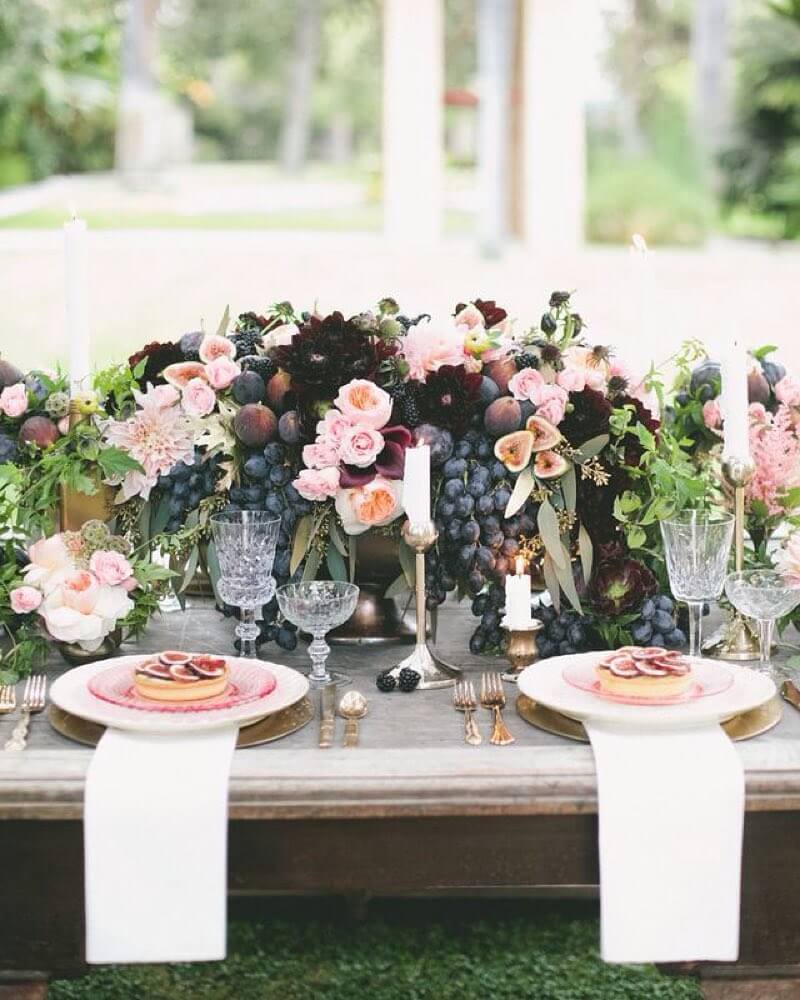
Begin with a beautifully restrained palette and let texture do the talking. A neutral tablescape—think linen, stone, taupe, and ivory—creates a timeless foundation for any wedding style, from modern minimal to rustic chic. Choose a natural, slubby tablecloth or runner, then build upward with tactile layers: raw-edged napkins, matte stoneware plates, and sand-hued charger plates. Add warmth through tonal variations—putty menus, parchment place cards, and bleached wood table numbers—so the table reads rich, not flat. For florals, keep it airy: creamy roses, toffee-toned blooms, and fluttery grasses arranged with negative space. A few bud vases soften the line without crowding place settings. Finish with pale tapers in ceramic holders and clear glass tealights to bring low, flattering glow. This approach photographs effortlessly because everything tones together; there’s no single element fighting for attention, just a cohesive, calm elegance. It’s also budget-friendly, because you can rent classic neutrals and invest in one or two tactile upgrades—like a specialty linen or sculptural napkin ring—that instantly elevate the whole look.
Statement Centerpieces That Don’t Block the View
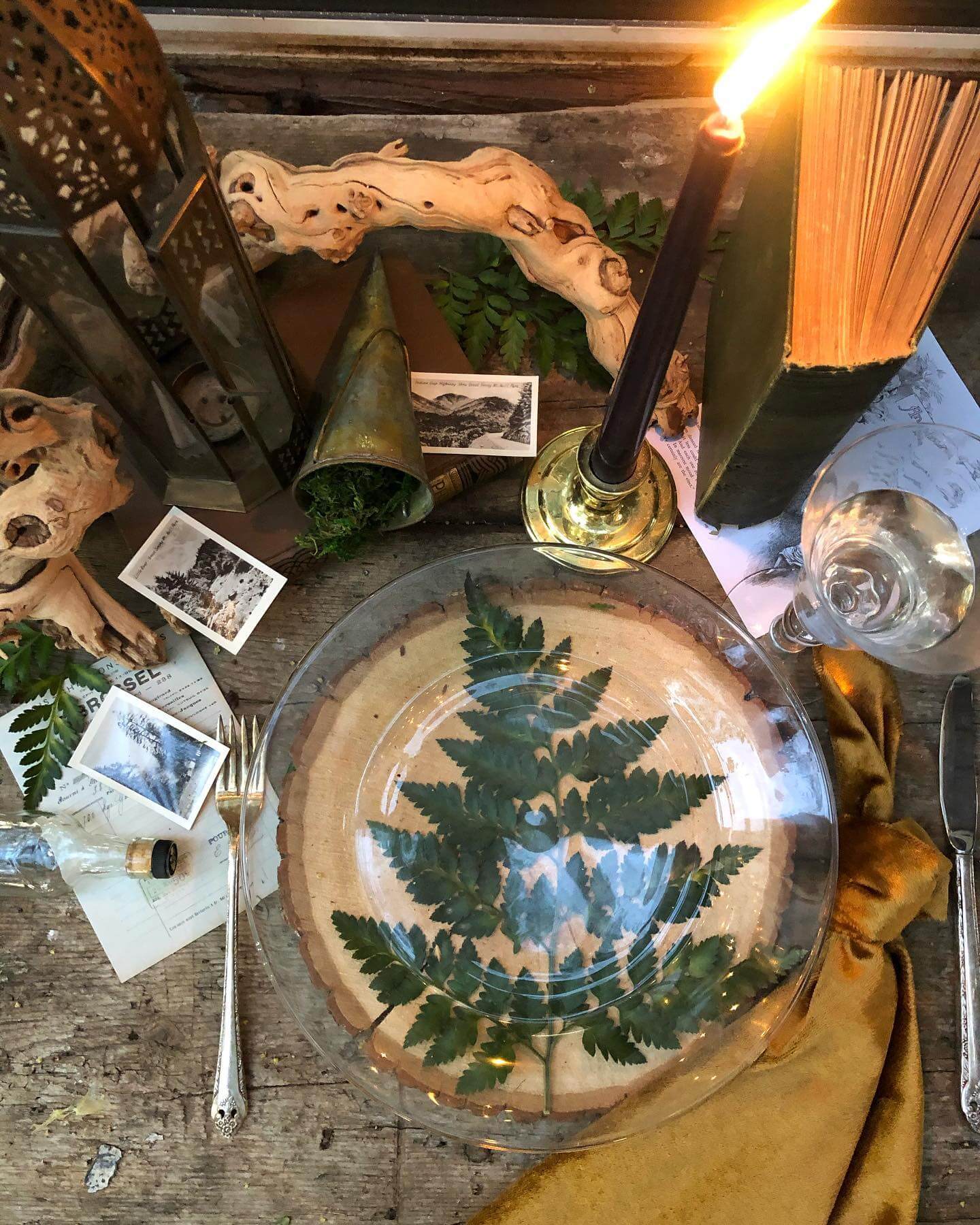
Guests remember conversation as much as décor, so prioritize sightlines with centerpieces that feel lush yet light. Low, footed compotes with asymmetrical arrangements deliver drama without creating a wall of flowers. Incorporate airy stems—cosmos, sweet pea, butterfly ranunculus—so the design feels garden-grown and photogenic from every angle. If you love height, consider slender open-frame stands or clear risers: they lift florals above eye level while keeping the table visually open. Scatter bud vases or petite posies at the base to connect the centerpiece to the place settings. Balance the floral volume with negative space; let your chargers, menus, and glassware breathe. The result is a sculptural focal point that anchors the tablescape and still lets guests clink glasses across the table. Pro tip: mirror your centerpiece shape in your table number and menu typography—soft, organic type for loose florals; crisp, modern fonts for structured designs—so the whole tablescape reads intentionally designed, not just decorated.
Candlelight, Three Ways: Designing a Firelit Table
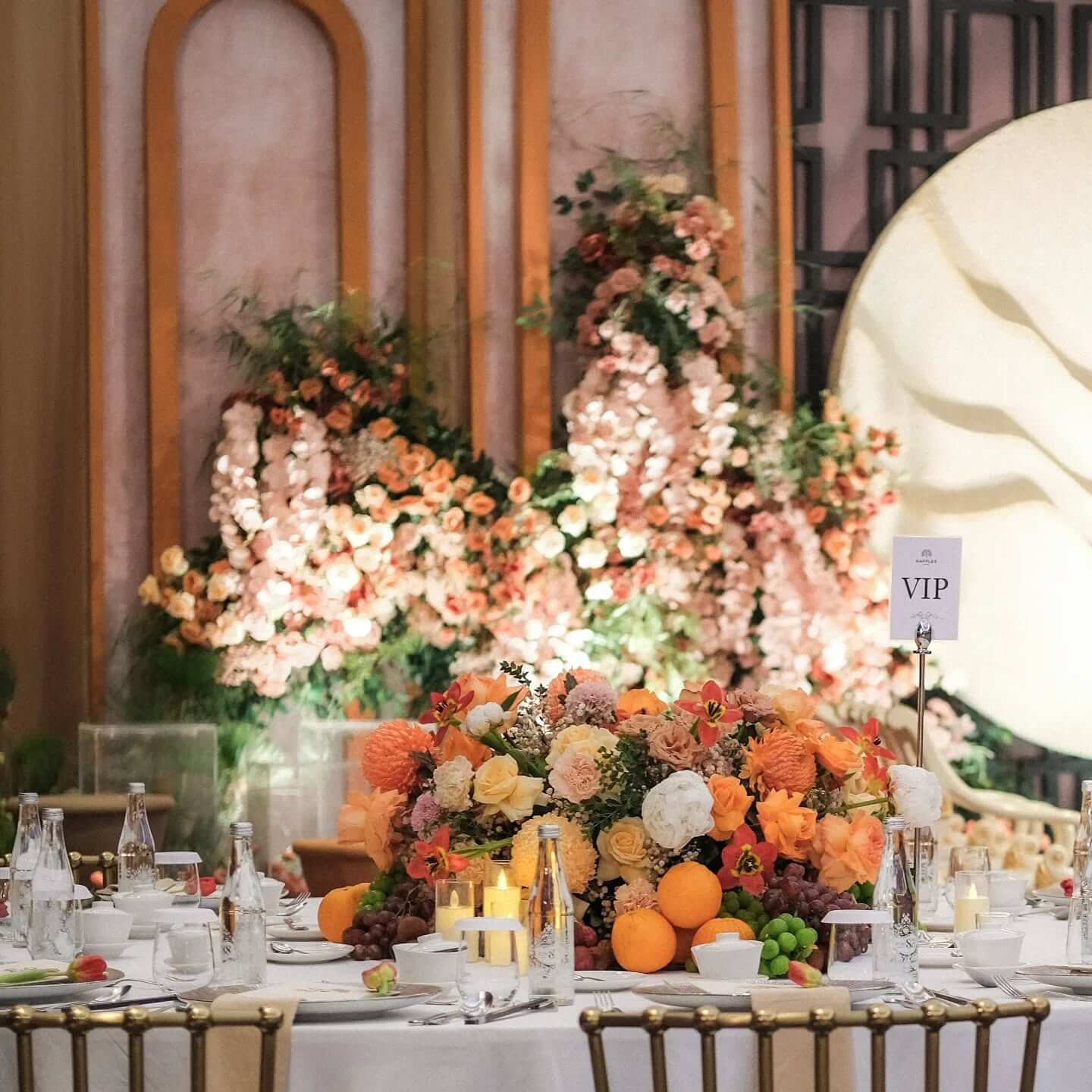
Nothing elevates wedding table decorations like layered candlelight. Mix three forms for depth and dimension: tapered candles for height, low tealights for sparkle, and medium-height pillars to bridge the gap. Vary holder materials—glass hurricanes, brushed brass, and stone—to create a curated, collected feel. Keep candle colors within your palette: ivory for classic, blush or latte for romantic warmth, or black and smoke for modern mood. Safety and sparkle can coexist: use hurricanes or glass sleeves outdoors to protect flames, and choose unscented candles so fragrance doesn’t compete with dinner. Cluster candles in odd numbers and intersperse them between place settings so the glow falls on faces, flatware, and menus. If your venue restricts open flame, invest in high-quality LED tapers; the newest models have a lifelike flicker and pair beautifully with frosted holders. The bonus? Candlelight makes glassware gleam and linens look richer—an easy, cost-effective way to make every photo feel cinematic.
The Greenery Runner 2.0: Airy, Organic, Elevated
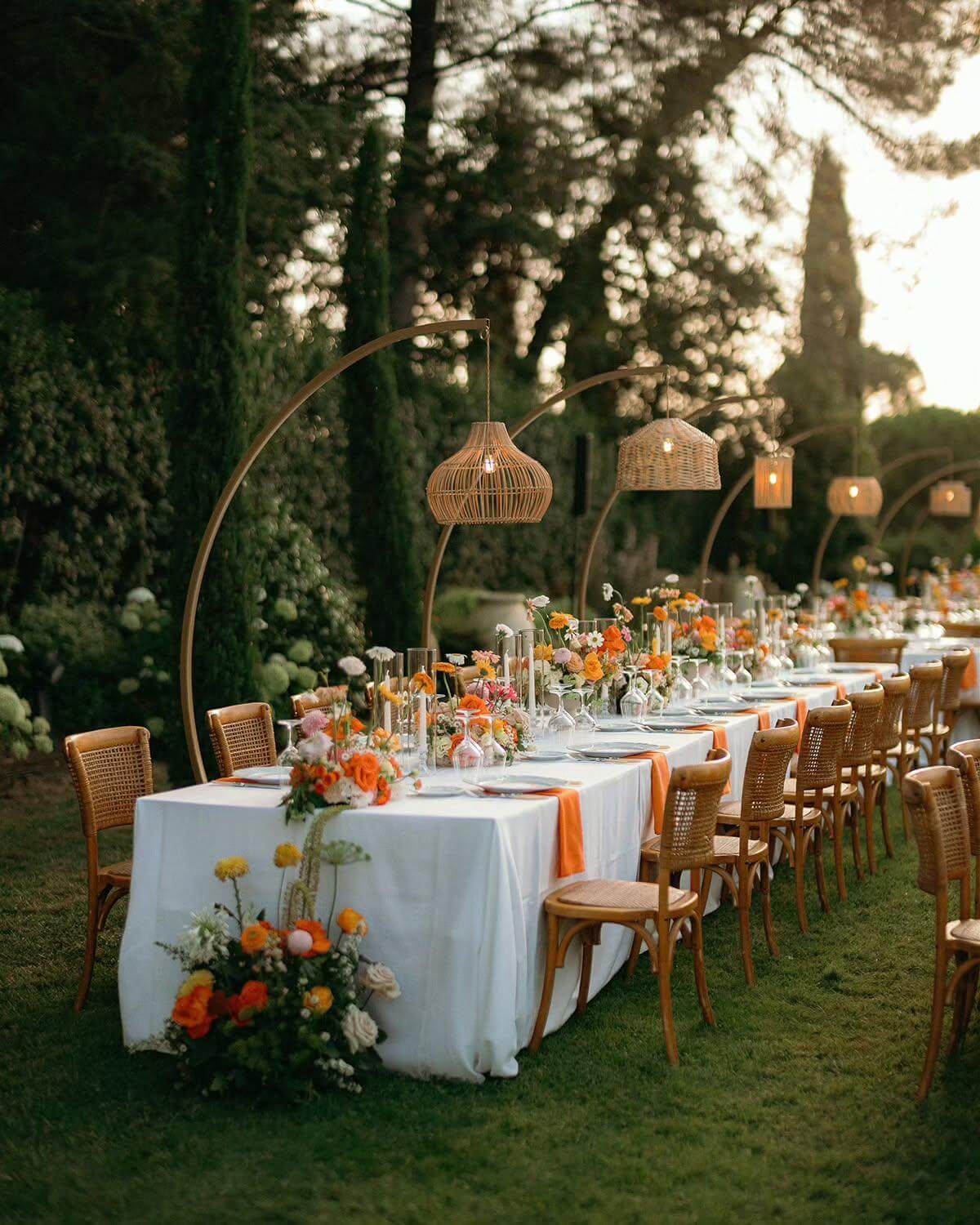
Greenery runners are back—lighter, looser, and more textural. Instead of a heavy garland, think meadow-style: a low, organic line punctuated with petite blooms that looks freshly gathered. Mix layered foliage (ruskus, olive, and soft fern) with delicate flowers (lisianthus, garden spray roses) placed with intention, leaving glimpses of linen visible so the table doesn’t feel swallowed. Tuck in herbs like rosemary or bay for a subtle, elegant fragrance, and add seasonal fruit—figs, pears, citrus—for color and dimension. This style is budget-savvy and sustainable, using fewer stems while delivering a generous visual impact. Pair with simple place settings—neutral chargers, linen napkins in a soft knot, and a minimal menu card slipped beneath—to let the runner read as the star. Finish with staggered tapers along the length to elongate the table in photos. The effect is fresh, romantic, and infinitely adaptable to garden, vineyard, or coastal venues.
Color as a Hero: Monochrome Tables That Photograph Flawlessly
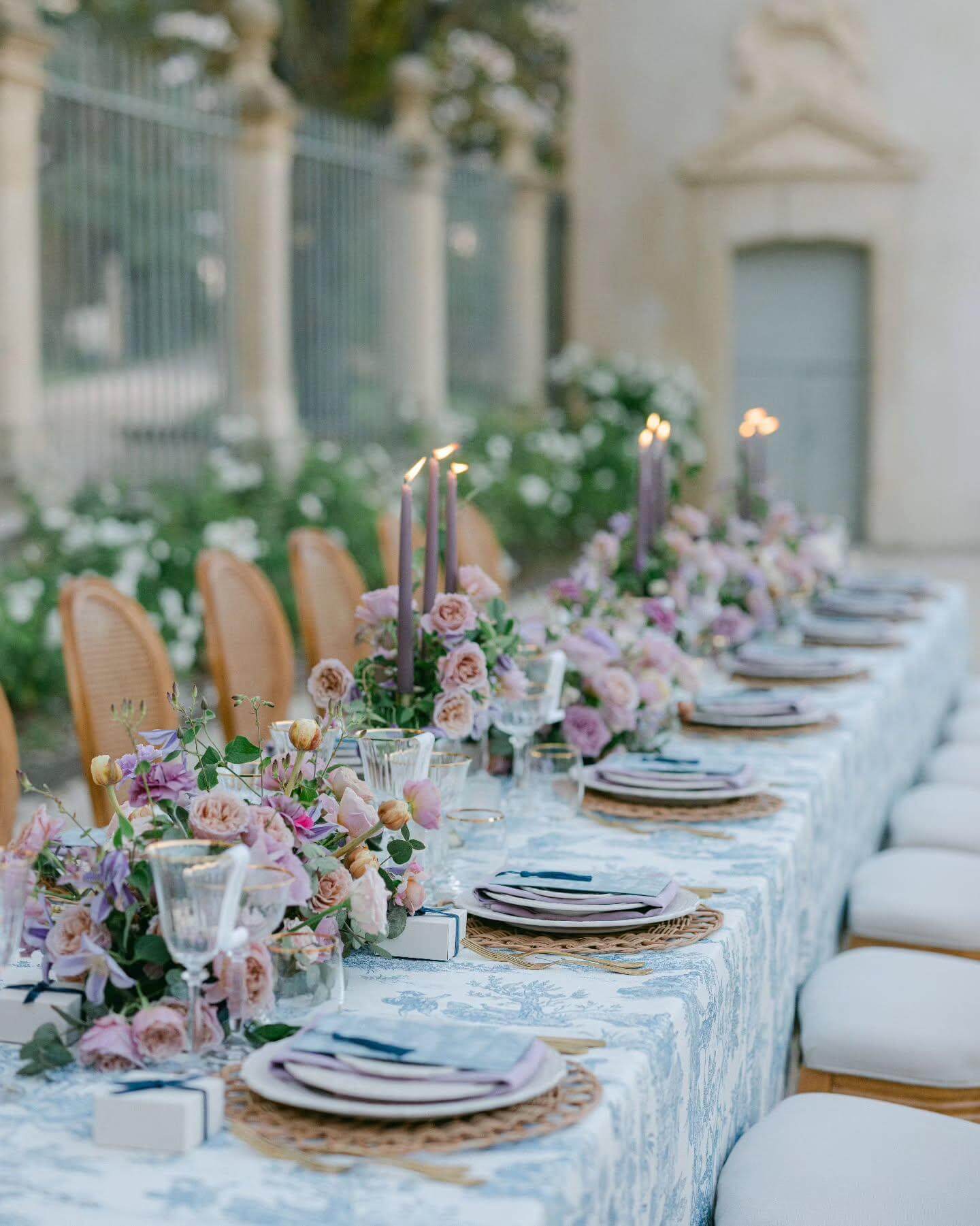
If you crave impact, commit to a single hue and explore its full spectrum. A monochrome tablescape—sage to deep emerald, dusty rose to berry, cornflower to navy—looks polished and editorial in photos. Start with a base linen close to your mid-tone, then layer variations through napkins, taper candles, and water goblets. Select florals within the palette but vary texture and shape for depth: ruffled blooms, airy spikes, and round focal flowers. Ground the look with a neutral plate stack (white or stone) and metallic flatware so color stays chic, not chaotic. For stationery, use tonal ink on matte or handmade paper; a blind-debossed menu or vellum overlay adds dimension without introducing new colors. Keep vessels and candleholders consistent to avoid visual noise. This approach is perfect for couples who want a strong brand moment—from escort cards to dance floor—because it’s both cohesive and memorable.
Tall Arrangements, Light Footprint: Elevated Florals Done Right
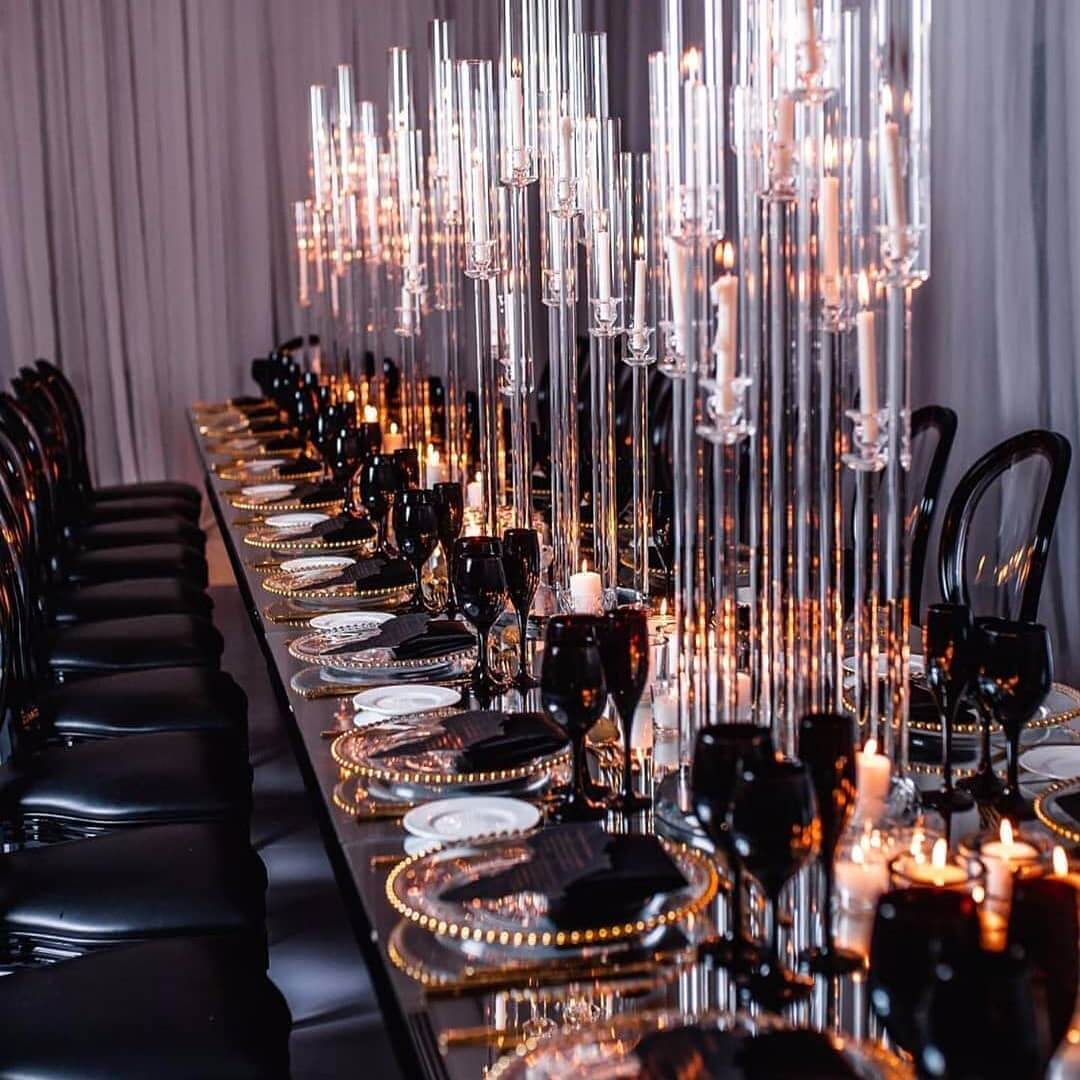
Yes to drama; no to clutter. Elevated centerpieces on slim stands create a floating canopy of blooms while leaving the tabletop free for place settings, candles, and conversation. Choose thin, open-frame bases in matte black, polished brass, or clear acrylic to suit your style. Design the florals as a soft cloud—mixing greenery, airy stems, and a few hero blooms—so the look feels weightless rather than dense. Echo the verticality with taper candles and column vases at table level for a cohesive silhouette. This is especially effective in high-ceiling venues or tents, where height helps define the space. For balance, keep table details streamlined: stacked plates, a clean napkin fold, and a single striking menu. The result is a modern, editorial tablescape that still feels welcoming and conversation-friendly—perfect when you want the wow factor without sacrificing function.
Stationery as Decor: Menus, Place Cards, and Napkin Magic
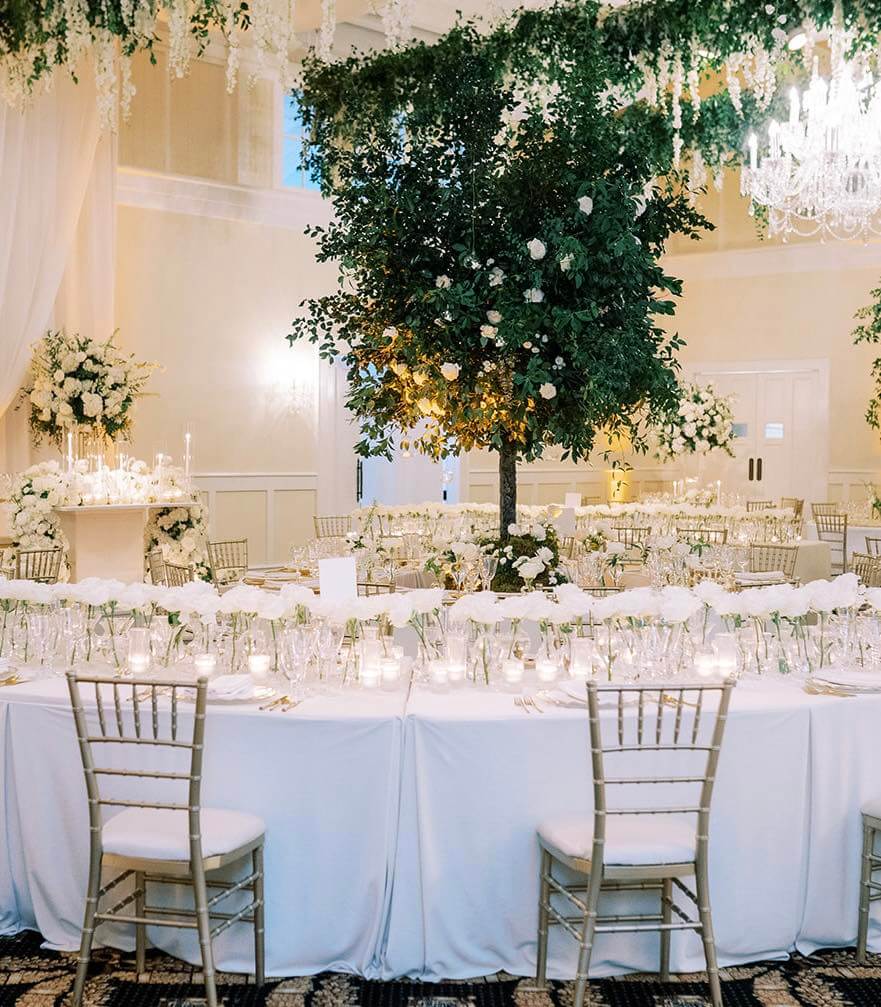
Your paper goods can do more than inform—they can style the table. Consider a menu that doubles as a place card with a name printed prominently at the top, or layer a petite place card over a full-size menu with a wax seal or velvet ribbon. Napkins offer endless styling possibilities: drape them over the charger’s edge, tie a soft knot, or wrap them around the menu with a slim belly band. Choose typography that matches your floral mood (organic scripts for garden, modern sans-serif for minimal) and keep ink colors within your palette. Materials matter: handmade paper, letterpress impressions, or a translucent vellum overlay instantly feel elevated. Add a small sprig of herbs or a single bloom at each setting to bridge stationery and centerpieces. These details signal thoughtfulness, guide guests to their seats, and make every place setting feel considered—small touches that pay big dividends in photos.
Chic Contrast: Mixed Metals and Modern Accents
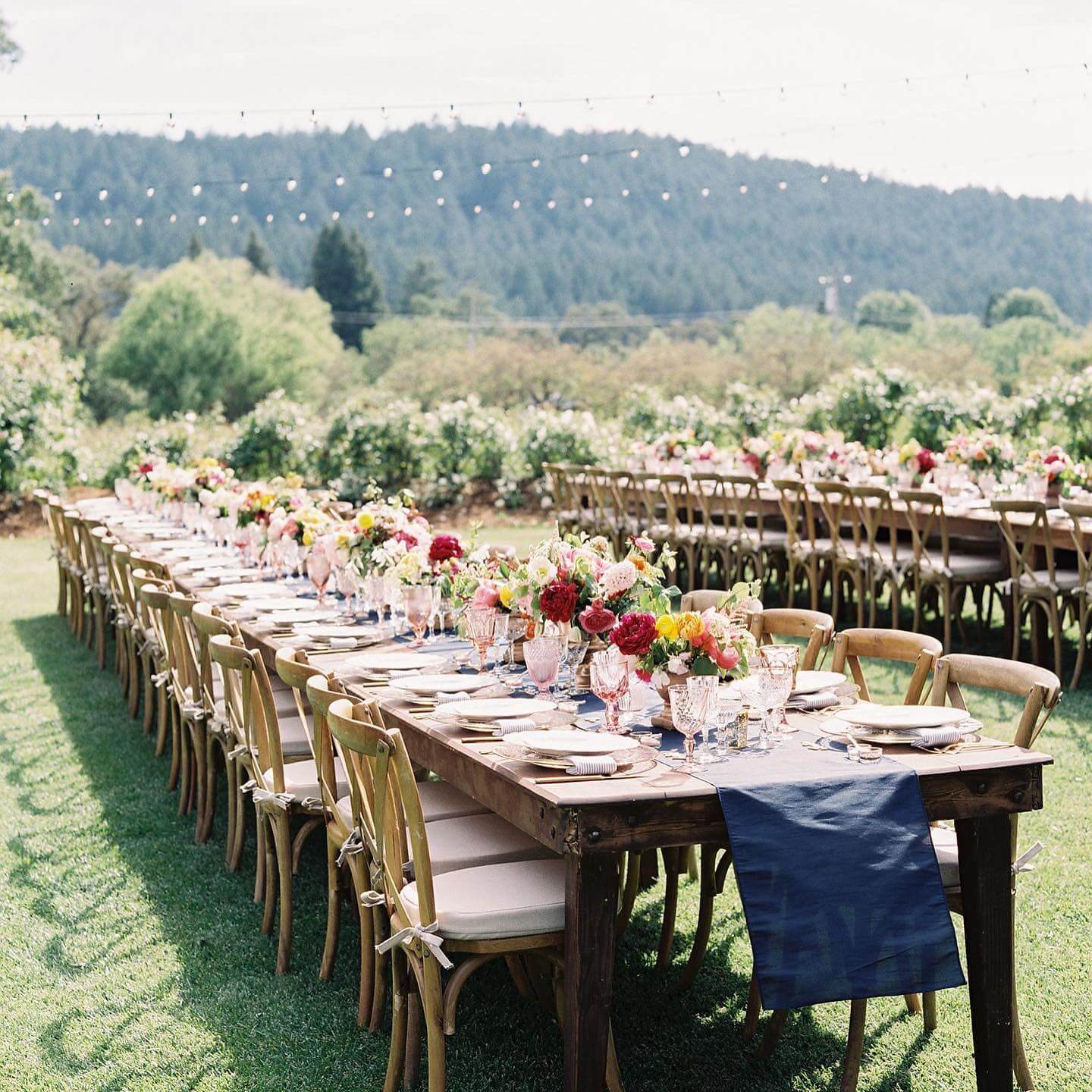
A sophisticated tablescape often comes down to contrast—light and dark, matte and shine. Mix metals intentionally for polish: pair warm brass candlesticks with champagne flatware, then introduce a hint of matte black through napkin rings, menu clips, or minimalist stands. The key is restraint—anchor the table with one dominant finish and repeat it consistently, using a secondary accent sparingly. Clear glassware and neutral plates keep the look elevated, while a textured linen prevents the scheme from feeling stark. If your venue is industrial or modern, this balance of gleam and grit sings; in a garden space, it adds a chic counterpoint to soft florals. Finish with refined table numbers—acrylic with serif type or metal frames—to echo your metallic choices. The overall effect is editorial and timeless, proving you can be both romantic and modern in the same breath.
Minimalist Tables, Maximum Romance
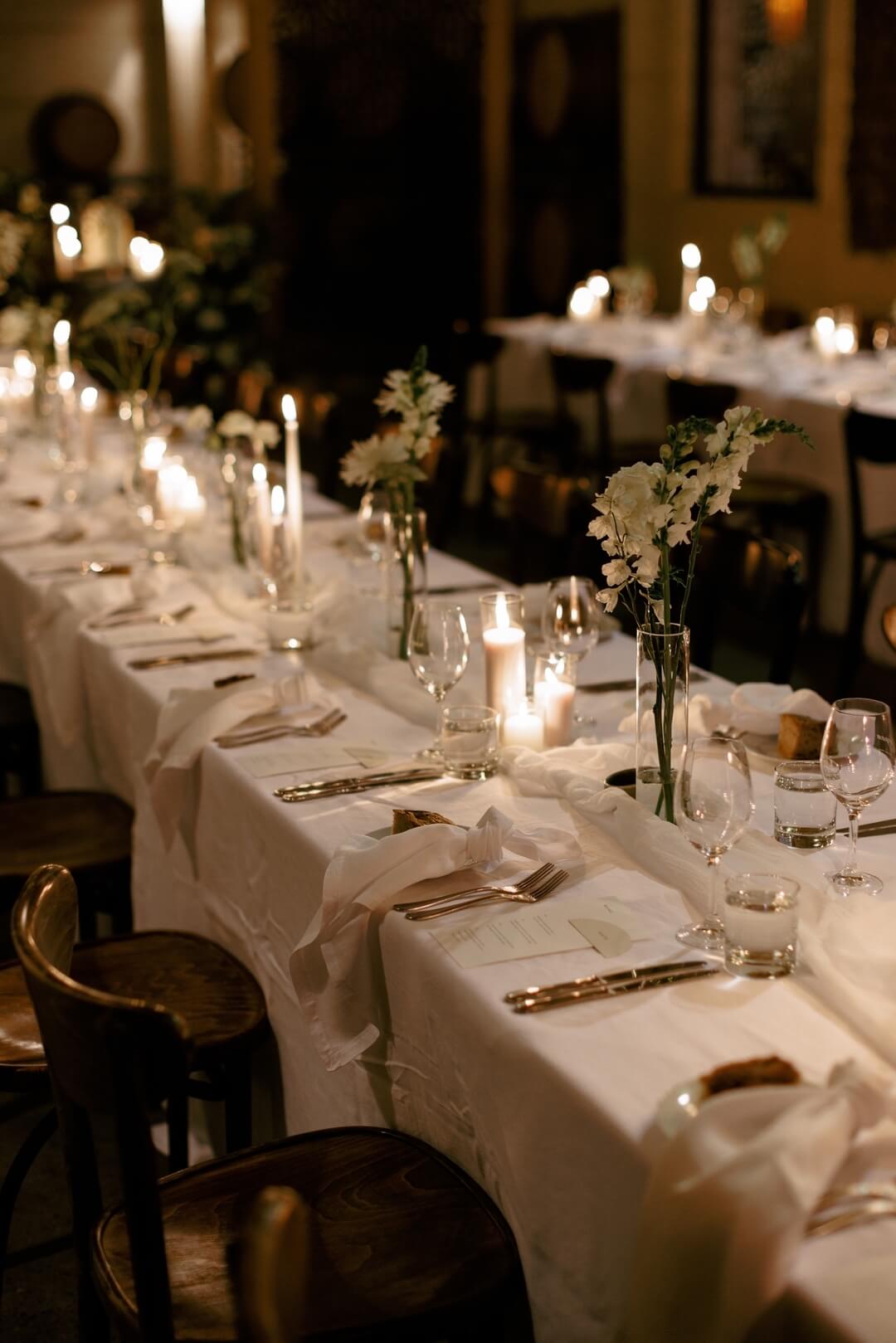
Minimal doesn’t mean sparse—it means intentional. Start with a clean linen (or a beautifully bare wood table) and a streamlined plate stack. Introduce romance through scale and spacing: a few sculptural bud vases with delicate stems, slender tapers in matching holders, and generous negative space around each setting. Choose a restricted palette—whites and soft blush, or bone and charcoal—and let form be the focus. Opt for modern ceramics, clear glass, and subtle textures over ornate details. Stationery stays crisp: a single menu per guest with precise typography and an unfussy napkin fold. This approach is ideal for couples who love design-forward simplicity and want the room to feel airy and calm. Bonus: it’s logistically friendly—fewer components to move between ceremony and reception—and ensures every element you do include truly shines.
The Final Glow: Glassware, Ambience, and Tiny Luxuries
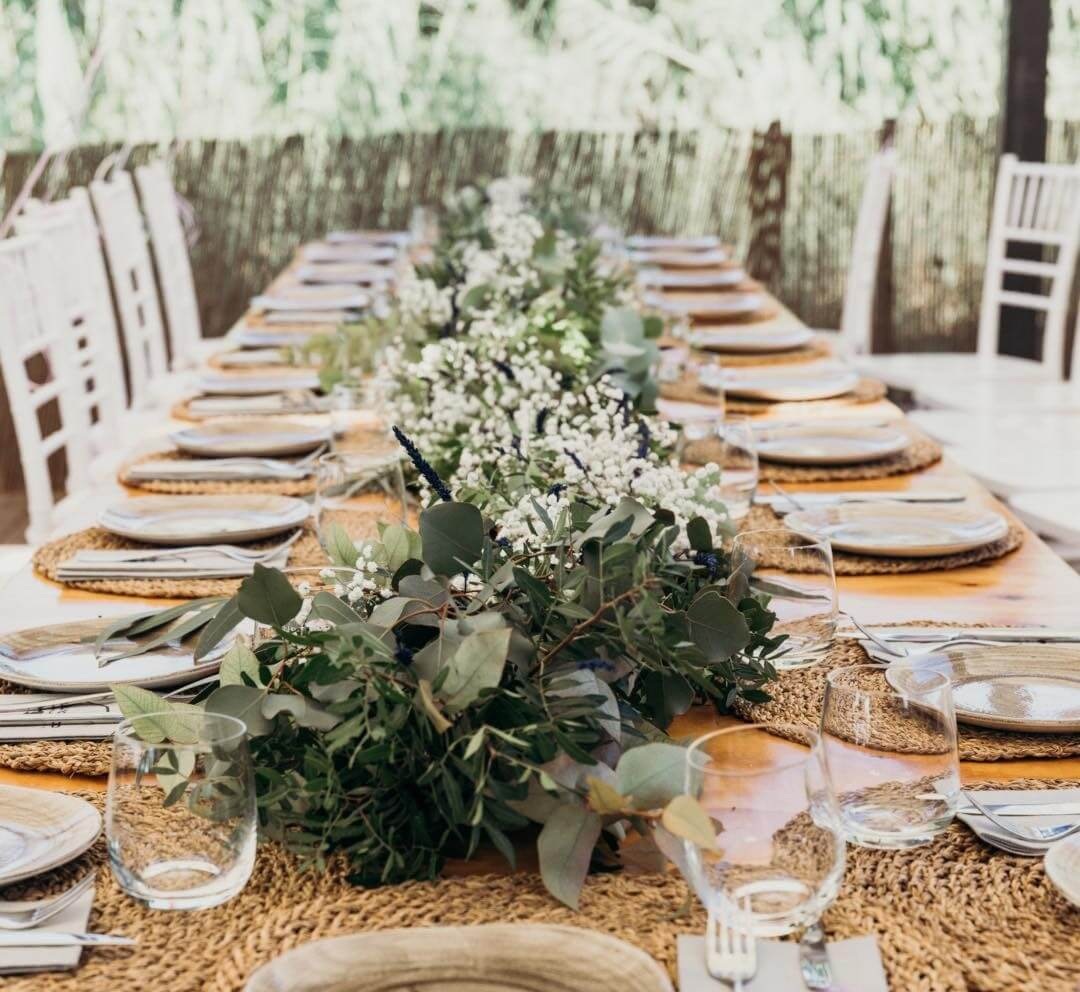
When the sun sets, the right finishing touches keep the tablescape luminous. Amber or smoke-toned glassware adds instant warmth to candlelight, while water in carafes or cut-crystal pitchers catches and reflects glow. Dim the room and let the table be the light source—candles supported by discreet pinspots or bistro strands overhead. Edit your tabletop to avoid clutter: decant salts into petite cellars, place butter on shared boards, and choose low-profile table numbers that don’t compete with centerpieces. Add tactile comfort with soft chair drapes or a velvet ribbon at napkins. These quiet luxuries won’t shout in person but they sing in photos, creating depth and atmosphere. As guests linger over dessert, the combination of thoughtful lighting, considered glassware, and well-edited details turns your wedding table decorations from pretty to unforgettable—the kind of glow that makes the whole night feel like a dream.
Textured Linens That Make the Tablescape
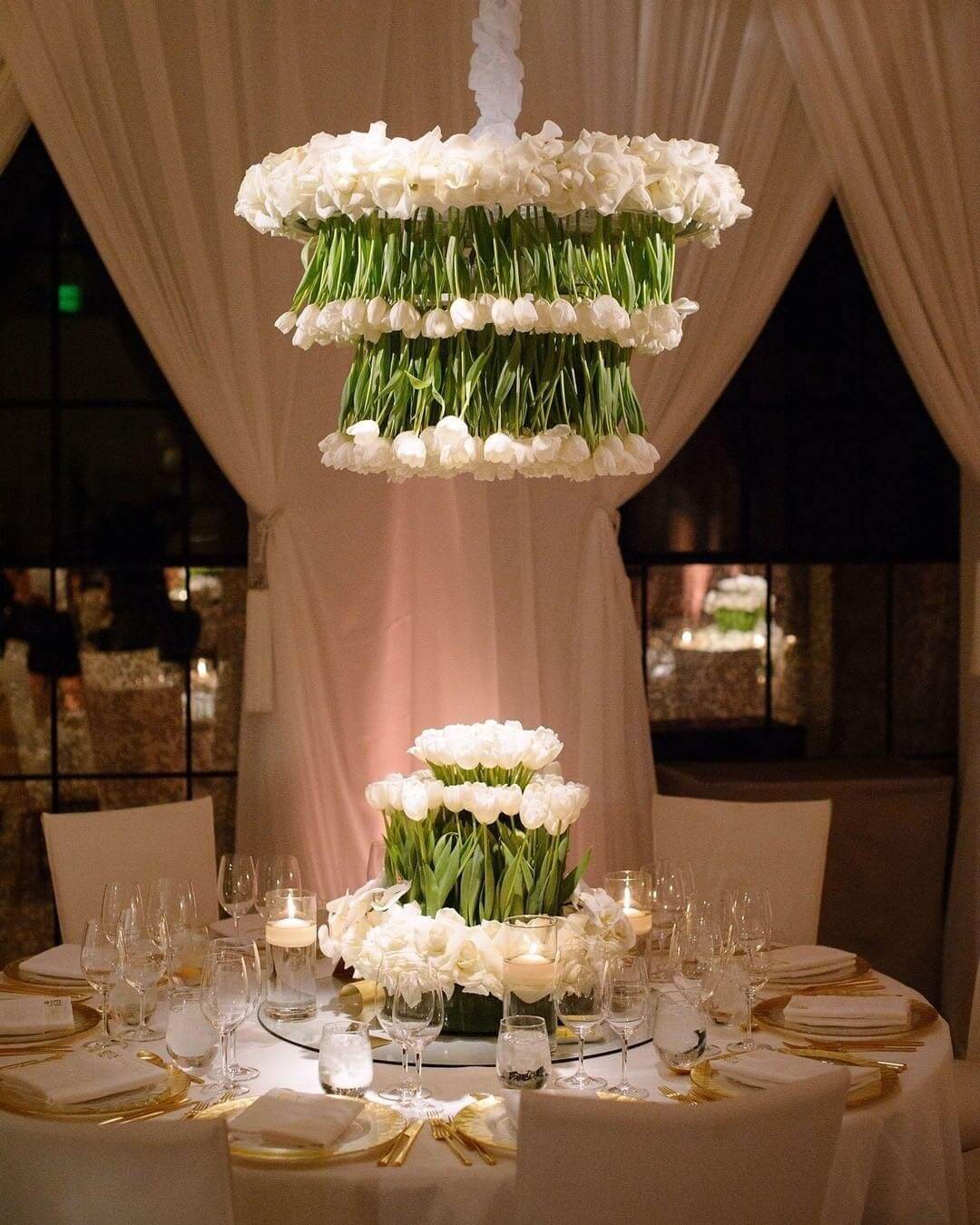
Your linen choice sets the tone before a single flower lands on the table. For wedding table decorations with instant depth, layer textures: a tactile basecloth (think slubby linen or velvet) topped with a gauze runner for movement, then a crisp napkin for polish. Subtle sheen catches candlelight, while matte weaves read modern and photo beautifully in daylight. Pick one hero texture and let the rest support it—velvet with stonewashed napkins; raw linen with silk ribbon ties. Always order swatches and test under venue lighting to avoid color surprises. On long tables, create rhythm by alternating runner widths or tying ends with soft knots for a relaxed, editorial finish. Steaming on site and proper floor-length drops keep the look elevated. The result is a layered wedding tablescape that feels intentional and cohesive, even before florals and glassware arrive.
Charger Plates That Frame the Story
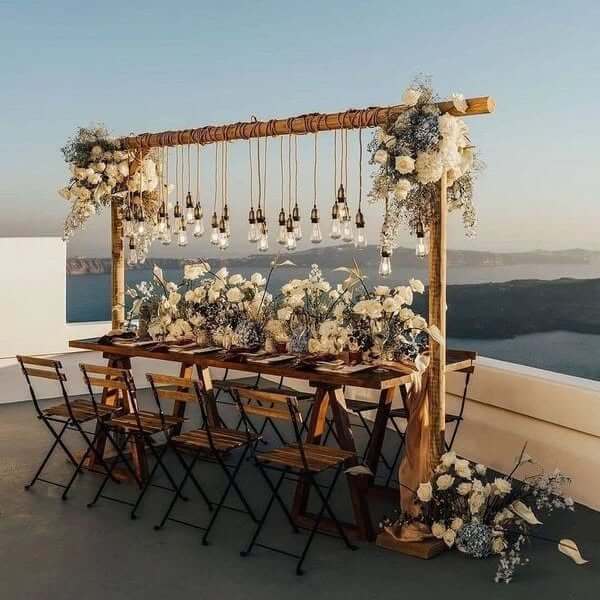
Chargers are the picture frame of your place setting—they anchor the palette and make everything feel finished. For romantic garden weddings, woven rattan or scalloped ceramic adds warmth; for modern minimal, choose matte porcelain or clear glass with a slim rim. Gold- or black-rimmed styles deliver crisp contrast, while stone or marble looks bring organic gravitas. Keep scale in mind: oversized chargers can crowd glassware on narrow banquet tables. If you’re mixing patterns elsewhere (printed linens, ornate menus), opt for a simple charger to avoid visual noise. Want budget impact? Use chargers at every other setting or just for head tables to prioritize photo moments. Coordinate edge details with flatware and candleholders to knit the whole tablescape together. When guests sit, chargers should stay put as courses change—so they’ll keep your design intact from first toast to dessert.
Fruit-Forward Centerpieces for Color and Scent
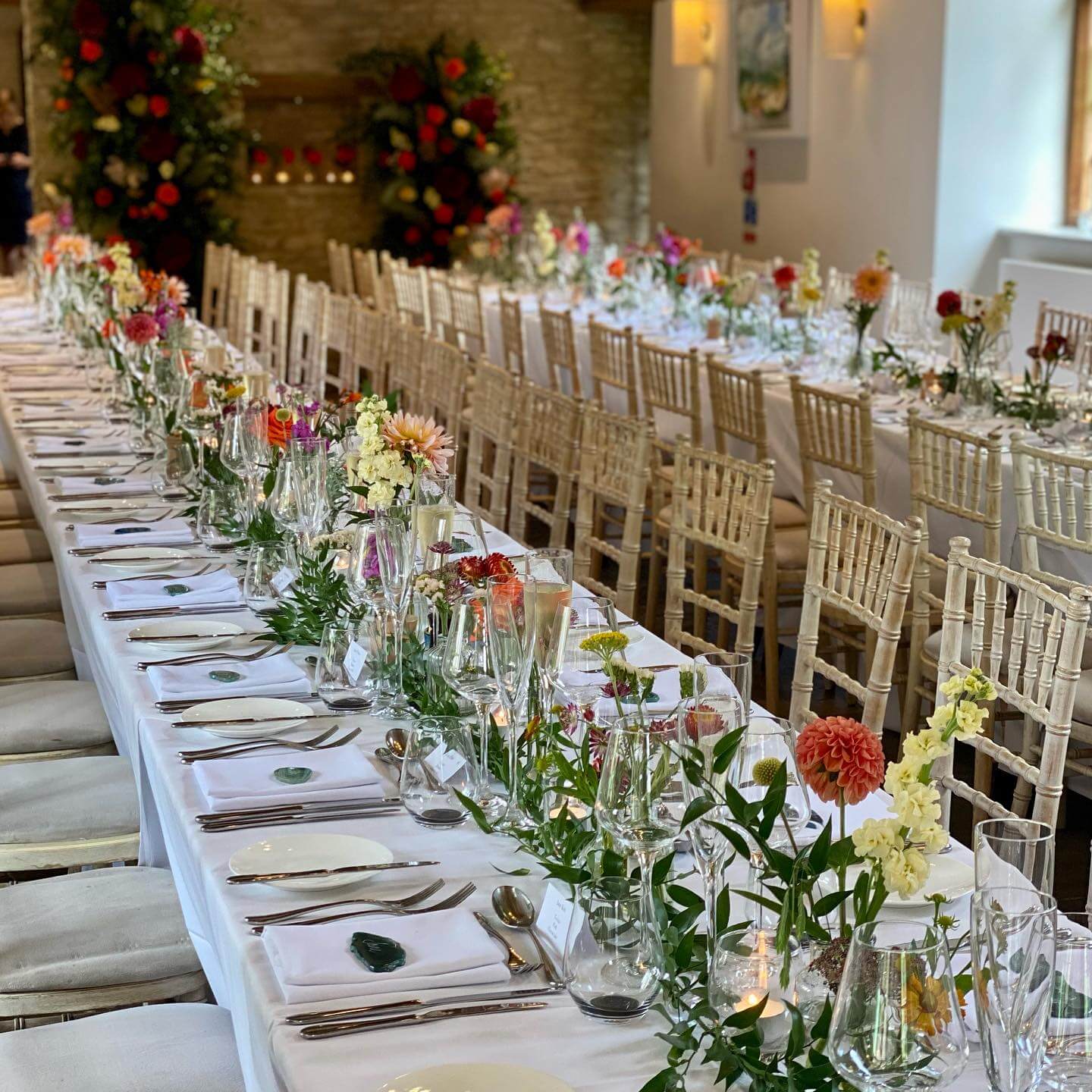
Edible elements make wedding table decorations feel abundant—and they’re surprisingly cost-effective. Think Tuscan citrus in footed bowls, figs tucked beside taper clusters, or ruby pomegranates scattered through greenery. Fruit supplies saturated color that reads beautifully on camera and supports seasonal storytelling without overwhelming the table. Pair it with loose, garden-style florals: citrus with chamomile and jasmine; stone fruit with dahlias and vines; berries with roses and herbs. Elevate with compotes, cake stands, or terracotta for height variation, and keep slices to a minimum to avoid sticky surfaces. Favor sturdy fruit that can sit at room temperature and won’t stain linens. As a sustainable touch, invite guests to take a piece on the way to the dance floor—an interactive moment that keeps the tablescape dynamic. The blend of flora and fruit brings a lush, old-world mood to even the simplest place settings.
Bud Vase Meadows: Airy Blooms with Breathing Room
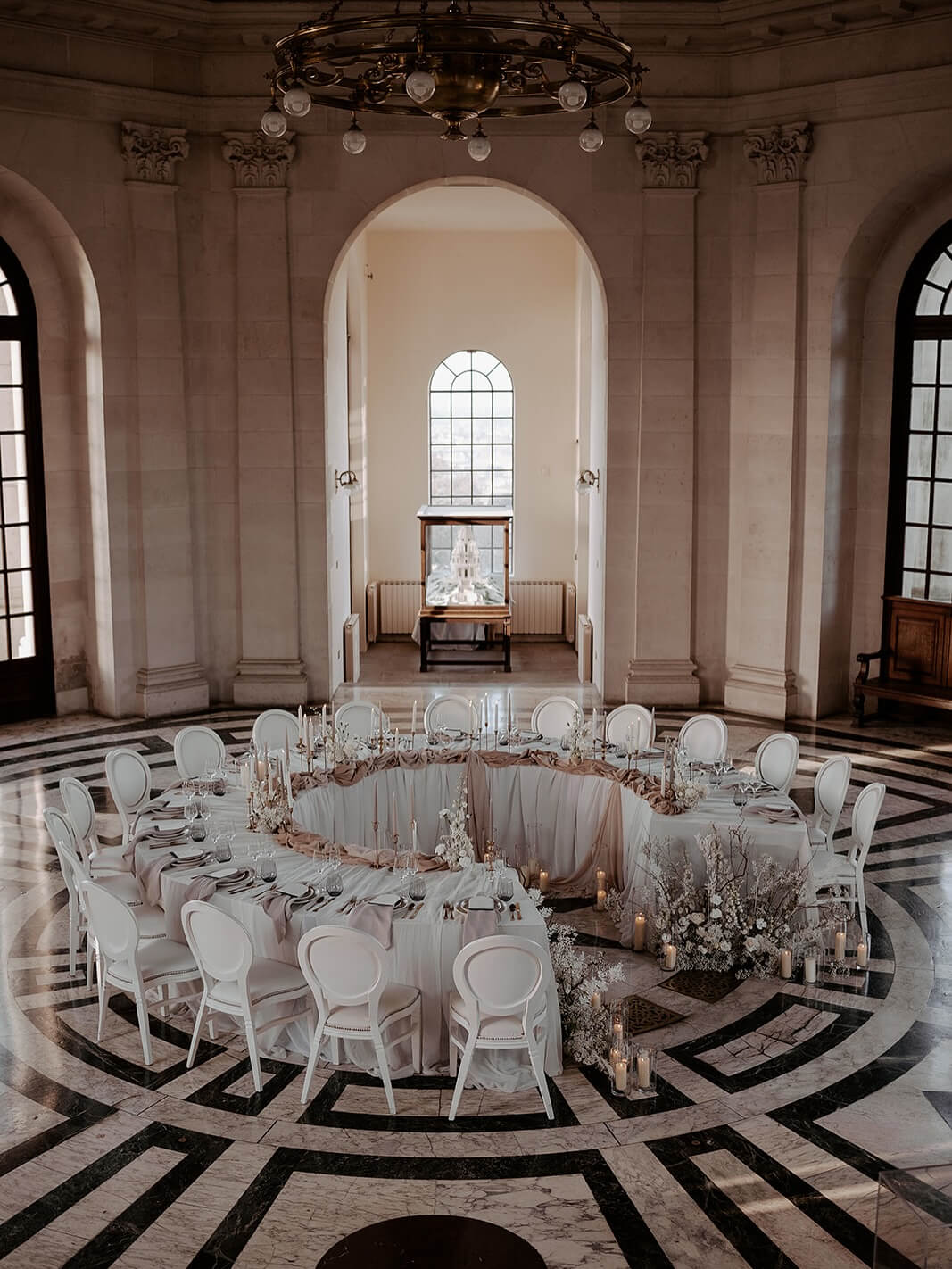
If you want conversation-friendly centerpieces with an editorial look, build a “meadow” from bud vases. Cluster stems in varying heights—some airy, some textural, some focal—to create movement down the table without a solid wall of flowers. Using more vessels with fewer premium blooms stretches the budget and enhances negative space, a hallmark of modern wedding table decorations. Stick to a tight palette for cohesion, and repeat hero blooms every two to three vases to guide the eye. Interlace taper candles or petite pillars between clusters for dimension, and leave intentional gaps for glassware and bread plates so the layout feels generous, not crowded. On long tables, serpentine the vases to mimic a natural flow; on rounds, create a triangle or ring to keep sightlines clear. The result is light, romantic, and highly photogenic from every angle.
Tableside Lamps with Soft Shades
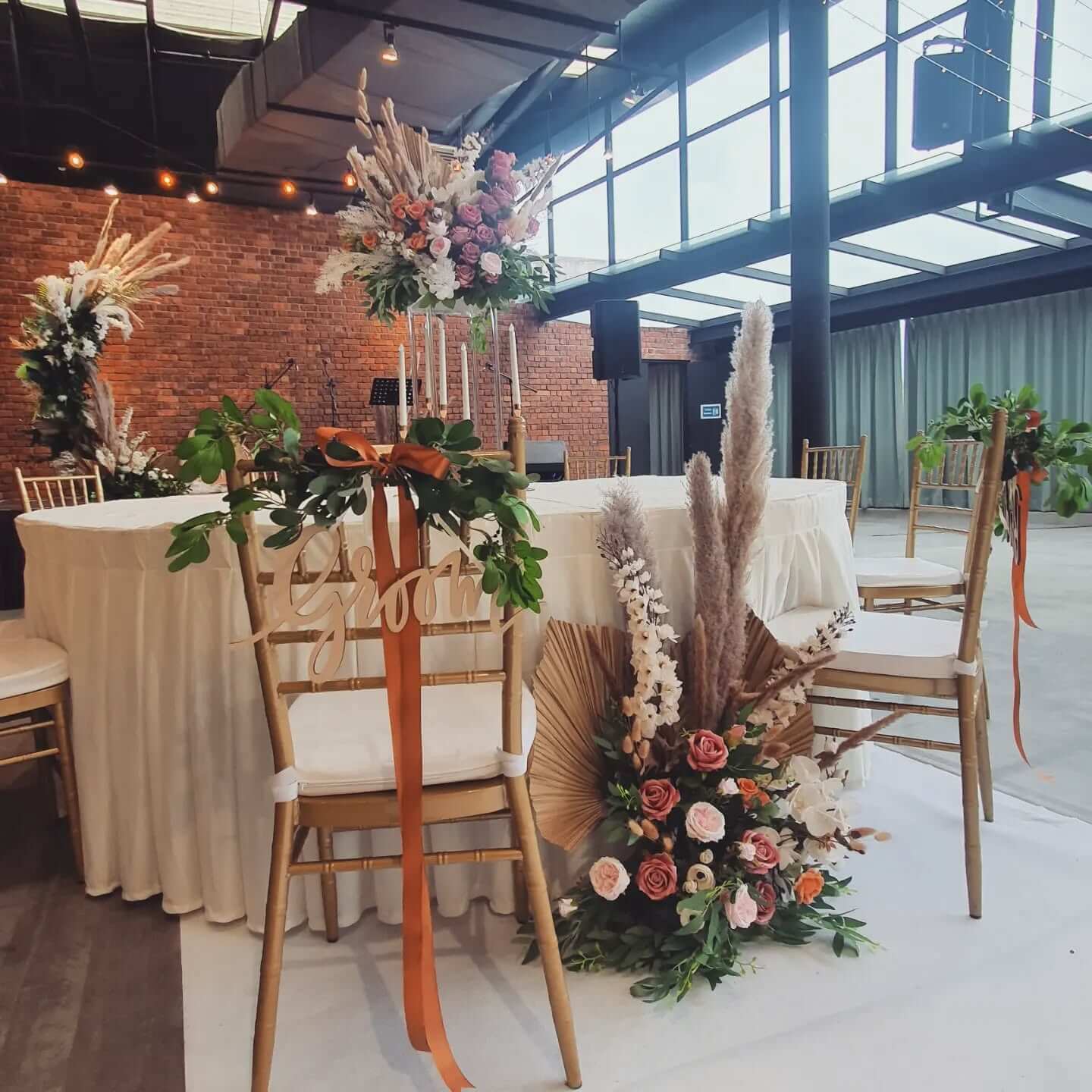
Add a modern glow to your wedding tablescape with petite rechargeable lamps. They deliver candlelike intimacy without wax drips or wind stress—perfect for outdoor venues and late-night endurance. Pleated, linen, or frosted shades diffuse light and flatter skin tones, while metal bases echo your flatware and frame chargers. Use lamps in pairs or trios down long tables to create rhythm, and mix them with low votives for layered illumination. Warm color temperatures (2200–2700K) photograph beautifully; cool white can feel clinical. Confirm lamp height so shades don’t block conversation, and coordinate charging logistics with your planner and venue. For a romantic garden mood, choose fabric shades; for sleek minimalism, go bare dome or opal glass. The subtle glow elevates menus, glassware, and florals—proving that lighting is as integral to wedding table decorations as blooms and linens.
Pattern Play: Printed Linens Done Right
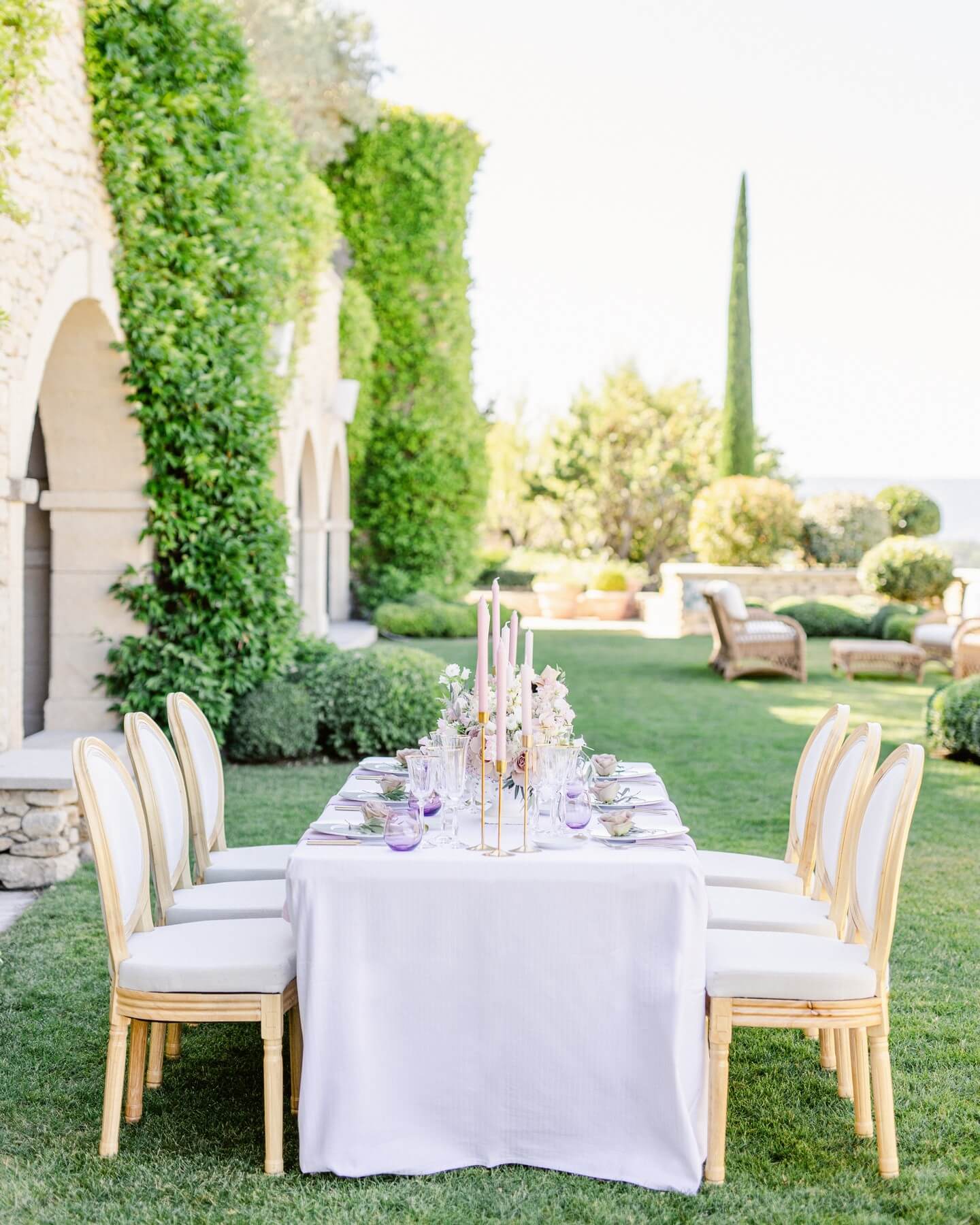
Printed linens can carry your entire design when handled with restraint. Start with scale: large, painterly florals feel romantic and read well in wide shots; narrow stripes or micro-checks give a tailored, European vibe. Keep place settings simple—solid chargers, clean plates, and minimal napkin folds—so the pattern remains the hero. Pull two colors from the print for flowers and candles to avoid clashing. If you love pattern but fear overload, try runners or layered napkins on solid cloths, or reserve prints for head tables and cake displays. Coordinate stationery—menus, table numbers—with a complementary motif or a single border stripe for cohesion. Photographically, patterns add energy and hide minor spills, making them practical as well as chic. Done thoughtfully, pattern becomes a signature that threads through your wedding table decorations without overpowering the room.
Sculptural Table Numbers and Place Markers
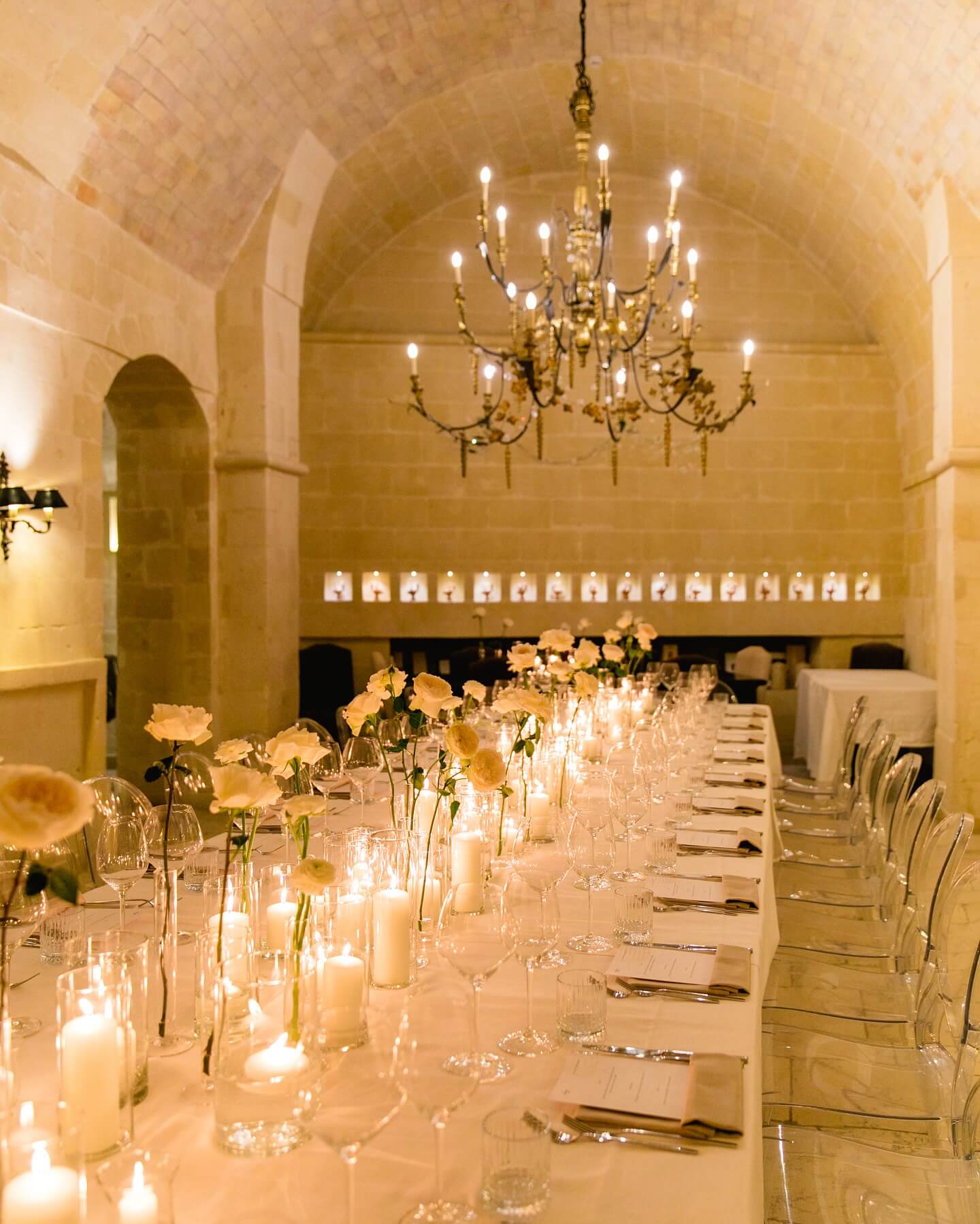
Elevate function into art with table numbers and name markers that double as decor. Consider freestanding metal numerals, ceramic tiles, etched acrylic, or stone slabs that echo your centerpiece vessels. The key is legibility—contrasting type and adequate size—balanced with sculptural interest. Low-profile pieces keep sightlines clear; taller forms can perch amid florals if they’re minimal and stable. Tie materials to your tablescape: travertine for Mediterranean moods, smoked acrylic for modern minimal, antique brass for romantic garden. Place cards can become keepsakes—laser-cut names, wax-sealed tags, or hand-painted tiles tucked into napkin folds. Group numbers with candles to create purposeful mini-vignettes rather than visual clutter. When your functional pieces are this considered, the wedding table decorations feel cohesive from greeting to goodbye—and guests find their seats with a smile.
Mediterranean Mood: Olive, Citrus, and Sun-Baked Neutrals
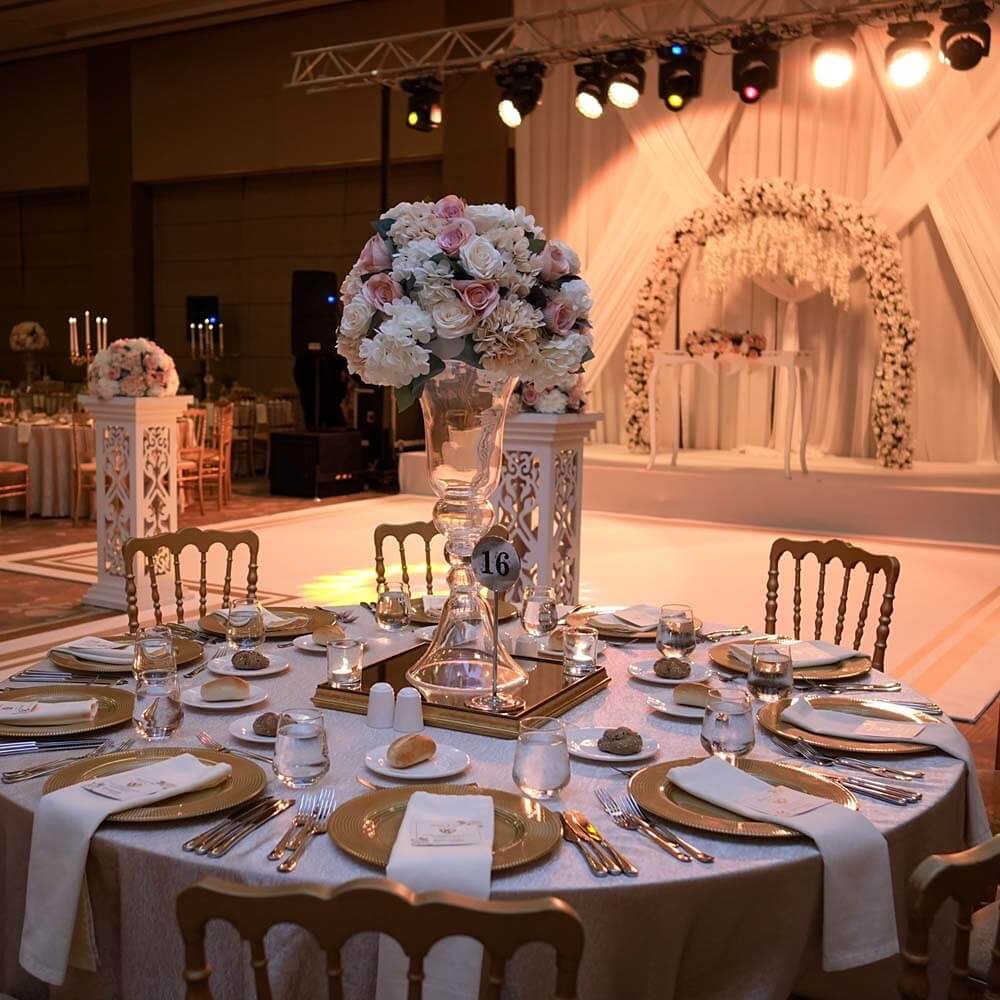
Channel effortless destination vibes with a Mediterranean-inspired tablescape. Start with a stonewashed linen base in sand or oat, then layer terracotta vessels and olive-branch sprigs for texture. Lemons, kumquats, or blood oranges pop against neutral plates and add a subtle, fresh aroma. Use rustic bread boards as shareable centerpieces with olive oil, sea salt, and rosemary—functional decor that invites guests to linger. Patterned tiles as trivets or table numbers nod to Provençal and Tuscan motifs without going theme-y. Keep glassware simple and sunlit—clear goblets or green-tinted coupes—and anchor the look with warm metallic flatware. In the evening, pair honey-toned candles with low lamps to mimic golden-hour light. This approach proves that destination-worthy wedding table decorations can live anywhere when you blend natural materials, honest textures, and a restrained, organic palette.
Hospitality Details: Tiny Luxuries at Every Setting
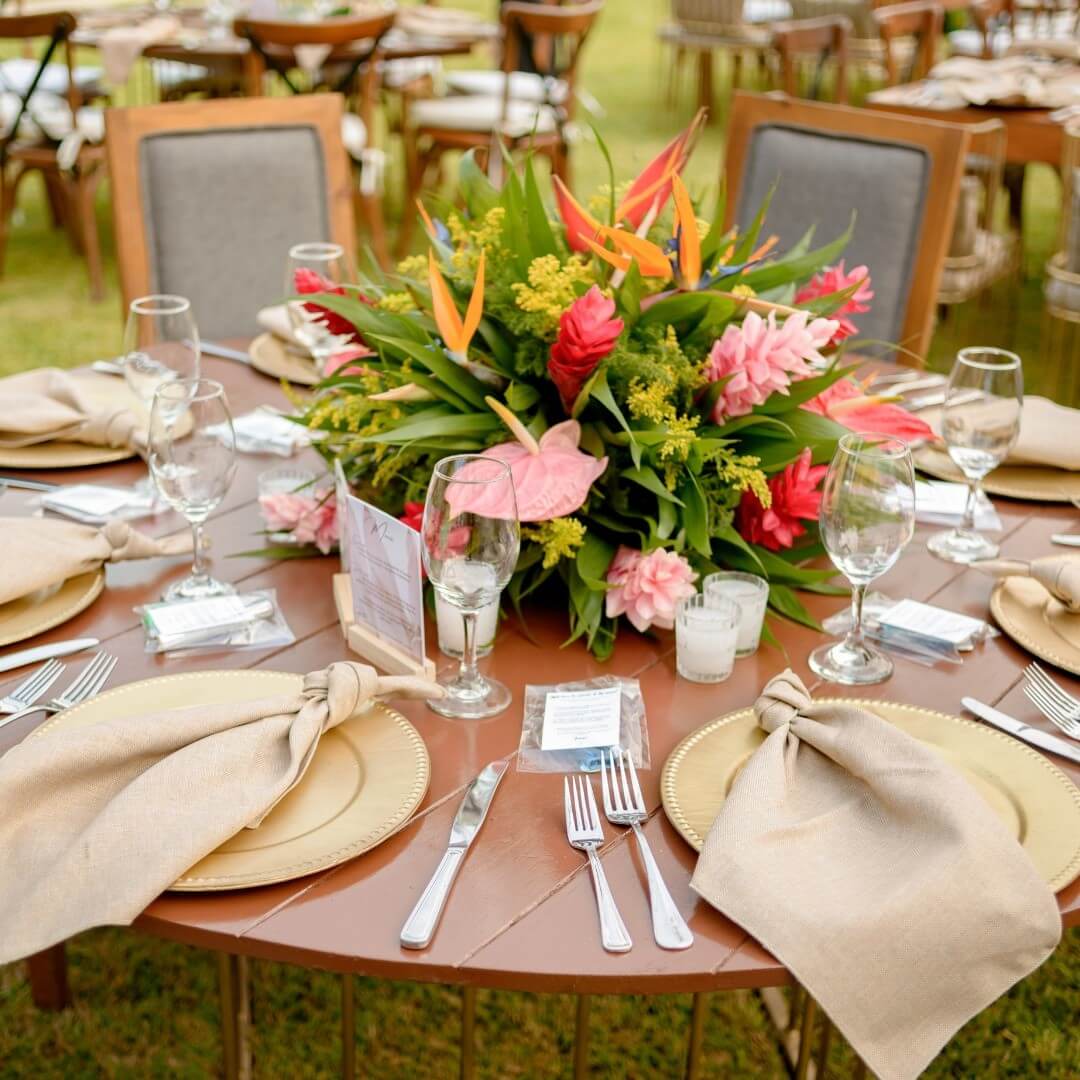
Beyond flowers and linens, it’s the small, thoughtful touches that make guests feel indulged. Individual salt cellars, butter dishes, or herb-garnished water carafes elevate the dining experience and photograph as beautifully as any centerpiece. For family-style service, incorporate petite bread baskets and share plates that match your chargers to keep the look cohesive. Tie menus with ribbon or twine and add a sprig of rosemary or lavender for a subtle sensory moment. If space is tight, choose one hero detail per setting—an embossed napkin, a wax-sealed place card, or a custom coaster that doubles as a favor. Balance hospitality with flow: leave room for glassware, candle clusters, and elbow space so the table feels generous, not crowded. These tiny luxuries transform wedding table decorations from pretty to personal, creating a reception that feels curated and deeply considerate.
Eco-Chic Centerpieces: Potted Blooms and Take-Home Herbs
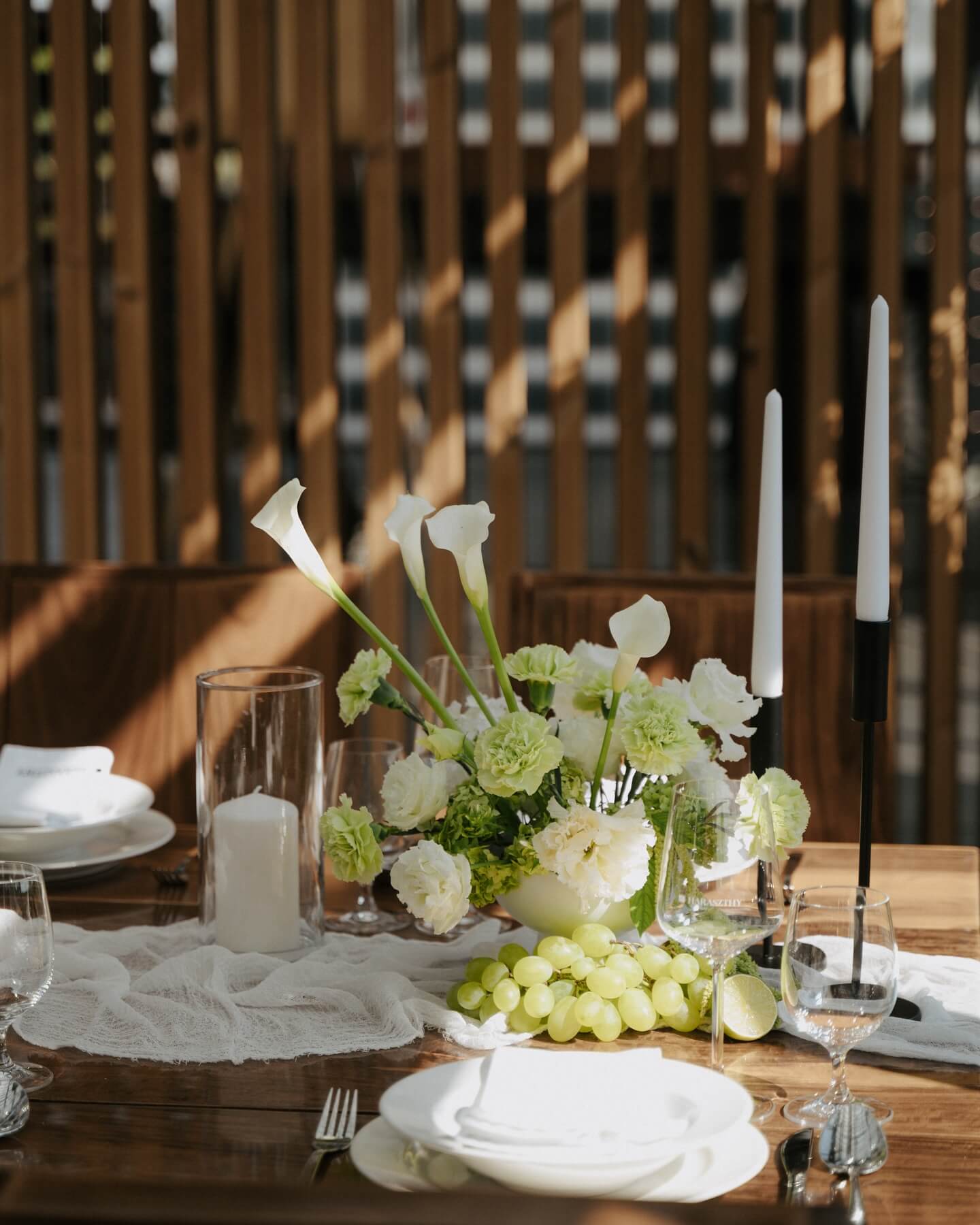
Sustainable styling can be stunning. Replace some cut stems with potted plants—garden roses, herbs, orchids, or seasonal bulbs—in ceramic or terracotta containers. They add life, height, and texture to wedding table decorations and can be gifted to guests or replanted after the celebration. Mix pot sizes for a collected feel and tuck in a few cut blooms to soften edges. Keep scents gentle—thyme, mint, and basil read fresh without overpowering dinner. Label pots with hand-lettered stakes that double as table numbers or favors. For cohesion, wrap pot rims with ribbon or moss and echo tones in chargers and napkins. Potted elements travel well for destination venues and reduce floral waste, all while offering the romantic, garden-forward look couples love. Sustainability, it turns out, looks gorgeous at candlelight.
Mixed-Metal Candlelight: Brass + Black for Modern Warmth
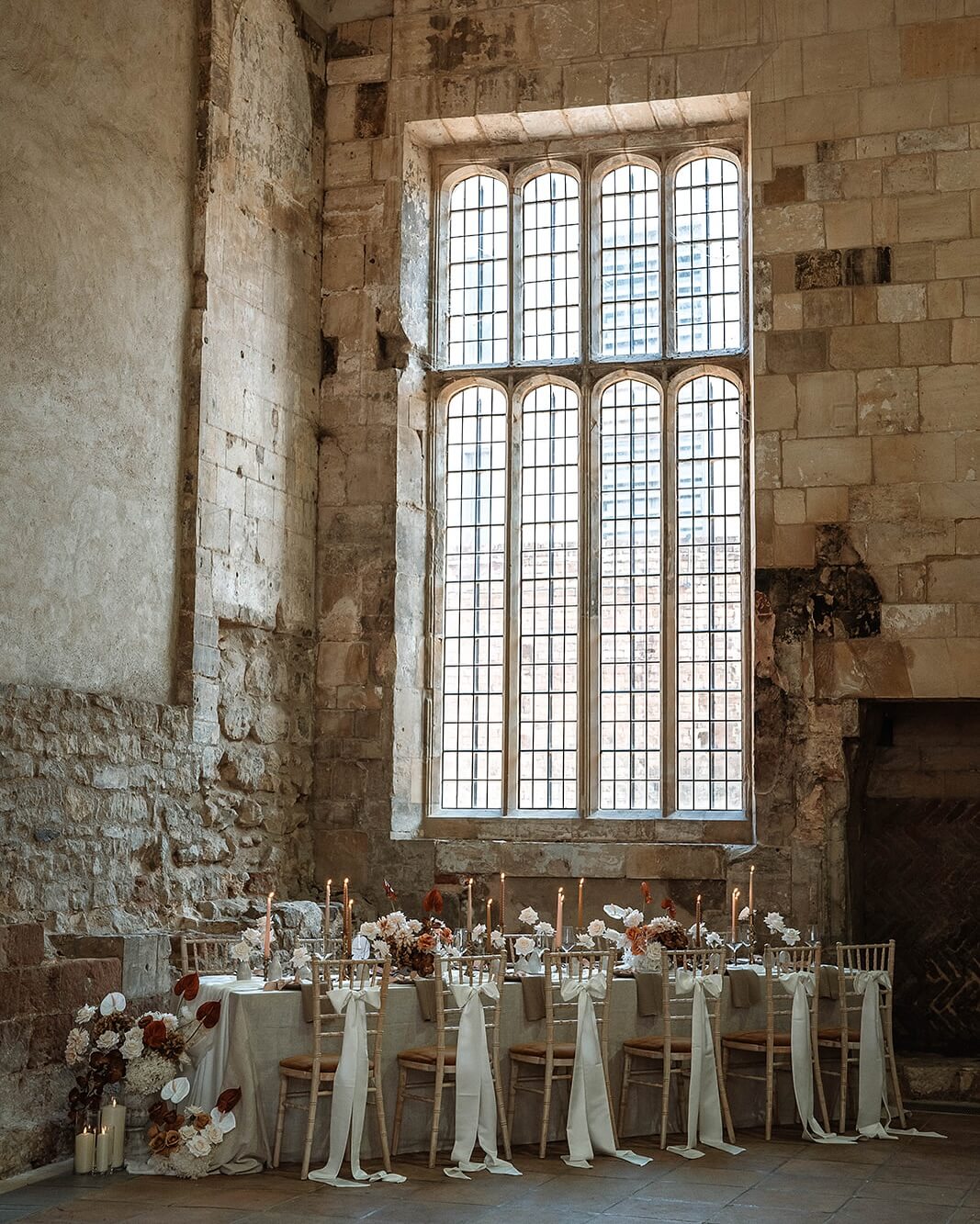
Modern romance lives where glow meets contrast. Blend brass, matte black, and smoky glass candleholders to layer warmth and edge across your wedding tablescape. Keep the palette disciplined: choose a hero metal (60%), a supporting tone (30%), and an accent (10%) so the cohesion reads intentional, not eclectic. Vary candle heights—low votives to anchor, slender tapers for lift, a few pillars for body—and echo the metals in subtle details like flatware, napkin rings, or metallic-rimmed glassware. To avoid glare, pair reflective chargers with soft, textured linens; the matte fabric absorbs light while brass bounces it back beautifully in photos. Black elements (candlesticks, flatware, or table numbers) sharpen the silhouette of your centerpiece without overpowering it. For venues with strong overhead fixtures, use clear hurricanes and smoked cylinders to concentrate candlelight right at eye level, enhancing conversation and skin tones. Choose unscented, dripless tapers, and map placements in a loose triangle pattern around each centerpiece for easy symmetry. The result is a refined, photogenic tablescape that feels elevated yet inviting—exactly the kind of wedding table decoration guests remember long after last call.
Color-Washed Glassware: Subtle Tints, Major Cohesion
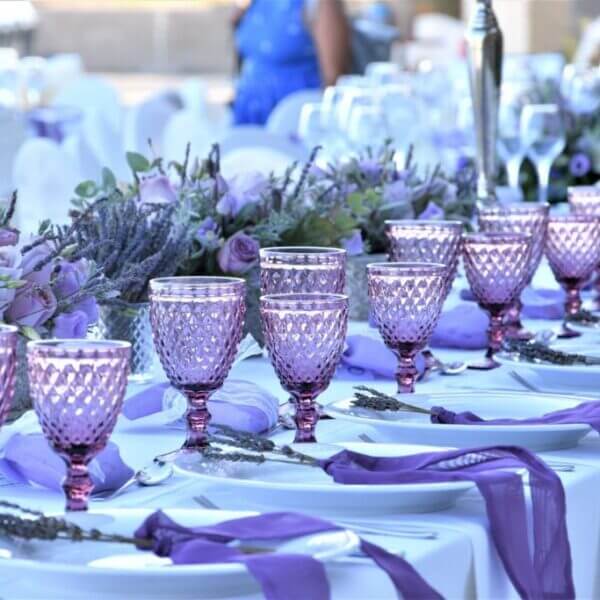
If you love color but want your reception tables to stay airy, color-washed glassware is the quiet hero. Think blush coupes, smoke-gray water goblets, or pale amber wine stems that echo your palette without competing with florals. Anchor the scheme with neutral linens, then repeat the tint once or twice—perhaps in taper candles or a thin-edged menu—to create a gentle rhythm across the tablescape. For a more editorial effect, try a gradient: clear stemware for champagne, a tinted goblet for water, and a deeper-toned candle to pull the vignette into focus. Keep the rest of the place setting clean—polished flatware, simple charger plates—so the hue reads sophisticated rather than busy. Color-washed glass photographs beautifully, adding depth and dimension under candlelight while flattering skin tones. Pro tip: select one dominant tint per table or per zone to avoid a patchwork effect, and coordinate the ink color on your paper goods to the glassware for seamless styling. This technique brings your wedding table decorations to life with minimal effort, delivering cohesive mood and instant personality—no heavy patterns required.
Statement Napkins: Knots, Bows, and Botanical Tucks
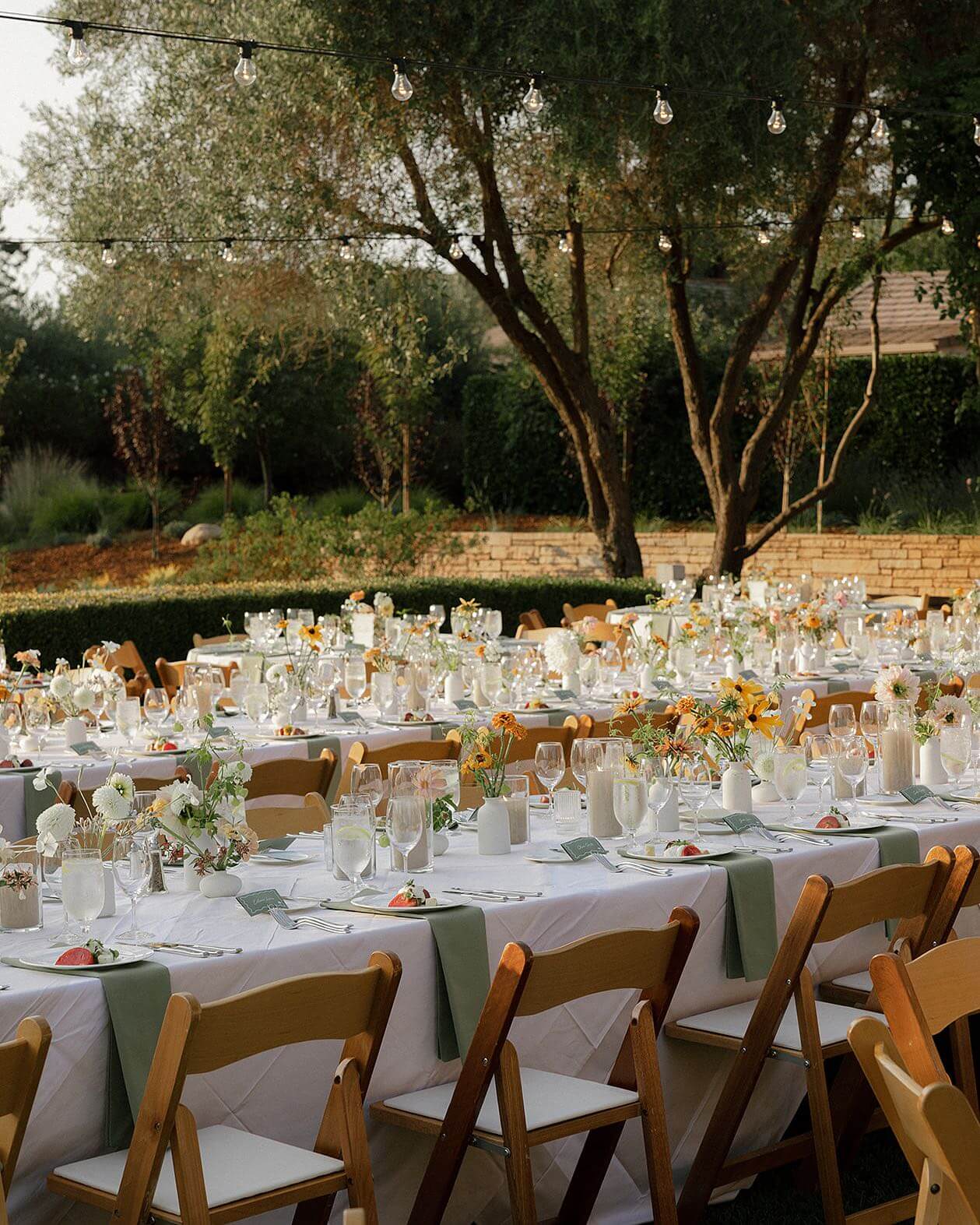
Napkins are the most affordable way to make every place setting feel bespoke. Use them to introduce color, texture, and scent within your wedding table decorations. For modern minimalism, try a French knot or tidy accordion fold centered on the charger plate; for romantic garden vibes, drape a “waterfall” fold off the edge of the table and tether with a silk ribbon bow. Tuck in a sprig of olive, a single sweet pea, or a herb bundle to add fragrance and a tactile moment of welcome. Choose natural fibers—stonewashed linen or crisp cotton—for folds that hold their shape and catch candlelight. Coordinate napkin tone with your runner or secondary floral color to bridge the palette across the tablescape. Placement matters: atop the charger to frame your menu, looped through a napkin ring for structure, or layered beneath flatware for a streamlined read. Scale the look by pre-folding and bundling with ribbons tagged to each guest’s escort card. Small upgrades—plant-dyed fabric, deckled menu edges, or a wax seal—turn napkins into keepsakes and give your table styling that editorial finish guests notice the moment they sit down.
Place Settings, Linens, and Budget-Friendly Wedding Table Decorations Strategies
Elevate place settings by starting with foundation linens that reach the floor and match your palette under reception lighting. Textured weaves, soft neutrals, or deep jewel tones instantly upgrade standard banquet tables. Add charger plates to frame dinnerware, then coordinate flatware finishes with candleholders and chair hardware for visual continuity. Napkin styling—knots, waterfall folds, or simple wraps—adds dimension without extra rentals. Printed menus, place cards, or wax seals double as decor while guiding guests efficiently to their seats. Keep the overall look cohesive by repeating two or three materials across the room rather than introducing many competing accents.
Shopping and styling checklist:
- Swap standard banquet linens for floor-length cloths in textured weaves; the added drape instantly elevates photos and hides table legs, creating a polished, intentionally styled foundation.
- Use charger plates to frame dinnerware and manage spacing; even acrylic or woven chargers add structure, color, and perceived luxury without dramatically increasing rental costs.
- Coordinate flatware finishes—brushed gold, black matte, or classic silver—with candle holders and chairs to make the palette consistent, reducing visual noise and enhancing cohesion across the reception photos.
- Style napkins creatively: waterfall fold over chargers, knotted at center, or wrapped with a sprig of rosemary for aroma, reinforcing theme cues while keeping per-setting costs modest.
- Print compact menus or place cards on textured stock and layer them atop napkins, doubling as seating direction and design accent that guests photograph and take home.
To stay on budget, prioritize high-impact items visible in wide shots—linens, candles, and chargers—then simplify florals at individual settings. Rent glassware in one statement color and keep the rest neutral to avoid overcomplication. Batch source from one rental house to reduce delivery fees and ensure matching inventory. Prepare a labeled packing list for day-of setup, including steamer, stain remover, extra votives, lighters, and tape for discreet cable management. Build a teardown plan with assigned bins per table zone so crews can pack quickly without losing small decor pieces. Confirm counts with your caterer to align place settings, ensuring backups for unexpected guests or vendor meals.
Table Styling Clinic: Quick Answers for Wedding Hosts
How do I choose colors for wedding table decorations that look cohesive in photos?
Start with venue tones and lighting, then select two dominant hues plus a metallic accent. Repeat them across linens, candles, florals, and stationery so every frame feels consistent and intentional.
What centerpiece height works best for conversation?
Keep arrangements under 12 inches or lift them above 24 inches with tall stands to clear sightlines. Test seated views at a mock setup to confirm comfort and server access.
Are LED candles acceptable for an elegant look?
Yes—newer LED tapers with real wax sleeves and warm flicker photograph beautifully and satisfy no-flame venue rules. Mix them with glass hurricanes or lanterns to enhance realism and depth.
How many votives should I plan per table?
For round tables, use 8–12 depending on diameter; for 8-foot banquets, plan clusters every two feet. Always order 10–15% extra to replace dimming or misplaced pieces.
Final Verdict: Set the Table for Style, Comfort, and Cohesion
Your reception tables are more than décor—they’re the narrative thread that ties your venue, palette, and personal style into a single, immersive experience. Prioritize proportion and sightlines so guests can connect easily, repeat a tight mix of materials for visual rhythm, and lean into layered glow—candles, small lamps, and reflective glassware—to make everything feel intentional. Let your color story guide the details: tinted glass, sculptural centerpieces, textured linens, and thoughtful stationery that frame each place setting without clutter.
Keep it practical and guest-forward. Build a sample table, photograph it in daylight and evening light, and then edit—removing one element often sharpens the design. Focus budget on high-touch pieces (linens, lighting, florals) and repurpose where possible—ceremony arrangements, potted herbs, or fruit add beauty with purpose and sustainability. When every detail echoes your theme and welcomes guests with ease, your table design doesn’t just look stunning—it feels unforgettable.
