
Smart Small Kids Bedroom Ideas That Maximize Space

Designing a small kids’ bedroom doesn’t have to feel like a puzzle. With the right mix of smart storage, playful design, and flexible furniture, even the tiniest room can become a cozy sleep sanctuary, a creative play zone, and a tidy, easy-to-clean space all in one.
This guide focuses on space-saving layouts, multifunctional pieces, and clever vertical solutions tailored to growing kids. From bunk and loft setups to under-bed storage, color palettes that visually open the room, and lighting that supports sleep and study, you’ll find ideas that work for shared rooms, rentals, and tight floor plans.
We’ll also prioritize safety and longevity with durable, kid-friendly finishes, modular furniture that adapts over time, and simple DIY upgrades that stretch your budget. The goal: a clutter-free, calming bedroom that still feels magical—and evolves as your child’s interests and routines change.
Space-Saving Small Kids Bedroom Ideas and Smart Storage Solutions
Start by mapping your floor plan to scale, noting door swings, window placements, and outlets that dictate furniture positions. Prioritize multi-functional pieces sized for children, avoiding oversized dressers that block circulation or natural light. Look up for storage opportunities with floating shelves, picture ledges, and high cabinets that leave essential play space open. Keep pathways at least 30 inches clear so kids can navigate safely with laundry baskets, backpacks, and toys. Anchor tall furniture to studs, and choose rounded corners to reduce bumps in tight quarters.
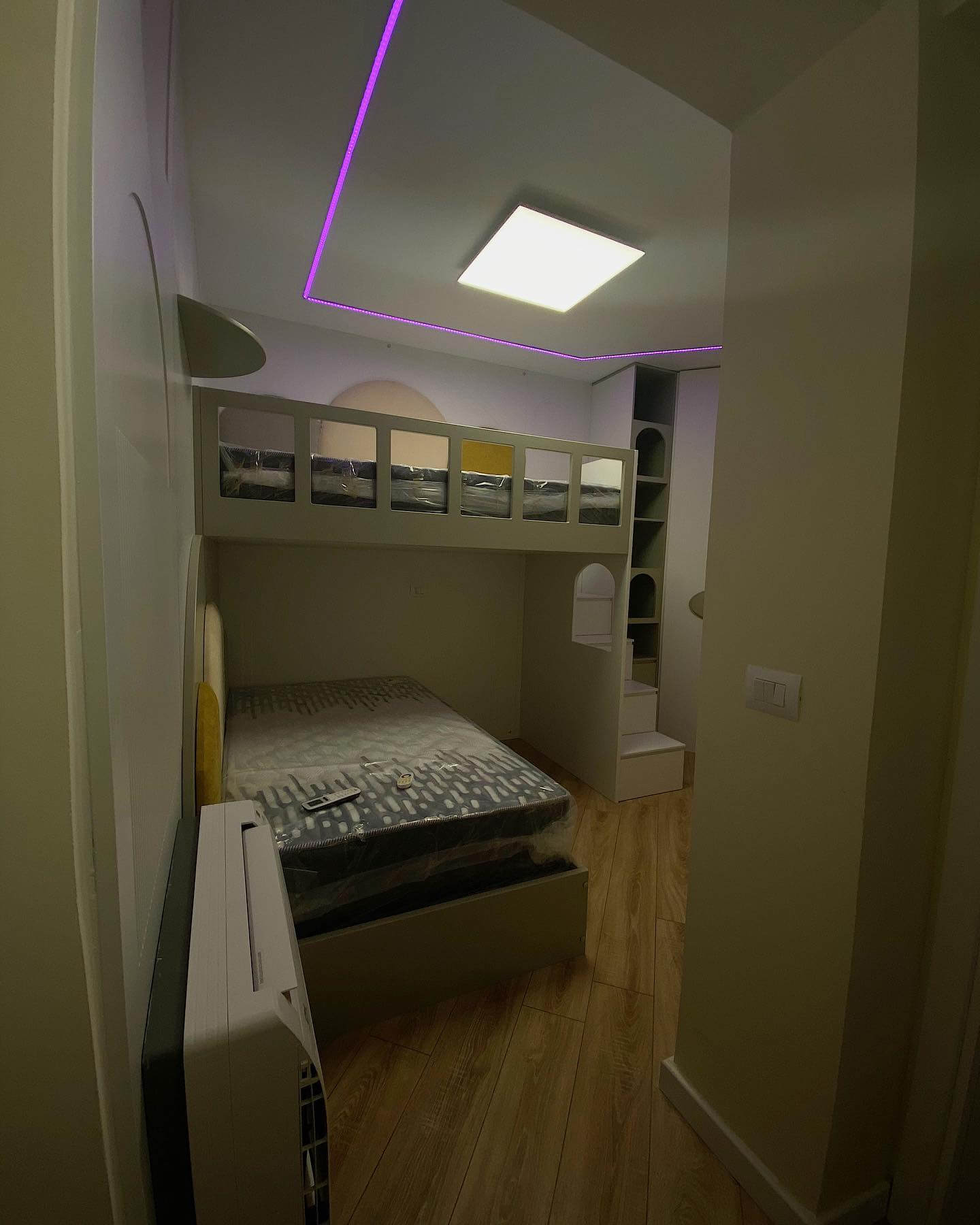
- Bunk Beds with Drawers: Stack sleeping vertically to free floor space, and choose models with pullout drawers or stairs containing hidden cubbies for pajamas, books, and plush toys.
- Loft Bed Workstation: Lift the mattress above a compact desk and shallow shelves, creating a homework nook with task lighting while preserving play area beneath for blocks, trains, or pretend kitchens.
- Fold-Down Wall Desk: A wall-mounted drop-leaf desk folds flat when not in use, offering art space or laptop study zones without crowding narrow pathways in tight, multi-use bedrooms.
- Pegboard Wall System: Install a painted pegboard to hang baskets, hats, costumes, and craft supplies, then shift hooks as needs change to keep frequently used items reachable and tidy.
- Over-Door Organizers: Hang clear-pocket organizers on closet or entry doors to sort socks, hair accessories, small figurines, and crayons while freeing drawer space for folded basics and seasonal layers.
- Underbed Rolling Bins: Low-profile bins with wheels slide under beds, making cleanup quick and independent for kids, and keeping building sets or plush collections dust-free yet easy to access daily.
Define zones—sleep, study, play—using rugs or paint blocks, so each function stays organized without sprawling. Label bins with words and icons to encourage independent cleanup, then place them within arm’s reach of frequent activities. Mount art display rails to rotate creations without taping walls, and use magnetic strips for cars or metal figures. Layer lighting with a soft ceiling fixture, task lamps at the desk, and nightlights near beds to calm nighttime routines. Add breathable hampers and underbed shoe organizers to keep clothing streamlined and mornings smooth.
Build the Room Around the Bed: A Layout That Leaves Space to Play
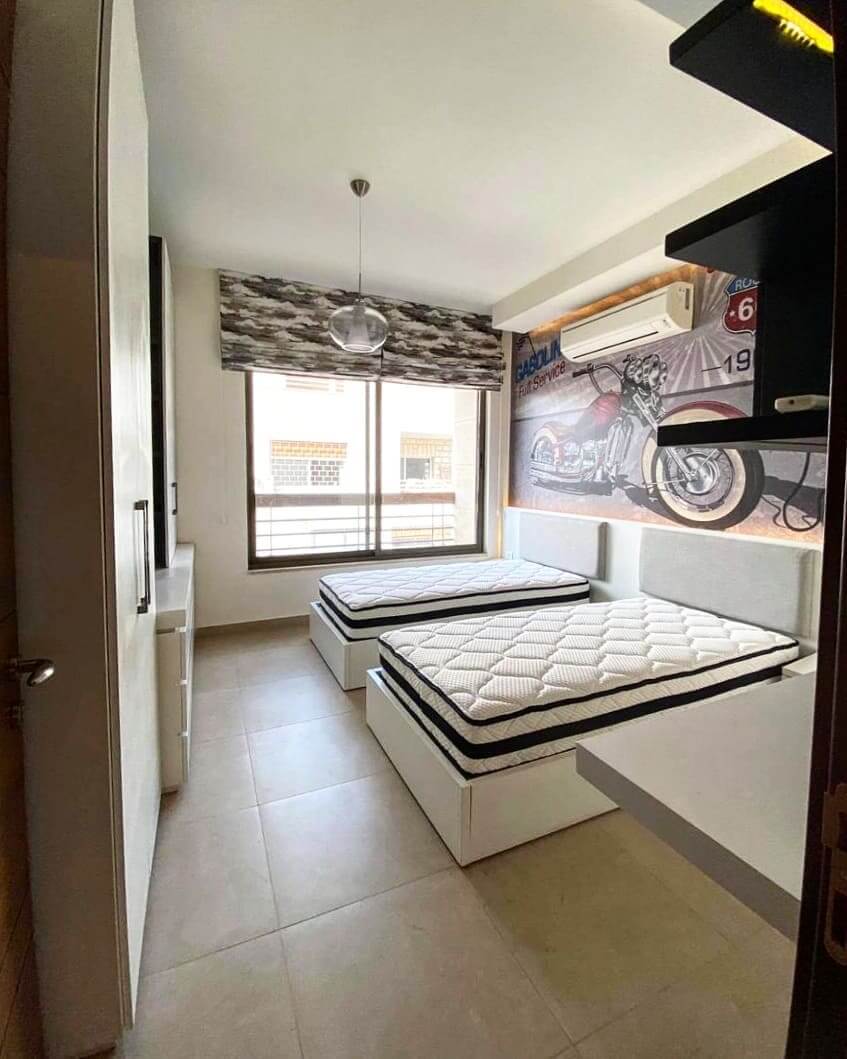
In a small kids’ bedroom, the bed is the anchor—and your layout should free up prime floor space for play. Start by mapping the room: note door and closet swings, window placement, and a clear 24–30 inches for circulation. Push the bed against a wall or into a corner to open a central “play rug zone.” If a corner feels cramped, try a daybed orientation; its three-sided back acts like a sofa by day, keeping the room flexible. Keep tall pieces (wardrobes, bookcases) on the same wall to reduce visual clutter and create a single “storage spine.” Use a narrow nightstand or wall-mounted ledge instead of a bulky table—clip lights free up surface space. Consider a Montessori-inspired low bed for younger kids to lower visual weight and add a sense of openness. Under the window, a shallow bench with baskets doubles as seating and toy storage without eating into floor area. Before buying anything, blue tape the footprint of the bed and key pieces—you’ll catch pinch points early. This simple, space-savvy layout sets the stage for layers of storage and creativity without crowding.
Go Vertical with a Loft or Bunk to Double the Floor Space
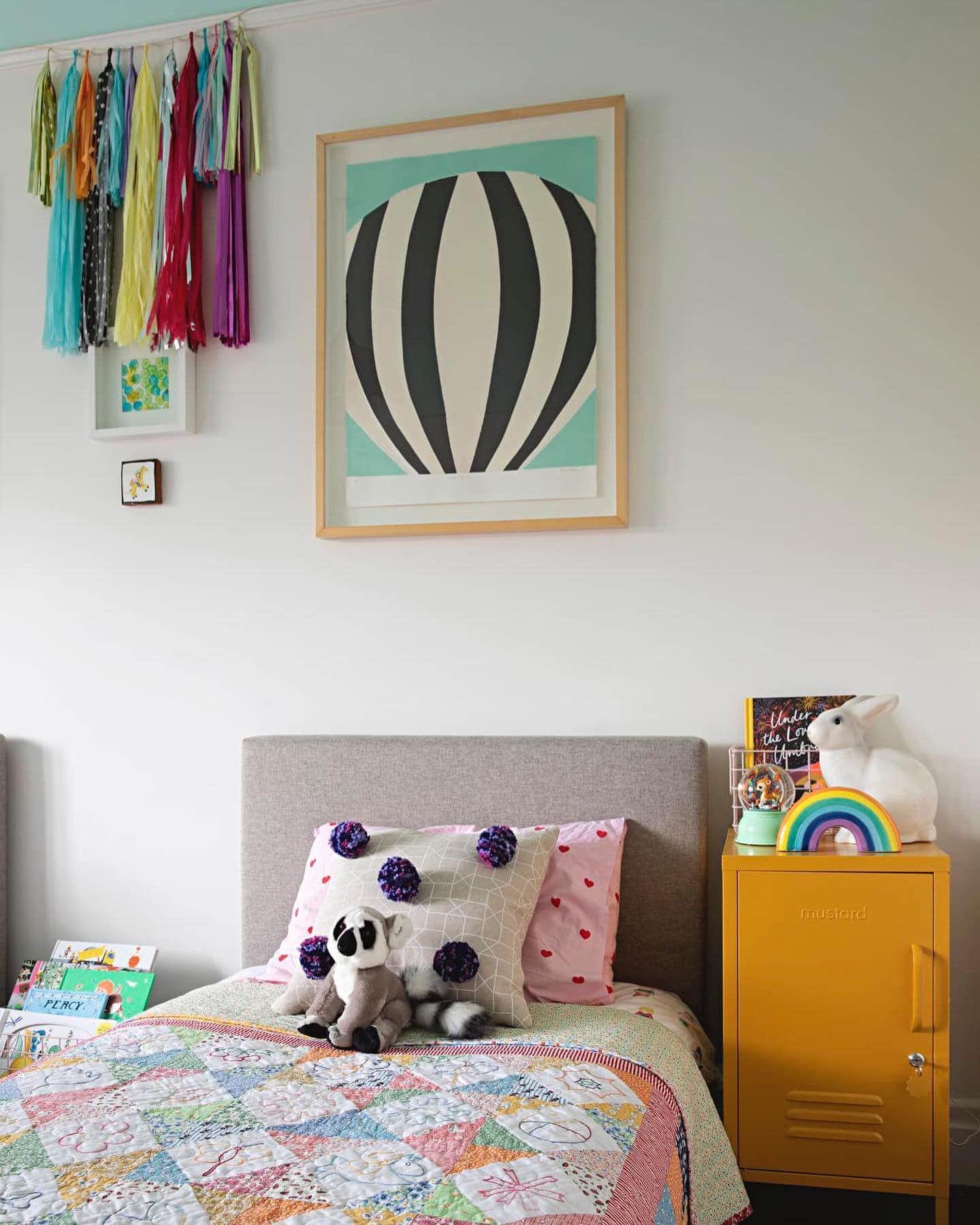
When square footage is tight, think cubic feet. Loft and bunk setups instantly reclaim a whole “room” beneath or above the mattress. For one child, a mid- or high-loft creates a tucked-away zone for a desk, dress-up rack, or reading nook, while leaving the center of the room open. For siblings, bunks with built-in shelves keep bedtime books and water within reach, reducing the need for extra furniture. Prioritize safety: guardrails on all sides, sturdy ladders or stairs, and a mattress height that maintains at least 30 inches of clearance to the ceiling. Stair bunks with drawer steps add sneaky storage; curtains on the lower bunk give a sense of privacy in shared rooms. Keep finishes light to avoid a “wall” effect; a white or birch frame blends into the room, while pops of color come from bedding and art. Use dimmable clip lights on each bunk as personal task lighting. Going vertical is one of the easiest small kids’ bedroom ideas that yields immediate, long-term flexibility as needs change.
Make the Bed Work Harder: Drawers, Trundles, and Toe-Kick Cubbies
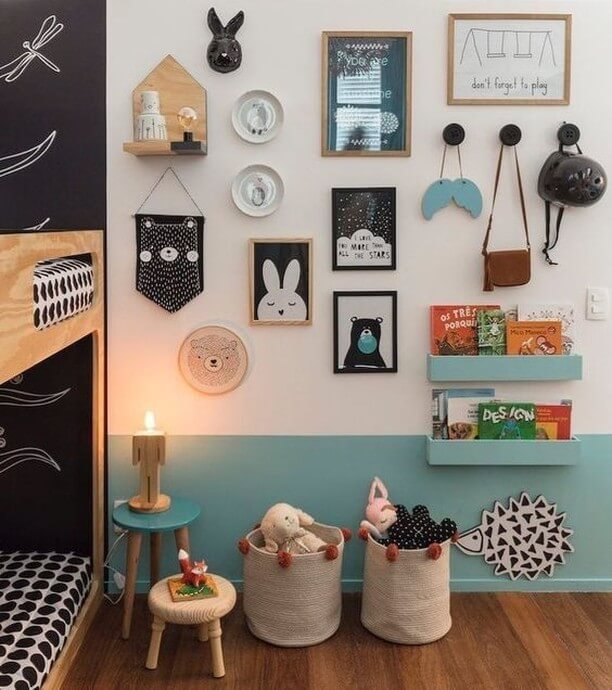
If a loft isn’t an option, squeeze storage from under and around the bed. Platform beds with deep drawers corral pajamas, seasonal clothes, or bulky toys—perfect for tiny closets. Aim for at least 12 inches of clearance for rolling bins on casters; low-profile containers keep LEGO, trains, or art supplies easy to access and easy to put away. A trundle adds instant sleepover capacity without sacrificing daily floor space; during the week, use it as a giant drawer for bedding. Consider toe-kick cubbies at the foot of the bed for shoes and backpacks, or a slim bench with cubbies that doubles as a launchpad in the morning. For toddlers, a floor bed with an adjacent low credenza provides “grab-and-go” storage at kid height, encouraging independence. Label bins with pictures and words to support early readers. Keep under-bed zones dust-friendly: opt for lidded bins, felt sliders, and a robot-vac-friendly gap if you have one. When the bed works overtime, the rest of the room can stay calm and clutter-free.
Put the Walls to Work: Peg Rails, Shelves, and Book Ledges
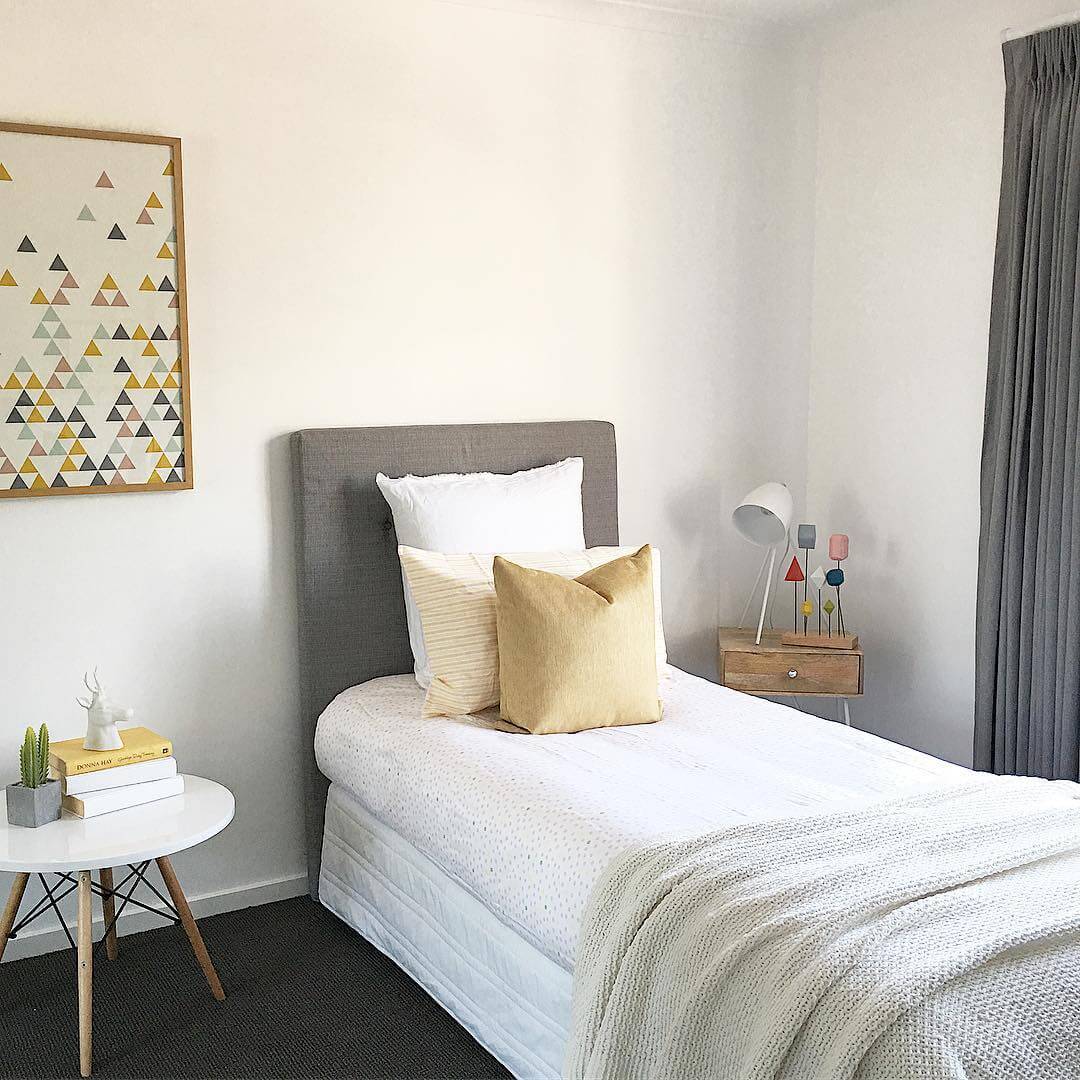
Vertical storage is your best friend in a small children’s room. Install a sturdy peg rail or Shaker-style ledge to hang backpacks, dress-up capes, and headphones—freeing drawers for clothing. Slimline book ledges turn beloved covers into rotating art while making reading irresistible; mount a trio at kid height next to a floor cushion to create an instant reading nook. Above adult height, add a second tier of shelves for off-season items or toy rotation bins. A pegboard over a desk adapts with your child—cups for markers today, headphones and chargers tomorrow. Choose enclosed storage for visual calm (baskets with lids, fabric cubes) and mix with a few open displays for personality. Avoid overloading every wall; leave breathing room to prevent the “storage everywhere” look. Corral tiny pieces in clear, shallow boxes and color-code by category. Hooks behind the door, over-door shoe organizers, and under-shelf baskets in the closet multiply capacity without renovations. When your walls work smarter, the floor stays open for play.
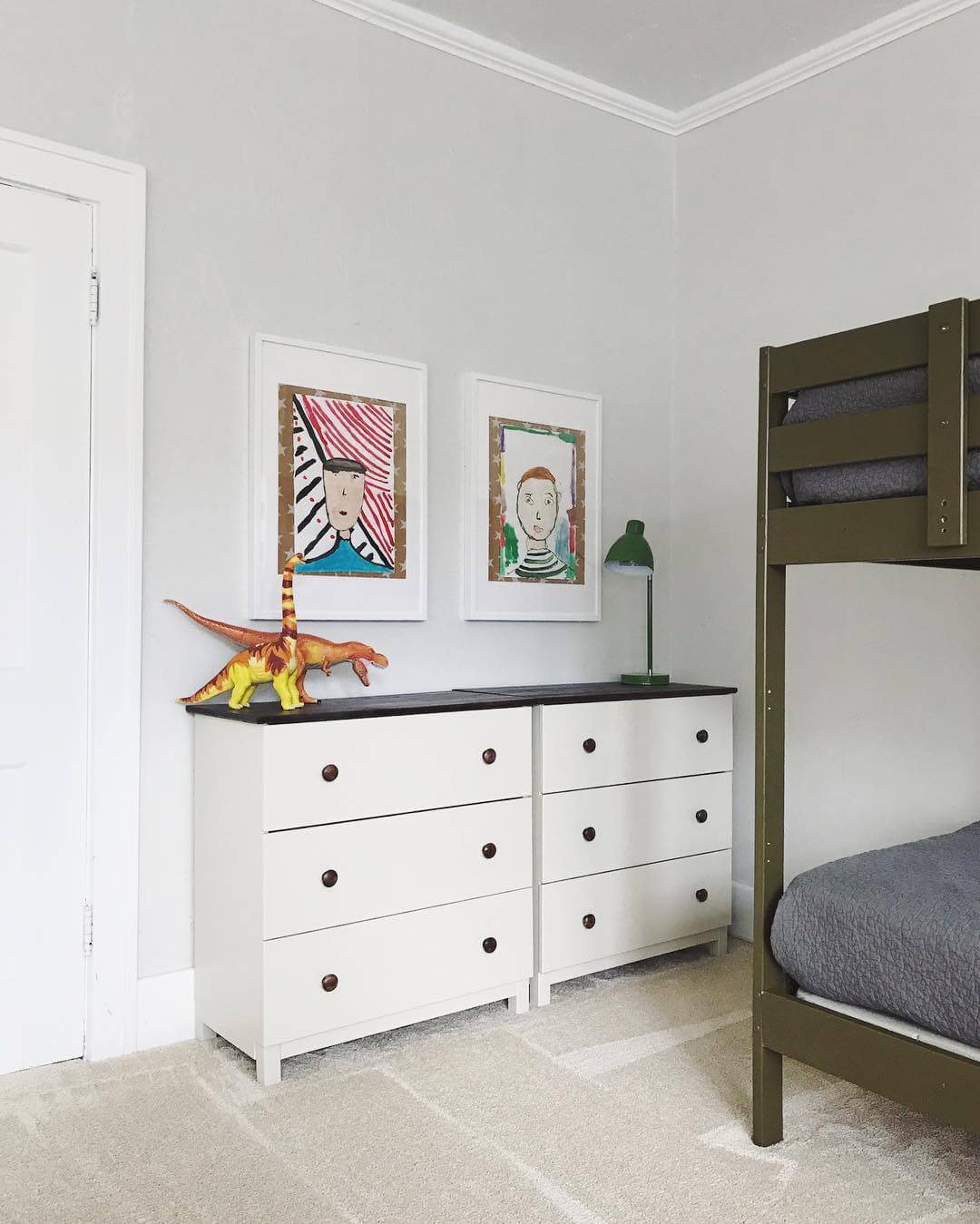
Designing a shared kids’ bedroom in a small footprint is all about gentle boundaries. Start with symmetry—matching beds or bunks—and personalize through color-coded bedding, art, and bins so each child has a “home base.” Use a central nightstand or dual wall shelves to keep essentials close without duplicating furniture. Privacy matters: clip-on curtains for bunks, a folding screen, or a headboard bookshelf provides a cozy retreat. Zone the closet with double hang rods and distinct baskets per child; label clearly to prevent mix-ups. If floor space is tight, rotate toys weekly and keep shared items in neutral zones while treasured pieces live in personal bins. Choose a large, neutral rug to unify the room and dampen sound; layer smaller play mats that can be stowed away. Establish vertical “columns” of storage—one per child—so it’s clear what belongs where. With a few visual cues and consistent systems, a small shared room can feel fair, functional, and fun.
Grow-With-Me Furniture that Adapts from Toddler to Tween
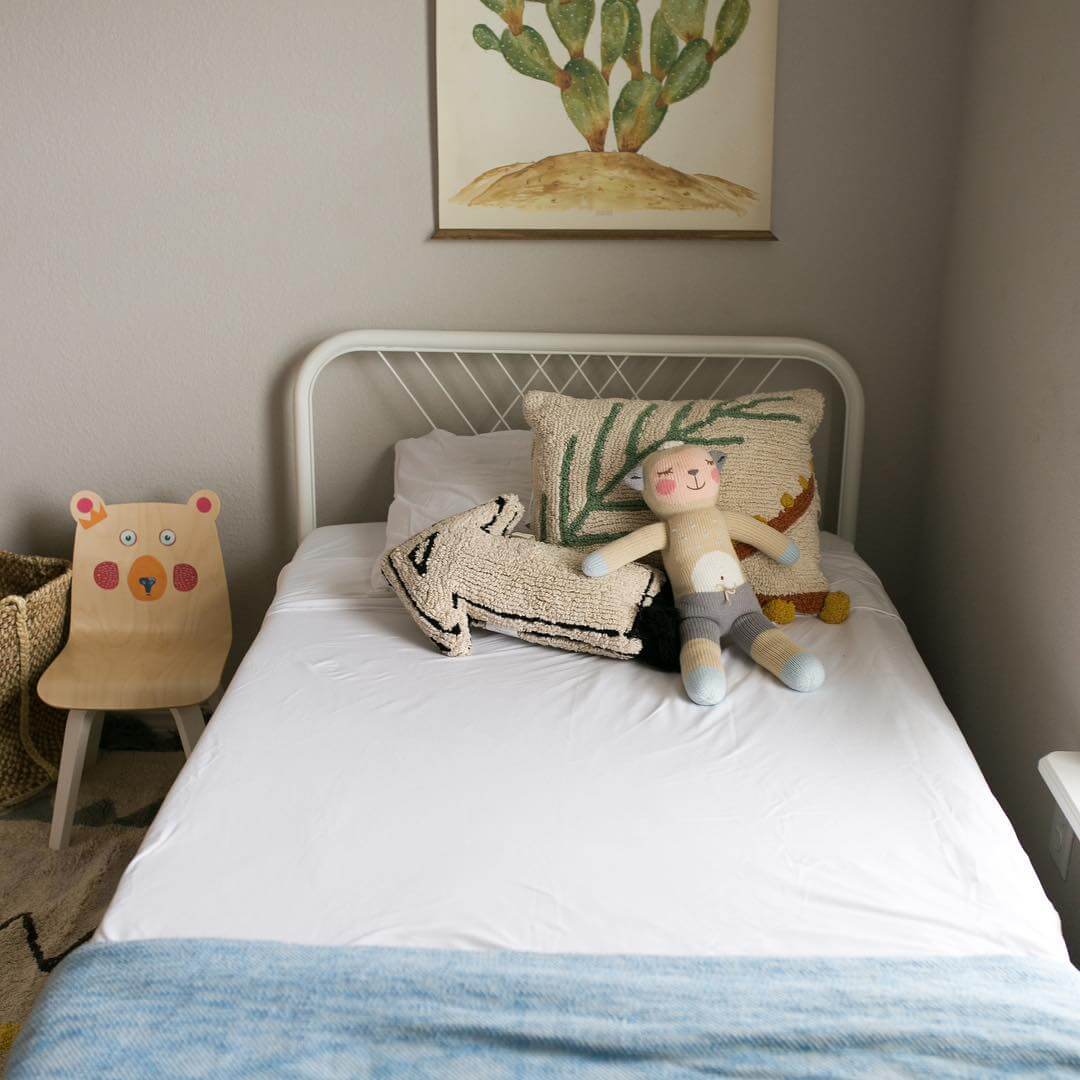
Future-proofing saves space and money. Look for modular beds that convert from crib to toddler to full, or a twin daybed that accommodates a trundle later. Desks with adjustable heights, stackable stools, and dressers that double as changing stations evolve as needs shift. Choose a wardrobe with adjustable shelving and add removable dividers in drawers to tame tiny socks now and T-shirts later. A play table with leaves or a fold-down wall desk expands for projects then tucks away to keep floor space clear. Keep big items in timeless finishes—white, natural wood, navy—so you can refresh the room with new textiles and wall decals rather than replacing furniture. Consider a cork or magnetic wall for long-term display that grows from finger paintings to school projects. Modular storage cubes can reconfigure from a toy wall into a bookcase. By investing in adaptable pieces, you keep your small kids’ bedroom balanced through growth spurts and changing interests.
Light, Bright, and Calm: Color Palettes that Visually Expand
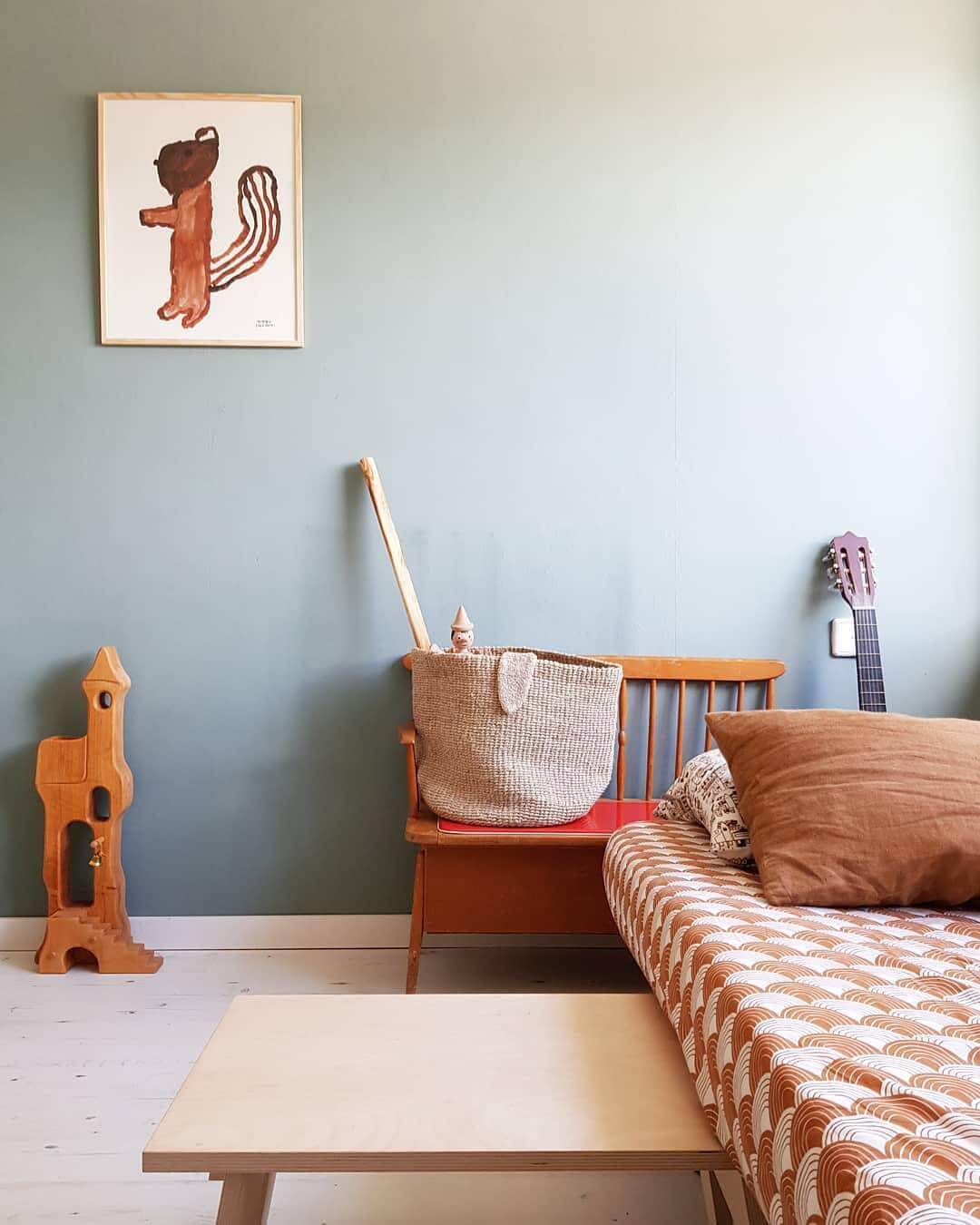
Color can change the perceived size of a room. Opt for light, low-contrast palettes—soft whites, misty blues, warm greiges—that bounce light and make walls recede. Keep trim the same color as walls for a seamless, taller look; paint the ceiling a whisper-lighter shade to lift it visually. Add personality through removable decals, a color-blocked headboard wall, or a playful half-paint at chair-rail height to ground furniture without shrinking the space. Mirrors opposite windows amplify daylight; sheer curtains layered with blackout shades deliver both glow and sleep support. For renters, peel-and-stick wallpaper on a single wall adds texture without overwhelm. Repeat two to three accent colors in bedding, art, and bins to create cohesion—think sage, coral, and natural wood. Avoid heavy patterns on large surfaces; save bold prints for pillows or a canopy. A calm palette not only enlarges a small kids’ bedroom but also supports better wind-down routines.
Layered Lighting for Sleep, Study, and Wind-Down Routines
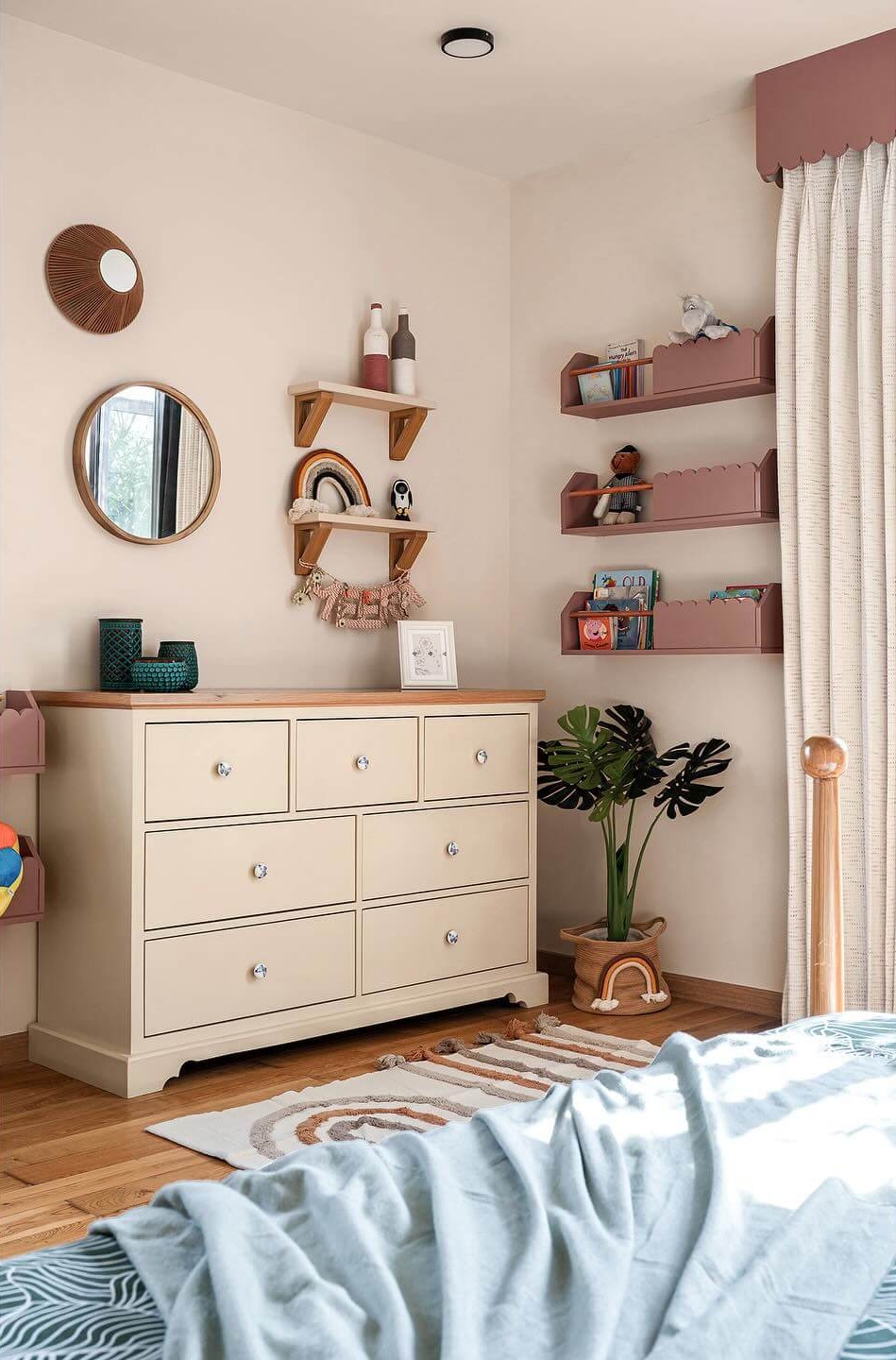
Small rooms need smart lighting, not just a single overhead. Create three layers: ambient (ceiling), task (reading/desk), and accent (cozy glow). Choose a flush or semi-flush ceiling fixture to keep sightlines clear. Add wall sconces or clip-on lights near the bed so surfaces stay open and cords stay safe. A small desk lamp with a focused beam supports homework or drawing; warm white bulbs (2700–3000K) promote relaxation, while cooler light can be used earlier for tasks. Install dimmers and smart plugs to shift from playtime bright to bedtime soft with a tap. Nightlights with motion sensors offer safe midnight trips without fully waking kids. If glare is an issue, layer window treatments—sheers for daytime privacy and blackout for sleep. Keep cords tidy with covers and clamps, especially near bunks and play zones. Thoughtful lighting design transforms a compact kids’ room into a versatile, soothing space from morning to lights-out.
Play and Learn Nooks: Fold-Down Desks and Rolling Carts
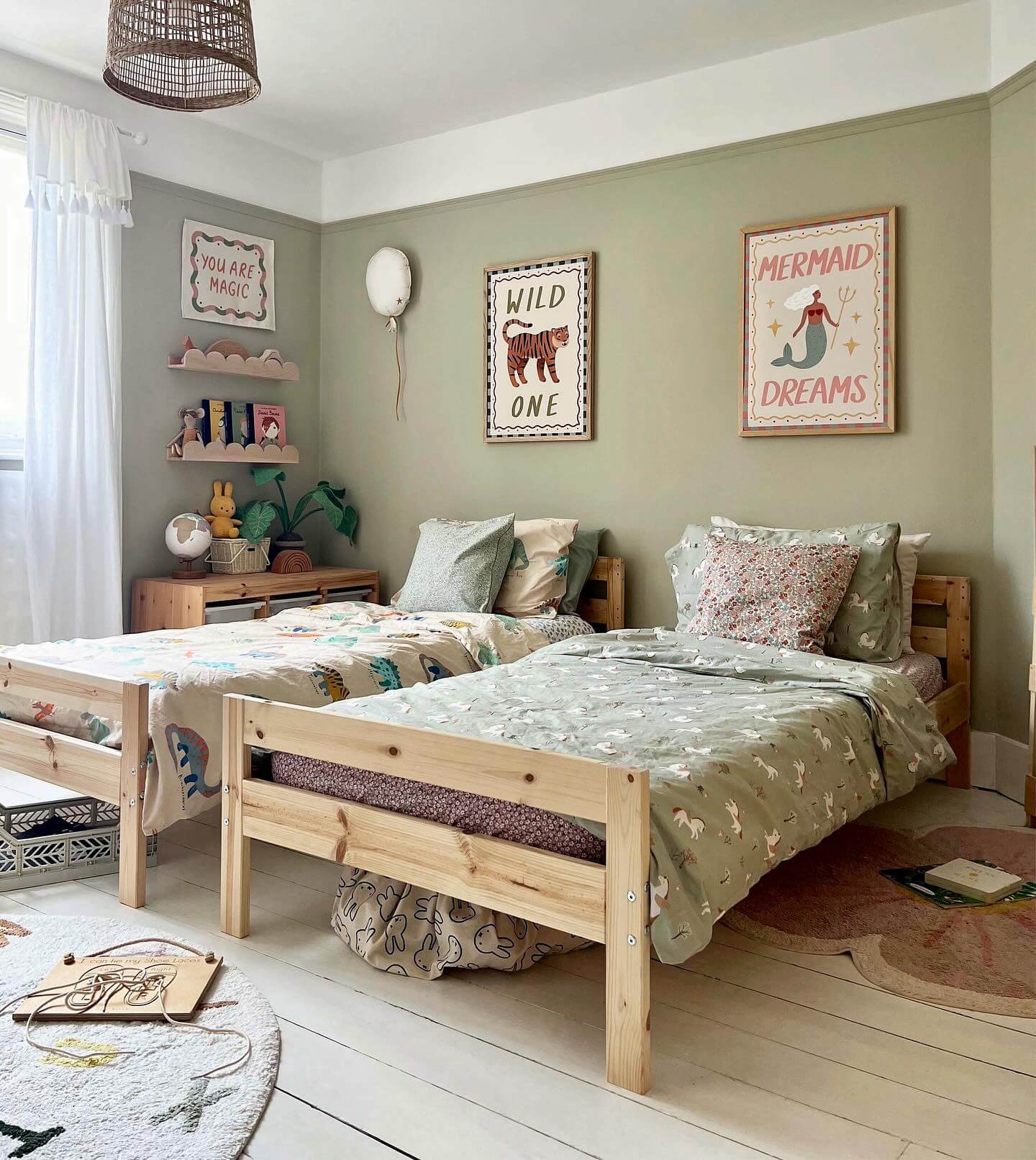
A dedicated nook can thrive in even the tiniest bedroom when furniture flexes. A wall-mounted, fold-down desk creates a pop-up study zone that disappears after homework, freeing floor space for play. Pair it with a lightweight, stackable stool and a rolling cart for supplies; the cart slides into a closet or under a loft when not in use. Define the nook with a small rug or a canopy to cue focus time. Keep art supplies and tiny pieces in shallow trays and clear bins for quick setup and clean-up. Above the desk, a cork strip or wire display lets kids rotate masterpieces without drilling dozens of holes. If siblings share, color-code carts and schedule turns to keep the peace. For toddlers, swap the desk for a low table and add front-facing book bins. This micro-zone encourages creativity and independence—without sacrificing the open, breathable feel of a small kids’ bedroom.
Tidy by Design: Safety, Durability, and Easy-Clean Habits
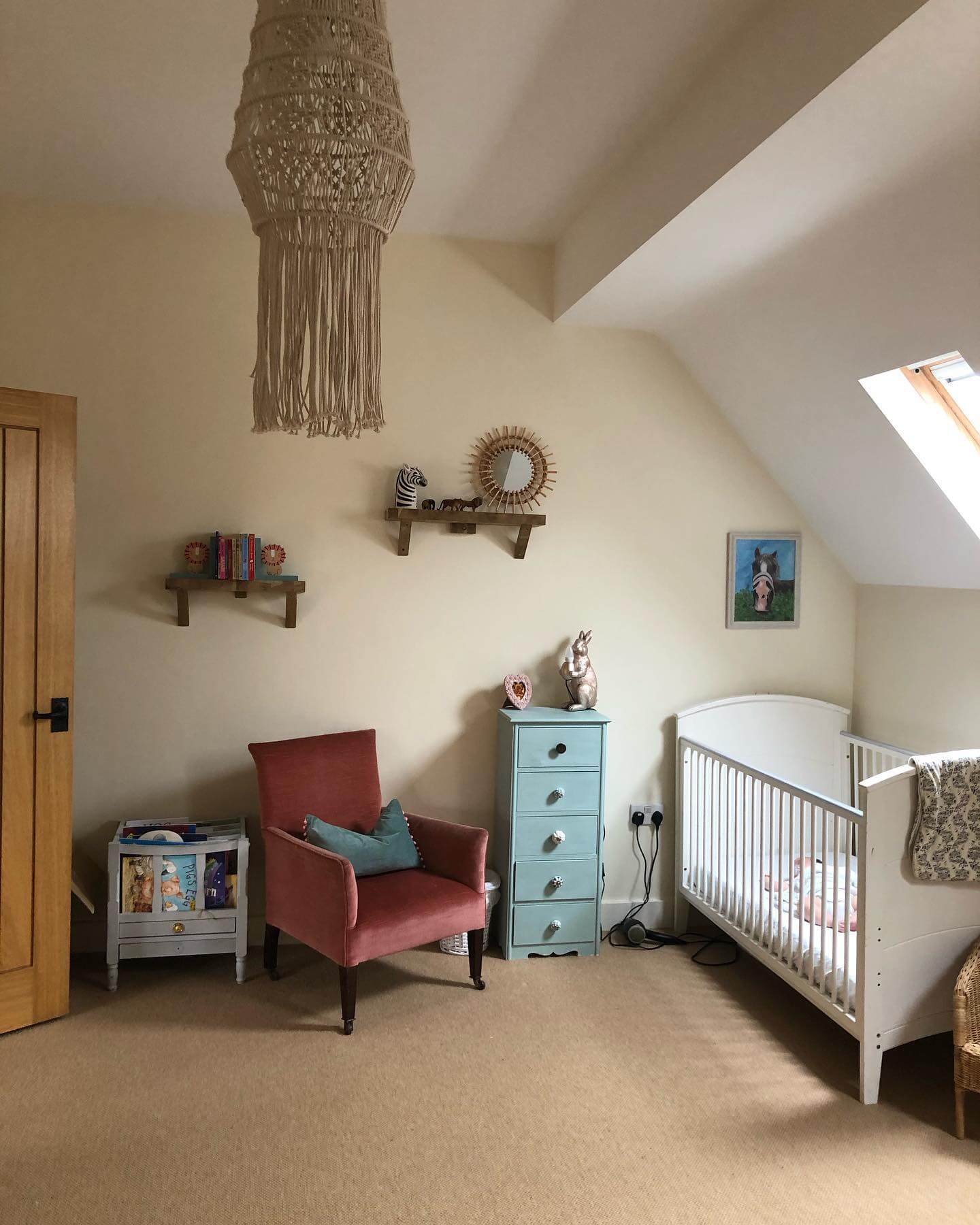
The best small kids’ bedroom ideas work because they’re easy to maintain. Choose durable, wipeable finishes and removable cushion covers; opt for low-pile rugs that hide crumbs and vacuum easily. Anchor all tall furniture to studs and use soft-close hardware to protect little fingers. Keep everyday items at kid height and reserve high shelves for backup stock and rotations. Build five-minute resets into routines: morning bed-making, afternoon toy tidy, evening laundry drop. Use picture labels for pre-readers and set a simple rule—one out, one in. Install doorstops and cordless shades for safety, and route cables through cord covers, especially near bunks. Seasonal edits prevent overflow: when a new toy or shirt arrives, donate or store one. A hamper with two compartments (lights/darks) shrinks laundry chaos. With safety baked in and systems that match your child’s abilities, the room stays calm, clutter-free, and truly livable—no matter how small.
Small Closet, Big Capacity: Double-Hang, Cube Bins, and Kid-Height Access
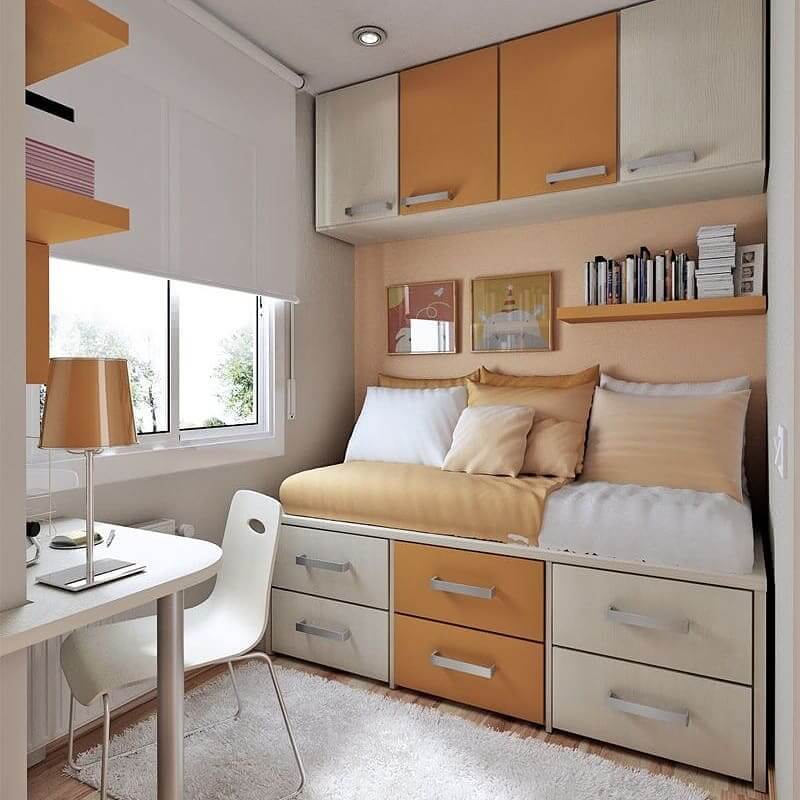
Small kids’ bedrooms live and die by the closet. Turn a standard rod into a storage superstar by adding a second, adjustable rod to double hanging space for tiny clothes. Use a simple modular system (think rails, shelves, and baskets) so you can reconfigure as your child grows. Place everyday items at kid height—hanging outfits, a low shelf for shoes, and pull-out bins for pajamas—so little ones can dress independently. Reserve the very top for out-of-season gear in labeled, lidded boxes. Add a vertical stack of cube bins along one side for toys, puzzles, and soft items; color or icon labels help non-readers tidy fast. Use the back of the door for a shallow organizer to hold socks, hair accessories, or small books without stealing floor space. A clip-on light or motion puck makes the interior usable at night. Tie it to the room’s larger storage rhythm—under-bed drawers for bulky items, peg rails for frequently used layers—and you’ve created a mini command center that keeps the floor clear, supports routines, and adapts as sizes and schedules change.
Zone the Room with Rugs: Softer Floors, Clear Boundaries
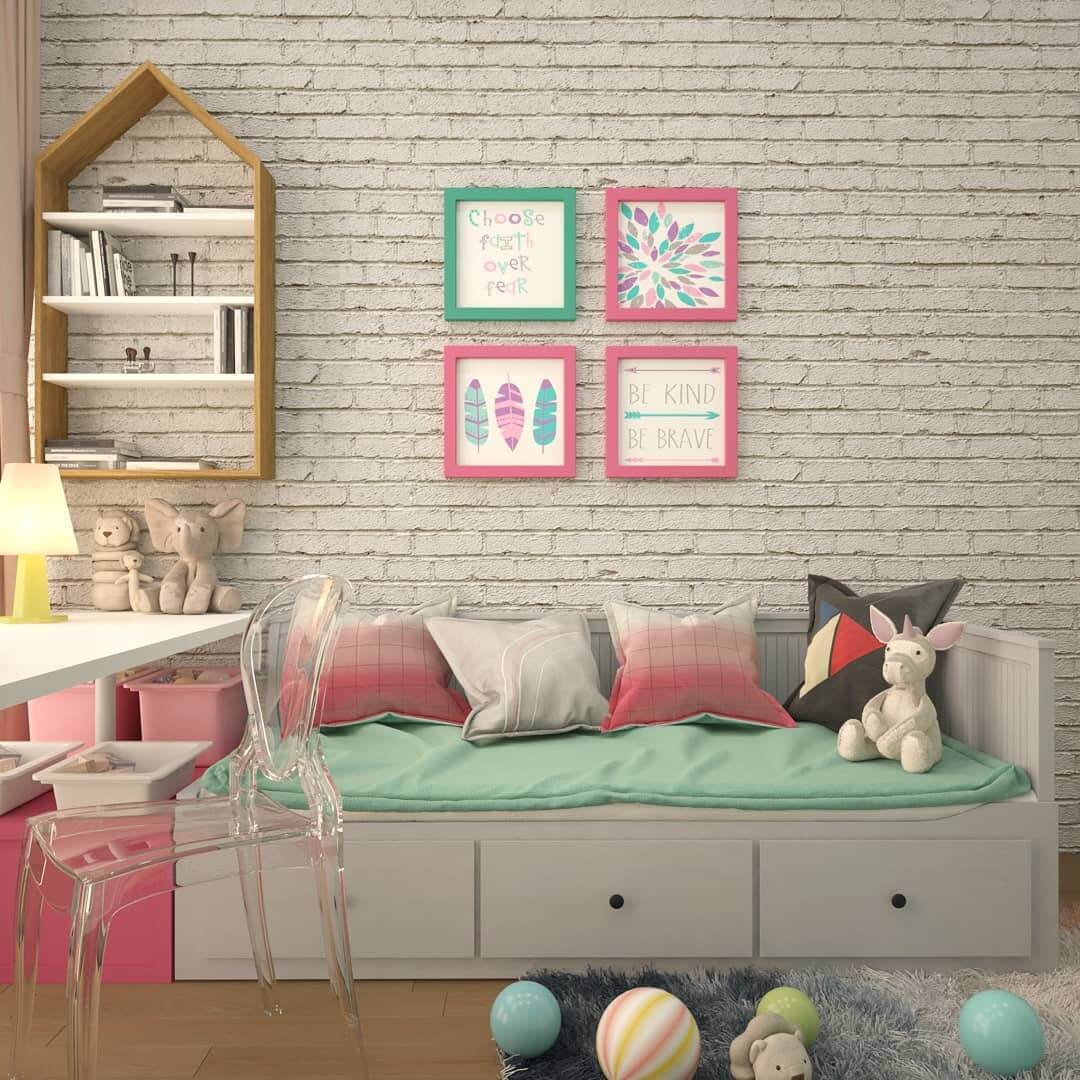
When square footage is tight, rugs act like gentle walls. Use one low-pile, washable rug to anchor play in front of storage, and a separate runner or small mat beside the bed to define the sleep zone. This visual zoning helps kids understand where toys live and where winding down happens—critical for easy cleanups and better sleep. Choose flatweave or indoor–outdoor styles that vacuum quickly and stand up to snack time. Round rugs soften corners and make compact rooms feel wider; stripes or a subtle grid can stretch the eye along the longest dimension. Size matters: leave a border of visible floor to avoid the room feeling cramped. Add a cushy rug pad for safer tumbles and to buffer noise in older buildings. Keep palettes light and calm in the sleep area and bring bolder patterns to the play rug where energy belongs. Paired with wall shelves and book ledges, this simple zoning trick reduces clutter creep, cuts visual noise, and makes even a tiny room function like two.
Sleep-First Windows: Blackout Layers and Ceiling-Mounted Curtains
Good window strategy is the secret sauce in a small kids’ room. Start with cordless blackout shades for naps and early bedtimes; layer sheer curtains in front to soften daylight for play and reading. Mount the curtain rod or track at the ceiling and extend it wider than the window—this elongates the walls, makes the room feel taller, and keeps curtains from blocking daylight when open. In rentals, a tension rod plus clip rings can still deliver that tailored, floor-to-ceiling look. For east- or west-facing rooms, consider top-down/bottom-up shades that control glare while keeping privacy. Choose machine-washable panels and avoid puddling fabric to reduce dust and tripping hazards. Thermal-lined curtains help regulate temperature, while simple tiebacks keep fabric away from bunks or loft ladders. With layered lighting already in place, this window setup supports circadian rhythms, calms bedtime routines, and visually expands the space—proof that the right textiles can work as hard as your furniture.
Removable Magic: Decals, Color-Blocking, and Headboard Murals
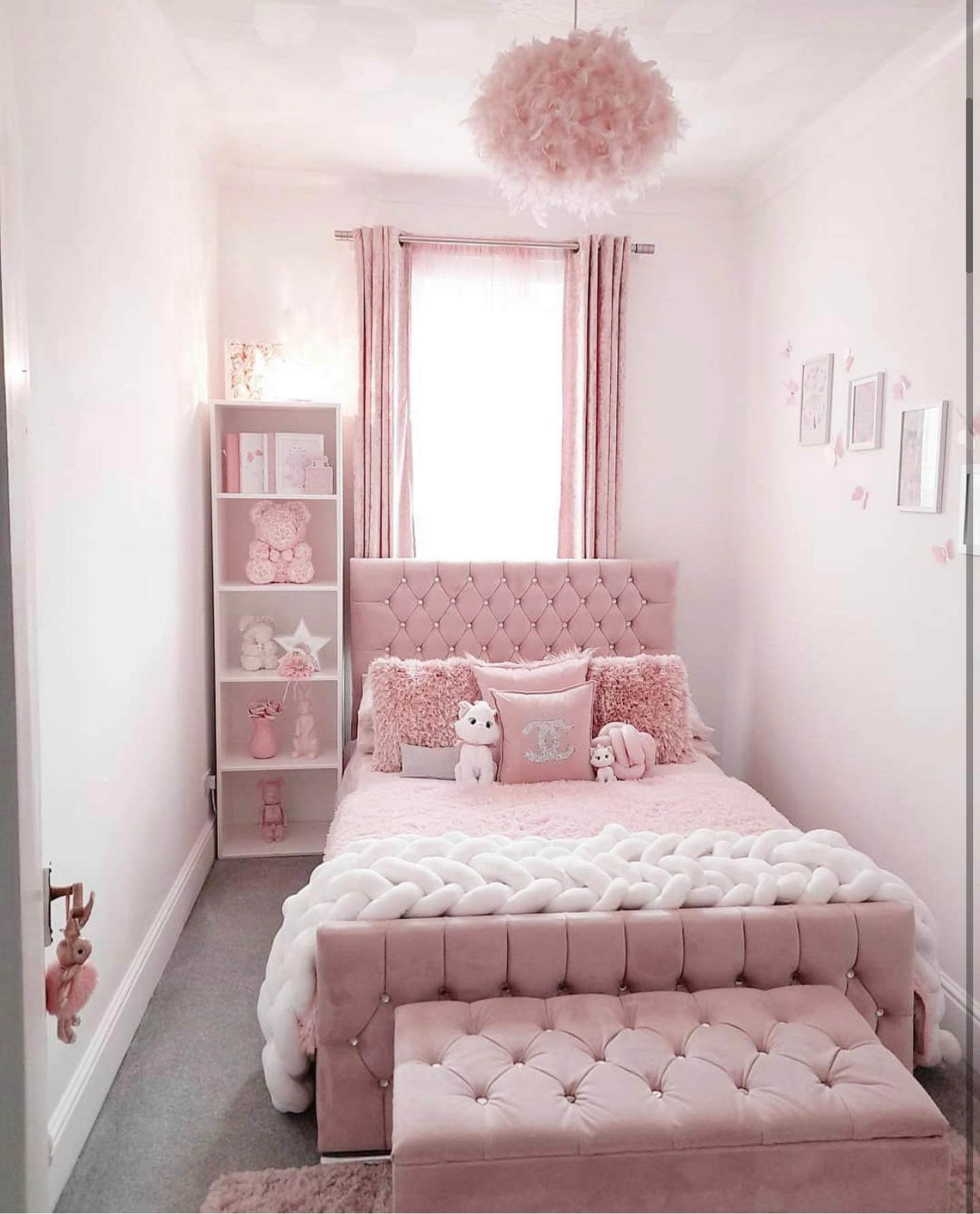
Decor should be playful, flexible, and easy to update. Removable decals and peel-and-stick wallpaper add instant personality without committing to a full paint job. Use a large-scale decal or mural to create a “headboard” behind a toddler or twin bed—an arch, mountain silhouette, or soft scallop defines the sleep zone and makes the bed feel grounded without a bulky frame. Color-blocking half the wall in a calm tone keeps the room airy while hiding scuffs at kid level; vertical stripes can visually lift a low ceiling. In the closet or a reading nook, line the back wall with a small-scale pattern for surprise and depth. Stick to the color palette outlined in your main scheme—two calming neutrals plus one cheerful accent—for cohesion that doesn’t overwhelm a small footprint. When interests evolve, swap decals, not furniture. This rental-friendly strategy layers beautifully with peg rails, ledges, and lofts, letting the room grow up while the footprint stays tiny.
Slim Bedside Solutions: Ledges, Wall Pockets, and Clip-On Lights
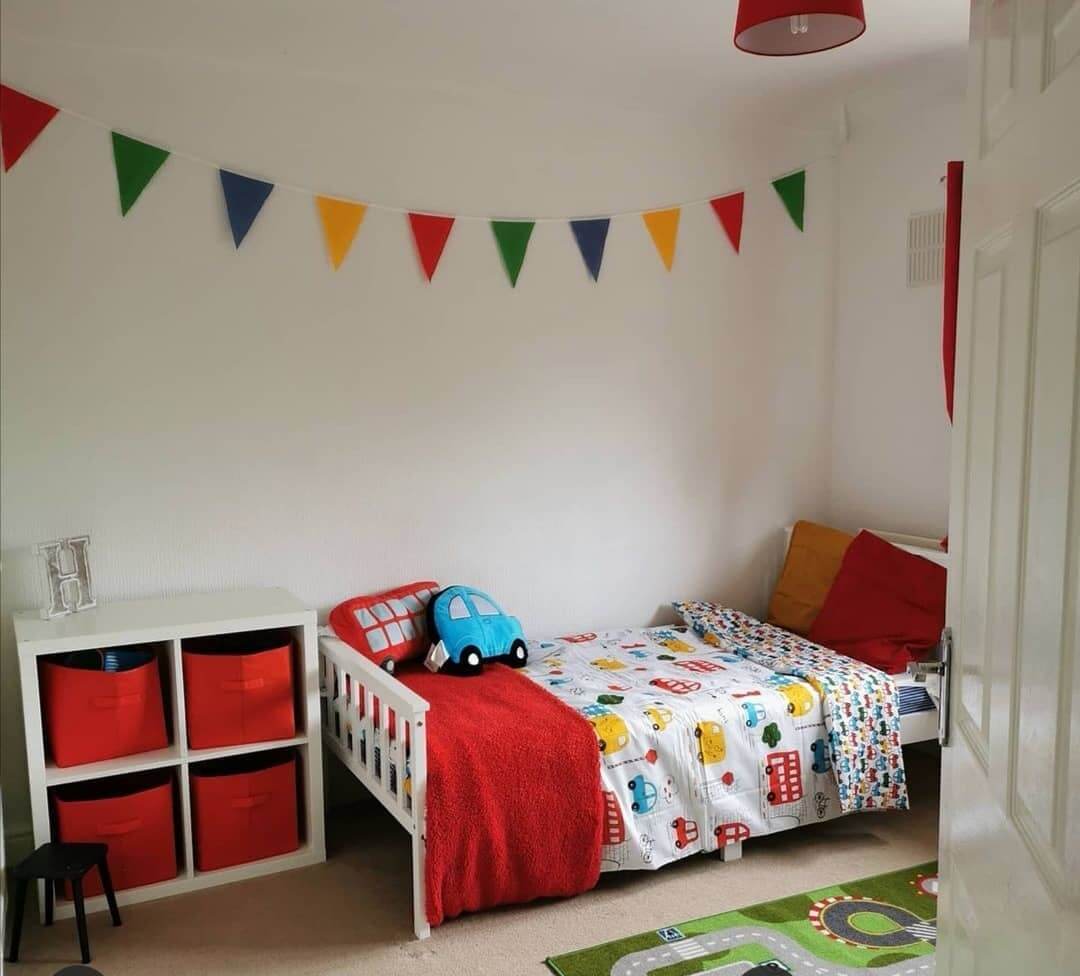
In tight rooms, a traditional nightstand hogs valuable inches. Create a minimalist bedside setup with a narrow floating ledge (even 3–4 inches deep) to hold a water bottle, book, and sound machine. Add a wall pocket or magazine file near pillow height for bedtime reads and a favorite plush—no piles on the floor. Clip-on or wall-mounted lights free the surface entirely and keep cords out of reach; warm bulbs and dimmers support wind-down routines. If the bed is against a wall, a shallow, wall-hugging caddy functions like a built-in without permanent drilling—perfect for rentals. Consider a soft bulletin strip above for reminders or a chore chart at kid height. This micro-station pairs with under-bed drawers for bulk storage and peg rails for robes, so the sleep zone stays calm and clutter-light. The result: all the function of a nightstand with none of the footprint, and a safer, easier-to-clean path around the bed.
Toy Rotation that Shrinks Visual Clutter (and Morning Cleanups)
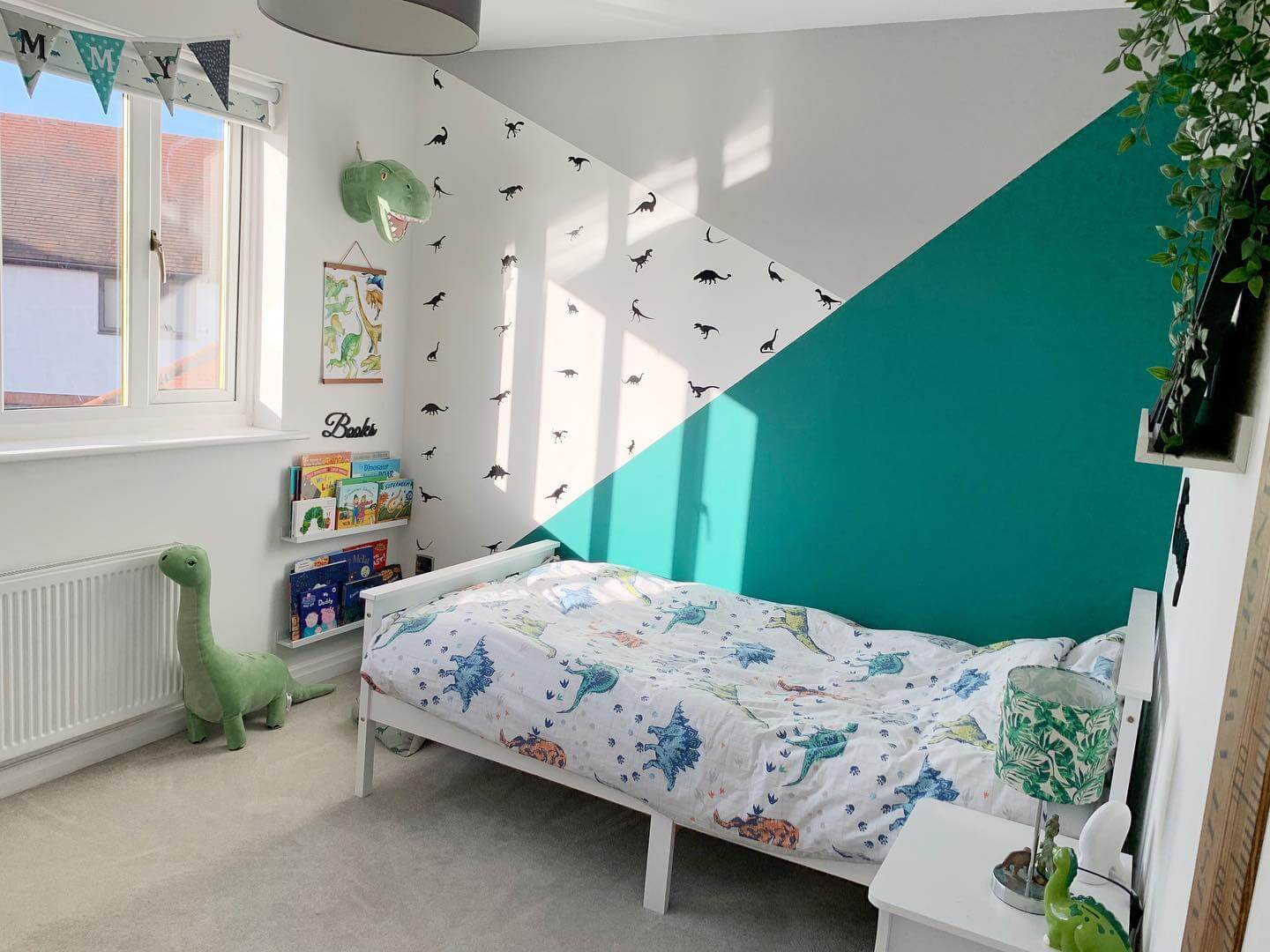
A small kids’ bedroom can’t hold every toy at once—and it shouldn’t. Create a simple rotation system: display 6–10 activities on open shelves at kid height, and store the rest in lidded bins under the bed or on the closet’s top shelf. Swap a few items weekly or biweekly to renew interest and lengthen independent play. Label bins with photos or icons plus words to build early literacy and make cleanup intuitive. Group by type (blocks, vehicles, pretend play, art) rather than by set to encourage creativity. Keep noisy or messy kits in a rolling cart that can migrate to the kitchen table, preserving the bedroom’s calm. Before bedtime, a two-minute “homes” routine—each toy returns to its shelf—restores order fast. This Montessori-inspired approach reduces visual noise, protects your floor space, and aligns with the room’s multifunctional layout, making the small footprint feel bigger because it’s not overloaded.
Make Friends with Corners: Cozy Nooks in Awkward Spaces
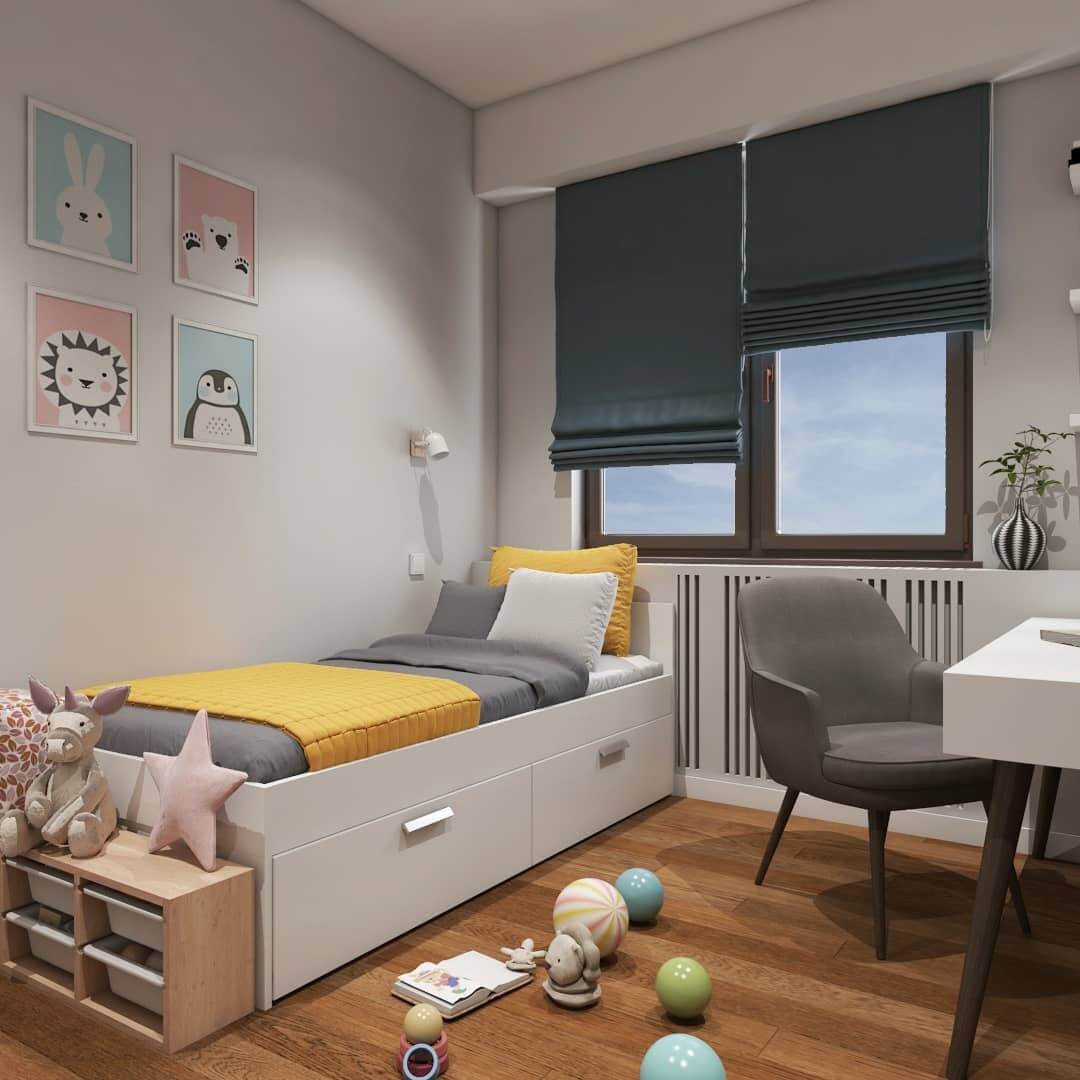
Corners are your secret square footage. Turn one into a reading nook with a tension-rod canopy or a corner-mounted shelf that doubles as a “roof,” then add a floor cushion or mini bean bag. A swing-arm sconce or clip light brings task lighting without a side table. For school-age kids, a triangular or rounded-edge corner desk slips where a standard desk won’t, with a pegboard above for vertical storage. Shallow corner book ledges display covers face-out, inviting independent reading while keeping footprints minimal. Even a laundry hamper tucks neatly into a dead zone if you add a wall hook to hang the bag off the floor. Keep materials soft and low-profile to preserve flow and sightlines across the room. By activating these awkward angles, you relieve pressure on the main wall runs for beds, wardrobes, and play—another way to “grow” a small room without moving a single wall.
A Window Seat or End-of-Bed Bench that Hides the Mess
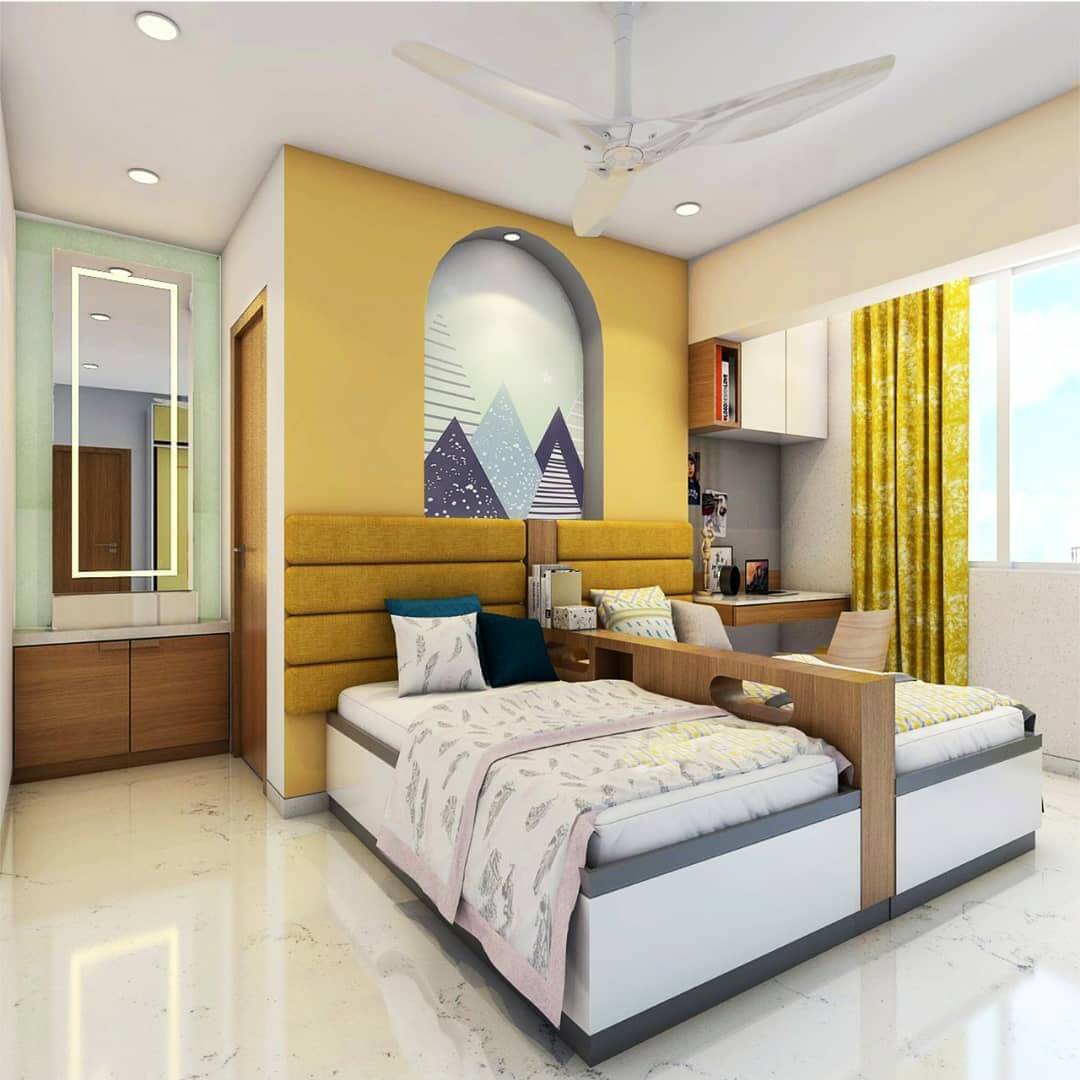
Multi-use seating is a small room MVP. A slim window seat with a lift-up, soft-close lid creates a bright reading perch and deep storage for dress-up clothes, bedding, or bulky toys. No window? Park a narrow bench at the end of the bed; choose one with drawers or baskets to stash pajamas and next-day outfits, streamlining morning routines. Add a washable cushion and a couple of bolsters to make it cozy, and cap the ends with low book cubbies to extend function without visual clutter. Ensure lids have safety hinges and that the bench is anchored if climbable. In bunk or loft rooms, the bench doubles as a step or staging spot for backpacks. This single piece adds seating, storage, and a visual “full stop” that makes a compact layout look intentional—and it keeps items off the floor so the play zone stays open.
Curate the Cute: Rotating Art Rails and Memory Ledges
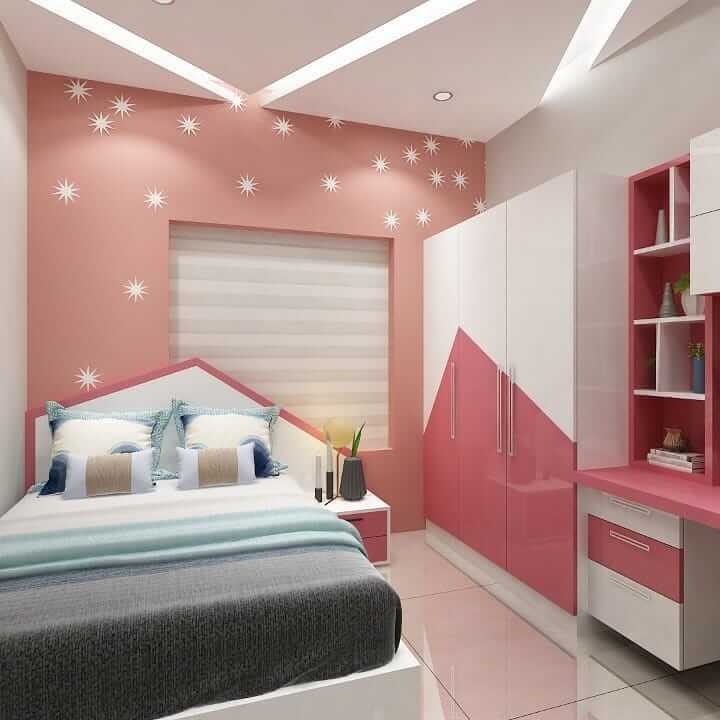
Kids produce a lot of art—celebrate it without drowning the room. Install a simple wire with clips, a cork strip, or shallow picture ledges to create a rotating gallery above a dresser or desk. Limit the display to a set number of pieces and swap weekly; store the rest in a portfolio under the bed or in a labeled archival box on the closet’s top shelf. Mix in a few framed favorites for permanence and let your child help curate to build pride and ownership. Choose lightweight frames or acrylic for safety, and keep the palette cohesive so the small space stays calm. Memory ledges can also hold a first teddy, travel treasures, or birthday cards—each with a “home,” not a pile. This system turns sentimental clutter into a design feature and syncs with your broader storage plan—book ledges, peg rails, and bins—so the room feels personal and tidy at once.
Swap the Swing: Sliding Doors and Soft Curtains to Gain Inches
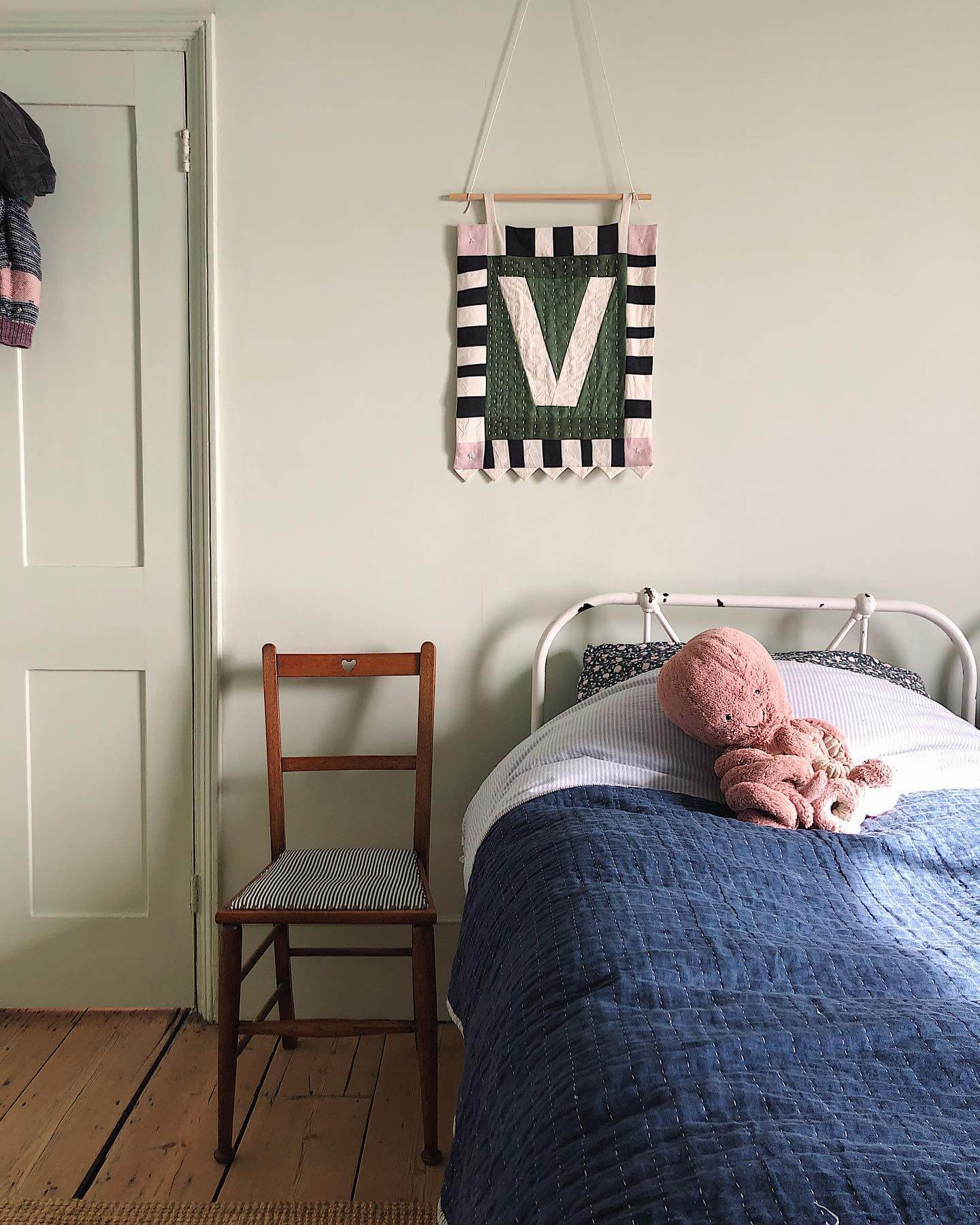
Door swings eat precious inches in a small kids’ bedroom. If you’re renovating, a pocket or sliding door can unlock an entire wall for a bed or wardrobe. In most rentals, you can still reclaim space by replacing bifold or bulky closet doors with low-profile bypass sliders or even a fabric curtain on a ceiling track. The result: no clearance zone to maintain and easier access to the full closet width. Choose soft-close hardware and finger-safe edges for kids. A floor-to-ceiling curtain visually heightens the room and doubles as texture and color—coordinate with your blackout panels for cohesion. For shared rooms, a curtain can also create temporary privacy around a bunk or desk. Plan furniture placements after removing swing arcs; you may fit a wider dresser, a reading chair, or that storage bench you’ve been eyeing. Sometimes “adding space” is as simple as giving doors a smarter job.
Loft the Bed, Double the Floor: Play-Under Storage that Grows
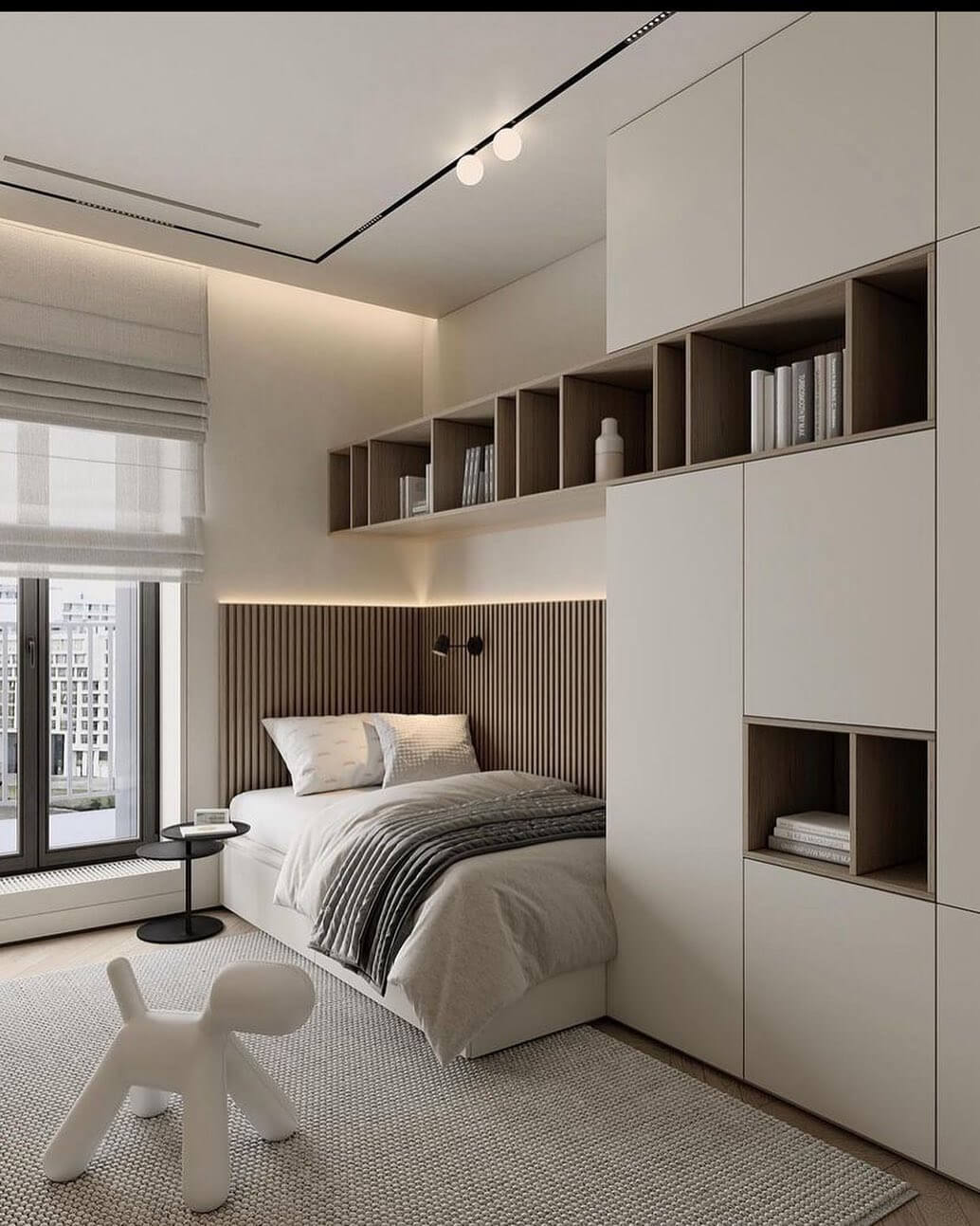
When square footage is tight, a lofted twin instantly unlocks a second “room” beneath it. Use that under-bed zone as a flexible hub that can evolve from play kitchen to reading club to homework perch without adding clutter. Start with a shallow wall rail or pegboard panel to hang headphones, art caddies, and dress-up gear at kid height, then add a narrow rolling cart that tucks away at lights-out. A curtain on a ceiling track turns the nook into a cozy fort and hides visual mess—great for quick tidy-ups before bed. Keep safety top of mind: anchor the loft to studs, add anti-slip treads, and ensure the guardrail sits at least 5 inches above the top of the mattress. Aim for around 30 inches of clearance below so kids can sit comfortably. A soft, low-pile rug defines the play area and dampens sound in small spaces, while a warm, dimmable clip-on light supports both calming bedtime stories and focused crafts. As your child grows, swap bins and labels, not furniture—the ultimate small kids’ bedroom win.
Built-In Bunks with Stair Drawers and Individual Light Zones
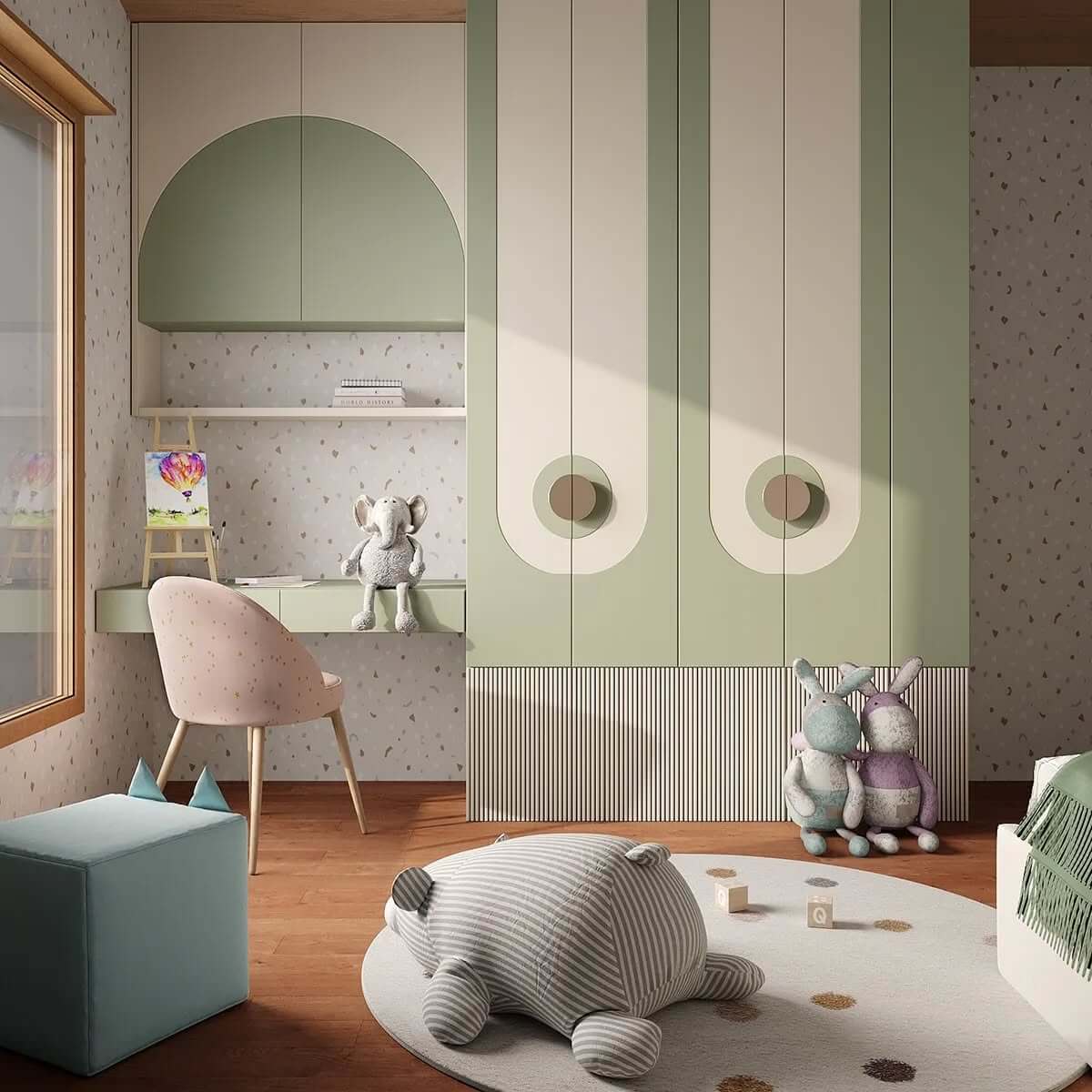
For siblings or frequent sleepovers, built-in bunks tame tight footprints while adding serious storage. Choose a stair stack over a ladder if you can—each tread can hide deep drawers for pajamas, spare sheets, or the toy sets you want off the floor. Plan generous guardrails and target about 36 inches of head clearance for the top bunk if ceiling height allows. Mount a sconce or puck light in each bunk with its own switch, so one child can read while the other sleeps. Privacy curtains on simple tension rods keep the room calm and reduce disputes at bedtime. To prevent dust traps in tiny rooms, run bunks wall-to-wall or finish with a full-height gable panel. Keep cords concealed with raceways, specify soft-close hardware, and label drawers with icons for non-readers. If this is a rental, a freestanding bunk with a stair chest gives the built-in look without construction—and still preserves floor space for play. The result: a compact, quiet, and safe sleep zone that grows with your kids.
Under-Bed MVPs: Trundles, Deep Drawers, and Slide-Out Play
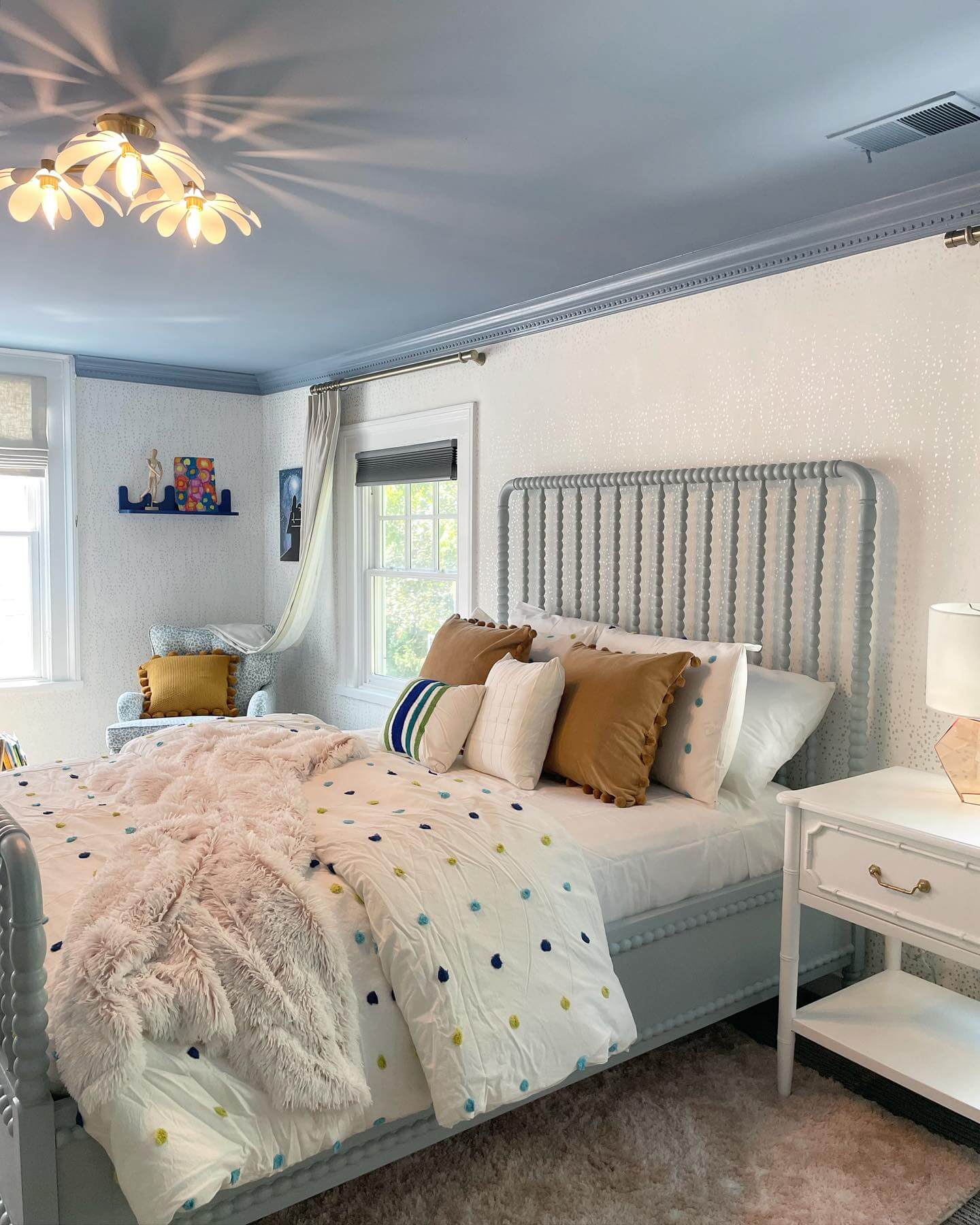
Make the dead zone under a kid’s bed work triple-time. A low trundle extends sleep capacity for cousins and sleepovers without sacrificing floor space, then slides away by morning. Pair it with two deep drawers on full-extension runners for bulky bedding, off-season clothes, or block sets. If your child builds often, consider a slim, slide-out play surface with a lip to contain tiny pieces; felt pads and hidden casters protect floors and keep movement quiet. Use icon labels so even pre-readers know where things live—and set a “one drawer in, one out” rule to cap clutter. A toe-kick motion light offers a safe glow for night bathroom trips, while a fitted dust panel keeps bunnies at bay in tight rooms. Aim for 12–14 inches of clear height under the bed to fit standard trundles or bins, and add stops so little fingers don’t get pinched. The payoff is a room that flips from sleep to play to tidy in minutes.
Pegboard + Rail Systems: Vertical Storage Kids Can Reach
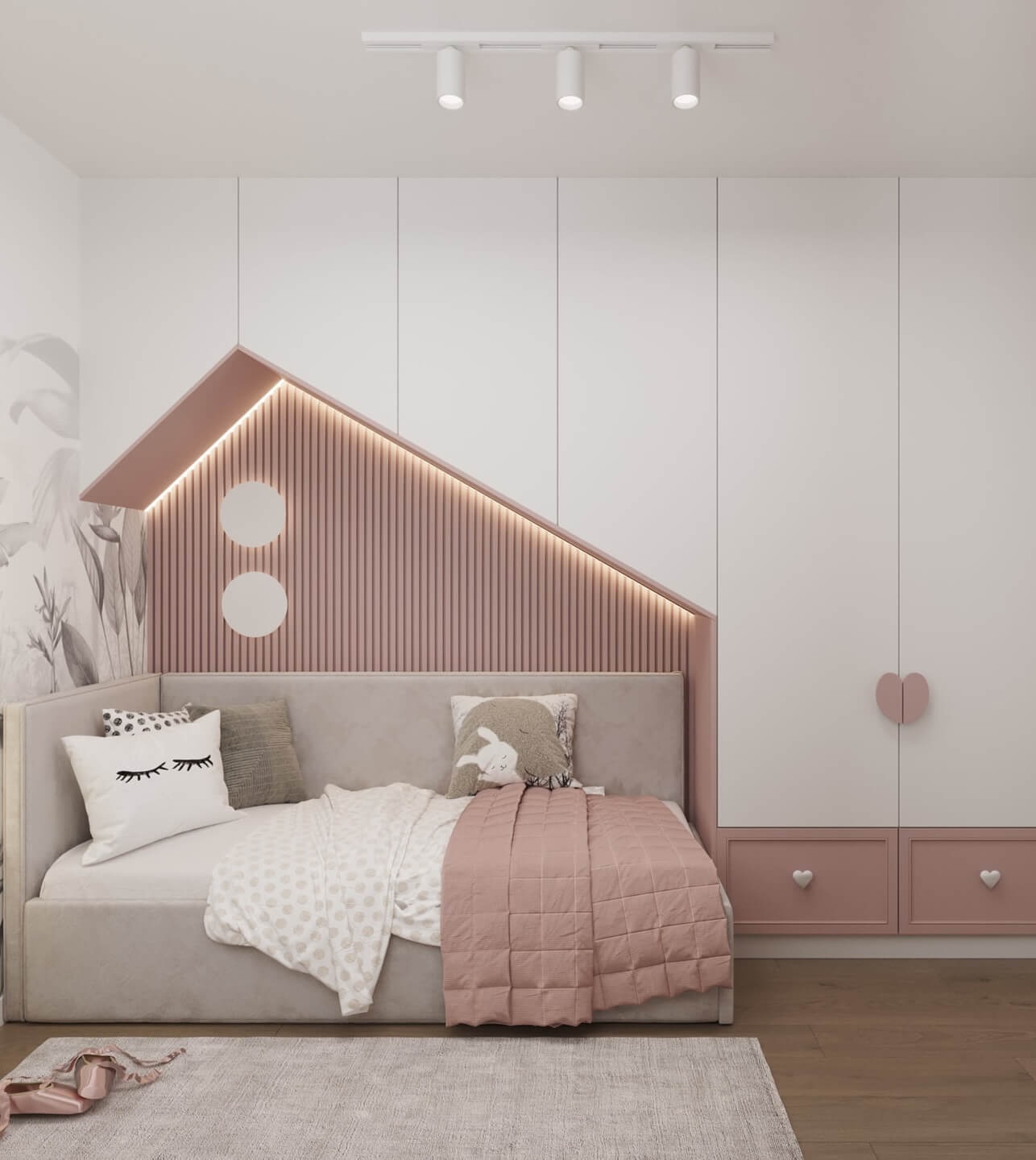
Walls are your biggest storage asset in a small kids’ bedroom—especially when you make them flexible. A pegboard or rail system turns empty wall space into a customizable station for everyday essentials. Hang baskets for socks and hair accessories, hooks for backpacks and costumes, and a narrow shelf for trophies or bedtime buddies. Keep the most-used items between 24 and 48 inches from the floor for kid independence, and anchor the panel to studs for safety. Add a mini “get-ready” zone with a mirror, a weekly outfit hanger, and a tray for tomorrow’s library books to reduce morning bottlenecks. Because visual noise can make small rooms feel crowded, group items by color or material and use matching bins to calm the look. Rotate what’s displayed with the seasons and move hooks as needs change—no new furniture required. Bonus: this system pairs perfectly with toy rotation, keeping only a curated few favorites in sight and the rest stashed up high.
Front-Facing Book Ledges to Power Wind-Down Routines
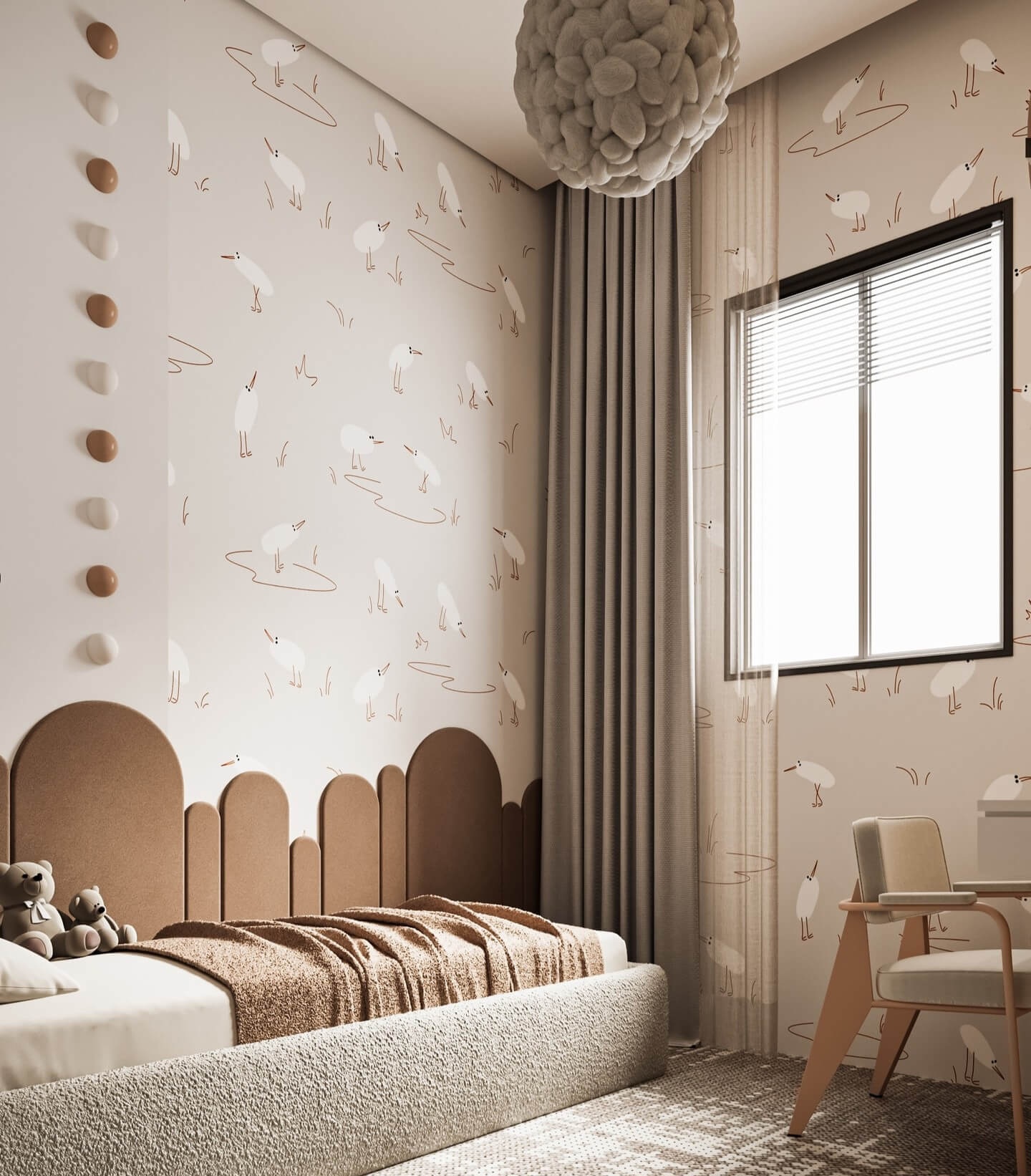
Bulky bookcases eat floor space. Slim, front-facing ledges create a “mini library wall” that encourages reading without crowding the room. Mount two or three short rows beside the bed or a beanbag chair so kids can see covers at a glance and choose their own stories—great for building independence and nightly routines. Keep the lowest shelf within easy reach and reserve the top for rotation or library returns. Mix board books with a few calm-color spines to reduce visual clutter. A warm, dimmable sconce nearby keeps light focused on pages and away from sleepy eyes, supporting better bedtime habits in small spaces. Corral bookmarks and glasses on a narrow wall-mounted tray instead of a bulky nightstand, and use a slim stool that tucks under when not needed. Rotate titles weekly to keep interest high and the collection manageable; everything else lives in labeled bins under the bed. It’s a space-saving, literacy-boosting upgrade that grows with your child.
Over-Door and Ceiling Space: Shelves, Nets, and Hooks Done Safely

Look up for extra storage. An over-door shelf or shallow cabinet turns the least-used airspace into a stash for out-of-rotation toys, keepsakes, or spare diapers. Use matching boxes and clear labels so retrieval is quick. For plush mountains, a mesh corner hammock anchored into studs frees the bed and floor—just keep it above head height and away from the window path. Ceiling hooks can support a lightweight canopy, reading tent, or sensory swing alternative (like a fabric pod rated for kids), but verify load ratings and use proper anchors. In very small bedrooms, these vertical moves keep surfaces clear and make cleaning faster. Protect doors by leaving at least an inch of clearance above, and secure decor with museum putty to avoid tumbles during enthusiastic play. The visual effect is tidy and airy: storage disappears upward, while the kid zone at ground level stays open for puzzles, block towers, and getting dressed without bumping elbows.
Smart Lighting Layers in Tiny Rooms: Dimmers, Sensors, and Glow Paths
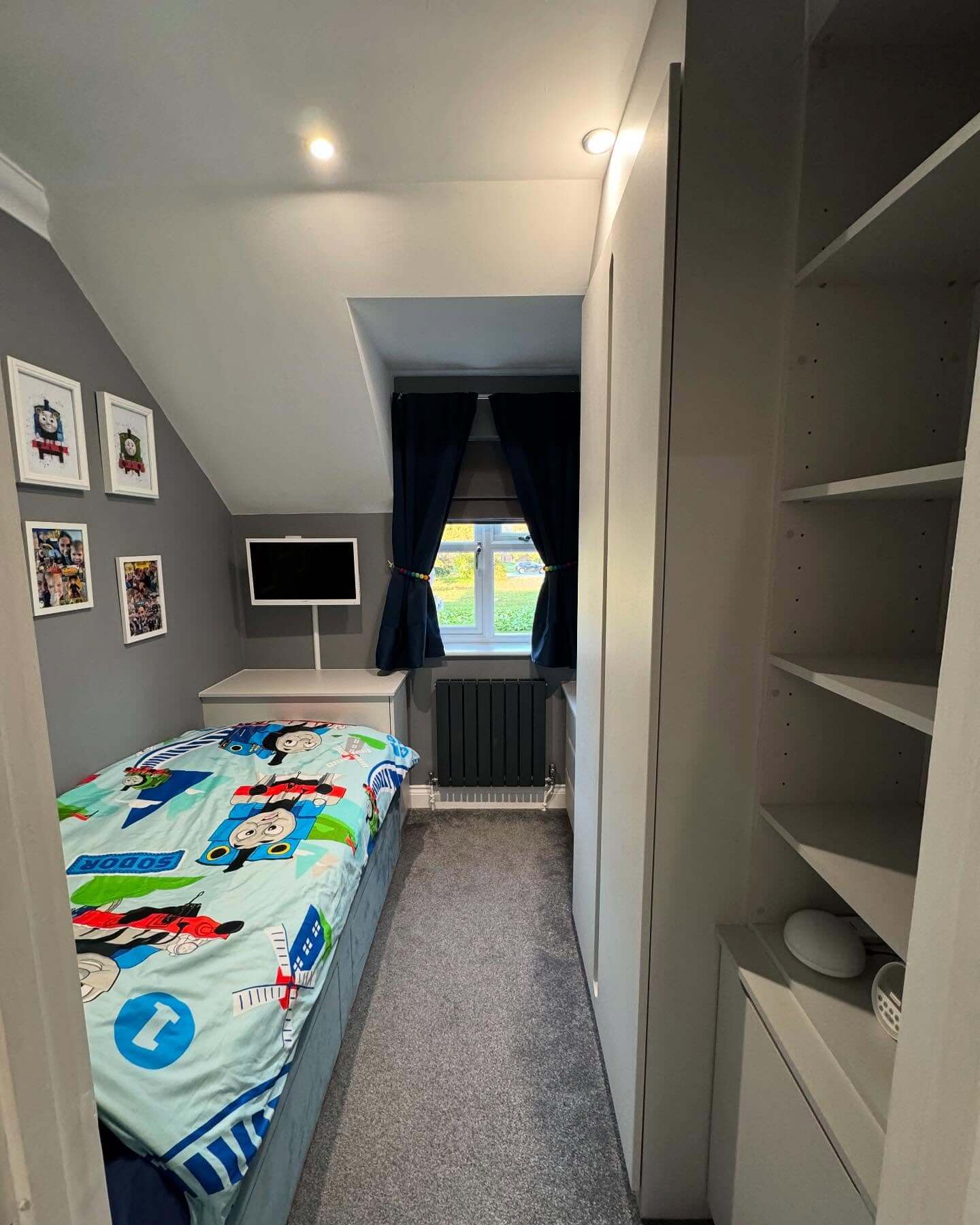
In compact kids’ rooms, thoughtful lighting supports both calm nights and productive play. Start with a warm 2700K ceiling fixture on a dimmer to ease transitions from playtime to bedtime. Add task lighting where it counts: a plug-in sconce by the bed for reading and a focused lamp at the desk that tucks away. Motion-sensor toe-kick or under-bed lights create a safe pathway for late-night bathroom trips without waking siblings. Inside closets and cubbies, battery puck lights brighten dark corners and make it easier for kids to put things back. Hide cords with paintable raceways and choose shatter-resistant bulbs. If your child is light-sensitive, pair lighting with blackout curtain layers already in your window plan; if they need reassurance, a low-glow nightlight on a smart plug can shut off automatically after storytime. The goal is simple: light when it’s helpful, dark when it’s restful—without adding bulky fixtures that crowd a small footprint.
Layout Blueprints: One Long Wall for Sleep, One Tall Wall for Storage
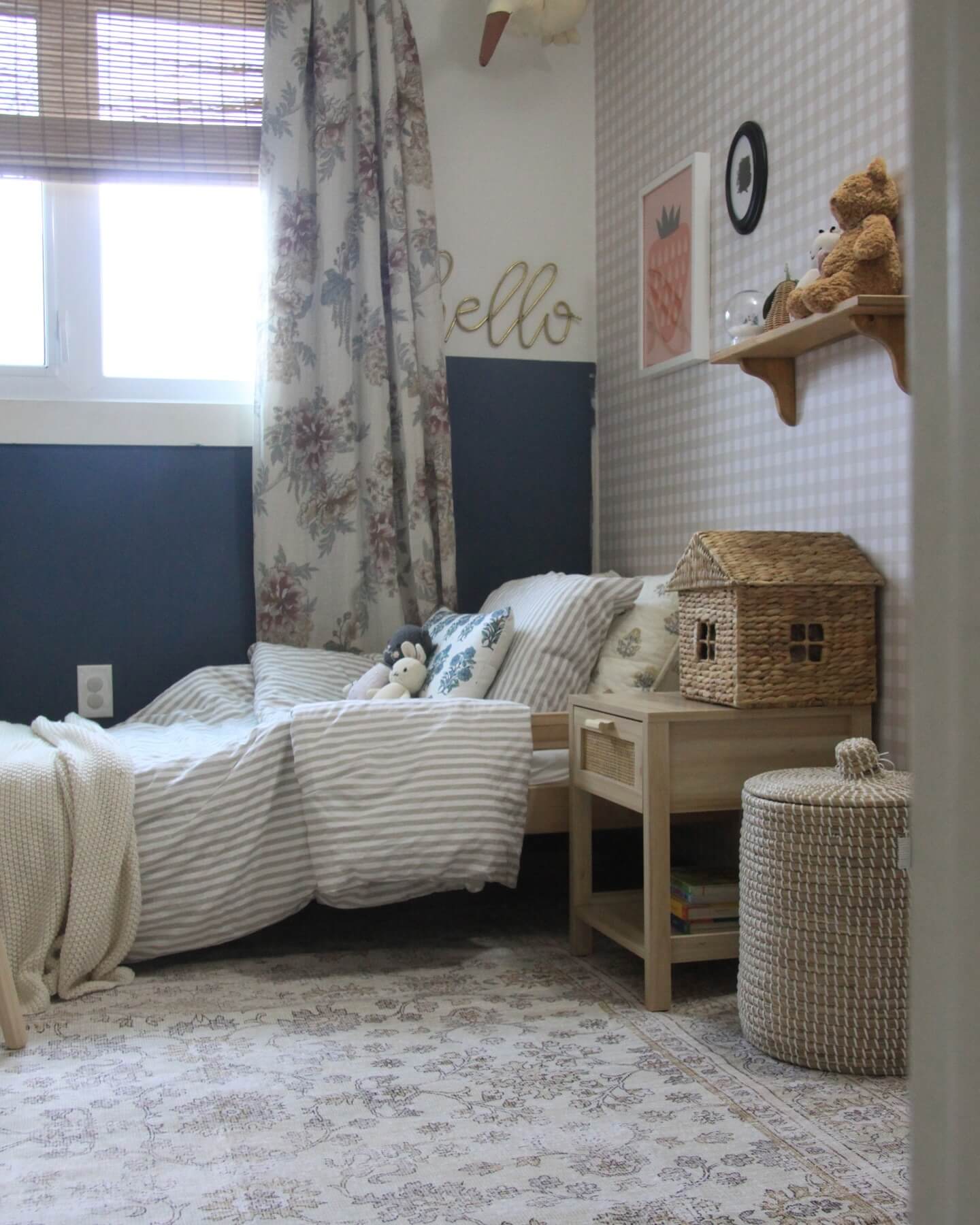
When every inch counts, a clear floor plan does the heavy lifting. Try the “long wall/tall wall” approach: push the bed (or bunks) along the room’s longest uninterrupted wall to open a central play lane, then assign the tallest storage—wardrobe, bookshelf tower, or stacked cubes—to a single adjacent wall. This consolidates bulk, preserves sightlines, and makes a small bedroom feel bigger. Leave a 30–36 inch pathway from door to bed for easy nighttime access, and avoid blocking natural light with tall furniture. Mirrors opposite the window bounce brightness deeper into the room without adding clutter. Keep furniture depths slim (12–16 inches for storage, standard twin bed widths) and choose pieces with legs to reveal more floor, visually expanding the space. Use a single, right-sized rug to anchor the play zone without tripping door swings. With clear zones and circulation, cleanup is faster, sharing is smoother, and the room works harder all day.
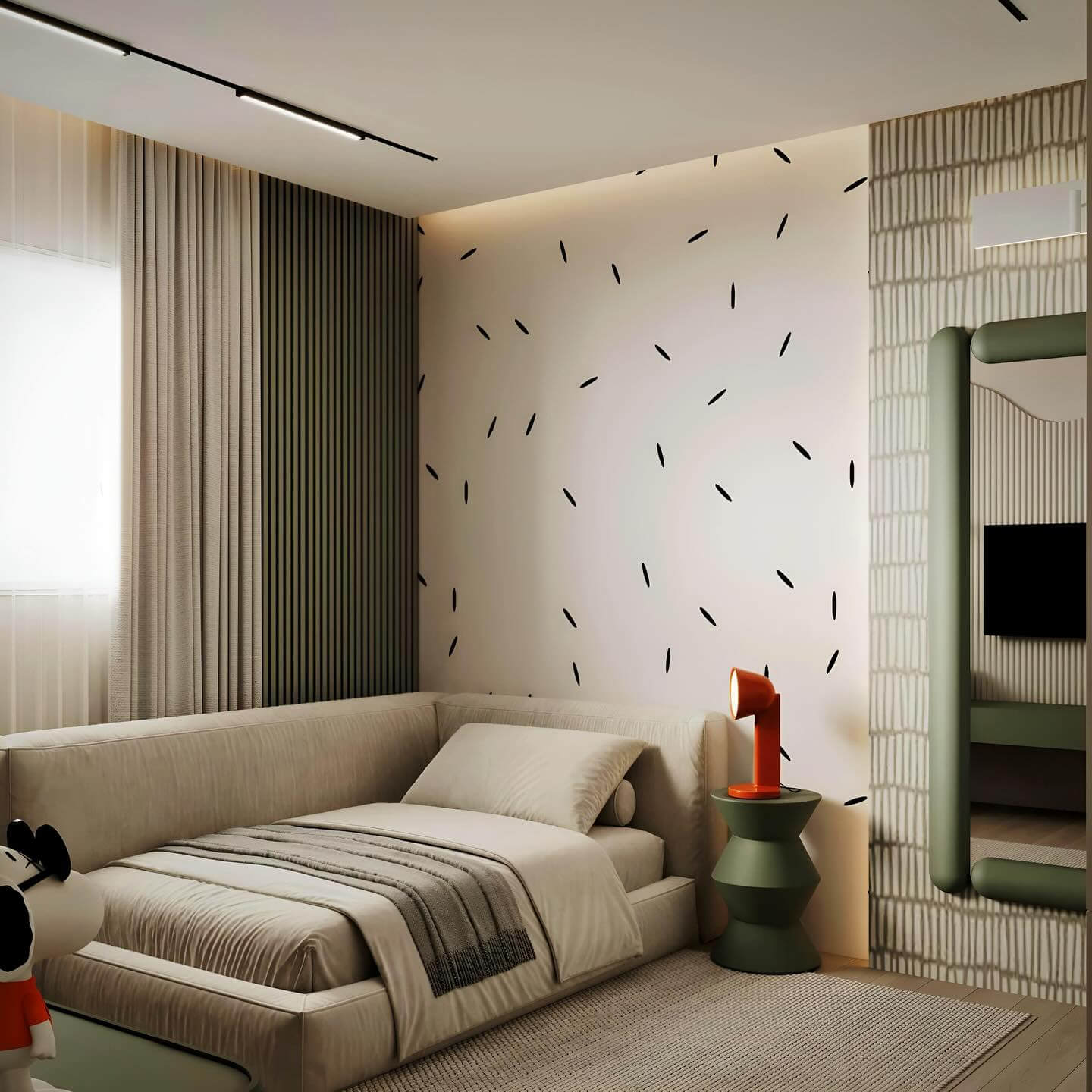
Personalization doesn’t need to equal clutter, especially in a shared kids’ bedroom. Give each child a color or symbol and repeat it across hangers, bins, towel hooks, and bedding trims so ownership is obvious without labels shouting from every surface. Create symmetry—two narrow ledges for treasures, two hooks for backpacks, two shelves at equal heights—so the room feels fair. Add soft boundaries with a simple canopy over each bed or a headboard mural color-block that defines “my side” while keeping the palette cohesive. For the closet, split rods left/right and use matching boxes up high for shared items. A compact sound machine and soft textiles (curtains, rug, upholstered bench) keep noise down in small quarters. Establish house rules that keep the peace: 10-minute tidy timer, one display shelf per kid, weekly toy swap. The result is a streamlined space where personalities shine and floors stay clear—ideal for small rooms doing big jobs.
Playful Decor and Color Themes: Small Kids Bedroom Ideas That Grow with Your Child
Color and decor should expand the room visually while expressing your child’s personality. Start with light, airy bases—warm whites, pale sage, or powder blue—then introduce saturated accents sparingly to avoid visual noise. Choose one focal wall or hero textile instead of many busy patterns competing for attention. Removable wallpapers, decals, and interchangeable art keep updates easy as interests shift from princesses to planets. Natural materials like wood, rattan, and cotton add warmth and texture without overwhelming small footprints.
Decor Moves That Maximize Personality in Small Rooms:
- Use a light base like soft white, blush, or misty blue, then weave in two accent colors through textiles, art, and storage to avoid visual clutter.
- Choose large-scale patterns on one surface only—rug, curtains, or wallpaper—so the eye rests, making the room feel bigger while still delivering playful character.
- Pick removable decals or peel-and-stick murals for themes, letting you swap dinosaurs for space or rainbows without repainting when interests evolve.
- Layer tactile textiles—chunky knit throws, tufted rugs, and velvet cushions—to create cozy depth, add sound absorption, and soften corners, improving both comfort and acoustics.
- Create a rotating display zone with shallow ledges or clip rails, keeping art vertical and compressed, so masterpieces shine without covering precious floor or desk space.
- Coordinate storage bins by color family to guide tidying habits; green for blocks, blue for books, yellow for dolls, so kids remember destinations and cleanup becomes faster.
Thoughtful lighting elevates tiny rooms: combine diffuse overhead light with clip-on reading lamps and string lights that double as gentle night illumination. Opt for breezy curtains mounted high to elongate walls, and blackout liners for restful naps. Choose a bold rug sized to the largest open zone, visually defining play while cushioning falls and muffling sound. Keep themes flexible with swappable pillowcases, banners, and lamp shades, so a pirate phase can transition into science without major purchases. Finish with personal touches—name pennants, framed photos, or travel pins—that feel meaningful yet remain uncluttered and easy to dust.
Answers to Your Tiniest Room Challenges
What bed size works best in a small kids room?
A twin or narrow twin maximizes floor area for play and storage. If sharing, consider bunk or loft setups to stack function vertically and preserve open space.
How do I fit two kids in one small bedroom?
Zone the room with a rug for play, a shared desk for study, and individualized bedding for personality. Use vertical storage, over-door organizers, and underbed bins to reclaim every inch.
Which colors make a small kids room feel larger?
Light, warm neutrals with cool undertones—like soft white, pale sage, or powder blue—reflect more light and open the space. Add limited saturated accents for energy without overwhelming the room.
How can I keep toys organized without bulky furniture?
Combine labeled bins, wall-mounted shelves, and pegboards to lift storage off the floor. Clear pockets and rolling underbed bins maintain visibility, speed cleanup, and build independent habits.
Final Verdict: Small Room, Big Potential
A small kids’ bedroom succeeds when every inch has a job and the room still feels light, playful, and calm. Start by anchoring the layout around the bed, then go vertical with lofts, bunks, and wall systems that pull storage off the floor. Choose grow-with-me furniture, soft-neutral color palettes with cheerful accents, and layered lighting that adapts from bedtime to homework. Safety-first details—sturdy anchors, rounded edges, and blackout layers—make the space feel secure while quietly supporting better sleep and smoother routines.
From shared rooms to studio-sized nooks, the same rules apply: zone clearly, store smartly, and keep the cute curated. Peg rails, front-facing book ledges, and cube bins bring order within kid reach; sliding doors and slim bedside ledges save precious inches; decals, color-blocking, and art rails let the look evolve without repainting. Pair toy rotation with an easy reset ritual, and your tidy-by-design space will stay inviting long after the novelty fades.
Measure once, map zones, and invest in flexible foundations you can remix over time. With these small kids’ bedroom ideas—lofted beds, under-bed MVPs, modular storage, and calming palettes—you’ll maximize space, simplify cleanups, and spark big imaginations in even the tiniest room.
