
Adorable Toddler Bedroom Ideas for Any Budget

Turning a nursery into a toddler-ready room doesn’t have to be overwhelming. With a few smart swaps and playful touches, you can create a space that’s safe, calming, and full of personality—without sacrificing style.
In this guide to toddler bedroom ideas, we’ll focus on what actually works day to day: low-to-the-ground beds, Montessori-friendly layouts, soft lighting, and storage solutions that tame toy chaos. Expect practical tips that grow with your child, from neutral color palettes to kid-proof textiles.
Whether you’re working with a tiny room, a tight budget, or a bold theme, you’ll find easy ways to blend sleep, play, and learning. Get ready for cozy reading nooks, space-saving layouts, and design details that encourage independence—and make the whole room feel magical.
Space-Savvy Toddler Bedroom Ideas for Small Rooms
Small rooms demand precise planning, starting with accurate measurements and a simple, scaled layout sketch. Choose furniture with two jobs, like a convertible crib-to-toddler bed or a storage bench that doubles as a reading perch. Low, open pieces keep sightlines clear so the room feels bigger and safer for newly mobile kids. Light, airy colors with one bold accent wall balance calm with personality, and mirrors amplify daylight without adding clutter. Keep pathways wide enough for caregivers to kneel beside the bed and for little feet to navigate midnight potty trips without obstacles.
- Opt for a low floor bed to reduce fall risk, free visual space, and encourage independence; pair with a breathable guard and low art prints to define cozy boundaries.
- Swap bulky dressers for a slim wardrobe plus under-bed drawers; add interior lights and low pull handles so toddlers can choose outfits while saving valuable floor area.
- Mount ribbed book ledges at toddler height to face-out display covers, simplify choices, and spark nightly reading; keep only eight to ten books visible to prevent overload.
- Choose a folding play table with nesting stools; open it for art or snacks, then stow flat behind a wardrobe to reclaim space for gross-motor movement and floor play.
- Install cordless blackout rollers layered with sheer curtains to control naps while keeping daylight; the dual treatment saves space, adds softness, and avoids hazardous cords entirely.
- Use over-door hooks and a peg rail along one wall for backpacks, capes, and hats; vertical hanging clears floors, speeds cleanup, and reinforces consistent storage habits.
Use zoning to control clutter and behaviors; define sleep, play, and dressing areas with rugs, lighting, and purposeful storage. A single soft rug under the bed warms toes, while a wipe-clean play mat anchors building blocks in the designated play corner. Rotate toys weekly into clear, lidded bins stored in a closet or under-bed drawer to maintain novelty and easy tidying. Add dimmable, warm lighting for bedtime and brighter task lighting for puzzles or dressing, keeping controls reachable for toddlers. Select cohesive materials—birch, white, and natural textiles—to create continuity, letting seasonal pillows or art provide fresh style without redoing the whole room.
Montessori Floor Bed: The Easiest Upgrade for Independent Sleep
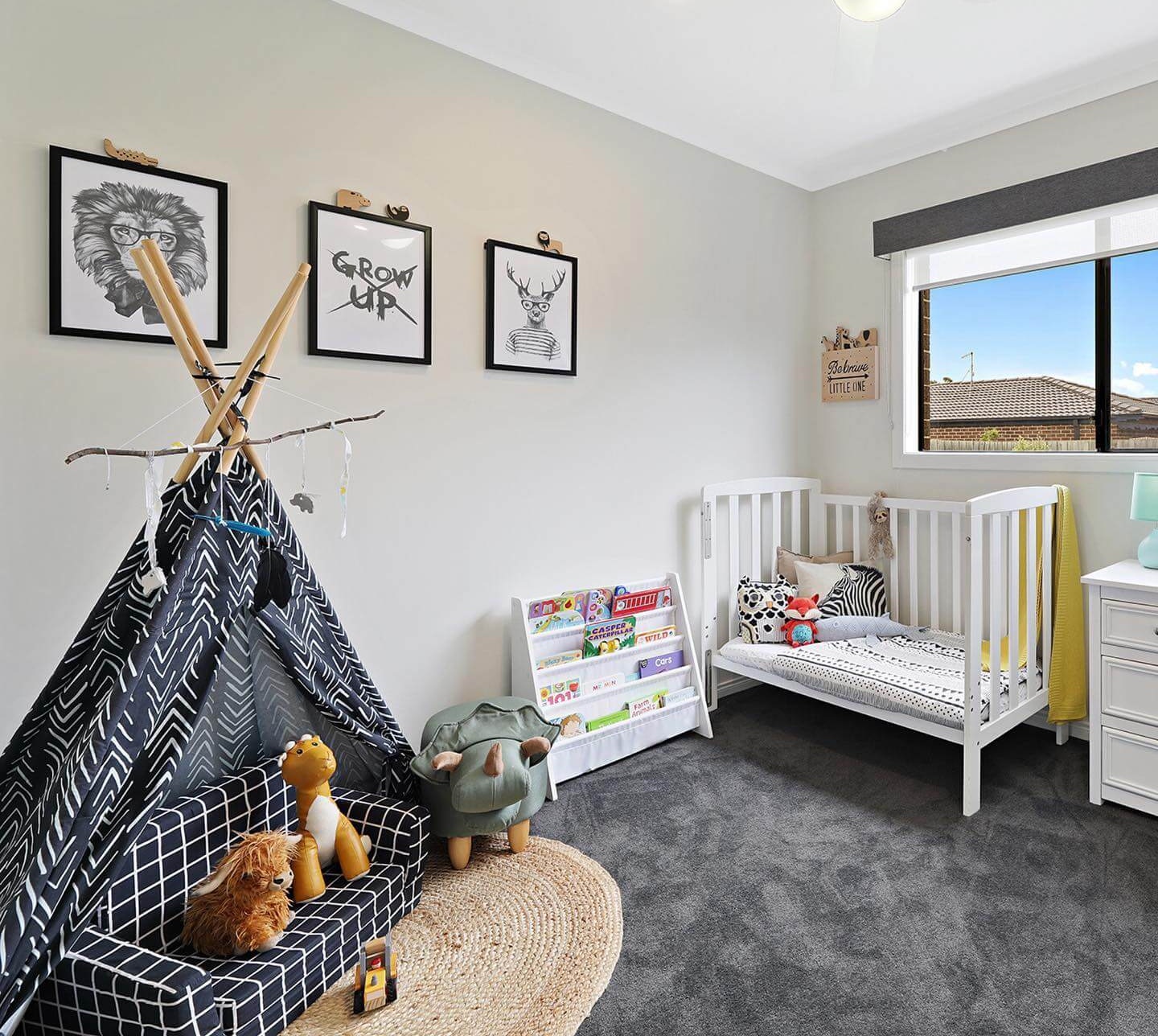
A low-to-the-ground bed is the cornerstone of a toddler-friendly space. It encourages independence, reduces falls, and turns bedtime into a calm, self-directed ritual. Choose a simple floor bed or house-style frame with a snug mattress and a breathable, fitted sheet. Add a soft “landing zone” with a washable rug next to the bed and consider a bumper or guardrail if your child is still mastering transitions. Keep essentials within reach: a basket for a favorite lovey, a few bedtime books, and a toddler clock that visually cues sleep and wake times. For better sleep hygiene, install blackout shades and switch to warm bulbs (2700K or lower) to signal wind-down. In true Montessori fashion, keep sightlines clear so your toddler can navigate the room safely at night. Anchor furniture, use cord-free blinds, and cover outlets to make independent movement worry-free. This simple swap anchors the entire room, making the rest of your toddler bedroom ideas—storage, lighting, and play zones—work seamlessly around sleep.
Cozy Reading Nook with Forward-Facing Shelves
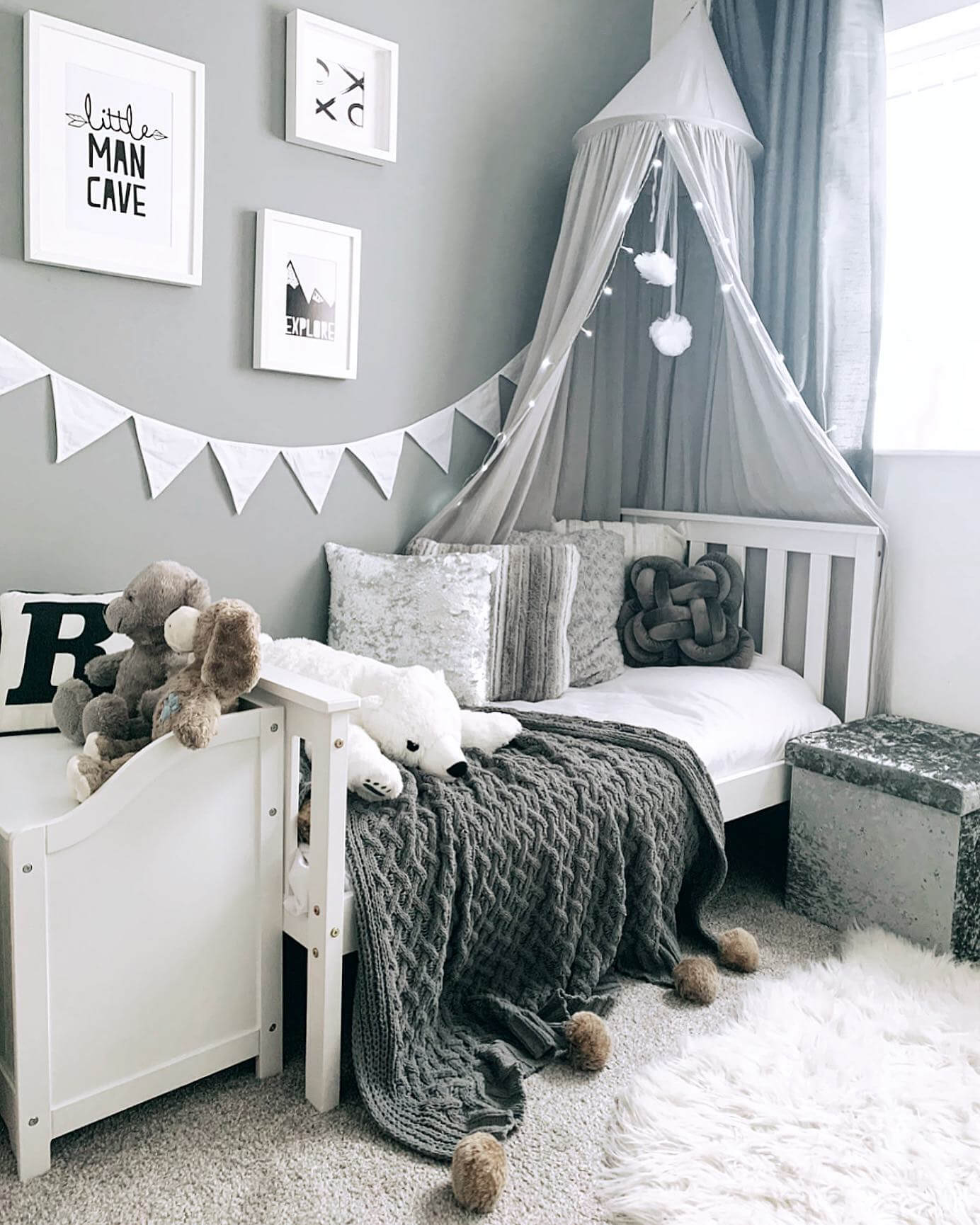
Create a snug reading corner that invites daily wind-downs. Forward-facing bookshelves (or ledges) let toddlers see covers at a glance, making independent choices easier and boosting early literacy. Keep the selection small and intentional—rotate five to eight titles weekly to keep interest high without visual clutter. Layer in a floor cushion, mini chair, or beanbag plus a soft throw for tactile comfort. Add a low sconce or clip light on a dimmer to transition from active play to quiet time, and keep a small basket for library returns or seasonal reads. If space allows, frame the nook with a canopy or arch paint detail to define the zone without adding bulk. This dedicated spot supports your bedtime rhythm: bath, books, lights low, sleep. It also pairs beautifully with a Montessori-style floor bed, reinforcing independence as your toddler chooses a story and learns to put it away. Result: a calming routine that makes bedtime easier and your toddler’s room feel purposeful.
Toy Rotation and Open Shelving That Calms the Room
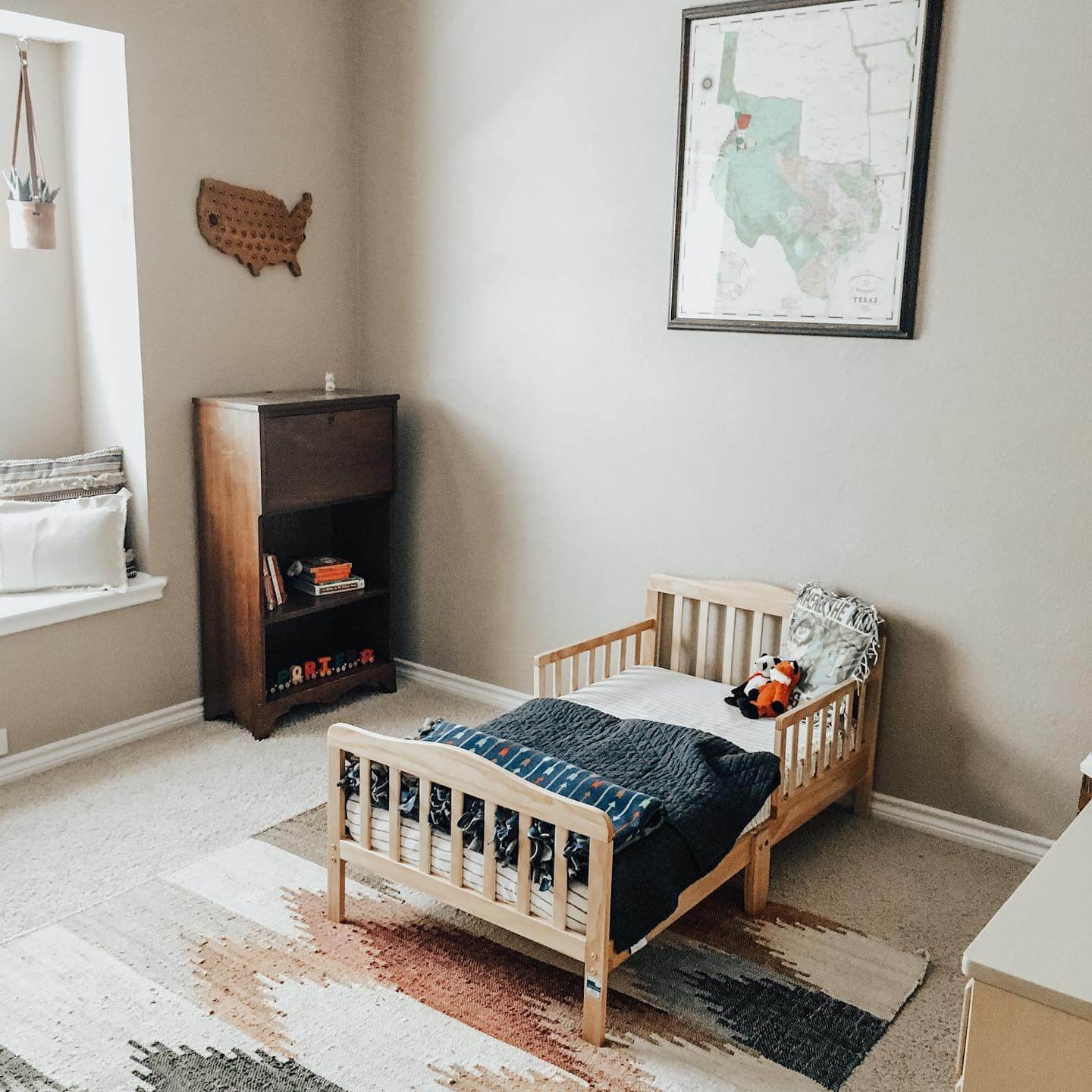
Visual simplicity equals calmer play. Swap overflowing bins for a single low shelf with just a few inviting options—think eight to ten open-ended toys, each in its own basket or tray. Use photo or picture labels so your toddler can match items to their “home” independently. This Montessori-inspired setup encourages deeper, longer play sessions and makes cleanup fast. Store extras out of sight in a closet or under-bed bin, and rotate weekly to keep engagement high without buying more. Include a couple of “actions” across categories—stacking, sorting, small-world, fine-motor—so play feels varied. A small parking mat for cars or a tray for puzzles contains mess while still being accessible. Keep art supplies and messy materials up high and bring them down intentionally. The result is a tidy, breathable toddler bedroom that doubles as a play space without feeling chaotic. Fewer, better toys on open shelving are one of the most effective toddler bedroom ideas for sanity, style, and skill building.
Layered Lighting That Signals Sleep
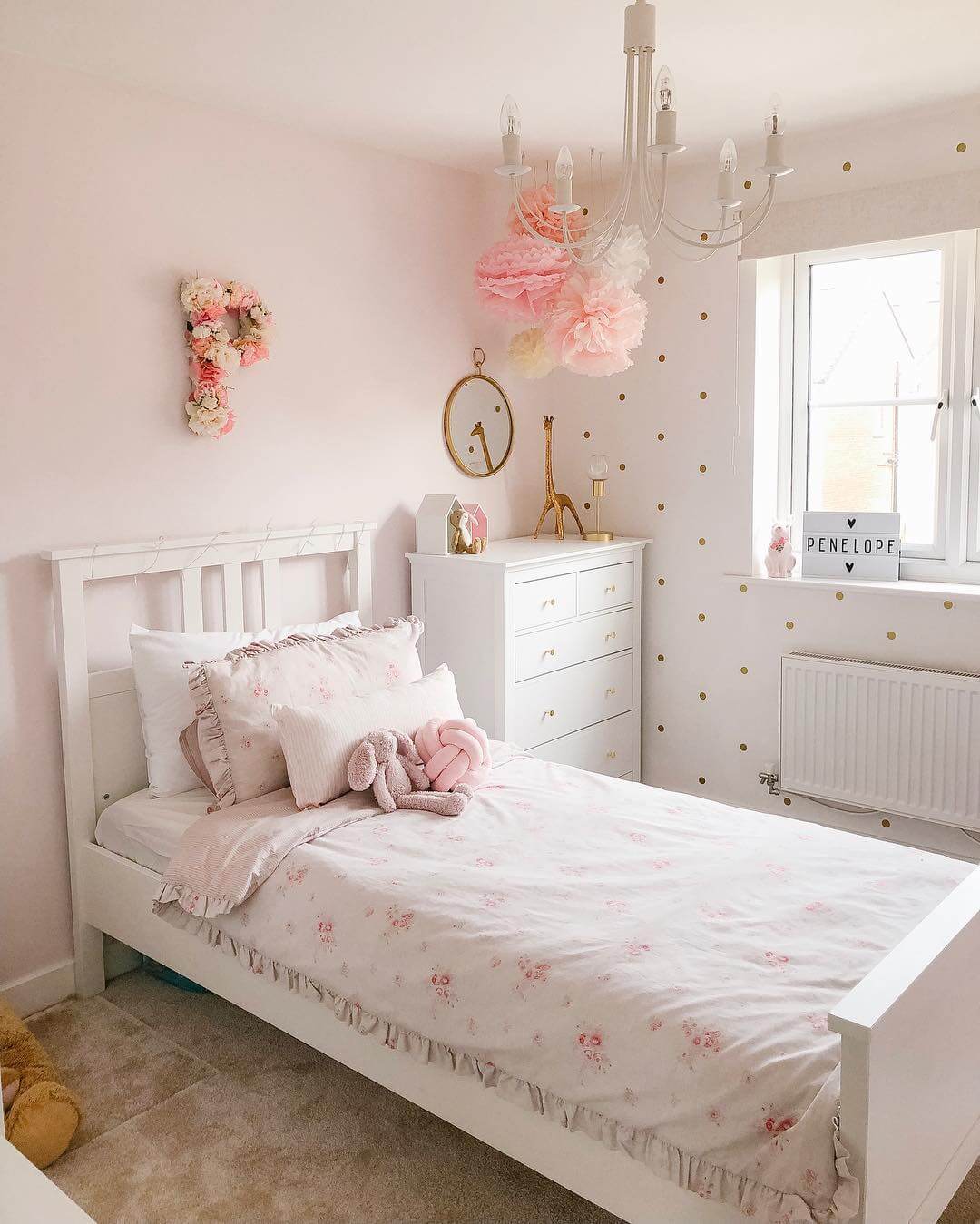
Lighting can make or break bedtime. Plan three layers: ambient (overhead), task (for reading or dressing), and accent (for softness). Put the ceiling light on a dimmer and choose warm bulbs (2700K or below) to minimize blue light. Add a sconce or clip light by the bed or reading nook for targeted glow; aim it down to keep eyes relaxed. A small nightlight helps toddlers feel secure—look for motion-sensing options near the door or potty path so they’re guided without fully waking. During the day, welcome natural light with sheer curtains; at night, blackout shades ensure consistent sleep. Keep switches low or use remote dimmers so your child can participate in the routine: lights to medium for cleanup, low for stories, then nightlight only for sleep. This predictable lighting script is a quiet cue that it’s time to wind down, and it integrates beautifully with other toddler room ideas like a floor bed and book corner.
Neutral Base, Playful Pops: A Palette That Grows with Your Toddler
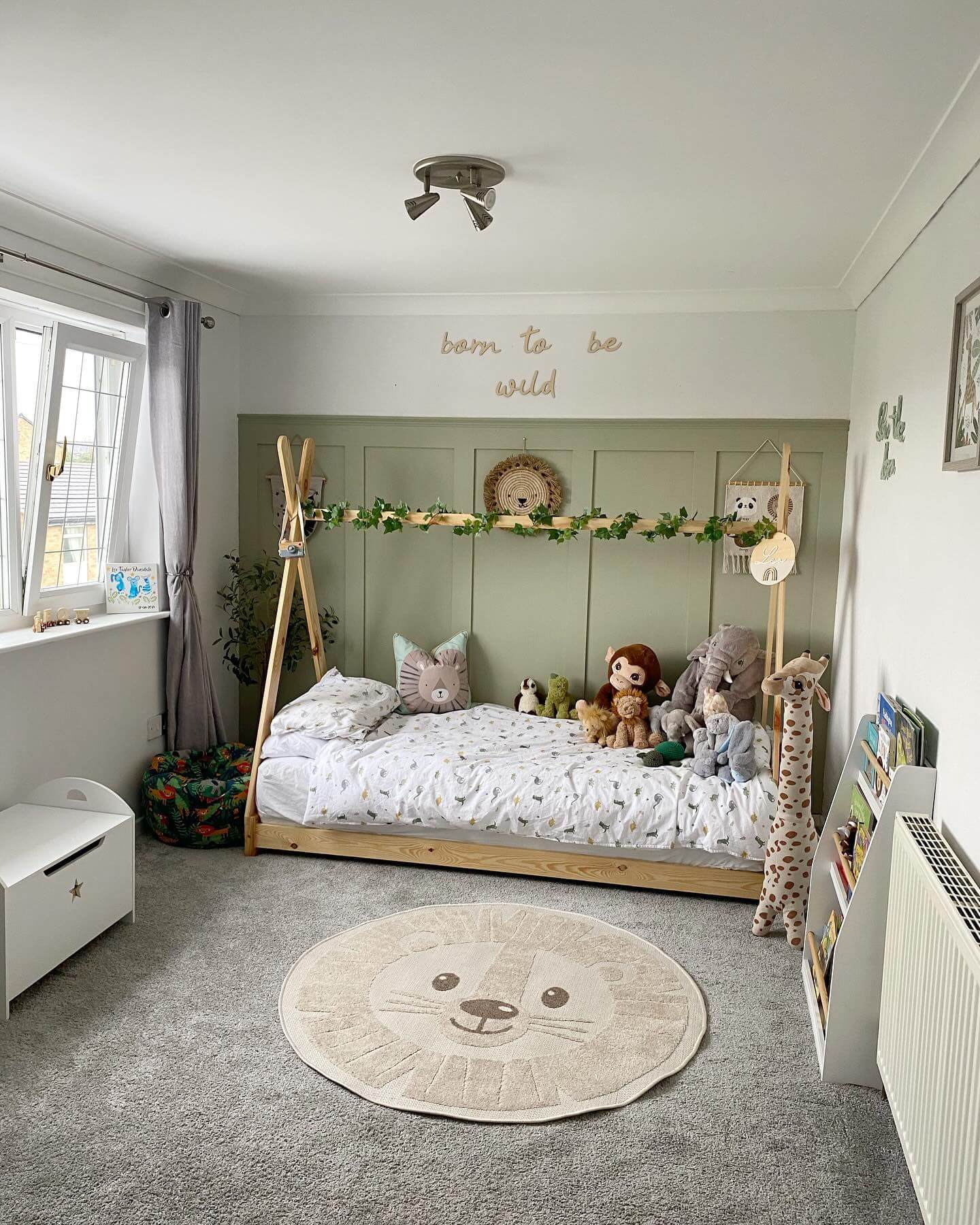
Start with a calm foundation—soft whites, warm beiges, or muted grays—and layer in color through textiles and art. Neutrals keep small toddler rooms feeling airy and let you evolve the theme with minimal effort. Add personality via a patterned washable rug, cheerful curtains, and a couple of accent pillows or a quilt in two to three cohesive hues. Bring in texture—cotton, muslin, boucle, and chunky knits—to satisfy sensory needs without visual noise. When choosing paint, look for low- or zero-VOC options and satin or eggshell finishes that wipe clean. If you want bolder character, try a color-blocked wall or painted arch behind the bed or reading nook; it frames the zone and adds depth. Seasonal swaps—a fresh art print, a new pillowcase, a bedside plush—keep the room feeling new without a full redesign. This palette strategy is one of the most practical toddler bedroom ideas: timeless, budget-friendly, and endlessly adaptable.
Rugs and Play Mats that Define Sleep, Play, and Dress Zones
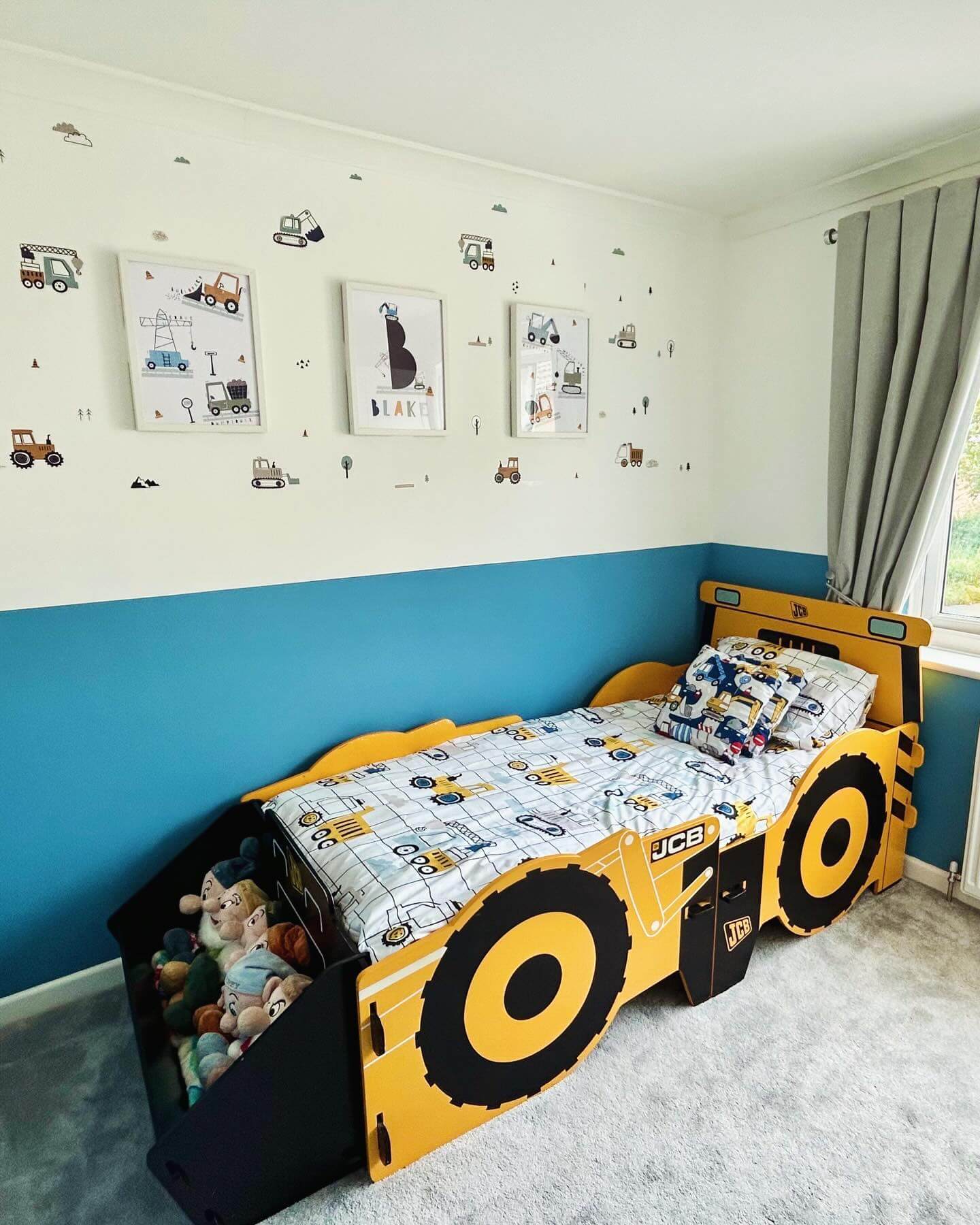
Use the floor to quietly organize the room. A large, low-pile washable rug anchors the play zone and muffles sound for nap-friendly acoustics. Add a foam or cork mat in a corner for building and sit-down activities; it protects floors and encourages your toddler to settle in one area. Near the bed, place a small runner as a soft landing for morning feet, and make sure everything sits on a quality rug pad for safety. Choose patterns that hide crumbs and crumbs but don’t overwhelm—subtle stripes, speckles, or tone-on-tone motifs keep the space cohesive. Rugs also guide traffic: keep a clear path from the door to the bed and to the closet or dresser to minimize nighttime trips. If the room is tiny, try one generous rug and use color-blocking or wall art to define zones. These simple layout tricks make your toddler bedroom ideas function beautifully day to day.
Mini Wardrobe Station: Closet, Dresser, and Daily Outfit Flow
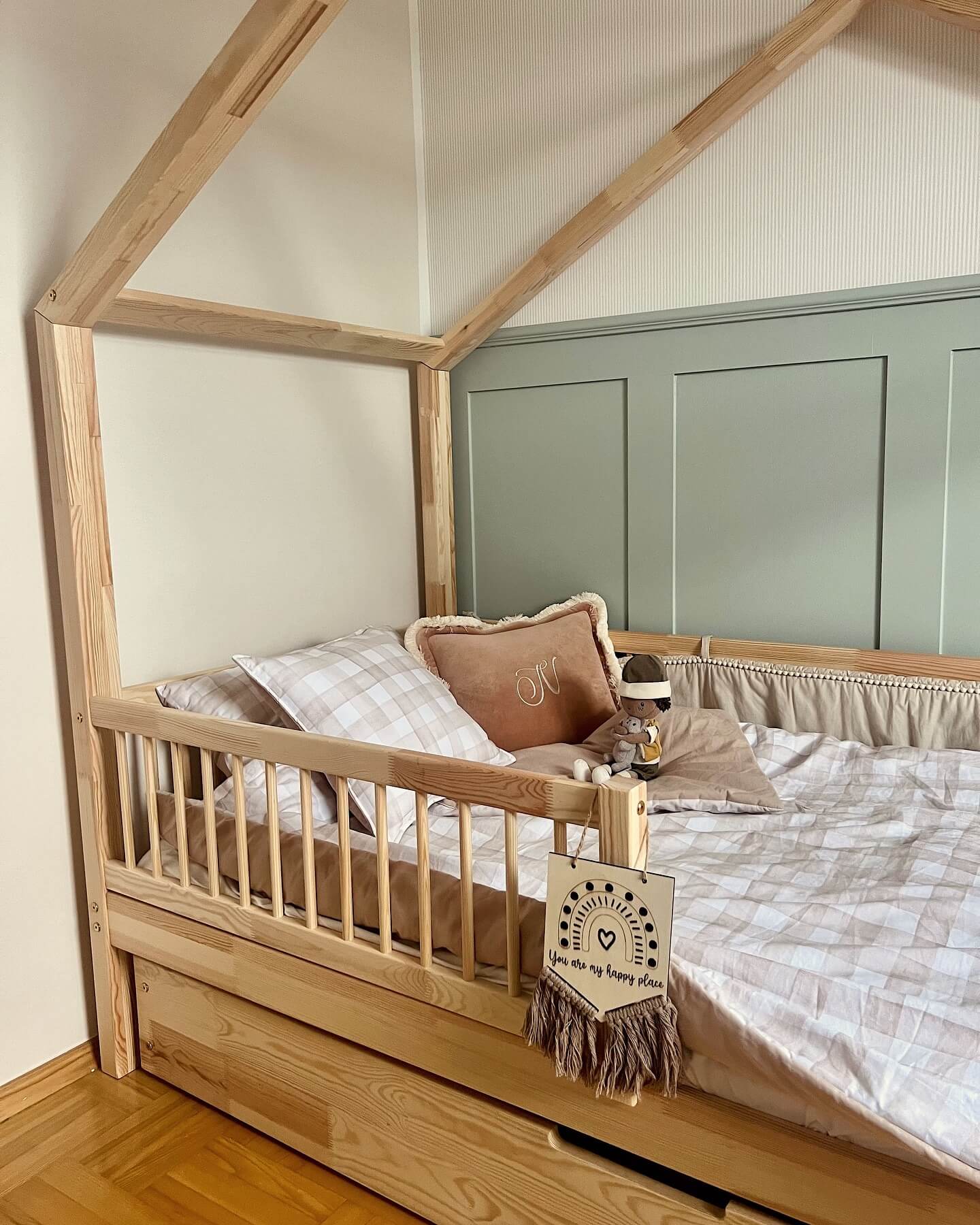
A self-serve wardrobe builds confidence and speeds up mornings. Install a low closet rod (or a freestanding rack) so your toddler can choose from a curated selection—five to seven mix-and-match outfits is plenty. Use drawer dividers for socks and underwear, and label drawers with pictures so cleanup is intuitive. Add a small step stool, a mirror at toddler height, and a hamper to complete the routine. Hooks or a peg rail near the door corral sweaters, backpacks, and tomorrow’s outfit. Keep extras stored up high and rotate seasonally to reduce decision fatigue. Safety matters: anchor the dresser, choose soft-close hardware, and avoid heavy handles that tempt climbing. This simple station ties into your lighting plan (bright for dressing, dim for bedtime) and keeps the floor clear, supporting other toddler bedroom ideas like open shelving and a floor bed. When getting dressed is easy and independent, the whole room—and your morning—works better.
Removable Wallpaper and Decals for Theme-Forward Style (Without Commitment)
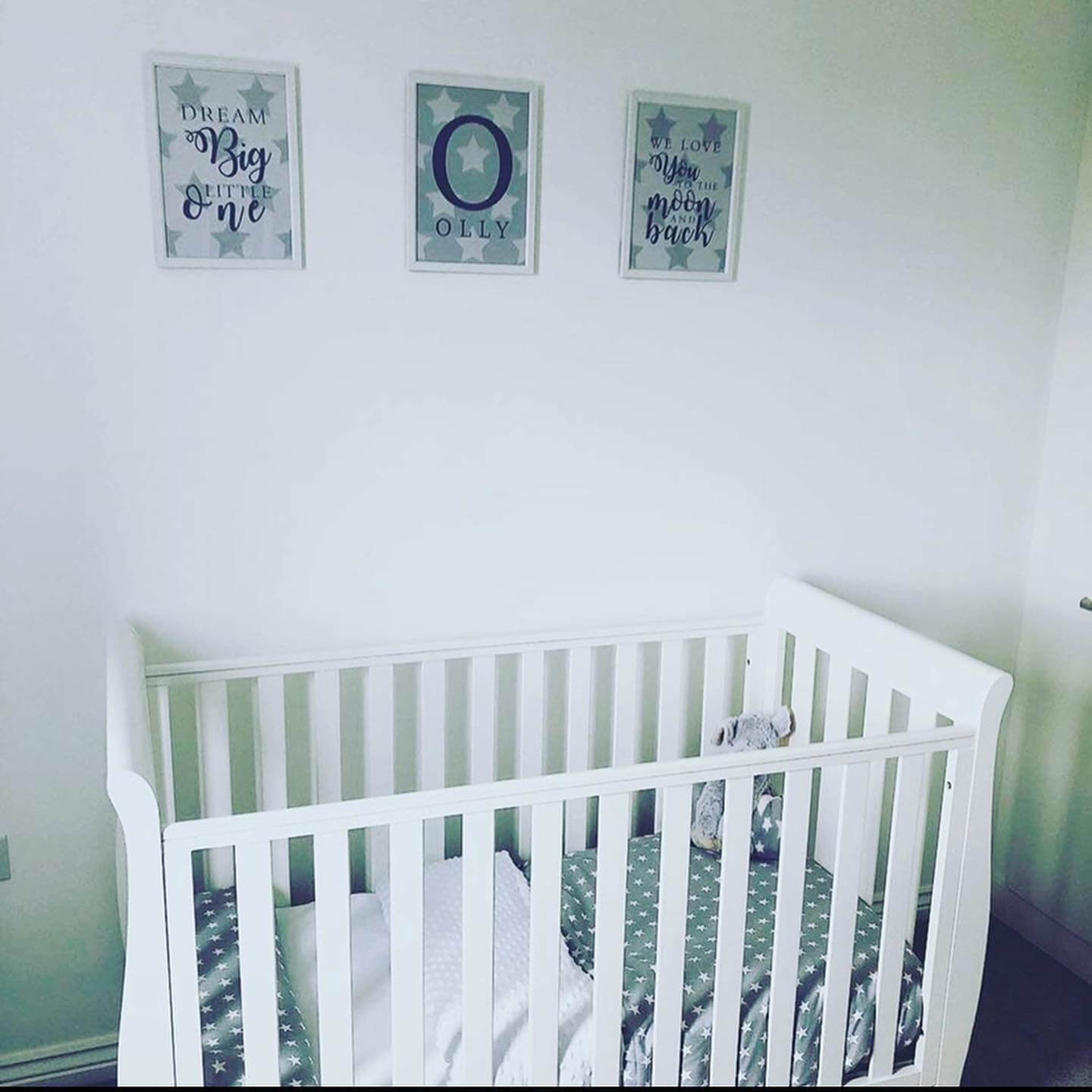
Lean into imagination without locking into a years-long theme. Peel-and-stick wallpaper, decals, and mural panels deliver big impact and zero stress when interests change. Try a single focal wall behind the bed, a ceiling pattern for a “wow” moment, or a gentle mural near the reading nook. Motifs like rainbows, florals, space, jungles, or simple geometrics pair well with a neutral base and can be edited as your toddler grows. Keep the rest of the room quiet—solid bedding, restrained textiles—so the feature shines. If wallpaper isn’t your thing, create an arch or color block with paint to frame a zone, then add a mini gallery of sturdy frames for rotating art and photos. The key to semantic, flexible toddler bedroom ideas is reversibility: fun now, easy to update later. Bonus: decals can double as learning tools—numbers, letters, maps—turning the room into an everyday play-and-learn environment.
Multi-Tasking Furniture that Works Hard in Small Toddler Rooms
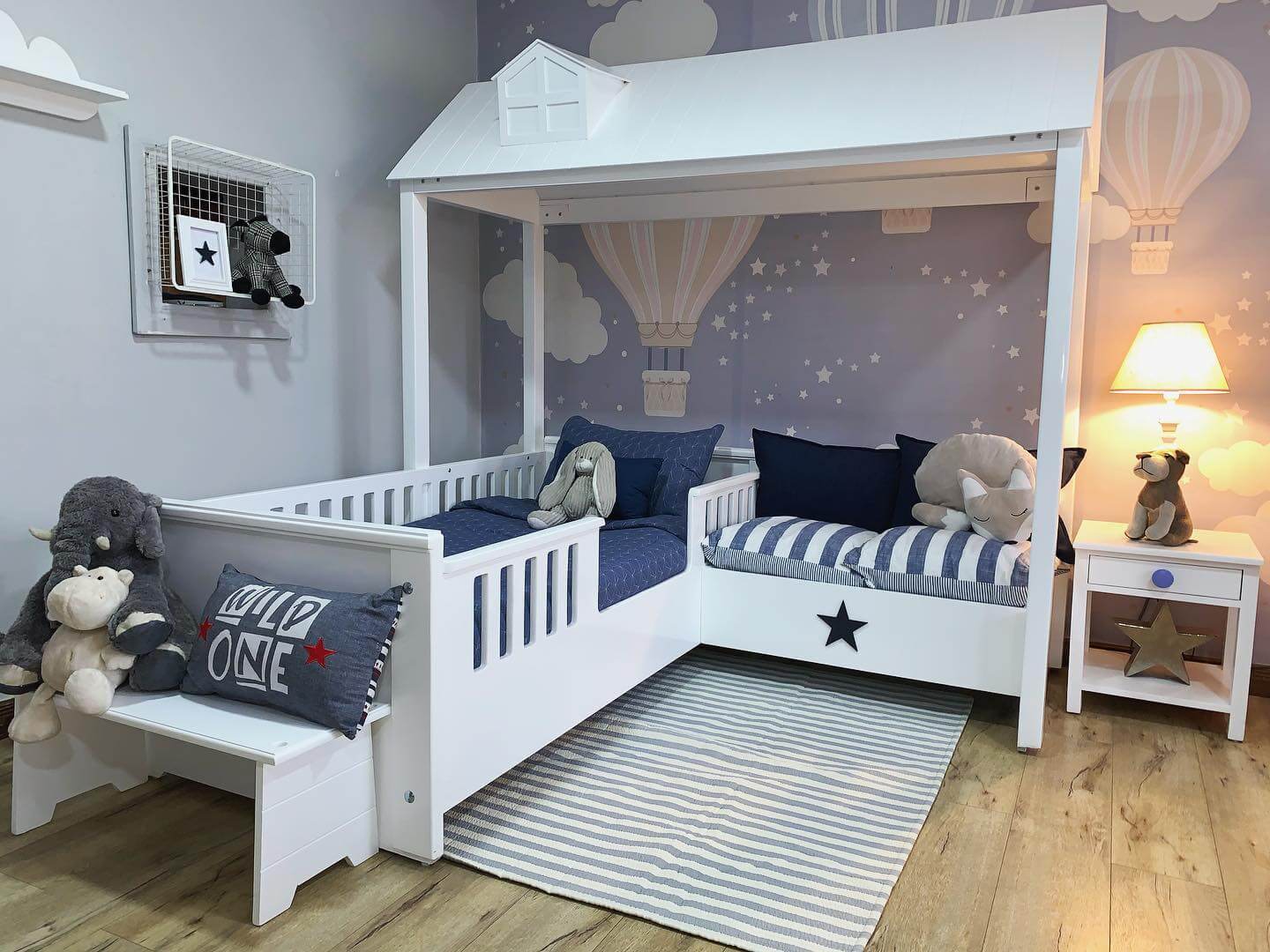
Choose pieces that earn their footprint. A low bookshelf doubles as a nightstand; a storage bench acts as seating and a toy chest; a play table with bins slides under when not in use. Consider a floor bed with a trundle for future sleepovers or a parent’s crash spot during tricky nights. Opt for lightweight stools that toddlers can move independently, and select furniture with rounded corners and durable, wipeable finishes. Wall-mount what you can—shelves, lights, even a narrow desk—to keep floors open for play. For tiny rooms, look for slim wardrobes with exterior hooks and add under-bed drawers for off-season gear. Anchor every piece and check weight limits to prevent tipping. When each item is versatile and safe, your toddler room stays uncluttered and grows gracefully with your child—one of the smartest, budget-friendly toddler bedroom ideas you can implement.
Safety Checklist: Childproofing Essentials for Peaceful Sleep
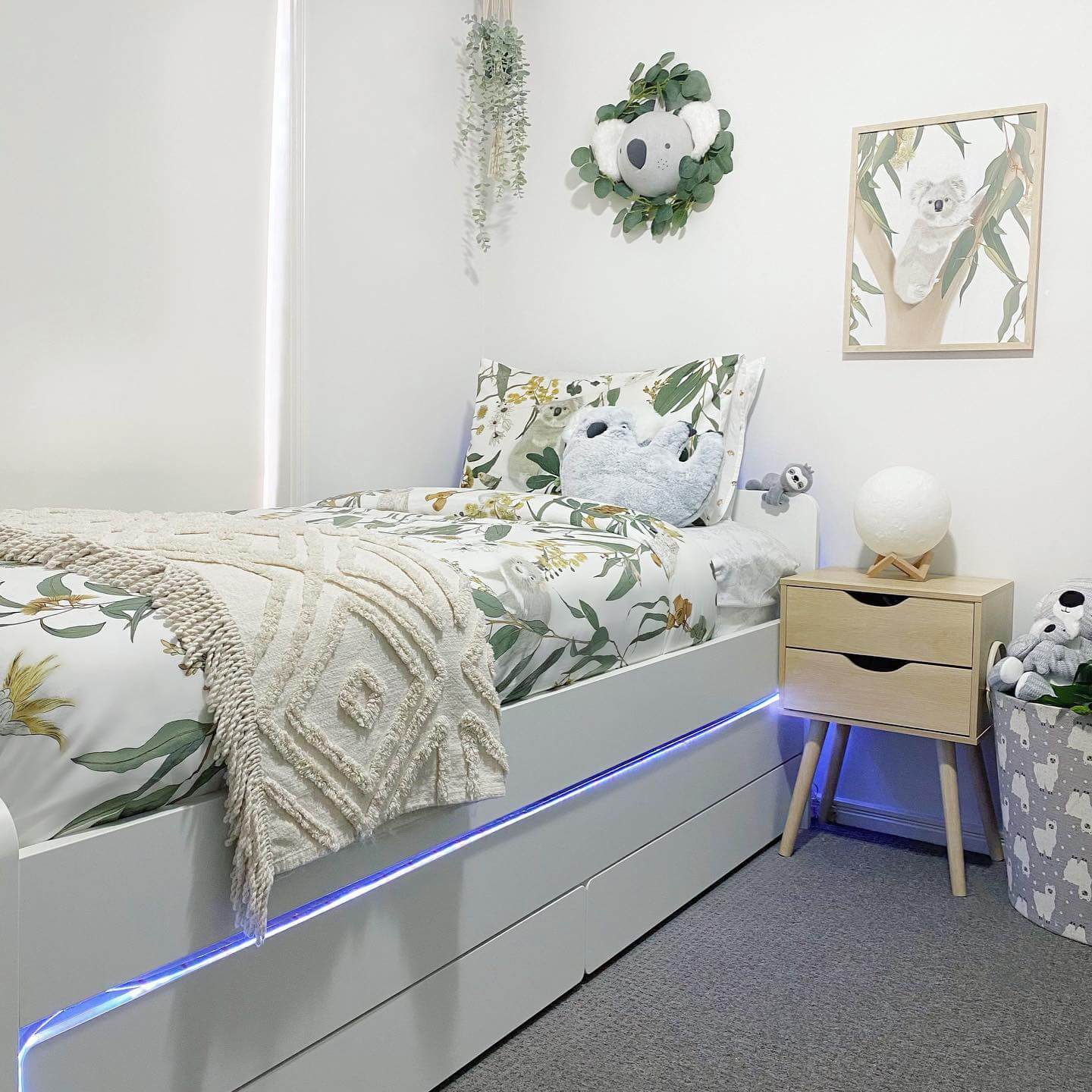
Design with curiosity in mind. Anchor all tall furniture, choose cordless shades, and add outlet covers and cord shorteners. Install window guards where needed and keep the crib or floor bed clear of wall hangings within reach. Use a door pinch guard, finger-safe hinges, and a doorknob cover if you’re not ready for solo hallway adventures. Add soft-close hardware and magnetic locks for drawers that store heavy or off-limits items. Place a motion nightlight along the path to the potty and remove tripping hazards with a quality rug pad. Prioritize non-toxic materials: low-VOC paint, OEKO-TEX bedding, and washable rugs. Consider an air purifier or humidifier as needed and keep a small basket for tissues and a thermometer handy but out of reach. Safety ties every idea in this guide together—when the environment is prepared, your toddler can explore, play, and sleep with confidence, and you can enjoy a room that’s beautiful and truly functional.
Blackout Curtains + Daylight Sheers: Nap‑Ready Windows That Still Feel Airy

For a toddler bedroom that supports naps and early bedtimes, treat the windows like you would the lighting: layer them. A cordless blackout roller shade blocks streetlight and summer sunsets, while lightweight sheers on a second rod soften daylight for gentle wake‑ups and quiet play. Choose an outside mount for the blackout shade to seal light gaps, and keep everything cordless for safety. If you’re working with a small toddler room, match the curtain color to the wall so the windows read larger and calmer. Thermal blackout panels can also cut drafts and noise—huge when siblings share or you live on a busy street. Tie this to your sleep routine: close the blackout and switch on warm bedside lighting 30 minutes before bedtime to cue winding down. In the morning, raise the shade and let the sheers glow to signal “time to play.” Bonus for renters: tension or no‑drill brackets make this upgrade damage‑free. It’s a simple, high‑impact toddler bedroom idea that supports better sleep without sacrificing a bright, airy feel during the day.
Picture Labels and Color‑Coded Bins Toddlers Actually Use
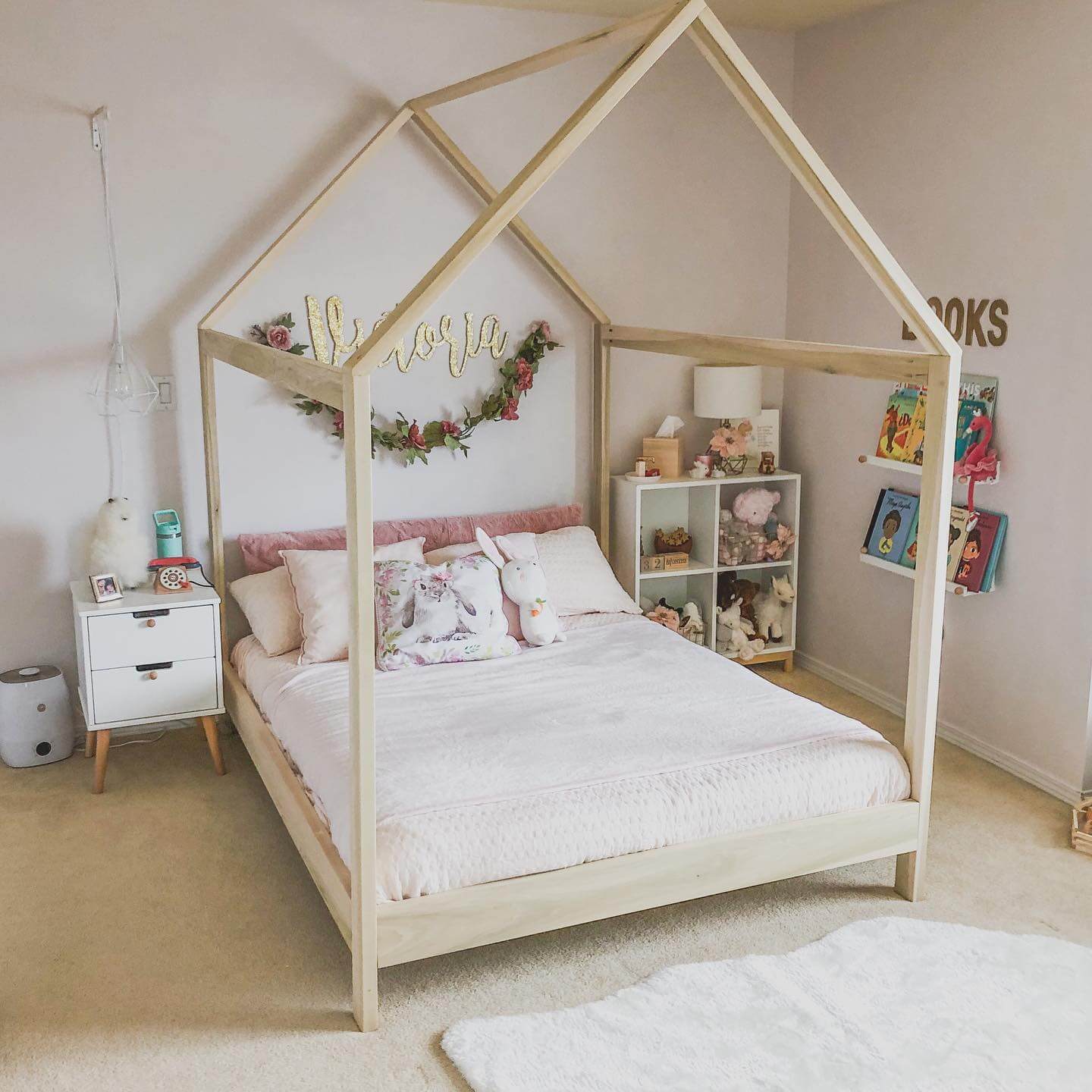
If toy rotation calms the room, picture labels make the system toddler‑proof. Use simple icons or photos on low baskets and drawers so your child can match what goes where without reading. Pair each toy category with a color (blue for blocks, yellow for animals) and repeat that color on the bin, label, and shelf tag for instant recognition. Keep everyday toys at toddler height and move special sets up high to encourage independence while protecting favorite items. In a small toddler bedroom, choose lidded fabric cubes or soft rope baskets that are easy to pull out and safe if toppled. The goal is fewer decisions, faster cleanup, and a tidy floor that invites play. This approach supports language development (naming categories), fine motor skills (grasp and sort), and executive function (finish and put away). Refresh labels as interests change, and stick to one shelf per category to avoid visual clutter. When everything has a home, your toddler can actually help keep it there—no nagging required.
Low Art Gallery Wall for Rotating Creations and Learning
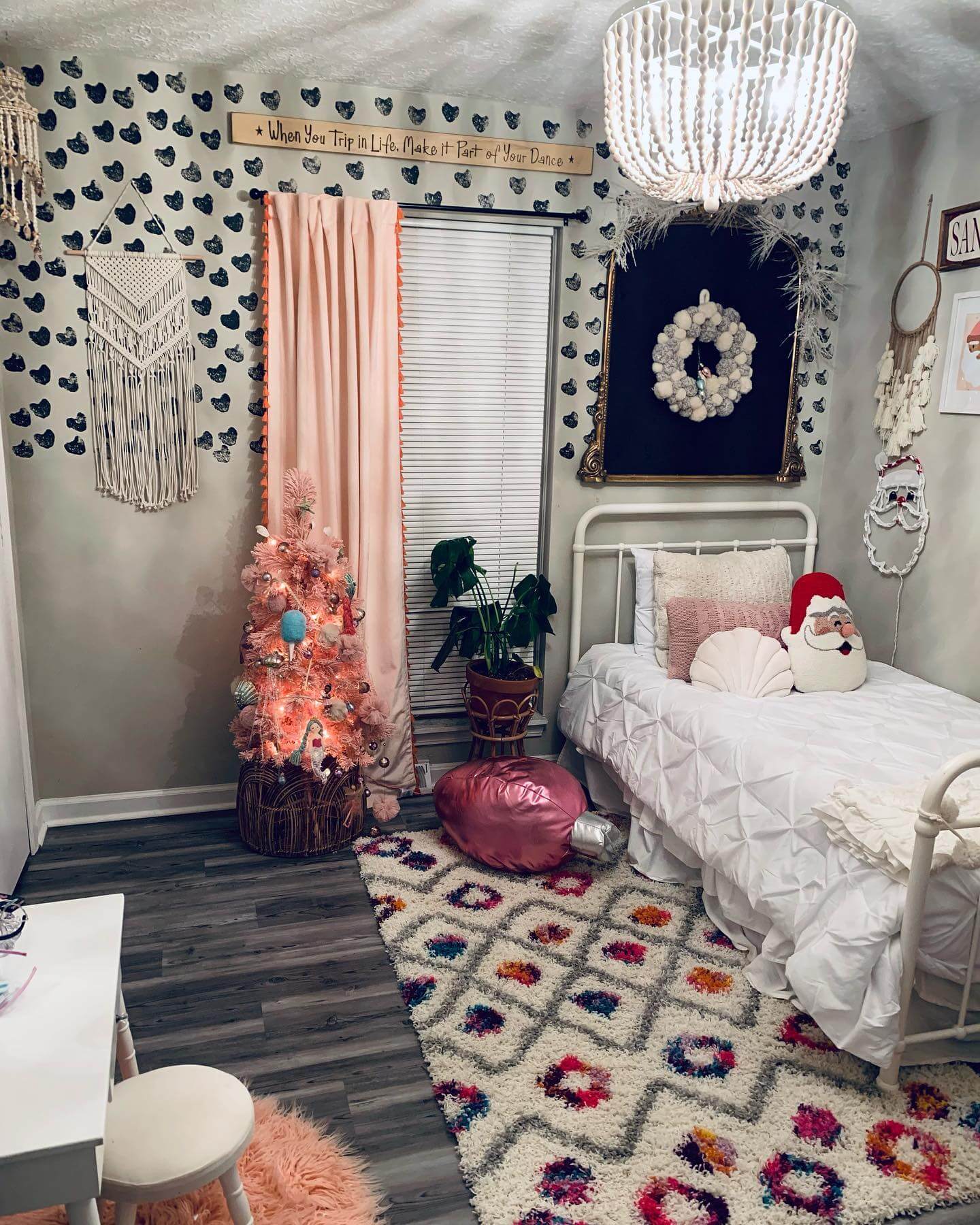
Bring the magic down to toddler height with an art display that evolves as they do. Install a slim picture ledge, cork strip, or magnetic rail 18–24 inches above the floor so your child can see and swap art independently. Add a second rail above it for growth, and use lightweight frames with front‑loading clips for quick updates. Beyond drawings, rotate alphabet cards, shape posters, or family photos to support pre‑literacy and emotional connection. Keep the palette cohesive—neutral frames or one accent color—to prevent visual noise in a small toddler room. Place the gallery near the reading nook to create a mini learning corner that still looks like decor. Use removable adhesive or command strips for renter‑friendly mounting, and avoid glass. This simple wall elevates your child’s work, boosts pride and independence, and reinforces your toy rotation theme: fewer items on display, refreshed often. It’s an easy, Montessori‑friendly toddler bedroom idea that turns wall space into purpose without clutter.
Washable, Breathable Bedding Layers for Nighttime Success
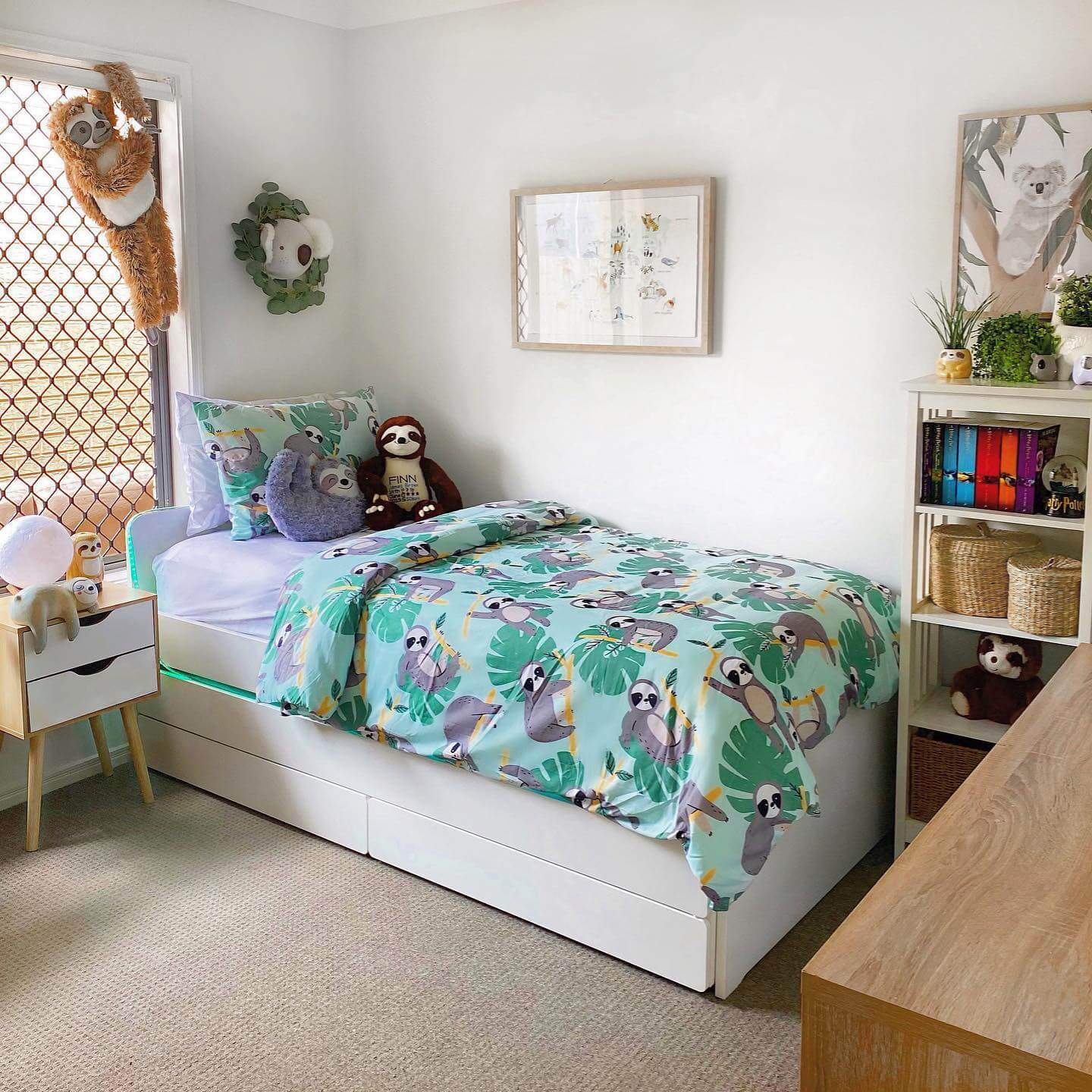
Toddlers sleep best when the bed feels cozy and predictable—and parents breathe easier when it’s easy to clean. Build the bed in layers: a waterproof encasement over the mattress, a quilted protector for comfort, and fitted sheets in breathable cotton percale or jersey. Keep a labeled “nighttime kit” with an extra fitted sheet and protector in a bedside basket for 2‑minute middle‑of‑the‑night changes. If you use a duvet, choose a lightweight insert with a washable cover and bed straps or a zippered style that stays put for squirmy sleepers. Skip heavy throws and piles of pillows; one toddler pillow (if age‑appropriate) and a comfort object are enough. Opt for warm, calm tones that echo your neutral base and playful pops. For potty‑training kids, add a washable wool or cotton pad just under the sheet for targeted protection. This bedding system supports your sleep routine, looks pulled together, and turns inevitable spills into no‑stress swaps—key for any toddler room, especially in small spaces where laundry piles show fast.
Slim, Rolling Storage Under the Bed (or Bench)
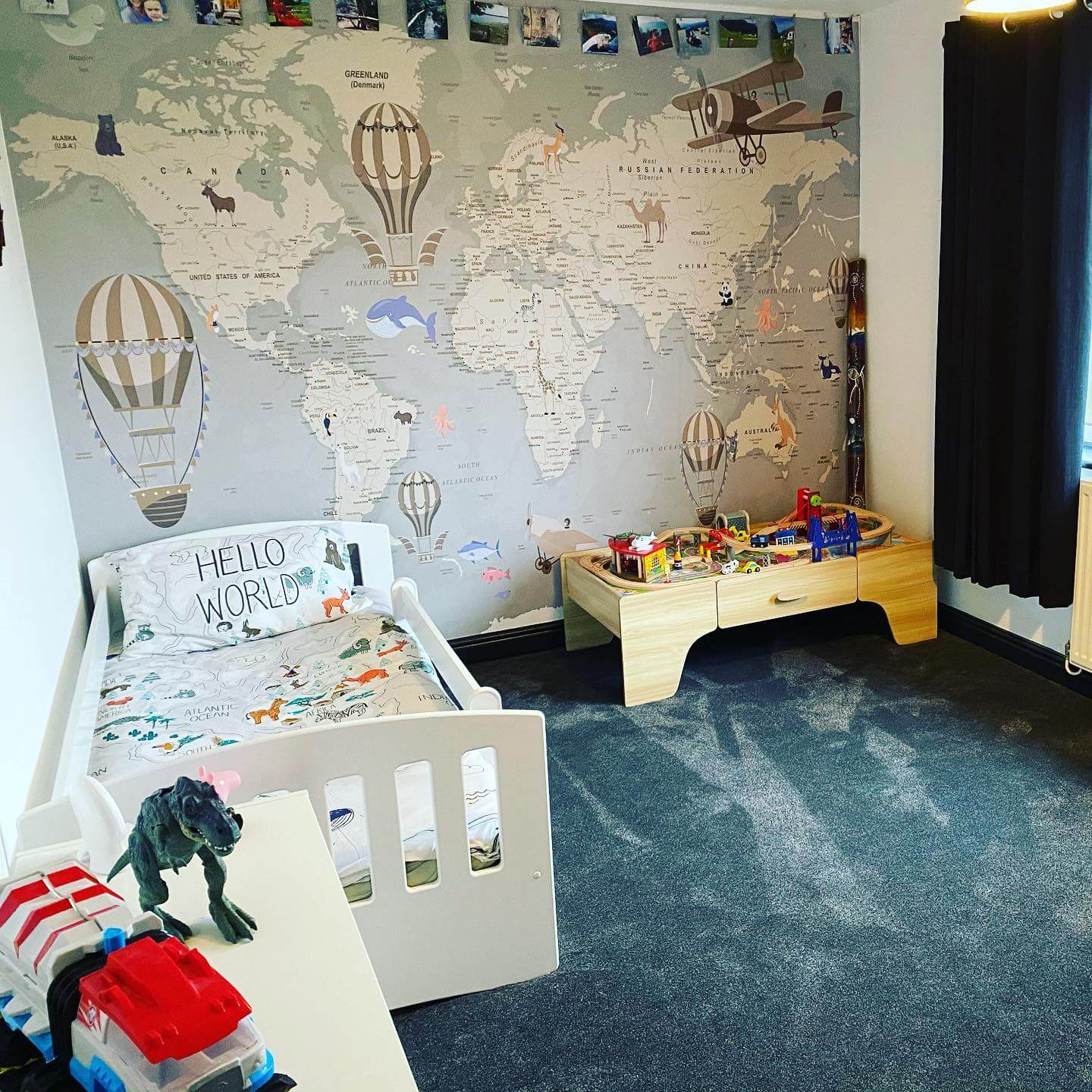
When floor space is precious, go low. Use slim, lidded under‑bed bins or soft fabric drawers on low casters to store puzzles, train tracks, extra bedding, or off‑season clothes. Measure your bed’s clearance and choose containers with finger‑safe handles that toddlers can pull without pinching. Label the front with picture tags to keep the system intuitive. If you’re using a Montessori floor bed, a shallow rolling tray or under‑bench drawer creates the same effect without visual bulk. Reserve one bin for “quiet time” activities to pull out during nap‑transition days—coloring, magnet tiles, or a small world set. Felt pads or rubber wheels protect floors, and a simple stopper keeps bins from disappearing under the mattress. This hidden storage supports your toy rotation, frees up the play zone rug, and keeps the room looking calm. It’s an all‑gain, no‑clutter toddler bedroom idea that adds serious function without adding furniture.
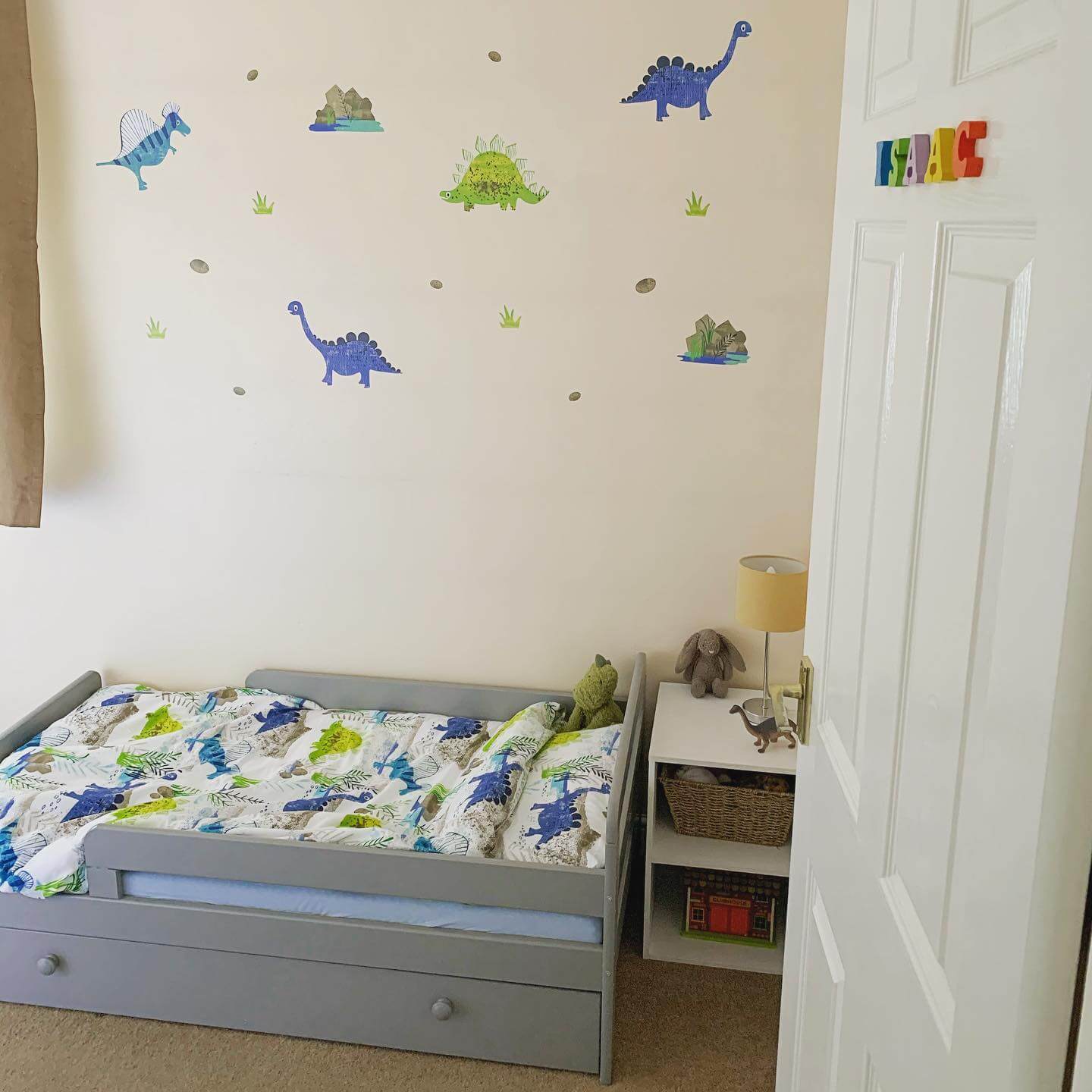
Design a shared toddler bedroom like a studio: define zones. Place beds on opposite walls with a bookcase or curtain between to create visual privacy and reduce bedtime chatter. Use two smaller rugs to anchor each child’s area and color‑code bedding or baskets so belongings are easy to identify. A sound machine centered between beds acts as a neutral buffer, while blackout shades help sync different nap schedules. Choose low, closed storage for joint toys and designate one shelf per child for treasured items. If space is tight, a daybed with a pull‑out trundle beats a bunk for toddlers—safer, flexible, and easy for parents at bedtime. Stagger routines by five minutes to minimize excitement: one child brushes teeth while the other picks a book. Keep wall decor balanced—mirrored layouts feel fair and calm. With good zoning and simple rules, a shared toddler room can be cozy, organized, and surprisingly restful.
Natural Textures That Warm the Room (and Wear Well)
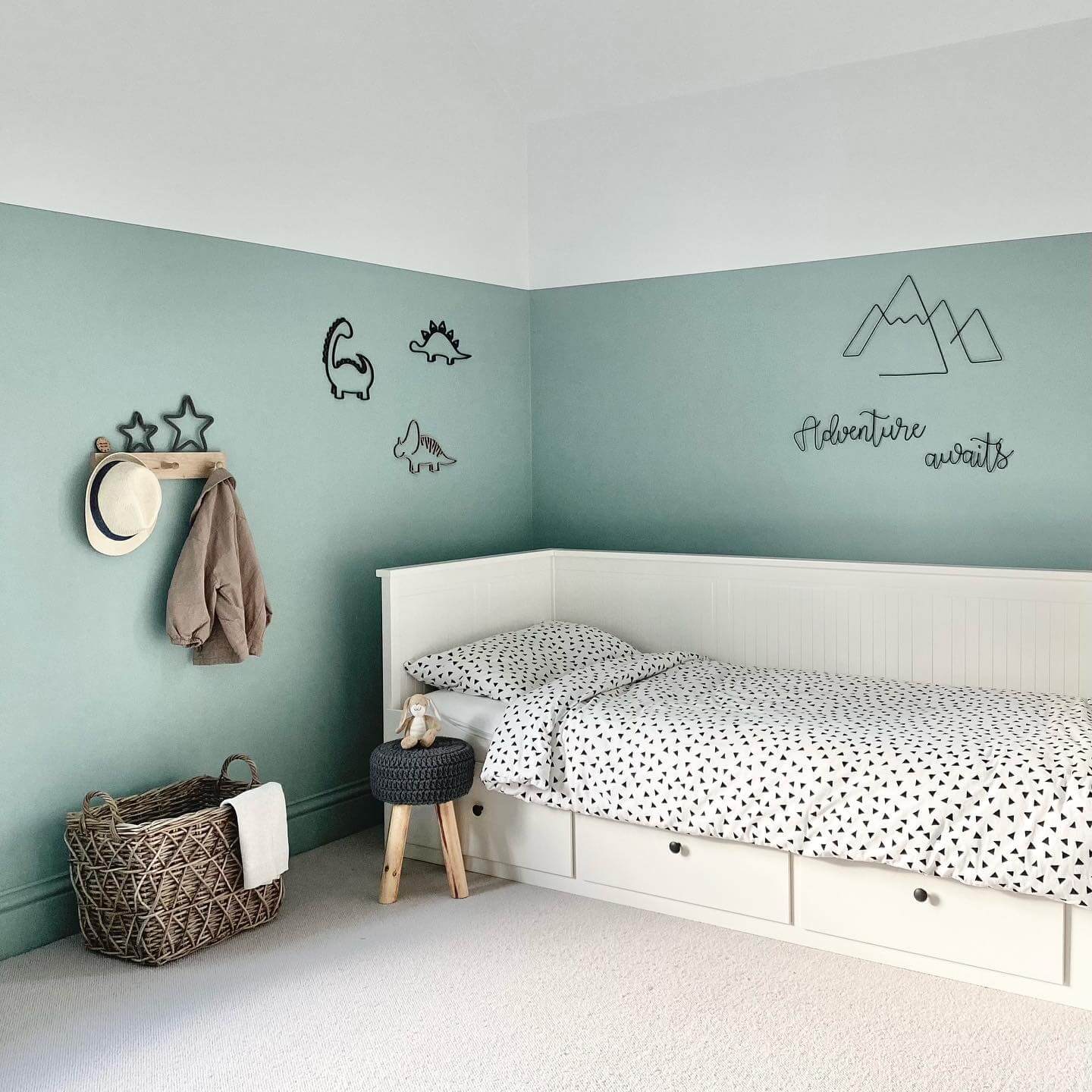
Layering natural materials is an easy way to make a toddler room feel grounded and cozy. Think rattan book baskets, wood peg rails, cotton or wool throw blankets, and a washable flatweave rug that can handle spills. These textures soften a neutral base and add interest without busy patterns—perfect for small rooms where visual clutter overwhelms. Choose woven hampers with liners for laundry, bamboo shades under blackout drapes for depth, and solid wood hooks at toddler height to encourage independence. Add a faux plant or botanical print for biophilic calm without the mess of real soil. Natural textures also photograph beautifully, so the space still looks styled as toys rotate in and out. Keep safety first: avoid splintery baskets, anchor any tall rattan or wood shelves, and select materials with cleanable finishes. The result is a warm, tactile toddler bedroom that stands up to daily play and evolves easily as your child grows.
A Quiet Sensory Corner for Self‑Regulation
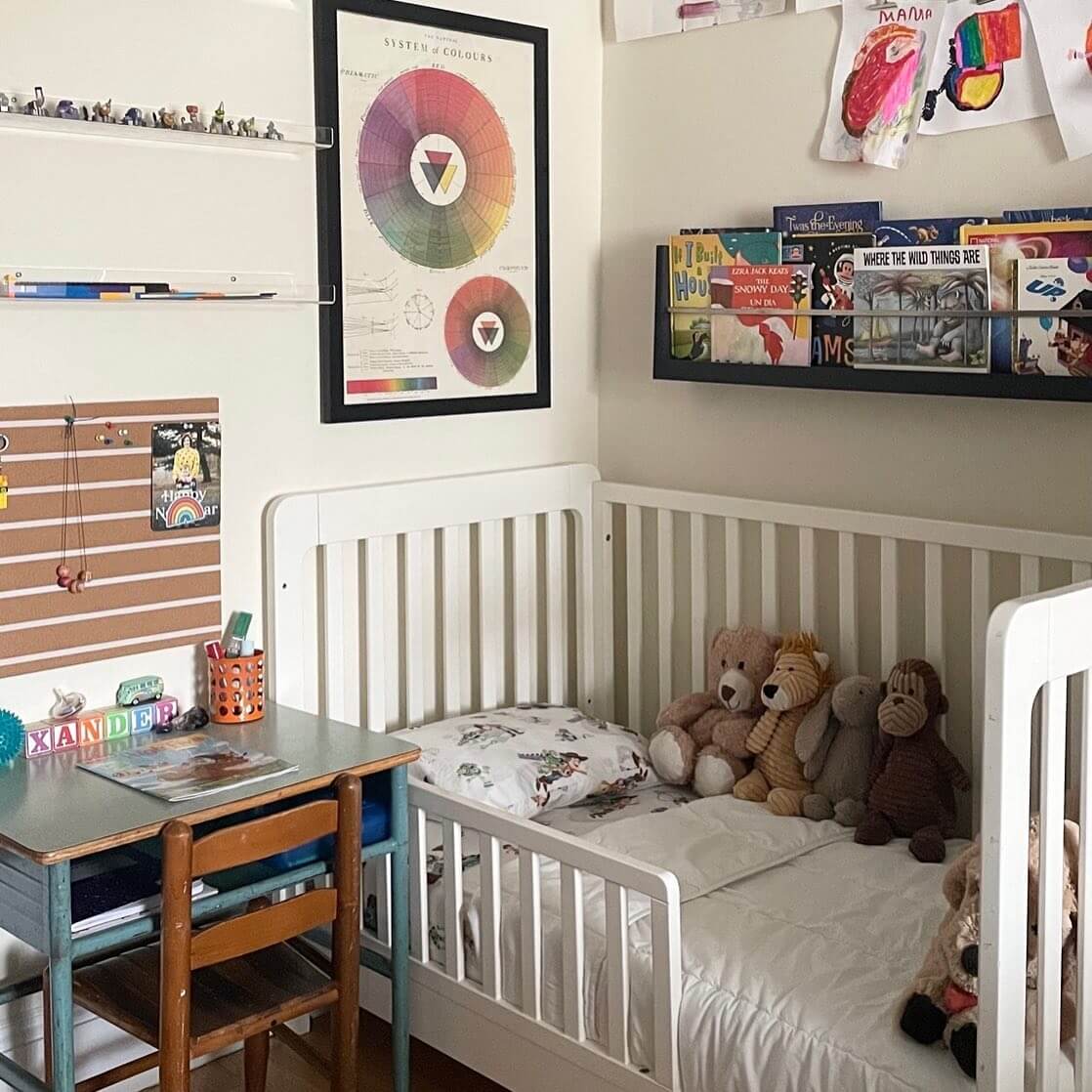
Build a small sensory spot to help your toddler shift gears from play to sleep. Start with a soft seat—floor cushion, mini rocker, or bean‑free pouf—plus a low shelf for calming tools: sand timers, a music basket, textured balls, simple busy boards, and a calm‑down bottle. Choose a muted color palette and dimmable lamp to reduce stimulation, and keep the area away from the main play zone to signal “quiet time.” Store just a few items out and rotate weekly to keep interest high without visual clutter. This corner supports big toddler feelings, solo wind‑down, and smoother bedtime transitions, especially on days when naps were skipped. It pairs perfectly with your reading nook and layered lighting, adding another cue in your sleep routine. Place picture labels so your child can tidy independently. The goal isn’t more stuff—it’s the right, soothing stuff, presented simply. In any toddler bedroom, this micro‑zone punches above its size in daily harmony.
Bedtime Routine Cart: All the Helpers in One Spot
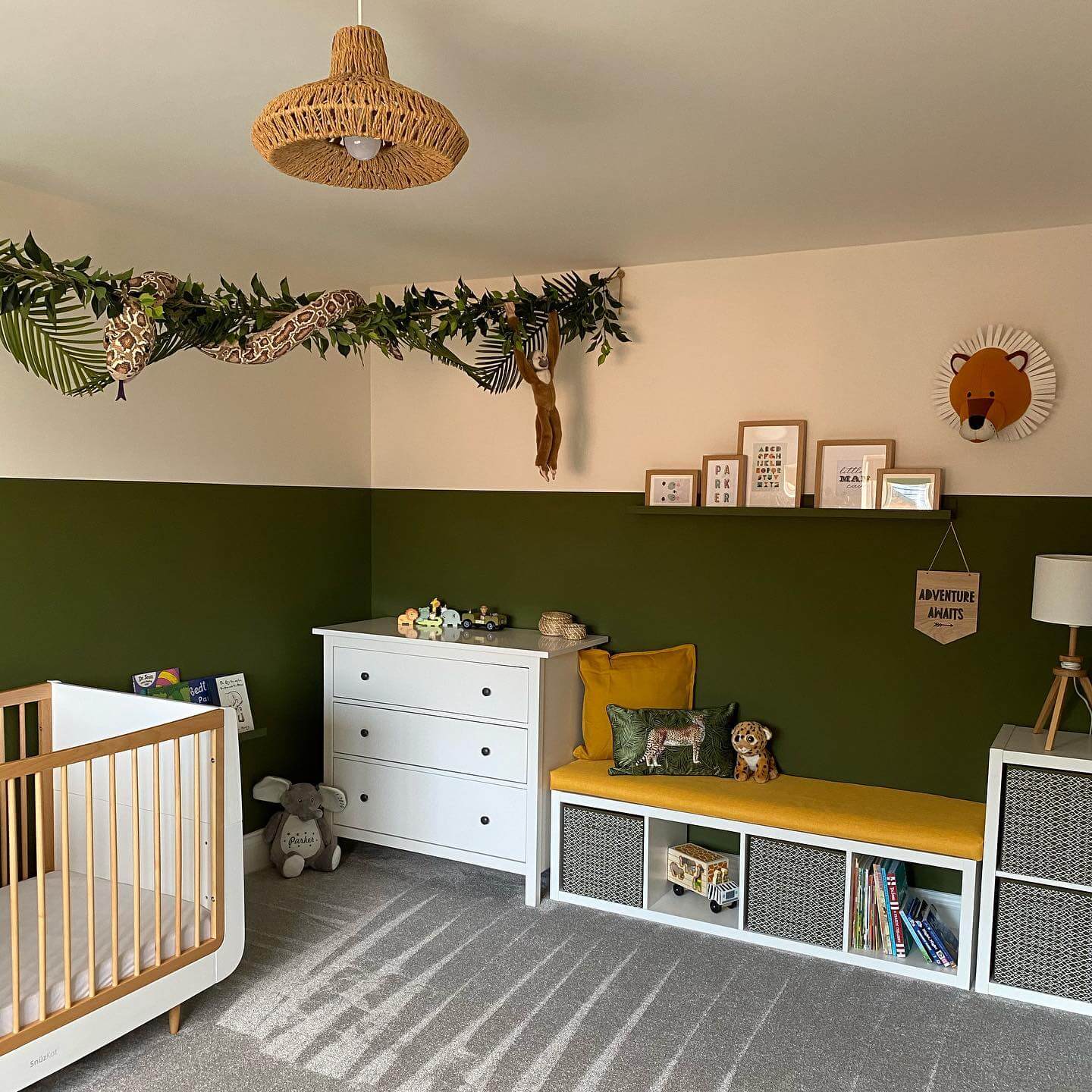
Corral every nighttime essential on a slim rolling cart and watch evenings get easier. Top shelf: current bedtime books, a small dimmable lamp, and a water cup. Middle: PJs, sleep sack, pull‑ups or diapers, lotion, and a hairbrush. Bottom: spare fitted sheet, waterproof pad, thermometer, and a zip bag for late‑night accidents. Add a small tray for pacifiers or loveys, and a lidded box for medicine that stays out of reach. Roll the cart beside the bed for the routine, then park it in the closet to reduce visual clutter. This setup keeps you from crisscrossing the room, supports predictable steps (read, potty, lotion, snuggle), and helps any caregiver follow the same rhythm. Choose calm colors that match your palette, label shelves with icons, and opt for a cart with locking wheels for safety. It’s a simple, renter‑friendly toddler bedroom idea that turns chaos into flow—night after night.
Educational Toddler Bedroom Ideas with Clever Storage
An educational bedroom blends learning opportunities with comfort, using storage to scaffold independence from morning to bedtime. Anchor heavy pieces with anti-tip straps, then keep floor-level options—like trays, baskets, and open shelves—organized by category to reduce decision fatigue. Toy rotation on labeled shelves nurtures focus and lengthens play cycles, while clear bins reveal contents so toddlers can return items accurately. A child-height mirror near the closet supports dressing skills, and a step stool at a low rail invites practice with buttons and zippers. Durable, non-toxic finishes and rounded edges on furniture ensure exploration stays safe as coordination and curiosity develop.
Storage Systems That Teach Independence
- Open toy shelves: Keep toys visible and reachable to promote self-selection; limit each shelf to one category in baskets, preventing overflow and encouraging quick, independent cleanups.
- Picture-labeled bins: Use photos plus words on fabric bins to support pre-readers; categories stay consistent, reducing arguments and helping caregivers reset the room in minutes.
- Under-bed drawers: Fit shallow, divided drawers on casters for puzzles, blocks, and art; soft-close hardware and full-extension slides ensure safe reach and tidy retrieval every time.
Playful Decor That Supports Learning
- Alphabet wall decals: Arrange removable letters at eye level and pair with objects or photos; playful repetition builds phonemic awareness without sacrificing calm, cohesive style across the room.
- Color-coded closet: Assign colors to categories and hanger sizes; toddlers learn sorting fast, and morning routines speed up because shirts, pants, and layers are visually grouped and intuitive.
- Magnetic art wall: Install a low magnetic board with chalk or wipeable panels; display rotating creations, practice prewriting strokes, and protect painted walls during enthusiastic, large-motor mark making.
Balance educational visuals with whitespace so the room stays restful; too many posters can overstimulate and disrupt sleep quality. Curate a small reading nook with a cushioned floor chair, clip light, and a few face-out books to encourage daily quiet time. Display works in progress on the magnetic board, then archive favorites in a portfolio to keep surfaces clear and confidence high. Invite participation with a simple cleanup song and picture prompts near storage zones, reinforcing routines through consistent cues. Review and adjust labels, shelf heights, and wardrobe organization every few months as skills grow, keeping the environment appropriately challenging and supportive.
Your Most Googled Toddler Room Dilemmas—Answered
What size bed works best for a small toddler room?
A low-profile toddler bed or floor bed maximizes vertical space and improves safety. If sharing the room later, choose a twin with under-bed drawers to stretch functionality without crowding.
How can I encourage independence without sacrificing safety?
Keep essentials at child height—open shelves, labeled bins, and low hooks—while anchoring heavy furniture and using cordless window treatments. Rounded edges, outlet covers, and soft-close hardware further minimize risks.
Which colors support sleep but still feel cheerful?
Soft neutrals like warm white, greige, or pale sage create calm, while a single saturated accent—mustard, terracotta, or navy—adds personality. Use color in textiles and art for easy seasonal updates.
How much storage does a toddler really need?
Aim for visible, limited categories: books, blocks, art, dramatic play, and soft toys, each with a dedicated bin or shelf. Rotate extras to a closet so the room stays focused and easy to reset.
Final Verdict: Smarter Toddler Bedrooms Start with Simplicity
The most effective toddler bedroom ideas balance independence, safety, and delight. Start with a low, Montessori-inspired bed and a simple zoned layout—sleep, play, and dress—to anchor the space. Layer lighting to cue routines, pair blackout curtains with airy sheers for naps and daylight, and keep toys in rotation on open shelves with picture labels. Add softness and durability with washable bedding, a cozy reading nook, and natural textures, while personality comes from removable wallpaper, a low art gallery wall, and a few playful accents that can evolve as your child grows.
From there, let storage and function do the heavy lifting: a mini wardrobe station for daily outfits, slim rolling bins under beds or benches, and multi-tasking furniture that earns its footprint in small rooms. Round it out with a calm sensory corner, a bedside routine cart stocked with nighttime helpers, and a thorough childproofing check so you can relax. Build gradually, observe how your toddler uses the room, and adjust—because the best design is the one that makes bedtime smoother, playtime happier, and everyday life easier.
